When you think about designing spaces for individuals with disabilities or mobility challenges, it’s essential to start by understanding their unique needs. Each person’s experience is different, and their requirements can vary widely based on the nature of their disability. For instance, someone who uses a wheelchair may require wider doorways and hallways, while a person with visual impairments might need tactile indicators and auditory cues.
By taking the time to listen to and learn from individuals with disabilities, you can gain valuable insights that will inform your design choices. Moreover, it’s crucial to recognize that disabilities can be both visible and invisible. Some individuals may have physical limitations that are apparent, while others may have cognitive or sensory challenges that are not immediately obvious.
This diversity means that your approach should be inclusive and flexible, accommodating a range of needs. Engaging with the community and seeking feedback from those who will use the space can help you create an environment that is truly accessible and welcoming for everyone.
Key Takeaways
- Understanding the specific needs and challenges of individuals with disabilities or mobility issues is crucial for creating accessible spaces.
- Incorporating universal design principles ensures that spaces are usable by people of all ages and abilities.
- Creating accessible floor plans and layouts involves considering factors such as door widths, turning radius, and clear pathways.
- Choosing appropriate materials and finishes can impact the usability and safety of a space for individuals with disabilities.
- Installing assistive technology and adaptive equipment can greatly enhance the accessibility and functionality of a space for people with disabilities.
Incorporating Universal Design Principles
Universal design principles are fundamental when creating spaces that are accessible to all individuals, regardless of their abilities. These principles advocate for designs that are usable by everyone without the need for adaptation or specialized design. By incorporating these principles into your projects, you can ensure that your spaces are not only functional but also aesthetically pleasing and comfortable for all users.
One of the key aspects of universal design is simplicity. You should aim for intuitive layouts that allow individuals to navigate spaces easily. This means minimizing obstacles and ensuring that pathways are clear and direct.
Additionally, consider the use of adjustable features, such as countertops and shelving, which can accommodate users of varying heights and abilities. By prioritizing these elements, you create an environment that promotes independence and dignity for all individuals.
Creating Accessible Floor Plans and Layouts
When designing floor plans and layouts, accessibility should be at the forefront of your considerations. A well-thought-out layout can significantly enhance the usability of a space for individuals with mobility challenges. Start by ensuring that doorways are wide enough to accommodate wheelchairs and walkers, typically at least 32 inches wide.
Hallways should also be spacious, allowing for easy navigation without the risk of bumping into furniture or other obstacles. In addition to width, think about the flow of movement within the space. You want to create a layout that allows for easy transitions between rooms without unnecessary barriers.
Open floor plans can be particularly effective in this regard, as they provide clear sightlines and reduce the number of walls that might impede movement. Furthermore, consider the placement of furniture; it should be arranged in a way that promotes accessibility while still maintaining a cozy and inviting atmosphere.
Choosing Appropriate Materials and Finishes
The selection of materials and finishes plays a vital role in creating accessible environments. You should choose materials that are durable, easy to maintain, and safe for all users. For instance, flooring should be slip-resistant to prevent falls, especially in areas prone to moisture, such as kitchens and bathrooms.
Additionally, consider using low-pile carpets or hard surfaces that facilitate wheelchair movement. Beyond safety, aesthetics also matter. You want to create a space that feels warm and inviting while still being functional.
Opt for finishes that provide visual contrast to assist individuals with low vision in navigating the space more easily. For example, using contrasting colors for walls and trim can help define boundaries and make it easier for individuals to orient themselves within the environment.
Installing Assistive Technology and Adaptive Equipment
Incorporating assistive technology and adaptive equipment can greatly enhance the independence and quality of life for individuals with disabilities. This technology can range from simple devices like grab bars and lever-style door handles to more advanced solutions such as smart home systems that allow users to control lighting, temperature, and security features through voice commands or mobile apps. When planning for assistive technology, it’s essential to consider the specific needs of the individuals who will be using the space.
For example, if someone has difficulty with mobility, installing automatic door openers can make entering and exiting a building much easier. Similarly, voice-activated systems can provide convenience for those with limited dexterity. By integrating these technologies thoughtfully into your designs, you empower users to live more independently and comfortably.
Providing Adequate Lighting and Visual Contrast

Achieving Adequate Lighting
Adequate lighting not only enhances visibility but also contributes to safety by reducing the risk of accidents. You should aim for a combination of natural light and artificial lighting sources to create a well-lit environment throughout the day.
Visual Contrast for Navigation
the use of visual contrast to aid navigation. High-contrast color schemes can help individuals with visual impairments distinguish between different surfaces and objects more easily. For instance, using darker colors for handrails against lighter walls can provide clear visual cues that guide users through the space.
Improving Accessibility and Comfort
Thoughtful lighting design combined with effective contrast can significantly improve accessibility and comfort for all users.
Ensuring Safety and Ease of Use in Bathrooms and Kitchens
Bathrooms and kitchens present unique challenges when it comes to accessibility. These spaces must be designed with safety and ease of use in mind to accommodate individuals with varying abilities. In bathrooms, consider installing grab bars near toilets and showers to provide support when transitioning between sitting and standing positions.
Additionally, curbless showers can facilitate easier access for those using wheelchairs or walkers. In kitchens, you should focus on creating an ergonomic layout that allows users to reach appliances and storage without straining themselves. Lowering countertops or incorporating pull-out shelves can make cooking more accessible for individuals with mobility challenges.
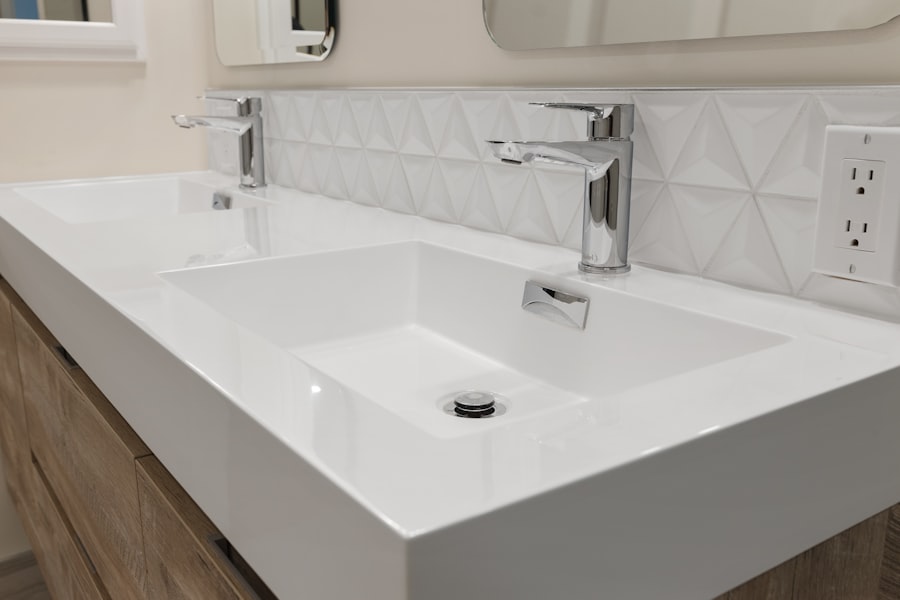
Furthermore, ensure that faucets are easy to operate; touchless or lever-style faucets can be particularly beneficial for those with limited hand strength or dexterity.
Consulting with Accessibility Experts and Professionals
Finally, one of the most effective ways to ensure your designs meet accessibility standards is by consulting with experts in the field. Accessibility professionals can provide invaluable insights into best practices and regulations that you may not be aware of. They can help you navigate complex guidelines such as the Americans with Disabilities Act (ADA) or local building codes related to accessibility.
Engaging with these professionals early in your design process allows you to identify potential issues before they become costly problems down the line. They can also assist in conducting assessments of existing spaces to determine what modifications may be necessary to improve accessibility. By collaborating with experts, you not only enhance your designs but also demonstrate a commitment to inclusivity that benefits everyone in the community.
In conclusion, creating accessible environments requires a thoughtful approach that considers the diverse needs of individuals with disabilities or mobility challenges. By understanding these needs, incorporating universal design principles, creating accessible layouts, choosing appropriate materials, installing assistive technology, providing adequate lighting, ensuring safety in critical areas like bathrooms and kitchens, and consulting with experts, you can create spaces that are welcoming and functional for all users. Your efforts will not only improve accessibility but also foster a sense of belonging within your community.
FAQs
What are the key considerations for designing a contemporary home for individuals with disabilities or mobility challenges?
The key considerations for designing a contemporary home for individuals with disabilities or mobility challenges include creating an accessible layout, incorporating universal design principles, and selecting appropriate materials and fixtures.
What is an accessible layout in the context of designing a contemporary home for individuals with disabilities or mobility challenges?
An accessible layout in the context of designing a contemporary home for individuals with disabilities or mobility challenges involves ensuring that all areas of the home are easily navigable for individuals with mobility aids such as wheelchairs or walkers. This may include wider doorways, open floor plans, and accessible bathrooms and kitchens.
What are universal design principles and how are they incorporated into the design of a contemporary home for individuals with disabilities or mobility challenges?
Universal design principles involve creating spaces that are usable by people of all ages and abilities. In the context of designing a contemporary home for individuals with disabilities or mobility challenges, universal design principles may be incorporated through features such as zero-step entrances, lever-style door handles, and adjustable countertops.
How do materials and fixtures play a role in designing a contemporary home for individuals with disabilities or mobility challenges?
Materials and fixtures play a crucial role in designing a contemporary home for individuals with disabilities or mobility challenges by ensuring that they are durable, easy to maintain, and conducive to accessibility. This may include selecting slip-resistant flooring, grab bars in bathrooms, and adjustable-height countertops in the kitchen.