As you step into the world of contemporary interior design in the 21st century, you find yourself immersed in a vibrant tapestry of styles, ideas, and innovations. This era is characterized by a dynamic interplay between aesthetics and functionality, where the spaces you inhabit are not just about visual appeal but also about enhancing your quality of life. The design landscape has evolved significantly, influenced by cultural shifts, technological advancements, and a growing awareness of environmental issues.
You may notice that contemporary design reflects a blend of various styles, often merging traditional elements with modern sensibilities to create spaces that are both inviting and practical. In this fast-paced world, the way you approach interior design has transformed. No longer confined to rigid rules and conventions, contemporary design encourages you to express your individuality and creativity.
The emphasis is on creating environments that resonate with your personal style while also catering to your lifestyle needs. As you explore the latest trends and innovations, you will discover that contemporary interior design is not just about aesthetics; it’s about crafting spaces that foster well-being, productivity, and connection.
Key Takeaways
- Contemporary interior design in the 21st century is characterized by a focus on functionality, minimalism, and sustainability.
- Technology has significantly influenced interior design, leading to the integration of smart home features and personalized design solutions.
- Sustainable and eco-friendly design trends are gaining popularity, with an emphasis on using natural and recycled materials.
- Minimalism and decluttering are key principles in contemporary interior design, promoting a clean and organized living space.
- Biophilic design and the inclusion of natural elements are becoming increasingly important, creating a connection to the outdoors within interior spaces.
Influence of Technology on Interior Design
Enhanced Comfort and Convenience
This level of convenience not only enhances your comfort but also allows you to create the perfect atmosphere for any occasion.
Revolutionizing the Design Process
Moreover, technology has revolutionized the design process itself. With the advent of virtual reality (VR) and augmented reality (AR), you can now visualize your space before any physical changes are made.
Informed Decision-Making
This immersive experience enables you to experiment with different layouts, colors, and furnishings, ensuring that the final result aligns perfectly with your vision. As you navigate through these technological advancements, you will find that they empower you to make informed decisions, ultimately leading to more satisfying design outcomes.
Sustainable and Eco-Friendly Design Trends
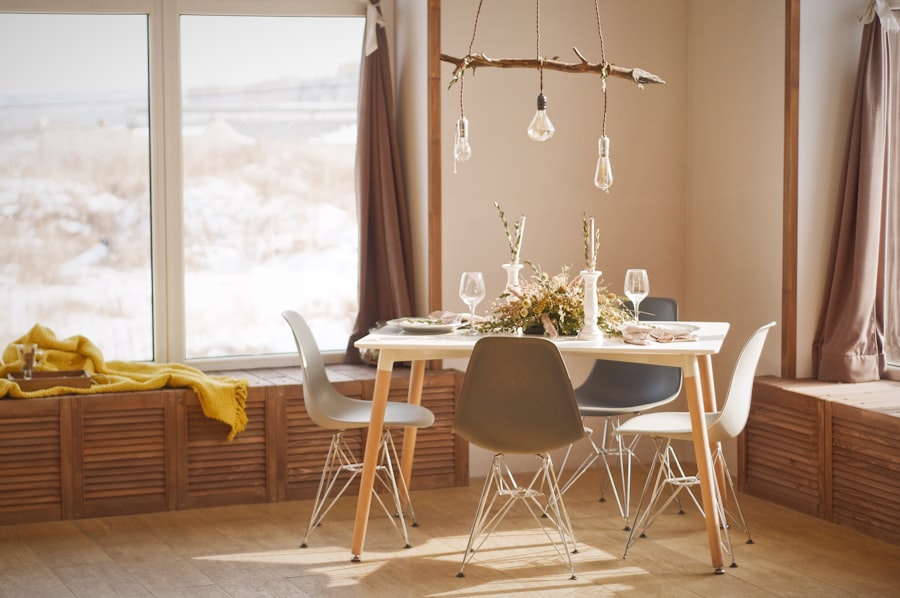
In recent years, there has been a significant shift towards sustainability in interior design, reflecting a growing awareness of environmental issues. As you consider your design choices, you may find yourself drawn to eco-friendly materials and practices that minimize your carbon footprint. This trend is not just about aesthetics; it’s about making conscious decisions that contribute to a healthier planet.
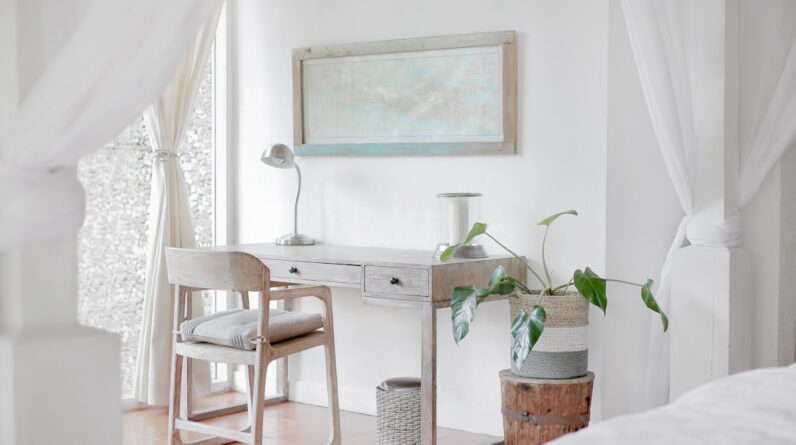
From reclaimed wood furniture to low-VOC paints, sustainable options are becoming increasingly accessible and appealing. Incorporating sustainable design elements into your home can also enhance your well-being. Natural materials often bring warmth and texture to a space, creating an inviting atmosphere that promotes relaxation.
Additionally, energy-efficient appliances and smart home technologies can help reduce utility costs while minimizing environmental impact. As you embrace these eco-friendly trends, you’ll discover that sustainable design is not only beneficial for the planet but also enriches your living experience.
Minimalism and Decluttering in Interior Design
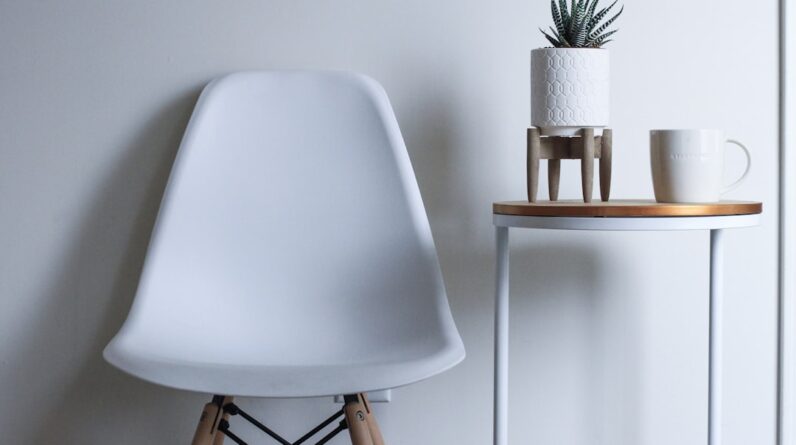
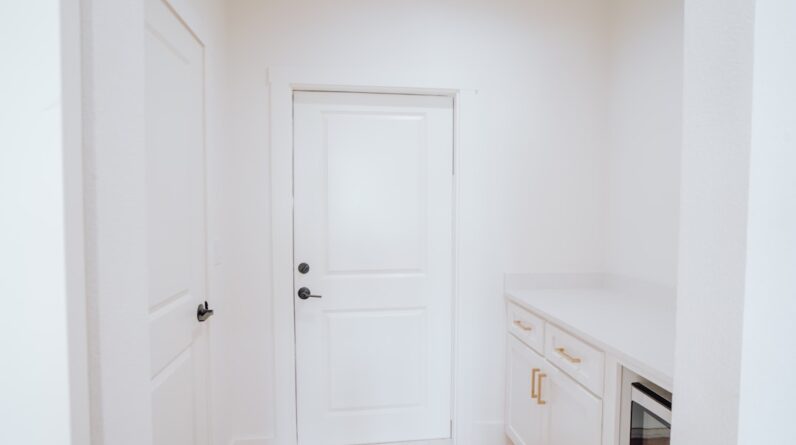
The minimalist movement has gained significant traction in contemporary interior design, encouraging you to embrace simplicity and functionality. In a world filled with distractions and excess, minimalism offers a refreshing approach that prioritizes quality over quantity. By decluttering your space and focusing on essential elements, you can create an environment that fosters clarity and peace of mind.
This philosophy extends beyond mere aesthetics; it’s about cultivating a lifestyle that values mindfulness and intentionality. As you embark on your minimalist journey, you may find that each item in your space serves a purpose or brings you joy. This intentional curation not only enhances the visual appeal of your home but also contributes to a sense of calm and order.
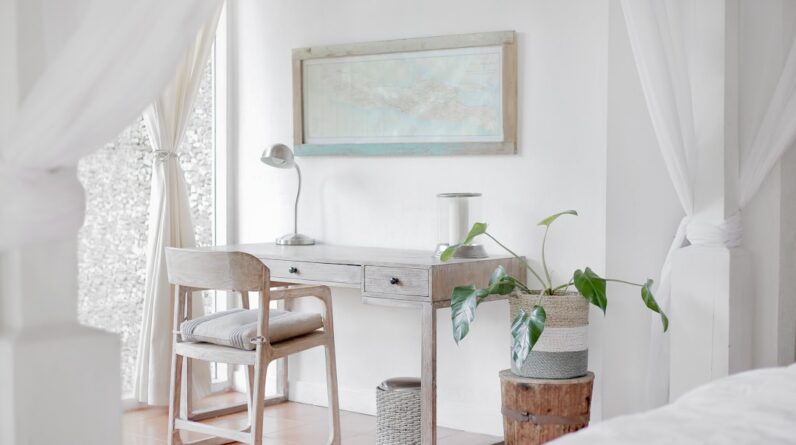
The use of neutral color palettes, clean lines, and open spaces further reinforces this aesthetic, allowing natural light to flow freely and creating an airy atmosphere. By adopting minimalist principles in your interior design, you can transform your home into a sanctuary that reflects your values and aspirations.
Integration of Smart Home Features
The integration of smart home features into contemporary interior design has become increasingly popular as technology continues to advance. You may find yourself captivated by the convenience and efficiency that smart devices bring to your daily life. From smart thermostats that optimize energy usage to automated window treatments that adjust based on sunlight, these innovations allow you to tailor your environment to suit your preferences effortlessly.
Moreover, smart home technology enhances security and connectivity within your living space. Imagine being able to monitor your home remotely or receive alerts when unusual activity is detected. This level of control not only provides peace of mind but also allows you to create a more responsive living environment.
As you explore the possibilities of smart home integration, you’ll discover that these features can seamlessly blend with your design aesthetic, creating a harmonious balance between technology and style.
Emphasis on Biophilic Design and Natural Elements
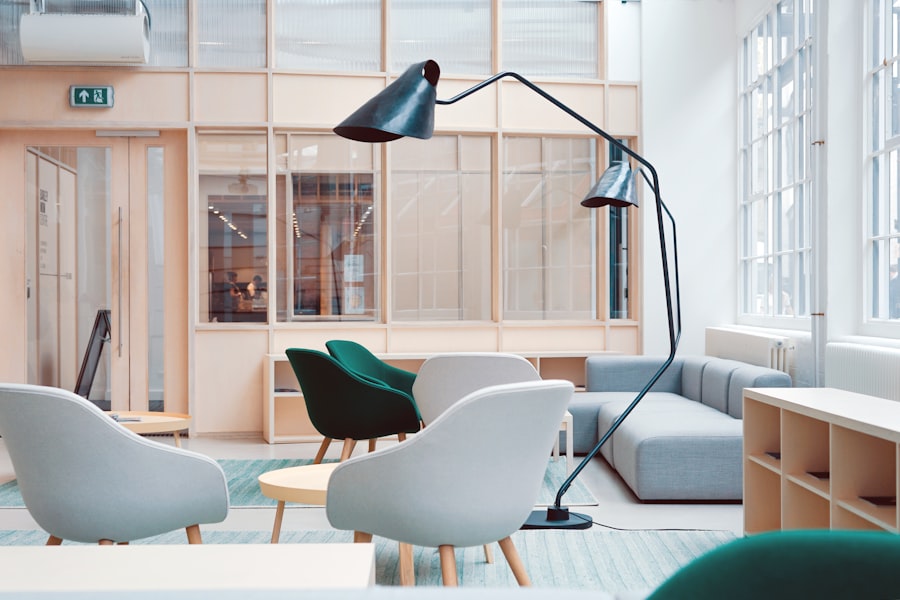
Biophilic design has emerged as a significant trend in contemporary interior design, emphasizing the connection between humans and nature. As you incorporate natural elements into your living spaces, you may notice a profound impact on your well-being. The use of organic materials, such as wood and stone, along with ample greenery can create an environment that promotes relaxation and rejuvenation.
This approach not only enhances the aesthetic appeal of your home but also fosters a sense of tranquility. Incorporating biophilic design principles can take many forms, from large windows that invite natural light to indoor gardens that bring the outdoors inside. You might consider using natural color palettes inspired by nature or selecting furnishings made from sustainable materials.
By embracing biophilic design, you create a space that nurtures both your physical and mental health while celebrating the beauty of the natural world.
Inclusion of Global and Cultural Influences in Design
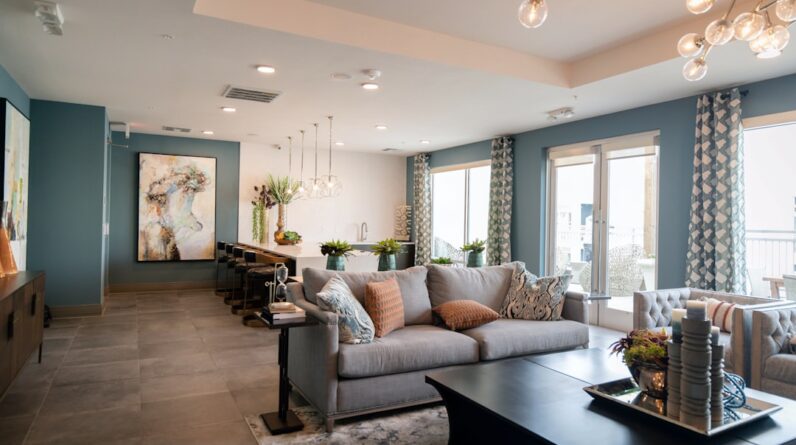
Contemporary interior design is increasingly characterized by its inclusivity of global and cultural influences. As you explore different styles from around the world, you may find inspiration in diverse traditions and aesthetics that resonate with your personal taste. This blending of cultural elements allows for a rich tapestry of design possibilities, enabling you to create spaces that reflect your unique identity.
Incorporating global influences can manifest in various ways, from selecting textiles with intricate patterns to showcasing art pieces from different cultures. You might choose to mix traditional craftsmanship with modern design elements, creating a harmonious balance between old and new. By embracing these diverse influences in your interior design, you not only celebrate cultural heritage but also create an environment that tells a story—your story.
The Rise of Personalized and Customized Design Solutions
In today’s world of interior design, personalization has become paramount. You are no longer limited to cookie-cutter solutions; instead, there is an emphasis on creating spaces that are tailored specifically to your needs and preferences. This shift towards customization allows you to express your individuality while ensuring that every element in your home serves a purpose or resonates with your personal style.
From bespoke furniture pieces to custom color schemes, the options for personalization are virtually limitless. You might choose to work with designers who understand your vision or explore DIY projects that allow for creative expression. As you delve into personalized design solutions, you’ll find that they not only enhance the aesthetic appeal of your space but also foster a deeper connection between you and your environment.
Ultimately, this focus on customization transforms interior design into a deeply personal journey—one that reflects who you are and how you wish to live. In conclusion, contemporary interior design in the 21st century is a multifaceted realm where technology meets sustainability, minimalism embraces personalization, and global influences enrich our living spaces. As you navigate this ever-evolving landscape, remember that the most important aspect is creating an environment that resonates with you—one that reflects your values, enhances your well-being, and tells your unique story.
FAQs
What is contemporary interior design?
Contemporary interior design refers to the current trends and styles in interior design that are popular at a given time. It often incorporates modern elements and focuses on clean lines, minimalism, and functionality.
How has contemporary interior design evolved in the 21st century?
In the 21st century, contemporary interior design has evolved to embrace sustainable and eco-friendly materials, open floor plans, and smart home technology. There is also a focus on incorporating natural light, neutral color palettes, and integrating indoor and outdoor spaces.
What are some key characteristics of contemporary interior design in the 21st century?
Key characteristics of contemporary interior design in the 21st century include minimalism, clean lines, open floor plans, sustainable materials, smart home technology, and a focus on natural light and outdoor integration.
How does contemporary interior design in the 21st century differ from previous eras?
Contemporary interior design in the 21st century differs from previous eras by placing a greater emphasis on sustainability, technology integration, and a more open and airy feel. It also tends to incorporate a more minimalist and streamlined aesthetic compared to previous eras.