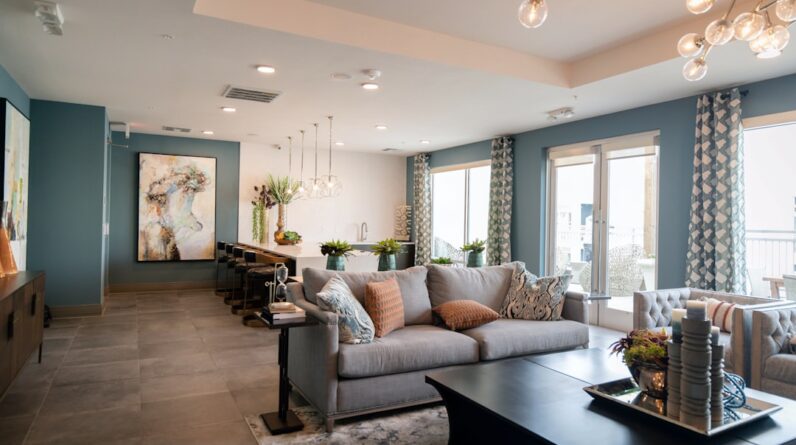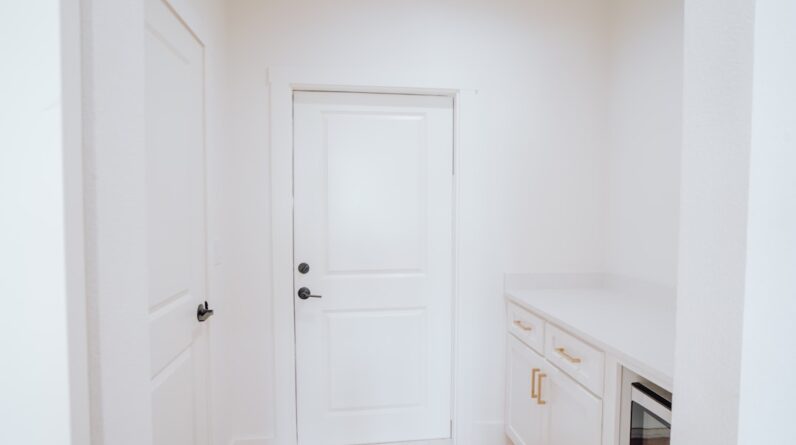
In recent years, open floor plans have surged in popularity, becoming a hallmark of contemporary design. This architectural trend emphasizes spaciousness and fluidity, allowing for a seamless transition between different areas of a home. You may have noticed that many new constructions and renovations favor this layout, which often combines the kitchen, dining, and living areas into one expansive space.
The appeal lies in the sense of freedom and flexibility that open floor plans provide, making them particularly attractive to modern homeowners who value both aesthetics and functionality. The rise of open floor plans can be attributed to several factors, including changing lifestyles and evolving social dynamics. As you navigate your daily life, you may find that the traditional compartmentalized rooms feel restrictive.
Open layouts encourage interaction and connectivity among family members and guests, fostering a sense of togetherness. This design approach reflects a shift towards more casual living, where cooking, dining, and entertaining can occur simultaneously without the barriers of closed-off rooms. As you embrace this trend, you may discover that it not only enhances your living experience but also aligns with contemporary values of openness and collaboration.
Key Takeaways
- Open floor plans have become increasingly popular in contemporary design, offering a sense of spaciousness and connectivity.
- Maximizing space and functionality is key in open floor plans, with the use of multifunctional furniture and smart storage solutions.
- Creating seamless spatial flow in contemporary design involves thoughtful placement of furniture and strategic use of architectural elements.
- Incorporating natural light and views is essential in open floor plans, enhancing the sense of openness and connection to the outdoors.
- Balancing privacy and connection is important in open floor plans, achieved through the use of room dividers, curtains, and thoughtful layout design.
Maximizing Space and Functionality in Open Floor Plans
One of the most significant advantages of open floor plans is their ability to maximize space and functionality. In a world where urban living often means smaller square footage, you may find that an open layout allows you to make the most of every inch. By eliminating unnecessary walls and barriers, you create a sense of spaciousness that can make even the smallest homes feel larger.
This design philosophy encourages you to think creatively about how to utilize your space effectively, whether through multi-functional furniture or strategic zoning. In an open floor plan, you have the opportunity to define different areas without the need for physical walls. You might consider using area rugs to delineate spaces or strategically placing furniture to create natural boundaries.
For instance, a sofa can serve as a divider between the living area and dining space while still maintaining an open feel. This flexibility allows you to adapt your environment to suit various activities, from hosting gatherings to enjoying quiet moments alone. As you explore these possibilities, you’ll likely find that an open floor plan not only enhances your home’s functionality but also encourages a more dynamic lifestyle.
Creating Seamless Spatial Flow in Contemporary Design
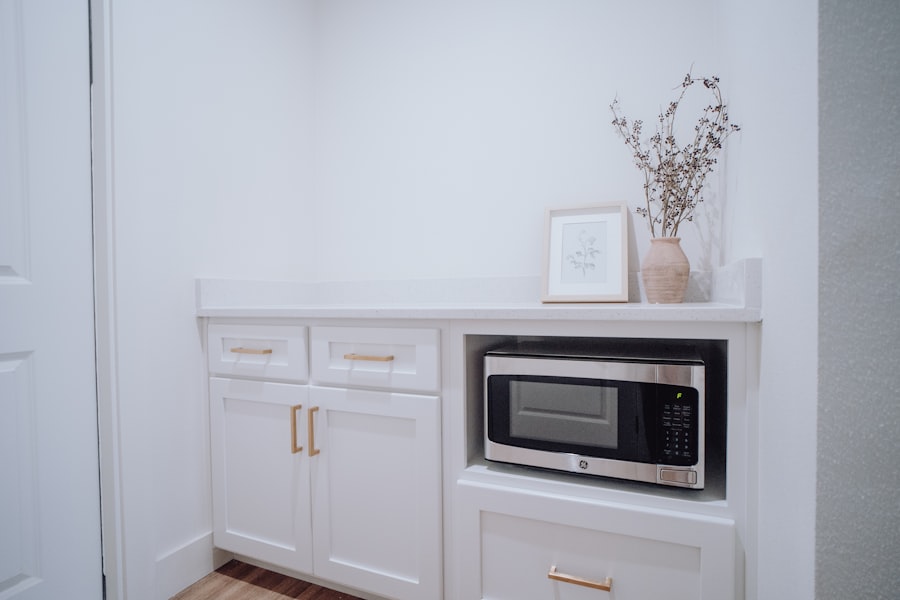
Creating seamless spatial flow is essential in contemporary design, particularly within open floor plans. You may have experienced the discomfort of navigating a home where rooms feel disjointed or cluttered. In contrast, an open layout promotes a harmonious flow that guides you effortlessly from one area to another.
This fluidity is achieved through thoughtful design choices, such as consistent flooring materials or complementary color palettes that visually connect different spaces. To enhance spatial flow in your home, consider how each area interacts with the others. You might choose to maintain a cohesive design theme throughout your open layout, ensuring that elements like furniture styles and decor choices complement one another.
Additionally, incorporating sightlines—strategically placing windows or openings that allow you to see through different areas—can create a sense of continuity. As you move through your space, you’ll appreciate how these design elements work together to create an inviting atmosphere that feels both expansive and connected.
Incorporating Natural Light and Views in Open Floor Plans
Natural light is a vital component of any well-designed space, and it plays an especially crucial role in open floor plans. You may have noticed how sunlight streaming through large windows can transform a room, making it feel warm and inviting. In an open layout, maximizing natural light not only enhances the aesthetic appeal but also contributes to your overall well-being.
Studies have shown that exposure to natural light can improve mood and productivity, making it essential to consider how light interacts with your space. When designing your open floor plan, think about how to incorporate windows and glass doors that invite the outdoors in. You might opt for expansive sliding doors that lead to a patio or deck, creating a seamless transition between indoor and outdoor living.
Additionally, consider using lighter colors for walls and furnishings to reflect light and create an airy atmosphere. By prioritizing natural light and views in your design, you’ll cultivate an environment that feels vibrant and alive, enriching your daily experiences within your home.
Balancing Privacy and Connection in Open Floor Plans
While open floor plans promote connection and interaction, they can also present challenges when it comes to privacy. You may find yourself grappling with the desire for openness while still needing personal space for relaxation or focused activities. Striking a balance between these two aspects is crucial for creating a harmonious living environment.
Fortunately, there are several strategies you can employ to maintain privacy without sacrificing the benefits of an open layout. One effective approach is to incorporate flexible partitions or screens that can be adjusted as needed. For example, you might use sliding panels or curtains to create temporary divisions when you require solitude or quiet time.
Additionally, consider designing specific zones within your open space that cater to different activities—such as a cozy reading nook or a dedicated workspace—while still allowing for visual connection with the rest of the home. By thoughtfully addressing privacy concerns, you can enjoy the best of both worlds: an inviting atmosphere that fosters connection while providing personal retreats when needed.
Furniture and Decor Strategies for Open Floor Plans
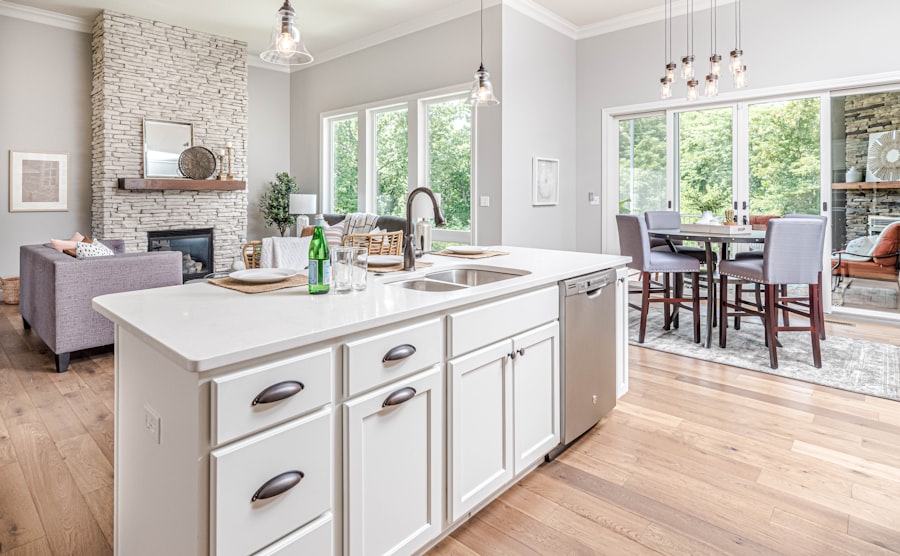
Selecting the right furniture and decor is essential for maximizing the potential of your open floor plan. You may find that traditional furniture arrangements don’t always translate well into these expansive spaces. Instead, consider investing in pieces that are versatile and adaptable to various functions.
For instance, modular sofas can be rearranged to suit different gatherings or activities, while nesting tables can provide additional surface area when needed without taking up too much space. When it comes to decor, think about how to create visual interest without overwhelming the space. You might choose statement pieces—such as bold artwork or unique lighting fixtures—that draw the eye while still maintaining a cohesive aesthetic throughout the open layout.
Additionally, layering textures through textiles like throw pillows or rugs can add depth and warmth to your environment. By carefully curating your furniture and decor choices, you’ll create an inviting atmosphere that reflects your personal style while enhancing the overall functionality of your open floor plan.
The Role of Technology in Enhancing Spatial Flow
In today’s digital age, technology plays a significant role in enhancing spatial flow within open floor plans. You may have noticed how smart home devices can streamline daily tasks and improve overall efficiency in your living space. From automated lighting systems that adjust based on natural light levels to integrated sound systems that allow for seamless entertainment throughout your home, technology can elevate your experience in an open layout.
Consider incorporating smart technology that complements your design rather than detracts from it. For example, wireless speakers can provide music throughout your open space without the clutter of visible wires or bulky equipment. Additionally, smart thermostats can help maintain comfortable temperatures across different areas of your home while optimizing energy efficiency.
By embracing technology thoughtfully, you can enhance the functionality of your open floor plan while maintaining its aesthetic appeal.
The Future of Open Floor Plans in Contemporary Design
As you look ahead to the future of contemporary design, it’s clear that open floor plans will continue to evolve alongside changing lifestyles and preferences. You may find that as more people prioritize flexibility and adaptability in their living spaces, the demand for innovative designs will grow. Architects and designers are likely to explore new ways to integrate sustainable materials and smart technology into open layouts, creating homes that are not only beautiful but also environmentally conscious.
Moreover, as remote work becomes increasingly common, you might see more emphasis on creating dedicated workspaces within open floor plans without sacrificing the overall sense of connection. This could lead to innovative solutions such as soundproofed areas or flexible workstations that blend seamlessly into the home environment. As you navigate these trends, you’ll likely discover that the future of open floor plans holds exciting possibilities for creating spaces that are both functional and reflective of your unique lifestyle needs.
In conclusion, embracing the rise of open floor plans offers numerous benefits for contemporary living. From maximizing space and functionality to incorporating natural light and technology, these designs foster a sense of connection while allowing for personal retreats when needed. As you explore these concepts in your own home or future projects, you’ll find that open floor plans not only enhance your living experience but also align with modern values of openness and adaptability.
FAQs
What is contemporary design?
Contemporary design refers to the style of the present moment. It is characterized by clean lines, minimalism, and a focus on open spaces and natural light.
What are open floor plans in contemporary design?
Open floor plans in contemporary design involve removing walls and barriers between different living spaces, such as the kitchen, dining area, and living room, to create a more open and fluid layout.
What is spatial flow in contemporary design?
Spatial flow in contemporary design refers to the seamless movement and connection between different areas within a space. It emphasizes the visual and physical continuity between rooms and encourages a sense of openness and flexibility.
What are the benefits of open floor plans and spatial flow in contemporary design?
Open floor plans and spatial flow in contemporary design can create a sense of spaciousness, improve natural light and ventilation, facilitate social interaction, and provide flexibility in how the space is used.