Art Deco, a design movement that emerged in the early 20th century, is characterized by its bold geometric shapes, vibrant colors, and luxurious materials. Originating in France before World War I, this style quickly spread across the globe, influencing architecture, fashion, and the decorative arts. You may find yourself captivated by the elegance and sophistication that Art Deco embodies, as it represents a fusion of modernity and traditional craftsmanship.
The movement reached its zenith during the 1920s and 1930s, a period marked by economic prosperity and cultural innovation, which allowed artists and designers to explore new ideas and techniques. As you delve deeper into the world of Art Deco, you will discover that it is not merely a style but a reflection of the societal changes of its time. The Roaring Twenties brought about a sense of liberation and optimism, which is evident in the exuberant designs of the era.
You might appreciate how Art Deco encapsulates the spirit of progress and modernity, celebrating advancements in technology and materials. From the iconic Chrysler Building in New York City to the glamorous interiors of ocean liners, Art Deco has left an indelible mark on the visual landscape of the 20th century.
Key Takeaways
- Art Deco is a design style that emerged in the 1920s and 1930s, characterized by bold geometric shapes, rich colors, and luxurious materials.
- Contemporary interiors often incorporate Art Deco elements such as sleek lines, mirrored surfaces, and glamorous accents to create a sense of luxury and sophistication.
- The Art Deco color palette includes bold and vibrant hues such as deep blues, rich greens, and striking golds, while patterns often feature geometric shapes and stylized motifs.
- Incorporating Art Deco furniture and accessories can add a touch of elegance to any space, with pieces like lacquered cabinets, velvet sofas, and decorative mirrors.
- Art Deco lighting and fixtures play a key role in creating a glamorous ambiance, with features like chandeliers, sconces, and sleek floor lamps adding a touch of opulence to the space.
Art Deco Elements in Contemporary Interiors
Creating a Cohesive Look
By thoughtfully selecting these elements, you can create a cohesive look that celebrates the timeless appeal of Art Deco while still feeling fresh and contemporary.
Art Deco Color Palette and Patterns
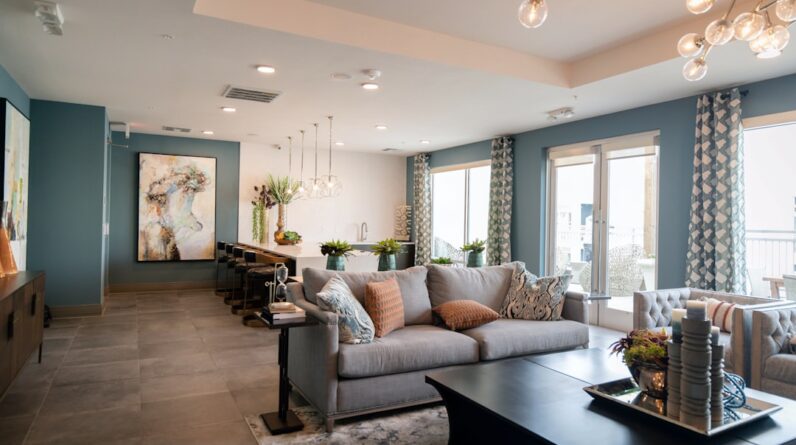
The color palette of Art Deco is one of its most distinctive features, characterized by rich hues and striking contrasts. You may find yourself drawn to the deep jewel tones—emerald greens, sapphire blues, and ruby reds—that were popular during this era. These colors can be used to create dramatic focal points in your home, whether through accent walls or statement furniture pieces.
Pairing these bold colors with metallics like gold or silver can elevate your space, adding a layer of sophistication that is quintessentially Art Deco. Patterns also play a crucial role in defining the Art Deco aesthetic. Geometric shapes, zigzags, and chevrons are commonly found in textiles, wallpapers, and decorative accents.
You might consider incorporating these patterns into your decor through area rugs or throw pillows that feature bold designs. By mixing and matching different patterns while maintaining a cohesive color scheme, you can achieve a dynamic yet harmonious look that pays tribute to the Art Deco movement.
Incorporating Art Deco Furniture and Accessories
When it comes to furnishing your space, selecting Art Deco-inspired pieces can significantly enhance the overall aesthetic. You might opt for furniture that showcases the characteristic curves and angles of this style—think of a sleek sideboard with mirrored surfaces or an elegant armchair with tapered legs. These pieces not only serve functional purposes but also act as statement items that draw attention and admiration.
In addition to larger furniture items, accessories play a vital role in completing your Art Deco-inspired interior. Consider incorporating decorative objects such as sculptures or vases that reflect the geometric motifs of the era. You could also display vintage finds or replicas that echo the craftsmanship of the time.
By carefully curating these accessories, you can create an environment that feels both luxurious and inviting, allowing you to enjoy the beauty of Art Deco in your everyday life.
Art Deco Lighting and Fixtures
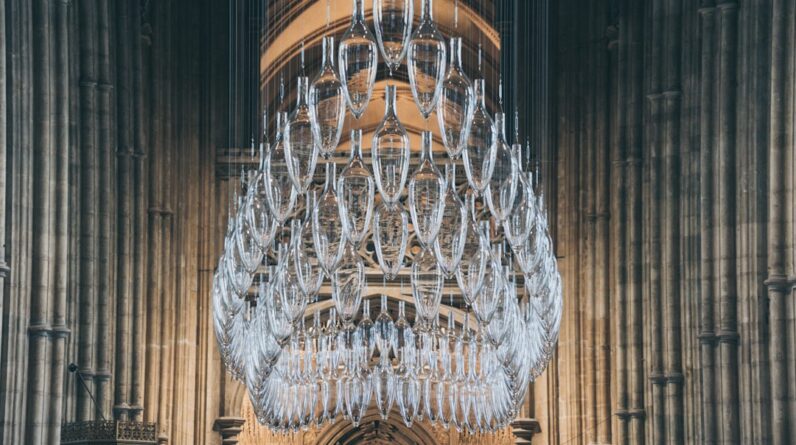
Lighting is an essential aspect of any interior design scheme, and in an Art Deco context, it takes on a unique significance. You may find yourself enchanted by the intricate designs of Art Deco lighting fixtures, which often feature bold geometric shapes and luxurious materials like glass and metal. A stunning chandelier with cascading crystals or a sleek floor lamp with angular lines can serve as both functional lighting and a captivating focal point in your room.
When selecting lighting for your space, consider how different fixtures can enhance the overall ambiance. You might choose sconces that echo the geometric patterns found in your decor or pendant lights that add a touch of drama above dining areas or kitchen islands. The interplay of light and shadow created by these fixtures can evoke the glamour associated with the Art Deco era while providing practical illumination for your home.
Art Deco Influence in Contemporary Architecture
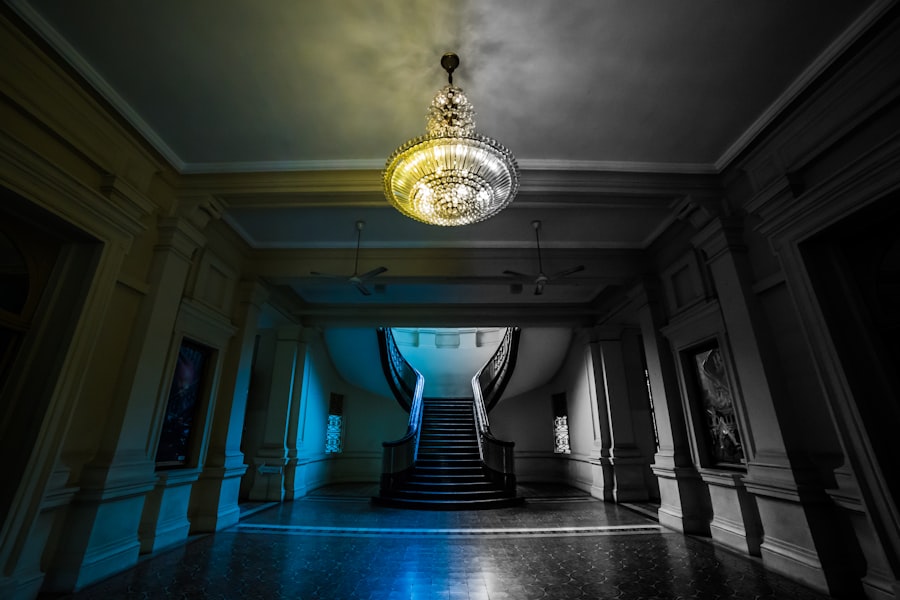
The influence of Art Deco extends beyond interiors; it has also made a significant impact on contemporary architecture. As you explore modern buildings, you may notice how architects draw inspiration from the bold lines and ornamental details characteristic of this style. Structures that incorporate Art Deco elements often feature streamlined forms and decorative motifs that pay homage to the past while embracing modern materials and techniques.
You might be particularly intrigued by how contemporary architects reinterpret traditional Art Deco designs to create innovative spaces. For instance, you could encounter buildings that blend glass facades with intricate metalwork, capturing the essence of Art Deco while pushing architectural boundaries. This fusion of old and new not only honors the legacy of the movement but also demonstrates its enduring relevance in today’s architectural landscape.
Art Deco in Commercial Interiors
Art Deco’s influence is not limited to residential spaces; it has also made its mark on commercial interiors. You may find yourself stepping into restaurants, hotels, or retail spaces that embrace this style through their design choices. The use of bold colors, geometric patterns, and luxurious materials creates an inviting atmosphere that draws customers in while providing a memorable experience.
In commercial settings, incorporating Art Deco elements can enhance brand identity and create a unique ambiance. For example, you might notice how a boutique uses Art Deco-inspired displays to showcase its products or how a hotel lobby features elegant furnishings that reflect the glamour of the era. By integrating these design elements into commercial interiors, businesses can evoke a sense of nostalgia while appealing to modern sensibilities.
The Timeless Appeal of Art Deco
As you reflect on the enduring allure of Art Deco, it becomes clear why this design movement continues to captivate people today. Its combination of elegance, sophistication, and boldness resonates across generations, making it a timeless choice for both interiors and architecture. Whether you are drawn to its rich color palette or its striking geometric patterns, there is no denying that Art Deco has left an indelible mark on our visual culture.
Incorporating Art Deco elements into your own spaces allows you to celebrate this iconic style while creating an environment that feels both luxurious and inviting. As you explore contemporary interpretations of Art Deco in furniture, lighting, and architecture, you will find endless possibilities for infusing your home or business with its timeless charm. Ultimately, embracing Art Deco is not just about aesthetics; it is about connecting with a rich history that continues to inspire creativity and innovation today.
FAQs
What is Art Deco?
Art Deco is a design style that originated in the 1920s and 1930s, characterized by bold geometric shapes, rich colors, and lavish ornamentation. It was influenced by various art movements and cultural influences, including Cubism, Bauhaus, and ancient Egyptian and Aztec art.
How does Art Deco influence contemporary interiors?
Art Deco continues to influence contemporary interiors through its use of geometric patterns, luxurious materials, and bold color schemes. Many interior designers incorporate Art Deco elements such as mirrored surfaces, sleek furniture, and metallic accents to create a sense of glamour and sophistication in modern spaces.
What are some key elements of Art Deco in contemporary interiors?
Key elements of Art Deco in contemporary interiors include geometric patterns, bold colors such as black, gold, and jewel tones, luxurious materials like marble and velvet, and streamlined furniture with sleek, angular lines. These elements help to create a sense of opulence and elegance in modern interior design.
How can I incorporate Art Deco into my own interior design?
You can incorporate Art Deco into your own interior design by using geometric patterns in wallpaper or textiles, incorporating luxurious materials like marble and brass, choosing furniture with sleek, angular lines, and using bold, rich colors such as black, navy, emerald green, and deep red. Additionally, adding decorative elements such as mirrored surfaces, lacquered finishes, and metallic accents can help to evoke the glamour of Art Deco in your space.