As you navigate the evolving landscape of contemporary design, it becomes increasingly clear that the pandemic has reshaped our understanding of work and home life. The shift to remote work has not only altered where you work but also how you perceive your workspace. In this new era, design is no longer just about aesthetics; it’s about creating environments that foster productivity, comfort, and well-being.
The home office has transformed from a mere afterthought into a vital component of your living space, reflecting your personal style while accommodating your professional needs. In this post-pandemic world, contemporary design embraces a holistic approach that prioritizes flexibility and adaptability. You may find that your home office is not just a place for work but also a sanctuary for creativity and focus.
As you explore various design elements, you will discover that the integration of technology, comfort, and sustainability plays a crucial role in shaping your ideal workspace. This article delves into the key aspects of contemporary design in home offices, offering insights and inspiration for creating a space that truly meets your needs.
Key Takeaways
- Contemporary design in a post-pandemic world emphasizes the need for functional and adaptable home office spaces.
- Flexibility and adaptability are key factors in designing work-from-home spaces to accommodate changing work dynamics and personal needs.
- Integration of technology is essential in home office design to support remote work and enhance productivity.
- Comfort and well-being take center stage in home office design, with ergonomic furniture and wellness-focused elements being prioritized.
- Maximizing space and storage solutions are crucial in home office design to create an organized and efficient work environment.
Flexibility and Adaptability in Work-from-home Spaces
In the realm of home office design, flexibility is paramount. You may have experienced the challenges of juggling work responsibilities with personal life, especially in a space that serves multiple functions. A well-designed home office should be adaptable, allowing you to transition seamlessly between tasks.
Consider incorporating furniture that can be easily rearranged or multifunctional pieces that serve more than one purpose. For instance, a desk that doubles as a dining table can help you maximize your space while providing the versatility you need. Moreover, the layout of your workspace should encourage movement and change.
You might find that standing desks or adjustable chairs allow you to shift positions throughout the day, promoting better posture and reducing fatigue. By creating an environment that adapts to your workflow, you empower yourself to stay focused and engaged. The key is to design a space that reflects your unique working style while accommodating the inevitable changes that come with remote work.
Integration of Technology in Home Office Design
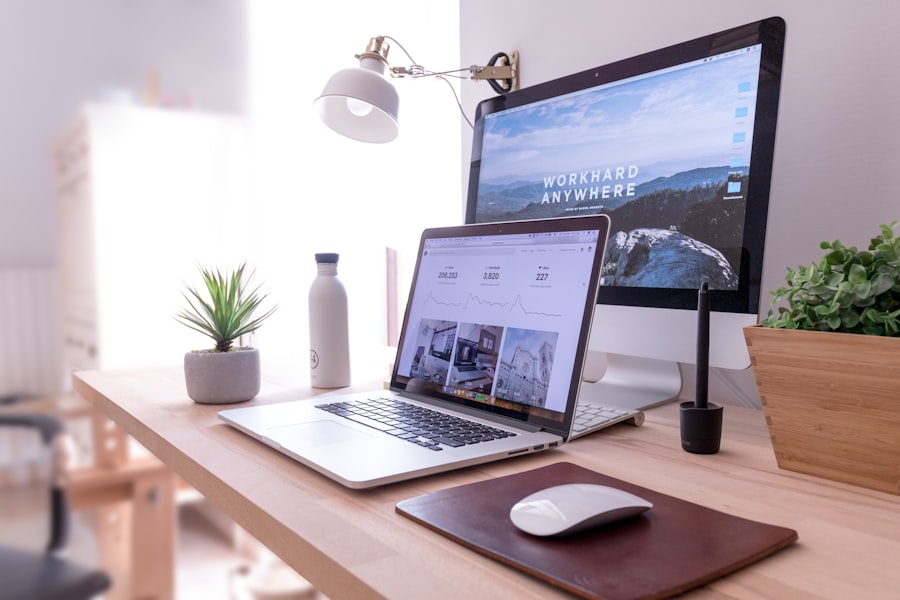
As technology continues to advance at a rapid pace, its integration into home office design has become essential. You likely rely on various devices to stay connected and productive, making it crucial to create a workspace that supports these technologies. Consider investing in ergonomic accessories such as keyboard trays or monitor stands to enhance your comfort while working.
Additionally, ensuring that your workspace is equipped with adequate power outlets and charging stations can help you stay organized and efficient. Smart technology also plays a significant role in contemporary home office design. You may find that incorporating smart lighting systems or voice-activated assistants can streamline your daily tasks and enhance your overall experience.
By embracing these technological advancements, you create an environment that not only meets your professional needs but also elevates your daily routine. The goal is to design a space where technology seamlessly integrates into your workflow, allowing you to focus on what truly matters.
Emphasis on Comfort and Well-being in Home Office Design
In today’s fast-paced world, prioritizing comfort and well-being in your home office is more important than ever. You may have noticed that the lines between work and personal life have blurred, making it essential to create a space that promotes relaxation and mental clarity. Start by selecting ergonomic furniture that supports your body during long hours of work.
A comfortable chair and desk setup can significantly impact your productivity and overall well-being. Beyond furniture, consider incorporating elements that enhance your mental health. Soft textiles, calming colors, and personal touches can transform your workspace into a haven of tranquility.
You might also explore the benefits of incorporating mindfulness practices into your daily routine, such as taking short breaks for stretching or meditation. By designing a space that prioritizes comfort and well-being, you empower yourself to thrive in both your professional and personal life.
Maximizing Space and Storage in Home Office Design
In many homes, space is at a premium, making it essential to maximize every square foot of your home office. You may find that clever storage solutions can help you keep your workspace organized and clutter-free. Consider utilizing vertical storage options such as shelves or wall-mounted organizers to free up valuable floor space.
This not only enhances the functionality of your office but also contributes to a more visually appealing environment. Additionally, think about incorporating hidden storage solutions within your furniture. Desks with built-in drawers or ottomans that double as storage can help you maintain an organized workspace without sacrificing style.
As you design your home office, remember that maximizing space is not just about functionality; it’s also about creating an environment where you feel inspired and focused. A well-organized space can significantly enhance your productivity and overall satisfaction with your work-from-home experience.
Incorporating Nature and Biophilic Design in Home Office Spaces
Nurturing Mood and Productivity
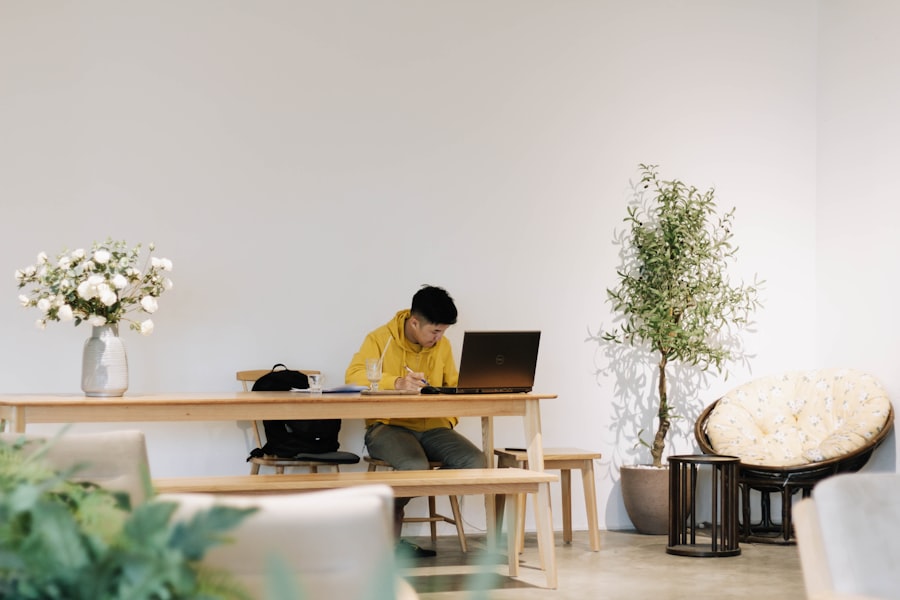
The concept of biophilic design emphasizes the connection between humans and nature, which can be particularly beneficial in a home office setting. You may find that incorporating natural elements into your workspace can enhance your mood and productivity. Consider adding plants or natural materials such as wood or stone to create a calming atmosphere.
The Power of Natural Light
Not only do plants improve air quality, but they also bring a sense of tranquility to your environment. Furthermore, maximizing natural light is essential for creating an inviting workspace. Positioning your desk near windows or using sheer curtains can help you take advantage of sunlight while reducing glare on screens.
Immersing Yourself in Nature
You might also explore outdoor workspaces if possible, allowing you to immerse yourself in nature while working. By integrating biophilic design principles into your home office, you create a harmonious environment that nurtures both creativity and well-being.
Sustainable and Eco-friendly Design Solutions for Home Offices
As awareness of environmental issues grows, many individuals are seeking sustainable and eco-friendly design solutions for their home offices. You may want to consider using materials sourced from renewable resources or opting for furniture made from recycled materials. By choosing eco-friendly products, you contribute to a healthier planet while creating a stylish workspace.
Additionally, energy-efficient lighting and appliances can significantly reduce your carbon footprint while enhancing the functionality of your home office. You might explore options such as LED lighting or energy-efficient monitors to minimize energy consumption without sacrificing performance. By prioritizing sustainability in your home office design, you not only create a space that reflects your values but also inspire others to consider eco-friendly practices in their own lives.
The Future of Work-from-home Spaces in Contemporary Design
As you reflect on the evolution of home office design in this post-pandemic world, it becomes evident that the future holds exciting possibilities. The emphasis on flexibility, technology integration, comfort, and sustainability will continue to shape how you approach your workspace. Your home office is no longer just a place to work; it’s an extension of who you are—a reflection of your values, lifestyle, and aspirations.
In this ever-changing landscape, embracing contemporary design principles will empower you to create a workspace that meets your unique needs while fostering productivity and well-being. As you embark on this journey of designing or redesigning your home office, remember that the ultimate goal is to cultivate an environment where you can thrive both personally and professionally. The future of work-from-home spaces is bright, filled with opportunities for innovation and creativity as you redefine what it means to work from home.
FAQs
What is contemporary design?
Contemporary design refers to the current trends and styles in interior and product design. It often incorporates modern materials, clean lines, and minimalistic aesthetics.
How has the pandemic changed the way people work?
The pandemic has led to a significant increase in remote work, with many people now working from home instead of traditional office spaces.
What are the changing needs of work-from-home spaces in a post-pandemic world?
In a post-pandemic world, work-from-home spaces need to be more functional, comfortable, and adaptable to accommodate the diverse needs of remote workers.
How does contemporary design respond to these changing needs?
Contemporary design responds to the changing needs of work-from-home spaces by incorporating flexible furniture, ergonomic solutions, and technology integration to create efficient and comfortable home office environments.
What are some key elements of contemporary design for work-from-home spaces?
Key elements of contemporary design for work-from-home spaces include multifunctional furniture, natural light integration, organization solutions, and the use of sustainable materials.
How does contemporary design prioritize the well-being of remote workers?
Contemporary design prioritizes the well-being of remote workers by creating ergonomic workstations, incorporating biophilic design elements, and promoting a sense of balance and tranquility in home office environments.