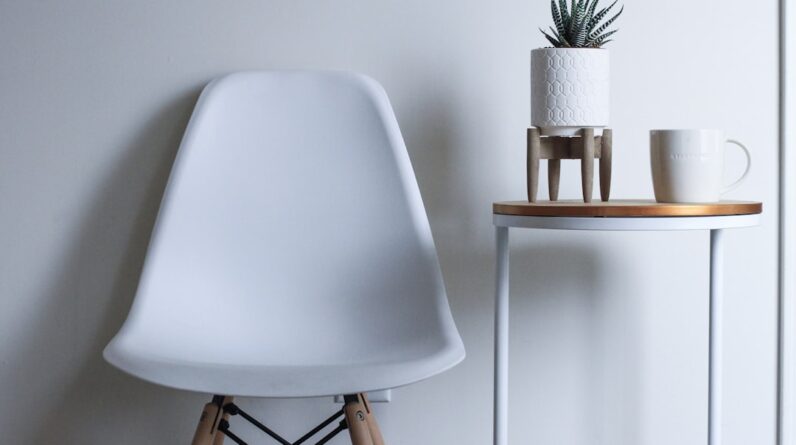
Contemporary interior design is a dynamic and ever-evolving field that reflects the current trends and lifestyles of society. As you step into the world of contemporary design, you will find that it is characterized by clean lines, open spaces, and a focus on functionality. This design philosophy embraces minimalism while also allowing for personal expression through the careful selection of colors, materials, and furnishings.
The essence of contemporary design lies in its ability to adapt to the needs of modern living, making it a popular choice for homeowners and designers alike. In today’s fast-paced world, where urban living often means limited space, contemporary interior design has become increasingly relevant. You may notice that many contemporary spaces prioritize versatility and efficiency, allowing you to make the most of every square foot.
This adaptability is particularly important as lifestyles change and evolve, requiring homes to serve multiple purposes. By understanding the principles of contemporary design, you can create spaces that are not only aesthetically pleasing but also functional and conducive to your daily life.
Key Takeaways
- Contemporary interior design focuses on creating functional and aesthetically pleasing spaces that reflect modern living.
- Multifunctional spaces are essential in modern living as they maximize the use of limited space and accommodate diverse activities.
- The principles of contemporary interior design for multifunctional spaces include flexibility, minimalism, and the use of versatile furniture and storage solutions.
- Innovative furniture and storage solutions such as modular furniture and built-in storage help optimize space and enhance the functionality of multifunctional spaces.
- Incorporating technology, maximizing natural light and airflow, and using color and texture are key elements in creating successful contemporary interior design for multifunctional spaces.
The Importance of Multifunctional Spaces in Modern Living
As you navigate through the complexities of modern living, the significance of multifunctional spaces becomes increasingly apparent. In an era where urbanization has led to smaller living areas, the ability to transform a single room into multiple functional zones is essential. Multifunctional spaces allow you to maximize your living area, providing you with the flexibility to adapt your environment according to your needs.
Whether it’s a home office that doubles as a guest room or a living area that transforms into a dining space, these versatile designs cater to your lifestyle. Moreover, multifunctional spaces promote a sense of community and togetherness. When you create an environment that serves various purposes, you encourage interaction among family members and friends.
You may find that a well-designed multifunctional space fosters collaboration and creativity, as it allows for different activities to occur simultaneously. This adaptability not only enhances your living experience but also reflects the evolving nature of how we live, work, and socialize in today’s world.
Principles of Contemporary Interior Design for Multifunctional Spaces

To effectively design multifunctional spaces within a contemporary framework, it is crucial to adhere to certain principles that guide your choices. One of the primary tenets is the concept of open floor plans. By eliminating unnecessary walls and barriers, you can create a seamless flow between different areas of your home.
This openness not only enhances the visual appeal but also allows for greater flexibility in how you use each space. You might find that an open layout encourages more natural interactions and makes your home feel larger than it actually is. Another important principle is the use of adaptable furniture.
As you select pieces for your multifunctional space, consider items that can serve multiple purposes. For instance, a sofa bed can provide seating during the day and transform into a comfortable sleeping area at night. Similarly, nesting tables can be easily rearranged to accommodate gatherings or tucked away when not in use.
By choosing furniture that adapts to your needs, you can create a space that evolves with you, ensuring that it remains functional and stylish over time.
Innovative Furniture and Storage Solutions for Multifunctional Spaces
In the realm of contemporary interior design, innovative furniture and storage solutions play a pivotal role in maximizing the potential of multifunctional spaces. As you explore various options, consider furniture that incorporates hidden storage or transforms into different configurations. For example, ottomans with built-in storage can serve as both seating and a place to stow away blankets or magazines.
Similarly, wall-mounted desks can be folded away when not in use, freeing up valuable floor space. Additionally, modular furniture systems have gained popularity for their versatility. These systems allow you to customize your layout according to your specific needs.
You might opt for modular sofas that can be rearranged into different shapes or shelving units that can be expanded or contracted based on your storage requirements. By investing in innovative furniture solutions, you can create a multifunctional space that is not only practical but also visually appealing.
Incorporating Technology into Multifunctional Spaces
As technology continues to advance at a rapid pace, integrating smart solutions into your multifunctional spaces has become essential. You may find that incorporating technology enhances both convenience and efficiency in your daily life. For instance, smart lighting systems allow you to adjust the ambiance of a room with just a touch of a button or voice command.
This adaptability enables you to create different atmospheres for work, relaxation, or entertaining guests. Moreover, consider integrating smart home devices that streamline your daily routines. From automated thermostats to voice-activated assistants, these technologies can help you manage your home more effectively.
You might also explore wireless charging stations or built-in speakers that blend seamlessly into your design while providing functionality. By embracing technology in your multifunctional spaces, you can create an environment that is not only modern but also tailored to your lifestyle.
Maximizing Natural Light and Airflow in Multifunctional Spaces
Maximizing Natural Light
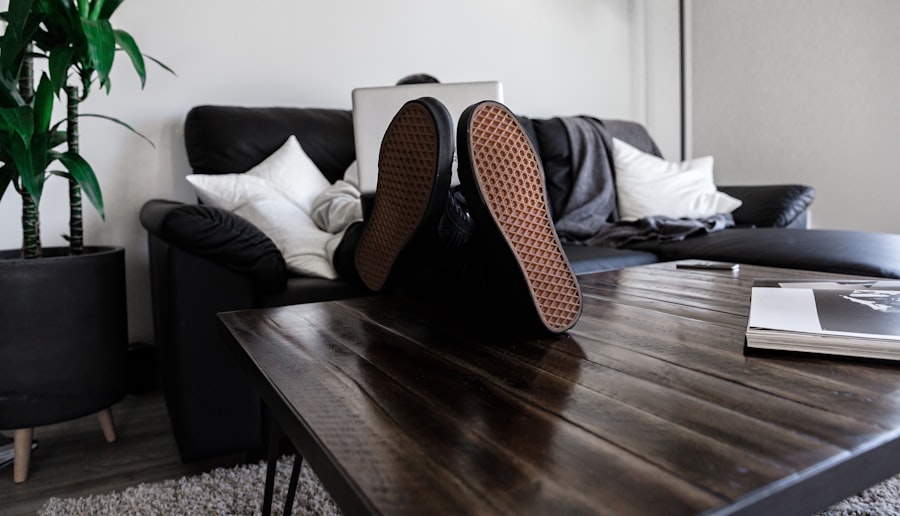
As you design your multifunctional spaces, consider how to maximize natural light to create an inviting atmosphere. Large windows and open layouts can help flood your space with natural light, making it feel more expansive and uplifting. You may also want to incorporate reflective surfaces such as mirrors or glass accents to enhance the brightness of your rooms.
Optimizing Airflow
In addition to light, airflow is crucial for maintaining a comfortable environment. You might explore options such as strategically placed ceiling fans or operable windows that allow for cross-ventilation. By ensuring that your multifunctional space is well-ventilated, you create a healthier living environment while also enhancing comfort levels throughout the year.
The Benefits of Combining Natural Light and Airflow
The combination of natural light and airflow not only elevates the aesthetic appeal but also contributes to your overall well-being. By incorporating these elements into your multifunctional space, you can create a more inviting, comfortable, and healthy living environment.
Using Color and Texture to Define Different Areas within a Multifunctional Space
Color and texture are powerful tools in contemporary interior design that can help delineate different areas within a multifunctional space. As you choose your color palette, consider using varying shades or complementary colors to visually separate distinct zones while maintaining cohesion throughout the room. For example, you might opt for warm tones in your living area while using cooler hues in your workspace.
This subtle differentiation can help create an organized flow while still allowing for personal expression. Texture also plays a significant role in defining areas within multifunctional spaces. You may choose to incorporate different materials such as wood, metal, or fabric to create visual interest and tactile variety.
A plush area rug can define a cozy seating area, while sleek surfaces can enhance a more functional workspace. By thoughtfully combining color and texture, you can create an engaging environment that feels both cohesive and dynamic.
Case Studies: Successful Examples of Contemporary Interior Design for Multifunctional Spaces
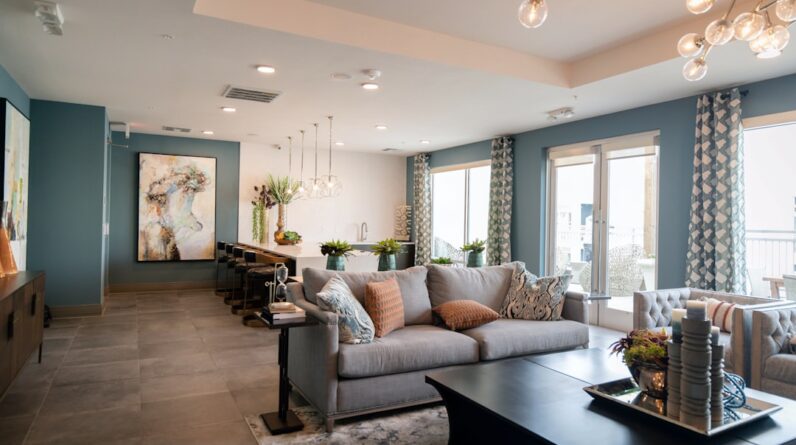
To truly appreciate the impact of contemporary interior design on multifunctional spaces, examining successful case studies can provide valuable insights. One notable example is a small urban apartment designed with an open floor plan that seamlessly integrates the living room, kitchen, and dining area. The use of modular furniture allowed for easy reconfiguration based on the homeowner’s needs—transforming from an intimate dinner setting to a lively gathering space with minimal effort.
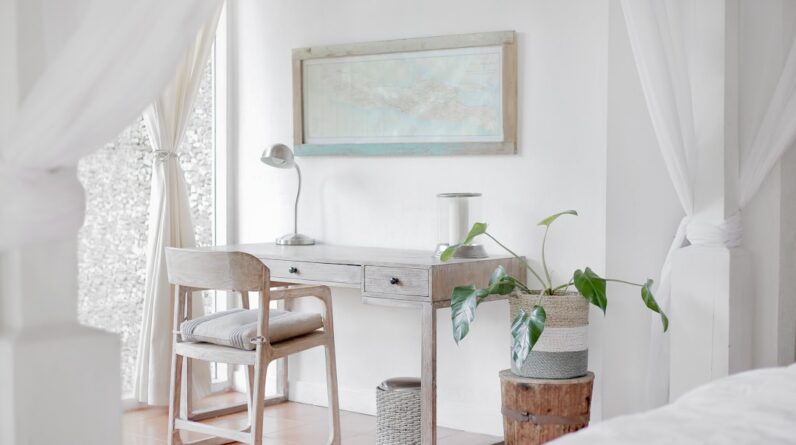
Another inspiring case study features a home office that doubles as a guest room. By incorporating a Murphy bed and built-in shelving units, the designer created a functional workspace that could easily transition into a comfortable sleeping area when needed. The use of light colors and natural materials further enhanced the sense of openness while maintaining a warm and inviting atmosphere.
These examples illustrate how contemporary interior design principles can be effectively applied to create multifunctional spaces that cater to modern living demands. By drawing inspiration from successful designs, you can embark on your journey toward creating spaces that are not only beautiful but also practical and adaptable to your lifestyle needs.
FAQs
What is contemporary interior design?
Contemporary interior design refers to the current trends and styles in interior design. It often incorporates modern elements, clean lines, and a focus on functionality and simplicity.
What are multifunctional spaces in interior design?
Multifunctional spaces in interior design are areas within a home or building that serve more than one purpose. For example, a living room that also functions as a home office or a guest room that doubles as a playroom.
How does contemporary interior design incorporate multifunctional spaces?
Contemporary interior design often incorporates multifunctional spaces by utilizing flexible furniture, clever storage solutions, and adaptable layouts. This allows for spaces to serve multiple purposes without feeling cluttered or cramped.
What are some key elements of contemporary interior design for multifunctional spaces?
Key elements of contemporary interior design for multifunctional spaces include open floor plans, minimalistic furniture, neutral color palettes, and the use of natural light. Additionally, the integration of technology and sustainable materials is often emphasized.
What are the benefits of contemporary interior design for multifunctional spaces?
Contemporary interior design for multifunctional spaces offers the benefit of maximizing the use of space, promoting efficiency, and creating a versatile and adaptable environment. It also allows for a more streamlined and organized living or working area.