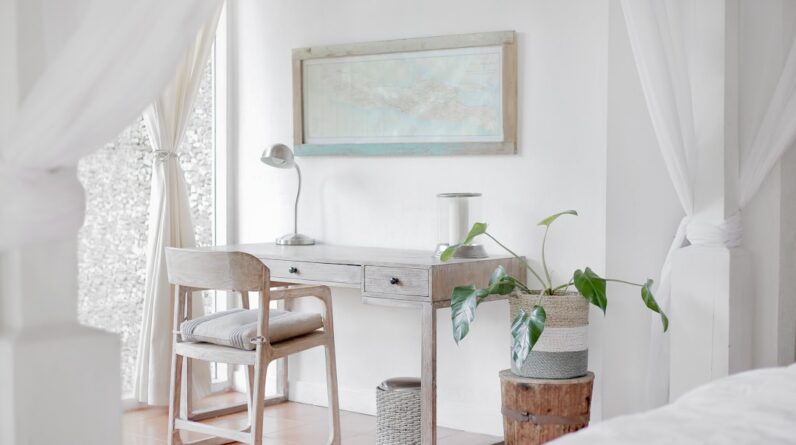
Cultural heritage plays a pivotal role in shaping the identity of spaces, influencing how you perceive and interact with your environment. It encompasses the traditions, customs, and historical narratives that have been passed down through generations, and these elements can significantly enhance the aesthetic and emotional appeal of interior design. When you incorporate cultural heritage into your living or working spaces, you create a narrative that resonates with your personal history and the collective memory of your community.
This connection fosters a sense of belonging and pride, making your space not just a physical location but a reflection of who you are and where you come from. Moreover, cultural heritage in interior design serves as a bridge between the past and the present. It allows you to honor the craftsmanship and artistry of previous generations while adapting these elements to contemporary needs.
By integrating traditional motifs, materials, and techniques into modern design, you can create a harmonious blend that respects history while embracing innovation. This approach not only enriches your space but also educates others about the significance of cultural heritage, promoting appreciation and understanding across diverse communities.
Key Takeaways
- Cultural heritage plays a crucial role in interior design by adding depth, meaning, and authenticity to spaces.
- Traditional elements can be seamlessly integrated into modern design to create a unique and timeless aesthetic.
- Preserving historical architecture and design is essential for maintaining a connection to the past and honoring cultural heritage.
- Cultural heritage influences color and texture choices in design, reflecting the rich history and traditions of a particular culture.
- Celebrating diversity in interior design allows for the incorporation of various cultural influences, creating inclusive and dynamic spaces.
Incorporating Traditional Elements into Modern Design
Incorporating traditional elements into modern design is an art that requires a delicate balance. You might find that using traditional patterns, textiles, or furniture can add depth and character to a contemporary space. For instance, consider using handwoven rugs or artisanal ceramics that reflect the craftsmanship of your cultural background.
These pieces can serve as focal points in your design, drawing attention and sparking conversations about their origins and significance. By thoughtfully selecting these elements, you can create a space that feels both timeless and relevant. Another effective way to blend traditional and modern design is through color schemes and layouts.
You can choose a neutral palette for your walls and furnishings while introducing vibrant traditional textiles or artwork as accents. This approach allows you to maintain a clean, modern aesthetic while still celebrating your heritage. Additionally, consider the layout of your space; traditional designs often emphasize communal living and gathering areas.
By incorporating open spaces that encourage interaction, you can create an inviting atmosphere that honors the values of togetherness found in many cultures.
Preserving Historical Architecture and Design

Preserving historical architecture is crucial for maintaining the cultural fabric of communities. As you walk through neighborhoods filled with historic buildings, you may feel a sense of nostalgia and connection to the past. These structures tell stories of previous generations, reflecting the architectural styles and materials that were prevalent during their time.
When you advocate for the preservation of these buildings, you are not only protecting history but also ensuring that future generations can appreciate the artistry and craftsmanship that went into their creation. Incorporating preservation efforts into interior design can also enhance your living or working environment. You might choose to restore original features such as moldings, fireplaces, or flooring instead of opting for modern replacements.
This commitment to authenticity can create a unique atmosphere that celebrates the building’s history while providing a sense of continuity. Furthermore, by preserving historical architecture, you contribute to sustainable practices by reducing waste and minimizing the need for new materials, thus promoting environmental responsibility in design.
The Influence of Cultural Heritage on Color and Texture in Design
Color and texture are powerful tools in interior design, capable of evoking emotions and setting the mood of a space. Your cultural heritage can significantly influence your choices in these areas, as different cultures have unique associations with colors and textures. For example, warm earth tones may be prevalent in designs inspired by Mediterranean cultures, while vibrant jewel tones might reflect South Asian influences.
By understanding these connections, you can create a space that resonates with your identity and evokes feelings of comfort and familiarity. Texture also plays a vital role in conveying cultural heritage within interior design. You might choose to incorporate materials such as woven textiles, handcrafted pottery, or natural wood finishes that reflect traditional craftsmanship.
These textures not only add visual interest but also create a tactile experience that engages the senses. By thoughtfully selecting colors and textures rooted in your cultural background, you can create an environment that feels rich and layered, inviting exploration and appreciation.
Celebrating Diversity in Interior Design
Celebrating diversity in interior design is essential for creating inclusive spaces that reflect the richness of human experience. As you explore various design styles from around the world, you may find inspiration in the unique ways different cultures express themselves through their interiors. By embracing this diversity, you can create spaces that honor multiple perspectives and foster a sense of belonging for everyone who enters.
Incorporating diverse design elements can also challenge stereotypes and promote understanding among different cultures. You might choose to blend African textiles with Scandinavian minimalism or combine Japanese simplicity with Latin American vibrancy. This fusion not only creates visually stunning interiors but also tells a story about the interconnectedness of cultures.
By celebrating diversity in your design choices, you contribute to a broader narrative that values inclusivity and encourages dialogue among different communities.
Balancing Tradition and Innovation in Interior Design

Finding the right balance between tradition and innovation is crucial for creating spaces that feel both relevant and timeless. As you navigate this delicate interplay, consider how traditional elements can inform modern design principles without overshadowing them. For instance, you might draw inspiration from traditional architectural forms while incorporating contemporary materials or technologies to enhance functionality.
One effective strategy is to focus on sustainability as a guiding principle in your design process. By integrating traditional building techniques with modern eco-friendly materials, you can create spaces that honor heritage while addressing contemporary environmental challenges. This approach not only respects the past but also paves the way for future innovations in design.
As you explore this balance, remember that both tradition and innovation have valuable lessons to offer; embracing both can lead to truly transformative spaces.
Showcasing Cultural Heritage Through Art and Decor
Art and decor are powerful mediums for showcasing cultural heritage within interior design. As you curate your space, consider incorporating artwork that reflects your cultural background or resonates with your personal experiences. This could include paintings, sculptures, or textiles created by local artisans or family members who have passed down their skills through generations.
By displaying these pieces prominently in your home or office, you create an opportunity for storytelling and connection. Additionally, decorative elements such as pottery, masks, or handcrafted furniture can serve as conversation starters while celebrating your heritage. You might choose to arrange these items in a way that highlights their significance or creates a cohesive narrative throughout your space.
By thoughtfully selecting art and decor that reflects your cultural identity, you not only enhance the visual appeal of your environment but also foster a deeper understanding of your heritage among those who visit.
The Role of Cultural Heritage in Sustainable Design Practices
Cultural heritage plays an essential role in promoting sustainable design practices by encouraging the use of local materials, traditional craftsmanship, and environmentally friendly techniques. As you explore sustainable options for your interior spaces, consider how traditional practices can inform modern approaches to sustainability. For example, many indigenous cultures have long utilized natural materials sourced from their surroundings, creating structures that harmonize with the environment.
By embracing these time-tested methods, you can reduce your ecological footprint while honoring cultural traditions. You might opt for reclaimed wood furniture or locally sourced textiles that support artisans within your community. This not only contributes to sustainability but also strengthens local economies and preserves traditional skills that may be at risk of fading away.
In this way, cultural heritage becomes an integral part of sustainable design practices, fostering a deeper connection between people, their environments, and their histories. In conclusion, cultural heritage is an invaluable asset in interior design that enriches spaces with meaning and identity. By incorporating traditional elements into modern designs, preserving historical architecture, celebrating diversity, balancing tradition with innovation, showcasing art and decor, and embracing sustainable practices rooted in cultural heritage, you can create environments that resonate deeply with both personal narratives and collective histories.
As you embark on your design journey, remember that every choice you make has the potential to honor the past while shaping a more inclusive future.
FAQs
What is interior design cultural heritage?
Interior design cultural heritage refers to the preservation and incorporation of traditional design elements, materials, and techniques from various cultures into contemporary interior design practices. It aims to honor and celebrate the history, customs, and craftsmanship of different cultures through the design of interior spaces.
Why is interior design cultural heritage important?
Interior design cultural heritage is important as it helps to preserve and promote the unique traditions, aesthetics, and craftsmanship of different cultures. It also fosters a sense of cultural appreciation, diversity, and inclusivity within the design industry, and contributes to the creation of meaningful and authentic interior spaces.
How is interior design cultural heritage incorporated into modern design?
Interior design cultural heritage is incorporated into modern design through the use of traditional materials, patterns, colors, and motifs, as well as the integration of artisanal craftsmanship and techniques from different cultures. Designers may also draw inspiration from historical architectural styles and spatial layouts to create contemporary interiors that pay homage to cultural heritage.
What are some examples of interior design cultural heritage in practice?
Examples of interior design cultural heritage in practice include the use of handcrafted textiles and ceramics from specific regions, the incorporation of traditional architectural elements such as arches or courtyards, and the adaptation of indigenous design motifs and symbols into interior decor and furnishings. Additionally, the restoration and adaptive reuse of historic buildings and interiors also contribute to the preservation of cultural heritage in design.
How does interior design cultural heritage contribute to sustainable design practices?
Interior design cultural heritage contributes to sustainable design practices by promoting the use of locally-sourced and natural materials, as well as traditional building techniques that have stood the test of time. By valuing and preserving cultural heritage, designers can reduce the environmental impact of their projects and support the longevity of traditional crafts and skills within communities.