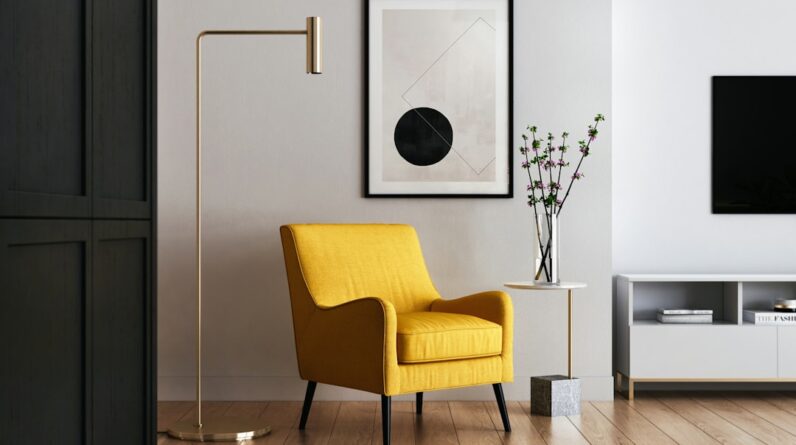
You stand at the threshold of Auburn Hills in McKinney, Texas, a community that has become a significant hub for modern living. As you contemplate your new space, or perhaps a refresh of your current one, the concept of “interior styling” emerges not as mere decoration, but as a strategic approach to defining the very essence of your home. Modern interior styling, in this context, is an architectural dialogue with your lifestyle, a deliberate orchestration of form and function that speaks to your aspirations and daily realities. It’s about cultivating an environment that is as much a sanctuary as it is a canvas for your life.
When you speak of modern interior styling in Auburn Hills, you’re engaging with a design philosophy that prioritizes clean lines, functionality, and a restrained aesthetic. Unlike more ornate styles of the past, modern design acts like a clear, uncluttered mind – it strips away unnecessary complexity to reveal the beauty of essential elements. This approach draws heavily from mid-century modern principles, Bauhaus influences, and contemporary interpretations that continue to evolve.
The Pillars of Modern Design
At its core, modern interior styling is built upon several foundational tenets. You’ll find that these principles are not rigid rules but guiding lights that help you navigate the choices you make for your home.
Minimalism as a Guiding Principle
Minimalism in modern styling isn’t about sparsity for its own sake; it’s about deliberate intentionality. Think of it as a curated wardrobe – each item serves a purpose, and the overall effect is sophisticated and effortless. In your Auburn Hills home, this translates to a preference for uncluttered surfaces, furniture with clean silhouettes, and a strategic use of negative space. You are not aiming for an empty room, but rather a room where every element has a reason for being there, contributing to the overall harmony and visual calm.
Emphasis on Functionality
A hallmark of modern design is its unwavering commitment to functionality. Form follows function; the shape and design of an object are dictated by its intended use. This means that in your modern interior, every piece of furniture, every lighting fixture, and every decorative item is considered for its practical purpose. A sofa might have integrated storage, a coffee table could be designed for optimal reach from seating areas, and lighting will be layered to serve different needs, from ambient glow to task-specific illumination. Your home should work for you, not the other way around.
Clean Lines and Geometric Forms
You’ll observe a distinct preference for straight lines, sharp angles, and pure geometric shapes in modern interiors. This is a departure from the curves and flourishes of more traditional styles. These clean lines create a sense of order and precision, contributing to the overall streamlined appearance of the space. Think of the sharp edges of a well-tailored suit – they convey a sense of refinement and purpose. In your home, this translates to furniture with simple, unfussy profiles, architectural elements that are clearly defined, and decorative accents that often echo geometric patterns.
Open Concept Living
Modern homes, especially those in planned communities like Auburn Hills, often embrace open-concept living. This architectural choice blurs the lines between living, dining, and kitchen areas, fostering a sense of spaciousness and connectivity. Your interior styling will likely complement this by using furniture placement, area rugs, and strategic lighting to define zones within the open space without imposing physical barriers. It’s about creating a flow that encourages interaction and a feeling of expansiveness, allowing natural light to permeate deep into the residence.
Materiality and Texture in Modern Interiors
The selection of materials and the interplay of textures are crucial in modern interior styling. They provide warmth, depth, and tactile interest, preventing the clean aesthetic from feeling sterile. You’ll find that this aspect of design is where you can inject personality and create a truly inviting atmosphere.
Strategic Material Choices
When you’re envisioning your modern home in Auburn Hills, the materials you choose will speak volumes about its character. They are the building blocks of your aesthetic, and their selection requires careful consideration.
Natural Materials
Modern design often embraces the inherent beauty of natural materials. Wood, in its various forms – from warm, polished hardwoods to rough, reclaimed timber – brings organic warmth to a space. Stone, whether in sleek granite countertops or textured slate flooring, adds a sense of permanence and natural elegance. You’ll also find the inclusion of natural fibers like linen, wool, and cotton in upholstery, rugs, and drapery, adding a subtle layer of comfort and sophistication. These materials act as an anchor, grounding the often-sleek lines of modern design with an earthy resonance.
Industrial Elements
The influence of industrial design can be seen in the incorporation of materials like concrete, metal (often in matte black or brushed finishes), and exposed brick. These elements can add a touch of raw sophistication and urban edge to your Auburn Hills home. Think of a sleek concrete accent wall, metal shelving units, or cast iron light fixtures. These materials, when juxtaposed with softer elements, create a dynamic tension that is characteristic of contemporary modern styling. They are the subtle, yet impactful, details that elevate a space.
Glass and Metal
The use of glass, in everything from expansive windows to sleek tabletops and decorative elements, is central to modern design. It allows natural light to flood the space, enhancing the sense of openness and airiness. Metals, particularly those with brushed or matte finishes, offer a refined accent. Stainless steel, brushed nickel, and dark bronze can be found in hardware, lighting fixtures, and even furniture frames, adding a touch of polished sophistication without being overly ostentatious. They are the accents that catch the light and add a subtle gleam.
The Art of Texture
While clean lines and streamlined forms are paramount, texture is what prevents a modern space from feeling flat or cold. It’s the unseen narrative, the tactile whisper that adds depth and inviting warmth.
Layering Textiles
You can achieve significant visual interest through the strategic layering of textiles. Think of a plush rug over a smooth hardwood floor, the combination of a linen sofa with velvet throw pillows, or the interplay of sheer curtains with heavier drapes. These layers create a sense of depth and comfort, transforming a potentially minimalist space into a cozy haven. Each textile contributes its own voice to the overall symphony of the room.
Textured Surfaces
Beyond textiles, consider incorporating textured surfaces. This could include a concrete accent wall, a panel of fluted wood, or a bookcase with a subtly textured finish. These elements add visual intrigue and a tactile dimension that encourages interaction with the space. They are the subtle nuances that invite a lingering touch.
Smooth vs. Rough Finishes
The contrast between smooth and rough finishes is a powerful tool in modern interior styling. A highly polished stone countertop juxtaposed with a rough-hewn wooden dining table, or a smooth concrete floor paired with a textured woven rug, creates a compelling visual and tactile dialogue. This interplay prevents monotony and adds a dynamic quality to the design.
Color Palettes and Lighting Design
The thoughtful application of color and the strategic deployment of lighting are essential for defining the mood and enhancing the functionality of your modern Auburn Hills home. These elements are the brushstrokes and the illumination that bring your interior styling to life.
Curated Color Schemes
Modern color palettes tend to be restrained and sophisticated, often serving to enhance the architectural elements and the chosen materials.
Neutral Foundations
Neutral colors – whites, grays, beiges, and off-whites – form the backbone of most modern interior styling. They create a sense of calm, spaciousness, and allow other design elements to take center stage. Think of them as the blank canvas upon which you will paint your masterpiece. This does not mean boring; it means versatile and timeless.
Accent Colors
While neutrals form the foundation, carefully chosen accent colors inject personality and focal points into the space. These can be bold hues like deep blues, emerald greens, or warm terracotta, used sparingly through artwork, decorative accessories, or a single piece of statement furniture. They are the vibrant notes in a otherwise harmonious melody.
Monochromatic Schemes
You might also explore monochromatic schemes, using variations of a single color to create a sophisticated and cohesive look. This approach can be incredibly impactful, creating a sense of uninterrupted flow and visual tranquility. It’s like experiencing a piece of music composed in a single key, yet full of subtle variations and dynamic shifts.
The Power of Light
Lighting in modern interiors is not an afterthought; it is an integral part of the design, influencing mood, perception of space, and functionality.
Layered Lighting Strategies
Effective modern lighting design employs multiple layers: ambient, task, and accent lighting. Ambient lighting provides overall illumination, task lighting focuses on specific activities like reading or cooking, and accent lighting highlights architectural features or artwork. This layered approach ensures that your home is well-lit for every occasion and mood. It’s akin to having a symphony orchestra where each section plays its part to create a rich overall sound.
Statement Fixtures
Modern lighting fixtures can serve as sculptural elements in themselves. You’ll find designs that are minimalist and functional, as well as more dramatic pieces that act as focal points. Consider linear pendants over a dining table, sculptural floor lamps in a living area, or strategically placed recessed lighting to wash walls with light. These fixtures are not just functional; they are design statements.
Natural Light Maximization
The design of modern homes often prioritizes the maximization of natural light. Large windows, skylights, and open floor plans all contribute to this. Your styling choices will then build upon this natural illumination, using lighter colors and reflective surfaces to further enhance the sense of brightness and airiness. This natural light is the lifeblood of any well-designed modern space.
Furniture Selection and Space Planning
The selection of furniture and the intelligent planning of your living spaces are the cornerstones of successful modern interior styling in Auburn Hills. It’s where functionality meets aesthetic in a harmonious dance.
Strategic Furniture Choices
When you consider furnishings for your modern home, think of each piece as a considered element within a larger composition.
Function-Driven Design
As mentioned earlier, functionality is paramount. You will prioritize furniture that serves a purpose beyond mere aesthetics. This might include modular sofas that can be reconfigured, coffee tables with hidden storage, or dining chairs that are both comfortable and visually appealing. Each piece must earn its place in your home.
Scale and Proportion
The scale and proportion of your furniture are critical in modern design. Oversized pieces can overwhelm a space, while too-small items can feel lost. You’ll aim for pieces that are appropriately sized for the room, allowing for comfortable circulation and a sense of balance. It’s about finding the perfect fit, like a perfectly tailored outfit.
Low-Profile Furniture
You’ll often see a preference for low-profile furniture in modern interiors. This includes sofas, chairs, and tables that are closer to the ground. This design choice enhances the sense of spaciousness and can make ceilings appear higher, contributing to the overall airy feel of the home.
Effective Space Planning
The arrangement of your furniture and the flow of your rooms are as important as the individual pieces themselves.
Creating Zones
In open-concept living areas, effective space planning involves creating distinct zones for different activities. This can be achieved through the placement of furniture, the use of area rugs, and strategic lighting. You want to define areas for lounging, dining, and working without visually breaking up the space.
Circulation Paths
You must ensure clear and unobstructed circulation paths throughout your home. Furniture placement should never impede movement. Imagine your home as a well-trodden path; it should be easy to navigate from one area to another without encountering obstacles.
Multi-Functional Pieces
To maximize the utility of your space, consider incorporating multi-functional furniture. Ottomans that double as storage or coffee tables, sofa beds that can accommodate guests, or expandable dining tables offer versatility and help you make the most of your square footage. These are the design solutions that offer more than meets the eye.
Decorative Accents and Personalization
| Metric | Details |
|---|---|
| Location | Auburn Hills, Mckinney |
| Style | Modern Home Interior Styling |
| Average Project Duration | 4-6 weeks |
| Popular Color Schemes | Neutral tones, Grays, Whites, Earthy accents |
| Common Materials Used | Wood, Metal, Glass, Natural Fabrics |
| Average Room Size | 200-350 sq ft |
| Client Satisfaction Rate | 92% |
| Number of Completed Projects (2023) | 45 |
| Key Features | Open floor plans, Minimalist furniture, Smart lighting |
While modern interior styling emphasizes restraint, it does not preclude personal expression. Decorative accents and thoughtful personalization are what transform a well-designed space into a truly lived-in and unique home.
The Art of Accessorizing
Accessorizing in a modern context is about choosing pieces that complement the overall aesthetic and add layers of interest without creating clutter.
Statement Art
Large-scale artwork can serve as a powerful focal point in a modern room. Abstract pieces, minimalist photography, or graphic prints can add color, dimension, and personality. It’s about choosing pieces that resonate with you and make a statement.
Sculptural Objects
Consider incorporating sculptural objects that offer visual interest and tactile appeal. These could be ceramic vases with unique shapes, metal abstract forms, or intricately carved wooden pieces. They are the objets d’art that add a touch of curated elegance.
Greenery
Introducing plants into your modern interior is a wonderful way to add life, color, and a sense of tranquility. Choose plants with interesting leaf shapes and place them in sleek, modern planters that complement your existing decor. They are nature’s own artwork, bringing vibrant energy indoors.
Infusing Your Personality
Ultimately, your Auburn Hills home should reflect your personality and lifestyle.
Curated Collections
Displaying curated collections – whether it’s books, pottery, or travel souvenirs – can add a personal touch to your modern aesthetic. The key is to display them thoughtfully and intentionally, ensuring they enhance rather than overwhelm the space. It’s about showing your story, not just filling shelves.
Meaningful Objects
Surround yourself with objects that hold meaning for you. These are the pieces that tell your story and make your house feel like a home. Whether it’s a family heirloom, a gift from a loved one, or a memento from a special trip, these items imbue your space with personal significance.
A Balance of Form and Function
In modern interior styling, the ultimate goal in Auburn Hills is to achieve a harmonious balance between form and function, between aesthetics and everyday living. Your home should be a beautiful and comfortable sanctuary that supports your lifestyle and brings you joy. It’s about creating a space that is not only visually appealing but also deeply functional and authentically yours.
FAQs
What are the key features of modern home interior styling?
Modern home interior styling typically includes clean lines, minimalistic design, neutral color palettes, and the use of natural materials such as wood and metal. It emphasizes functionality, open spaces, and often incorporates smart home technology.
How can I incorporate modern interior design in my Auburn Hills or McKinney home?
To incorporate modern interior design in your Auburn Hills or McKinney home, focus on decluttering spaces, choosing sleek furniture with simple shapes, using neutral or monochromatic colors, and adding contemporary lighting fixtures. Local design stores and professionals can also provide region-specific ideas and materials.
What types of furniture are best suited for modern home interiors?
Furniture best suited for modern interiors includes pieces with clean lines, smooth surfaces, and minimal ornamentation. Materials like glass, metal, and light-colored wood are common. Modular and multifunctional furniture is also popular for maximizing space and utility.
Are there any popular color schemes used in modern interior styling?
Yes, popular color schemes in modern interior styling often include neutral tones such as white, gray, beige, and black. These are sometimes accented with bold colors like navy blue, emerald green, or mustard yellow to add visual interest without overwhelming the space.
Can modern interior styling be combined with other design styles?
Absolutely. Modern interior styling can be blended with other design styles such as industrial, Scandinavian, or mid-century modern to create a personalized and unique look. The key is to maintain balance and cohesion by carefully selecting complementary elements from each style.