When you step outside into your yard or patio, you are greeted by a canvas of possibilities. Understanding the space you have is the first step in transforming it into an inviting outdoor oasis. Take a moment to assess the dimensions, layout, and existing features of your outdoor area.
Is it a sprawling garden, a cozy balcony, or a spacious deck? Each type of space presents unique opportunities and challenges. By recognizing the characteristics of your outdoor environment, you can make informed decisions that enhance its natural beauty and functionality.
Consider the orientation of your space as well. Does it receive ample sunlight throughout the day, or is it shaded by trees or buildings? The amount of sunlight can significantly influence your design choices, from the types of plants you select to the materials you use for furniture.
Additionally, think about how you intend to use the space. Will it be a tranquil retreat for relaxation, a lively area for entertaining guests, or perhaps a combination of both? By understanding the nuances of your outdoor space, you can create a harmonious design that caters to your lifestyle and preferences.
Key Takeaways
- Understanding the space is crucial for creating a functional and aesthetically pleasing outdoor area.
- Choosing the right furniture is essential for comfort and style, considering the space available and the intended use.
- Incorporating lighting can enhance the ambiance and extend the usability of the outdoor space into the evening.
- Utilizing natural elements such as plants, water features, and natural materials can create a calming and inviting atmosphere.
- Creating a focal point, such as a fireplace, sculpture, or outdoor kitchen, can anchor the design and draw attention to specific areas.
- Considering weather resistance when selecting materials and furniture is important for maintaining the outdoor space in various conditions.
- Adding comfortable accents like outdoor rugs, throw pillows, and blankets can make the space inviting and cozy.
- Blending indoor and outdoor design elements can create a seamless transition and enhance the overall aesthetic of the outdoor space.
Choosing the Right Furniture
Selecting the right furniture is crucial in establishing the mood and functionality of your outdoor area. You want pieces that not only complement your style but also withstand the elements. Start by considering the materials available to you.
Options like teak, aluminum, and synthetic wicker are popular for their durability and resistance to weather conditions. When choosing furniture, think about how many people you typically entertain and what activities you envision taking place. A large dining table may be perfect for hosting summer barbecues, while a few lounge chairs might suffice for quiet evenings under the stars.
Comfort should also be a top priority when selecting outdoor furniture. You want to create an inviting atmosphere where you and your guests can relax and enjoy each other’s company. Look for cushions that are both stylish and weather-resistant, ensuring they can withstand rain and sun without fading or deteriorating.
Additionally, consider modular furniture that can be rearranged to suit different occasions. This flexibility allows you to adapt your space for intimate gatherings or larger parties, making it a versatile addition to your outdoor design.
Incorporating Lighting

Lighting plays a pivotal role in setting the ambiance of your outdoor space. As the sun sets, the right lighting can transform your yard or patio into a magical retreat. Start by assessing the areas that require illumination.
Pathways, seating areas, and dining spaces should be well-lit to ensure safety and comfort. String lights are a popular choice for adding a whimsical touch; they can be draped across trees or along fences to create a warm glow that invites relaxation. In addition to ambient lighting, consider incorporating task lighting for specific activities.
For instance, if you plan to cook outdoors, installing bright lights near your grill or outdoor kitchen will enhance functionality. Solar-powered lights are another excellent option; they are eco-friendly and require minimal maintenance while providing soft illumination throughout the night. By thoughtfully incorporating various lighting elements, you can create an enchanting atmosphere that extends the usability of your outdoor space long after sunset.
Utilizing Natural Elements
Bringing natural elements into your outdoor design can create a seamless connection between your living space and the environment around you. Start by incorporating plants that thrive in your climate; they not only add color and texture but also contribute to a sense of tranquility. Consider creating layered plantings with varying heights and types to add depth and interest.
Flowering plants can provide bursts of color, while evergreens offer year-round greenery. In addition to plants, think about incorporating natural materials into your design. Stone pathways, wooden decks, or gravel patios can enhance the organic feel of your space.
Water features like fountains or small ponds can also introduce soothing sounds that promote relaxation. By utilizing these natural elements, you create an outdoor sanctuary that feels harmonious with its surroundings, allowing you to escape from the hustle and bustle of daily life.
Creating a Focal Point
Every well-designed outdoor space benefits from a focal point that draws the eye and anchors the design. This could be anything from a stunning piece of art to a beautifully crafted fire pit or an elegant water feature. When choosing a focal point, consider what resonates with you personally and what will enhance the overall aesthetic of your space.
A large sculpture can serve as a conversation starter, while a fire pit creates warmth and invites gatherings. Positioning your focal point strategically is essential for maximizing its impact. It should be easily visible from various angles within your outdoor area, encouraging exploration and engagement with the space.
Surrounding this focal point with complementary elements—such as seating arrangements or plantings—can further enhance its prominence while creating a cohesive design. By thoughtfully incorporating a focal point into your outdoor space, you establish a sense of purpose and direction that elevates the overall experience.
Considering Weather Resistance
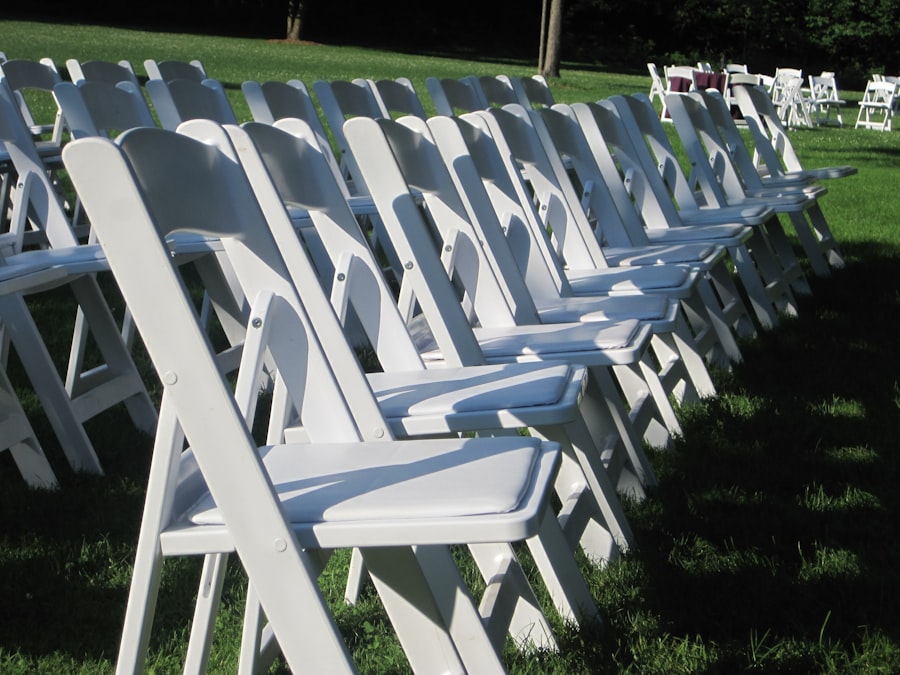
Choosing Durable Materials
Start by selecting materials that are known for their durability against weather conditions. For instance, stainless steel and powder-coated aluminum are excellent choices for furniture frames due to their resistance to rust and corrosion.
Protecting Your Outdoor Space
Think about how you can protect your outdoor space from extreme weather events. Installing awnings or pergolas can provide shade during hot summer days while also offering shelter during unexpected rain showers.
Preparing for Harsh Winters
If you live in an area prone to harsh winters, consider using removable covers for furniture or investing in storage solutions that keep items safe when not in use. By prioritizing weather resistance in your design choices, you ensure that your outdoor space remains beautiful and functional year-round.
Adding Comfortable Accents
To truly make your outdoor space inviting, adding comfortable accents is essential. These elements not only enhance aesthetics but also improve functionality and comfort for you and your guests. Start with textiles—outdoor rugs can define spaces while adding warmth underfoot.
Look for rugs made from durable materials that can withstand moisture and fading from sunlight. Cushions and throws are another way to introduce comfort into your design. Opt for weather-resistant fabrics that maintain their color and integrity despite exposure to the elements.
Layering different textures and patterns can create visual interest while inviting relaxation. Additionally, consider incorporating soft seating options like hammocks or bean bags for casual lounging. By thoughtfully adding these comfortable accents, you create an outdoor environment that feels like an extension of your home—a place where you can unwind and enjoy nature.
Blending Indoor and Outdoor Design
The final touch in creating an inviting outdoor space is blending indoor and outdoor design elements seamlessly. This approach fosters continuity between your home’s interior and exterior spaces, making them feel interconnected rather than separate entities. Start by choosing color palettes that reflect those used indoors; this creates harmony throughout your home’s design.
Incorporate similar materials as well—if your living room features wooden accents or stone elements, consider using those same materials in your outdoor furniture or decor. This not only enhances visual appeal but also reinforces a cohesive aesthetic throughout your home. Additionally, consider using large sliding doors or windows that open up to your outdoor area; this invites natural light into your home while creating an effortless transition between spaces.
By thoughtfully blending indoor and outdoor design elements, you create an inviting atmosphere that encourages relaxation and enjoyment in both areas. Your outdoor space becomes an extension of your living environment—a place where you can entertain guests or simply unwind after a long day while feeling connected to nature and the comforts of home.
FAQs
What are the key design principles for creating a contemporary outdoor dining area?
The key design principles for creating a contemporary outdoor dining area include considering the layout and flow of the space, choosing durable and weather-resistant materials, incorporating comfortable seating, and adding lighting and shade for ambiance and functionality.
How can I make my outdoor dining area stylish and functional?
To make your outdoor dining area stylish and functional, consider incorporating modern and sleek furniture, adding pops of color and texture with accessories and textiles, and including elements such as a fire pit or outdoor kitchen for added functionality.
What are some tips for choosing furniture for a contemporary outdoor dining area?
When choosing furniture for a contemporary outdoor dining area, opt for pieces that are both stylish and durable, such as weather-resistant materials like teak or aluminum, and consider the scale and proportion of the furniture to ensure it fits the space comfortably.
What role does lighting play in creating a stylish and functional outdoor dining area?
Lighting plays a crucial role in creating a stylish and functional outdoor dining area by providing ambiance and visibility after dark. Consider incorporating a mix of overhead lighting, such as pendant lights or string lights, as well as task lighting for specific areas like the dining table.
How can I create a sense of privacy and intimacy in my outdoor dining area?
To create a sense of privacy and intimacy in your outdoor dining area, consider adding elements such as a pergola, trellis, or outdoor curtains to define the space and provide a sense of enclosure. Additionally, incorporating greenery and landscaping can help create a more secluded atmosphere.