The living room serves as the heart of a home, a space where families gather, friends converse, and memories are forged. As such, its design is paramount, reflecting not only personal style but also functionality and comfort. The myriad of living room design ideas available today can be overwhelming, yet they offer a unique opportunity to express individuality and create an inviting atmosphere.
From the choice of color palettes to the selection of furniture and decor, every element plays a crucial role in establishing the overall ambiance. Whether one prefers a cozy nook for relaxation or a vibrant space for entertaining, understanding various design styles can help in crafting a living room that resonates with one’s lifestyle and aesthetic preferences. In recent years, the trend towards personalized spaces has gained momentum, with homeowners increasingly seeking to infuse their living rooms with character and warmth.
This evolution in design philosophy encourages the exploration of diverse styles, each with its own distinct features and charm. From minimalist aesthetics that emphasize simplicity to bohemian designs that celebrate eclecticism, the options are as varied as the individuals who inhabit these spaces. By delving into different design concepts, one can discover how to harmonize functionality with beauty, ensuring that the living room is not only visually appealing but also a true reflection of the inhabitants’ tastes and needs.
Key Takeaways
- Minimalist living room design focuses on simplicity, clean lines, and a clutter-free space.
- Bohemian living room design embraces a mix of patterns, textures, and colors for a relaxed and eclectic look.
- Scandinavian living room design emphasizes functionality, natural light, and a cozy atmosphere with neutral colors and minimalist furniture.
- Industrial living room design incorporates raw materials, exposed brick, and metal accents for a modern and edgy feel.
- Contemporary living room design features sleek furniture, bold accents, and a mix of textures for a stylish and sophisticated look.
- Eclectic living room design combines various styles, colors, and patterns to create a unique and personalized space.
Minimalist Living Room Design
Defining Minimalist Living Room Design
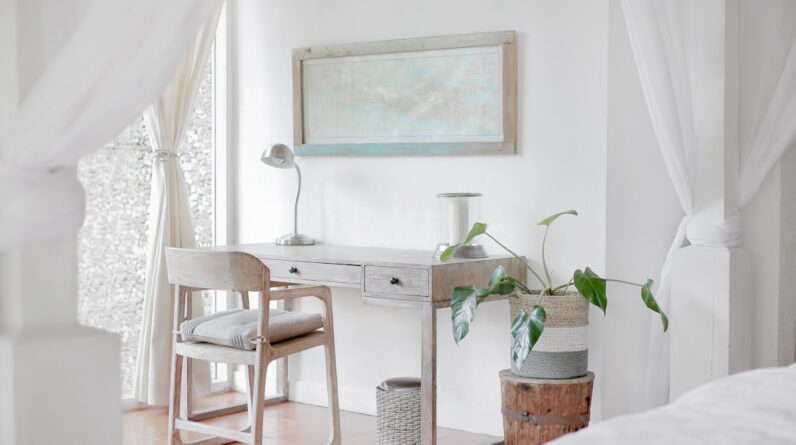
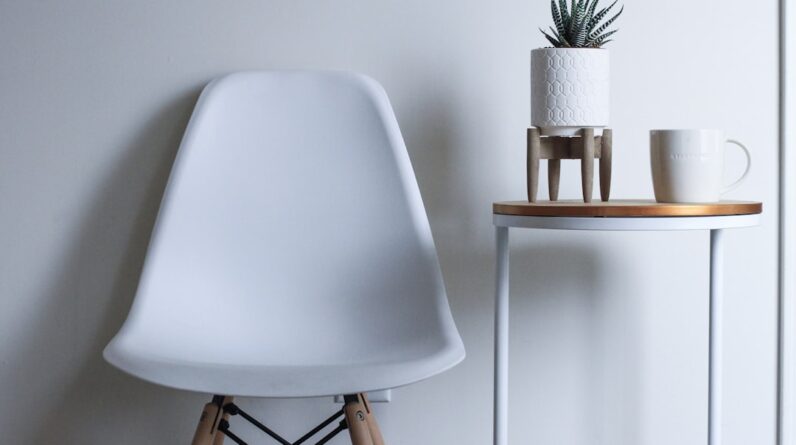
Minimalist living room design is characterized by its clean lines, uncluttered spaces, and a focus on functionality. This style embodies the philosophy of “less is more,” where every piece of furniture and decor serves a purpose while contributing to an overall sense of tranquility. Neutral color palettes dominate minimalist spaces, often featuring whites, grays, and soft earth tones that create a serene backdrop.
Key Elements of Minimalist Furniture and Decor
The furniture is typically sleek and modern, with an emphasis on geometric shapes and natural materials such as wood and metal. By eliminating excess ornamentation and distractions, minimalist design fosters an environment conducive to relaxation and mindfulness. Incorporating minimalist principles into a living room can transform it into a sanctuary of calm amidst the chaos of daily life.
Strategies for Maintaining a Minimalist Space
Thoughtful organization is key; storage solutions that blend seamlessly with the decor can help maintain an uncluttered appearance. For instance, built-in shelves or hidden compartments can provide ample space for books and personal items without overwhelming the visual landscape. Additionally, strategic use of lighting—such as pendant lights or floor lamps with simple designs—can enhance the minimalist aesthetic while adding warmth to the space.
The Benefits of Embracing Minimalism
Ultimately, a minimalist living room invites occupants to appreciate the beauty of simplicity, encouraging a lifestyle that values quality over quantity.
Bohemian Living Room Design

Bohemian living room design is a celebration of creativity and individuality, characterized by an eclectic mix of colors, patterns, and textures. This style draws inspiration from various cultures and artistic movements, resulting in a vibrant and inviting atmosphere. Rich jewel tones, earthy hues, and an array of textiles come together to create a space that feels both lived-in and artistic.
Layering is a hallmark of bohemian design; from throw pillows to rugs and wall hangings, each element contributes to a cozy yet dynamic environment that invites exploration and relaxation. In a bohemian living room, personal expression takes center stage. Vintage furniture pieces can be paired with contemporary accents, while global artifacts—such as woven baskets or handcrafted pottery—add character and depth.
Plants play a significant role in this design style, bringing life and freshness into the space; hanging planters or potted greenery can soften hard edges and enhance the organic feel of the room. The key to achieving a successful bohemian aesthetic lies in balancing chaos with cohesion; while the mix may seem random at first glance, thoughtful curation ensures that each piece contributes to an overall narrative that reflects the inhabitant’s journey and passions.
Scandinavian Living Room Design
| Aspect | Metrics |
|---|---|
| Color Palette | Neutral colors such as white, gray, and beige |
| Materials | Wood, natural fibers, and minimalistic metals |
| Furniture | Simple, functional, and often with clean lines |
| Lighting | Natural light emphasized, with simple and elegant light fixtures |
| Decor | Minimalistic, with a focus on natural elements and cozy textiles |
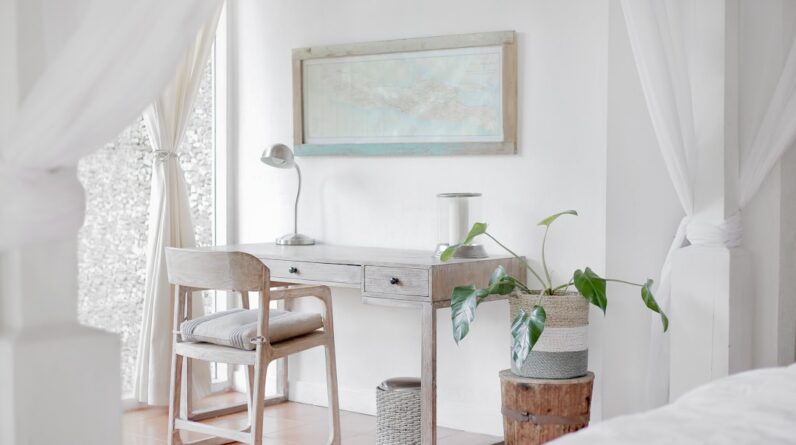
Scandinavian living room design embodies simplicity, functionality, and a deep connection to nature. Originating from the Nordic countries, this style emphasizes lightness and airiness through its use of neutral color palettes—predominantly whites, soft grays, and muted pastels—complemented by natural wood elements. The furniture is often characterized by clean lines and minimal ornamentation, prioritizing comfort without sacrificing aesthetics.
This approach creates an inviting atmosphere that encourages relaxation while maintaining an uncluttered appearance. Incorporating Scandinavian design principles into a living room involves more than just selecting the right furniture; it also requires an understanding of how to create warmth within simplicity. Textiles play a crucial role in achieving this balance; cozy throws, plush cushions, and soft rugs can add layers of comfort while enhancing the visual appeal.
Additionally, maximizing natural light is essential in Scandinavian design; large windows or strategically placed mirrors can help illuminate the space while fostering a sense of openness. By embracing these elements, one can create a Scandinavian-inspired living room that feels both serene and welcoming—a perfect retreat from the hustle and bustle of everyday life.
Industrial Living Room Design
Industrial living room design draws inspiration from urban lofts and repurposed warehouses, characterized by raw materials and an unfinished aesthetic. This style often features exposed brick walls, concrete floors, and metal accents that evoke a sense of rugged charm. The color palette typically leans towards darker tones—grays, blacks, and browns—contrasted with warm wood elements to create depth and interest.
Furniture in industrial spaces tends to be functional yet stylish, often incorporating vintage or reclaimed pieces that tell a story. To achieve an industrial look in a living room, one must embrace the beauty of imperfection. Open shelving made from reclaimed wood or metal can showcase books and decorative items while maintaining an airy feel.
Lighting fixtures play a pivotal role in this design style; pendant lights with Edison bulbs or floor lamps with industrial finishes can serve as striking focal points while providing ample illumination. Additionally, incorporating greenery through potted plants or hanging planters can soften the starkness of industrial elements, creating a harmonious balance between nature and urbanity. Ultimately, an industrial living room exudes character and authenticity, making it an ideal choice for those who appreciate the charm of urban living.
Contemporary Living Room Design

Defining Contemporary Living Room Design
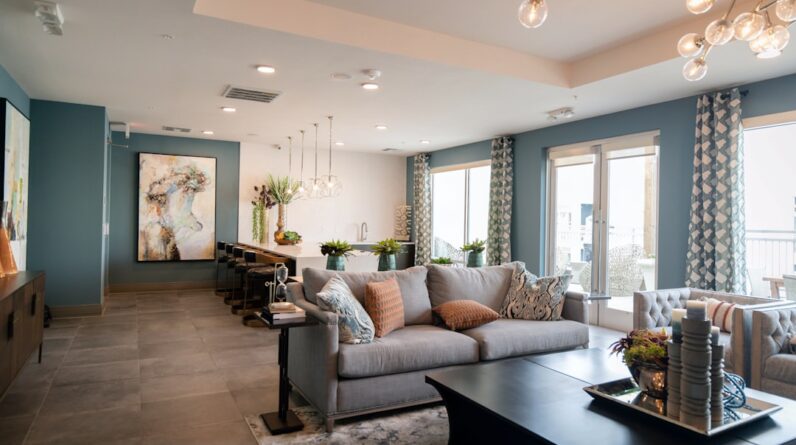
Contemporary living room design is a dynamic and ever-evolving concept that balances current trends with timeless principles of style and comfort. This approach often emphasizes clean lines, open spaces, and a neutral color palette accented by bold pops of color or unique textures. Furniture pieces are typically sleek and modern, often featuring innovative materials such as glass or acrylic that contribute to an airy feel.
Key Elements of Contemporary Design
The contemporary aesthetic encourages flexibility; modular furniture allows for easy reconfiguration based on changing needs or preferences. Incorporating contemporary elements into a living room involves curating a space that feels both stylish and functional. Art plays a significant role in this design style; large-scale pieces or statement sculptures can serve as focal points that draw the eye while adding personality to the room.
Integrating Technology and Art
Additionally, technology seamlessly integrates into contemporary design; smart home features such as automated lighting or sound systems enhance convenience without compromising aesthetics. Art and technology come together to create a space that is not only visually appealing but also functional and convenient.
Creating a Timeless Space
By embracing these principles, one can create a contemporary living room that not only reflects current trends but also adapts to evolving tastes over time. This approach allows for a space that is both stylish and functional, making it a perfect blend of form and function.
Eclectic Living Room Design
Eclectic living room design is all about embracing diversity and celebrating individuality through a harmonious blend of styles, colors, and textures. This approach allows homeowners to curate spaces that reflect their unique personalities by mixing vintage finds with modern pieces or combining various cultural influences into one cohesive look. The key to successful eclectic design lies in balance; while the mix may seem chaotic at first glance, thoughtful curation ensures that each element contributes to an overall narrative that feels intentional rather than haphazard.
To achieve an eclectic living room, one must be willing to experiment with different styles while maintaining a sense of cohesion through color or theme. Layering textiles—such as patterned rugs paired with solid-colored sofas—can create visual interest while adding warmth to the space. Artwork plays a crucial role in this design style; gallery walls featuring an array of frames and art styles can serve as conversation starters while showcasing personal taste.
Ultimately, an eclectic living room invites creativity and self-expression, allowing inhabitants to craft a space that feels uniquely their own—a true reflection of their journey through life’s diverse experiences.
FAQs
What are some key elements of living room interior design?
Some key elements of living room interior design include furniture arrangement, color scheme, lighting, and decorative accents. These elements work together to create a cohesive and inviting space.
What are some popular color schemes for living room design?
Popular color schemes for living room design include neutral tones such as white, beige, and gray, as well as bold accent colors like navy blue, emerald green, and mustard yellow. These color schemes can create a variety of moods and styles in a living room.
How can lighting be used to enhance living room design?
Lighting can be used to enhance living room design by creating ambiance and highlighting key features of the space. This can be achieved through a combination of overhead lighting, task lighting, and accent lighting, such as floor lamps and wall sconces.
What are some tips for arranging furniture in a living room?
Some tips for arranging furniture in a living room include creating a focal point, such as a fireplace or a large window, arranging seating to encourage conversation, and ensuring that there is a clear pathway for movement through the space. Additionally, considering the scale and proportion of furniture in relation to the room size is important.
What are some popular decorative accents for living room design?
Popular decorative accents for living room design include throw pillows, area rugs, wall art, and indoor plants. These accents can add personality and visual interest to the space, as well as tie together the overall design scheme.