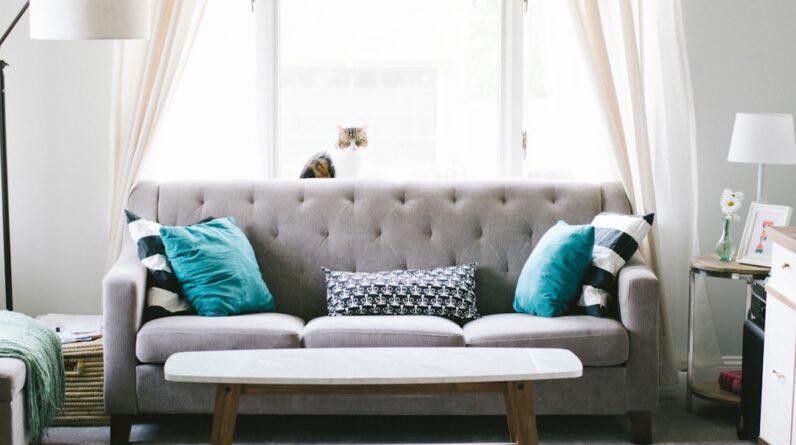
When you embark on the journey of interior design, understanding scale is paramount. Scale refers to the size of objects in relation to one another and the space they inhabit. You might find that a room can feel either cramped or expansive based on the proportions of the furniture and decor you choose.
For instance, a large sectional sofa in a small living room can overwhelm the space, making it feel cluttered and uncomfortable. Conversely, tiny accent chairs in a vast area can get lost, leaving the room feeling sparse and uninviting. By paying attention to scale, you can create a harmonious environment that feels balanced and well thought out.
Moreover, scale is not just about the physical dimensions of furniture; it also encompasses the visual weight of items. A large piece of art can serve as a focal point in a room, drawing the eye and anchoring the space. You may want to consider how different elements interact with one another.
A tall bookshelf can create verticality in a room, while low-profile furniture can help maintain an open feel. By thoughtfully considering scale, you can enhance the overall aesthetic and functionality of your space, ensuring that every piece contributes to a cohesive design narrative.
Key Takeaways
- Scale is crucial in interior design as it impacts the overall look and feel of a space.
- Large homes can maximize space by using multifunctional furniture and strategic layout designs.
- Small condos can create a cozy atmosphere by utilizing light colors, mirrors, and maximizing natural light.
- Furniture and decor can enhance space by using vertical storage, multipurpose furniture, and strategic placement.
- Lighting plays a key role in different sized spaces, with large homes benefiting from layered lighting and small condos using space-saving fixtures.
- Incorporating color and texture can add depth and personality to both large and small spaces.
- Storage solutions are essential for large homes and small condos to maintain organization and functionality.
- Functional layouts are important for different sized spaces to ensure flow and usability.
- Balancing openness and privacy is crucial in interior design to create a comfortable and functional space.
- Outdoor spaces can be incorporated into both large homes and small condos to expand living areas and connect with nature.
- Budgeting and planning are essential for interior design in different sized spaces to ensure a cohesive and well-executed design.
Maximizing Space in a Large Home
In a large home, maximizing space can sometimes feel like a daunting task. With ample square footage at your disposal, it’s easy to fall into the trap of filling every corner with furniture or decor. However, the key lies in creating zones that serve specific purposes while maintaining an open flow throughout the home.
You might consider using area rugs to define different areas within a larger room, such as a cozy reading nook or an entertainment space. This approach not only enhances functionality but also adds visual interest to your home. Additionally, incorporating multifunctional furniture can be a game-changer in large spaces.
Think about investing in pieces that serve dual purposes, such as a coffee table with storage or a sofa bed for guests. This strategy allows you to keep your home organized while still enjoying the luxury of space. You may also want to explore vertical storage solutions, such as tall shelving units or wall-mounted cabinets, which can help you utilize height without sacrificing floor space.
By being intentional about how you use your large home, you can create an inviting atmosphere that feels both spacious and purposeful.
Creating a Cozy Atmosphere in a Small Condo

When it comes to small condos, creating a cozy atmosphere is essential for making the most of limited square footage. You might start by selecting warm color palettes that evoke comfort and intimacy. Soft neutrals or rich jewel tones can make your space feel inviting and snug.
Layering textures through textiles like plush throws, soft rugs, and cushy pillows can also add warmth and depth to your condo, transforming it into a sanctuary where you can unwind after a long day. Another effective strategy for enhancing coziness is to incorporate personal touches that reflect your personality and style. Displaying cherished photographs or artwork can create a sense of belonging and warmth.
You may also want to consider using mirrors strategically to reflect light and create an illusion of more space while still maintaining that intimate feel. By curating your decor thoughtfully and focusing on elements that bring you joy, you can turn your small condo into a cozy haven that feels uniquely yours.
Utilizing Furniture and Decor to Enhance Space
The right furniture and decor can significantly enhance the perception of space in any room, regardless of its size. When selecting furniture, consider pieces that are proportionate to your space and serve multiple functions. For example, an ottoman that doubles as storage can help keep clutter at bay while providing additional seating when needed.
You might also explore furniture with legs that elevate it off the ground; this creates an airy feel and allows light to flow beneath, making the room appear larger. Decor plays an equally important role in enhancing space. You may want to choose wall art that draws the eye upward, creating an illusion of height in the room.
Vertical lines in wallpaper or decor can also elongate walls and make ceilings feel higher. Additionally, incorporating plants can bring life into your space while softening hard edges. By thoughtfully selecting furniture and decor that complement each other and your overall design vision, you can create an environment that feels open and inviting.
The Role of Lighting in Different Sized Spaces
Lighting is one of the most crucial elements in interior design, influencing both mood and perception of space. In larger homes, you might find that layering different types of lighting—ambient, task, and accent—can help define areas and create warmth throughout expansive rooms. For instance, using pendant lights over dining areas or floor lamps in reading nooks can establish distinct zones while adding character to your home.
In smaller spaces like condos, lighting becomes even more critical for creating an illusion of openness. You may want to opt for lighter fixtures that don’t overwhelm the room while maximizing natural light through sheer curtains or strategically placed mirrors. Consider using dimmers to adjust brightness according to your needs; softer lighting can create a cozy atmosphere for evenings while brighter settings are perfect for daytime activities.
By understanding how lighting interacts with your space, you can enhance both functionality and ambiance.
Incorporating Color and Texture in Large and Small Spaces

Color and texture are powerful tools in interior design that can dramatically affect how a space feels. In larger homes, you might choose bold colors for accent walls or statement pieces to create focal points without overwhelming the overall design. Layering different textures—such as smooth leather with soft fabrics—can add depth and interest to expansive areas while preventing them from feeling flat or monotonous.
In contrast, small spaces often benefit from lighter color palettes that reflect light and create an airy feel. You may want to incorporate pops of color through accessories like cushions or artwork rather than large furniture pieces. Textures play an equally important role; mixing materials like wood, metal, and textiles can add dimension without cluttering the visual landscape.
By thoughtfully incorporating color and texture into both large and small spaces, you can create environments that are visually appealing and emotionally resonant.
Storage Solutions for Large Homes and Small Condos
Storage is a common challenge in both large homes and small condos, but the solutions differ based on available space. In larger homes, you might have the luxury of dedicated storage rooms or closets; however, it’s essential to keep these areas organized to prevent clutter from accumulating. Consider investing in built-in shelving or cabinetry that blends seamlessly with your decor while providing ample storage options.
For small condos, maximizing vertical space is key. You may want to explore creative storage solutions like under-bed drawers or wall-mounted shelves that free up floor space while keeping essentials within reach. Multi-functional furniture—such as coffee tables with hidden compartments—can also be invaluable in small living areas.
By being strategic about storage solutions tailored to your specific space, you can maintain an organized environment that feels spacious and functional.
Designing Functional Layouts for Different Sized Spaces
Creating functional layouts is essential for optimizing any interior space, whether large or small. In expansive homes, you might have the freedom to experiment with various arrangements; however, it’s crucial to ensure that each area serves its intended purpose without feeling disconnected from others. Open floor plans can be particularly effective in large spaces; using furniture placement to define zones helps maintain flow while promoting interaction among different areas.
In smaller condos, functionality takes on a different meaning as every square foot counts. You may want to consider layouts that prioritize flow and accessibility; for instance, placing frequently used items within easy reach can enhance daily living experiences. Additionally, utilizing furniture that can be easily moved or reconfigured allows for flexibility based on your needs at any given time.
By focusing on functional layouts tailored to your specific space requirements, you can create environments that are both practical and enjoyable.
Balancing Openness and Privacy in Interior Design
Striking a balance between openness and privacy is crucial in interior design, especially when navigating different sized spaces. In larger homes, you might find it beneficial to create open-concept areas that encourage social interaction while still incorporating private nooks for solitude or quiet reflection. Using room dividers or strategically placed furniture can help delineate spaces without sacrificing openness.
In smaller condos, privacy becomes even more essential as living areas often overlap. You may want to explore solutions like sliding doors or curtains that allow you to separate spaces when needed while maintaining an overall sense of openness during gatherings. Additionally, incorporating plants or decorative screens can provide visual barriers without closing off the area entirely.
By thoughtfully balancing openness and privacy in your design approach, you can create environments that cater to both socialization and personal retreat.
Incorporating Outdoor Spaces in Large Homes and Small Condos
Outdoor spaces offer unique opportunities for enhancing your living environment, regardless of size. In larger homes with expansive yards or patios, you might consider creating outdoor rooms equipped with comfortable seating and dining areas for entertaining guests or enjoying quiet evenings under the stars. Incorporating landscaping elements like gardens or water features can further enhance these spaces, making them extensions of your indoor living areas.
For small condos with limited outdoor access—such as balconies or terraces—you may want to maximize these areas by selecting compact furniture designed for outdoor use while incorporating greenery through potted plants or vertical gardens. Creating cozy nooks with cushions or string lights can transform these small outdoor spaces into inviting retreats where you can relax or entertain friends. By thoughtfully integrating outdoor elements into your design plan, you can expand your living experience beyond four walls.
Budgeting and Planning for Interior Design in Different Sized Spaces
Budgeting is an essential aspect of any interior design project, regardless of whether you’re working with a large home or a small condo. In larger spaces, it’s easy to get carried away with extravagant purchases; however, setting a clear budget helps ensure that you allocate funds wisely across various elements like furniture, decor, and renovations. You might consider prioritizing key areas first—such as living rooms or kitchens—before moving on to less critical spaces.
In smaller condos where every dollar counts even more significantly, planning becomes crucial for maximizing impact without overspending. You may want to focus on versatile pieces that serve multiple functions while investing in quality over quantity when it comes to decor items. Additionally, exploring DIY projects or second-hand finds can help stretch your budget further while adding unique character to your space.
By approaching budgeting with intention and creativity tailored to your specific needs, you can achieve stunning results regardless of size constraints.
FAQs
What is the difference between interior design for a large home and a small condo?
The main difference between interior design for a large home and a small condo is the space available. Large homes offer more room for furniture and decor, while small condos require more strategic and space-saving design choices.
What are some challenges of interior design for a large home?
Some challenges of interior design for a large home include filling the space without overcrowding it, creating a cohesive design throughout the entire home, and managing the cost of furnishing a larger space.
What are some challenges of interior design for a small condo?
Challenges of interior design for a small condo include maximizing the use of limited space, finding storage solutions, and creating a sense of openness and flow within the confined area.
What are some common design elements for large homes?
Common design elements for large homes include grand furniture pieces, statement lighting fixtures, expansive artwork, and multiple seating areas for entertaining.
What are some common design elements for small condos?
Common design elements for small condos include multi-functional furniture, built-in storage solutions, light and neutral color palettes to create a sense of openness, and maximizing natural light.
How can interior designers maximize space in a large home?
Interior designers can maximize space in a large home by using furniture that fits the scale of the room, creating designated areas for different activities, and utilizing vertical space for storage and decor.
How can interior designers create a sense of openness in a small condo?
Interior designers can create a sense of openness in a small condo by using light and neutral colors, incorporating mirrors to reflect light and create the illusion of space, and choosing furniture with exposed legs to visually open up the floor.