When you think about interior design, you might envision a beautifully arranged living room or a chic office space. However, the field of interior design is far more diverse and specialized than it appears at first glance. Each specialty within interior design caters to different environments and client needs, showcasing the versatility and creativity that the profession demands.
As you delve into the various specialties, you will discover how each one plays a crucial role in shaping the spaces we inhabit, whether they are homes, workplaces, or public venues. Understanding these specialties not only broadens your appreciation for the art of interior design but also highlights the unique skills and knowledge required for each area. From residential spaces that reflect personal style to commercial environments that enhance productivity, each specialty has its own set of challenges and rewards.
As you explore these different facets of interior design, you will gain insight into how designers transform ideas into functional and aesthetically pleasing spaces.
Key Takeaways
- Interior design specialties encompass a wide range of areas including residential, commercial, hospitality, sustainable, set design, exhibition and museum design, and retail.
- Residential interior design focuses on creating functional and aesthetically pleasing living spaces that reflect the client’s personal style and needs.
- Commercial interior design involves designing spaces for businesses and organizations, with a focus on functionality, brand representation, and employee well-being.
- Hospitality interior design focuses on creating inviting and comfortable spaces for hotels, restaurants, and other leisure establishments, with an emphasis on guest experience and functionality.
- Sustainable interior design emphasizes environmentally friendly and socially responsible design practices, including the use of sustainable materials and energy-efficient solutions.
- Set design for TV and film involves creating immersive and visually appealing environments that enhance the storytelling and production value of a project.
- Exhibition and museum design focuses on creating engaging and educational spaces that showcase artifacts, art, and information in a visually compelling and accessible manner.
- Retail interior design involves creating attractive and functional spaces for businesses to showcase and sell their products, with a focus on customer experience and brand representation.
Residential Interior Design
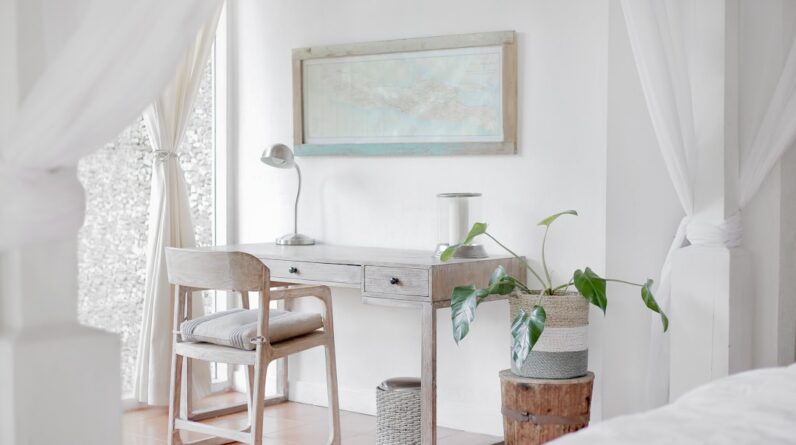
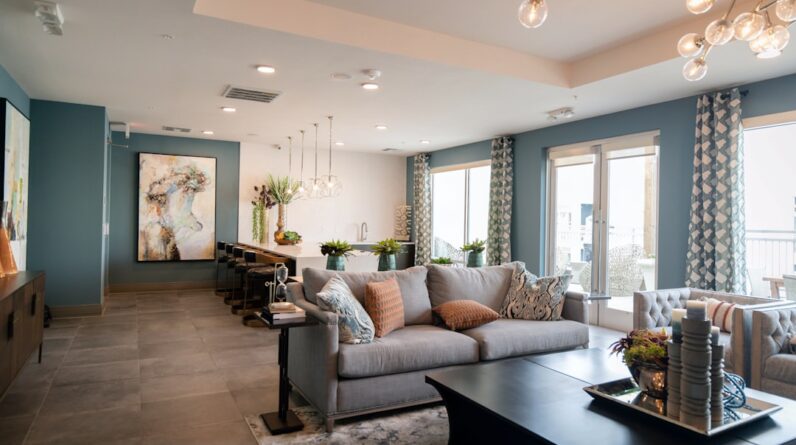
Residential interior design is perhaps the most relatable specialty, as it focuses on creating comfortable and inviting living spaces. When you think about your home, it’s likely filled with personal touches that reflect your personality and lifestyle. Residential designers work closely with clients to understand their preferences, needs, and aspirations, ensuring that every room not only looks beautiful but also serves its intended purpose.
This process often involves selecting color palettes, furniture, lighting, and decor that harmonize with the client’s vision. In residential design, the challenge lies in balancing aesthetics with functionality. You may want a space that feels cozy and welcoming while also being practical for everyday use.
Designers often incorporate elements such as storage solutions and multi-functional furniture to maximize space without sacrificing style. Whether it’s a modern apartment or a traditional family home, residential interior designers have the expertise to create environments that resonate with their clients on a personal level.
Commercial Interior Design

Commercial interior design takes a different approach, focusing on spaces used for business purposes. This specialty encompasses a wide range of environments, including offices, retail stores, and healthcare facilities. As you consider commercial spaces, think about how the design can influence productivity, customer experience, and brand identity.
Commercial designers must understand the specific needs of businesses and their clientele, creating environments that are not only visually appealing but also functional and efficient. In this realm, you will find that every detail matters—from the layout of an office to the choice of materials in a retail store. For instance, an open office layout may foster collaboration among employees, while a well-designed retail space can enhance customer engagement and drive sales.
Commercial designers often collaborate with architects and engineers to ensure that their designs comply with regulations and meet the practical needs of businesses. The result is a carefully curated environment that supports both the operational goals of the business and the experience of its users.
Hospitality Interior Design
Hospitality interior design is all about creating memorable experiences for guests in hotels, restaurants, and other leisure venues. When you step into a hotel lobby or dine at a restaurant, the ambiance plays a significant role in shaping your overall experience. Designers in this specialty focus on crafting environments that evoke emotions and leave lasting impressions.
They consider factors such as lighting, color schemes, furniture selection, and spatial arrangement to create inviting atmospheres that encourage relaxation and enjoyment. In hospitality design, understanding the target audience is crucial. For example, a luxury hotel may require an opulent aesthetic with high-end finishes, while a boutique hotel might embrace a more eclectic and personalized approach.
Designers must also be mindful of functionality; for instance, restaurant layouts should facilitate smooth service flow while providing comfortable seating for diners. By blending aesthetics with practicality, hospitality designers create spaces that not only attract guests but also encourage them to return.
Sustainable Interior Design
As environmental concerns continue to rise, sustainable interior design has emerged as a vital specialty within the field. This approach emphasizes eco-friendly practices and materials to create spaces that minimize environmental impact while promoting health and well-being. When you think about sustainable design, consider how choices such as using reclaimed materials or energy-efficient lighting can contribute to a greener future.
Designers in this specialty are committed to finding innovative solutions that align with both aesthetic goals and environmental responsibility. Sustainable interior design goes beyond just selecting eco-friendly materials; it also involves considering the entire lifecycle of products used in a space. This means thinking about sourcing, manufacturing processes, and even how materials can be recycled or repurposed at the end of their life.
As you explore this specialty further, you will discover how sustainable practices can enhance not only the environment but also the quality of life for those who inhabit these spaces. By prioritizing sustainability, designers can create beautiful interiors that reflect a commitment to preserving our planet for future generations.
Set Design for TV and Film

The Importance of Attention to Detail
Set designers work closely with directors and producers to create environments that enhance the story being told. This involves meticulous attention to detail, as every element on set must align with the overall vision of the production.
Collaboration is Key
In this field, you will find that collaboration is key. Set designers often work alongside costume designers, lighting technicians, and cinematographers to ensure that all aspects of the production come together seamlessly.
Bringing Imaginative Worlds to Life
They must also be adaptable; changes in script or direction can require quick adjustments to set designs. Whether it’s crafting an elaborate historical setting or designing a futuristic landscape, set designers have the unique opportunity to bring imaginative worlds to life on screen.
Exhibition and Museum Design
Exhibition and museum design is another fascinating specialty that focuses on creating engaging experiences for visitors in cultural institutions. When you walk through a museum or attend an exhibition, the layout and presentation of artifacts significantly influence your understanding and appreciation of the subject matter. Designers in this field must consider how to effectively communicate information while also creating an inviting atmosphere that encourages exploration.
In this specialty, storytelling is paramount. Designers often collaborate with curators to develop themes and narratives that guide visitors through exhibits. This may involve designing interactive displays or incorporating technology to enhance engagement.
Additionally, exhibition designers must be mindful of accessibility and flow; ensuring that all visitors can navigate the space comfortably is essential for creating an inclusive experience. By blending education with aesthetics, exhibition designers play a vital role in shaping how we connect with art, history, and culture.
Retail Interior Design
Retail interior design focuses on creating shopping environments that attract customers and enhance their shopping experience. When you enter a store, everything from the layout to the lighting is carefully designed to influence your behavior as a consumer. Retail designers must understand consumer psychology and trends to create spaces that not only showcase products but also encourage purchases.
In this specialty, visual merchandising plays a significant role. Designers often work closely with marketing teams to ensure that displays are eye-catching and aligned with brand messaging. The layout of a retail space can also impact customer flow; strategically placed pathways can guide shoppers through different sections of the store while encouraging them to explore new products.
As you consider retail interior design, think about how these elements come together to create an engaging shopping experience that keeps customers coming back. In conclusion, interior design encompasses a wide array of specialties, each with its own unique challenges and rewards. Whether you are drawn to residential spaces or commercial environments, there is no shortage of opportunities to explore your creativity within this dynamic field.
By understanding these various specialties, you can appreciate the artistry involved in transforming spaces into functional works of art that enhance our daily lives.
FAQs
What are the different specialties within the field of interior design?
There are several specialties within the field of interior design, including residential design, commercial design, hospitality design, sustainable design, and universal design.
What is residential design in interior design?
Residential design focuses on creating functional and aesthetically pleasing living spaces for individuals and families. It involves designing homes, apartments, and other residential spaces.
What is commercial design in interior design?
Commercial design involves creating interior spaces for businesses and organizations. This can include offices, retail stores, restaurants, and other commercial establishments.
What is hospitality design in interior design?
Hospitality design focuses on creating interior spaces for hotels, resorts, restaurants, and other hospitality-related establishments. It often involves creating welcoming and comfortable environments for guests.
What is sustainable design in interior design?
Sustainable design, also known as green design, focuses on creating interior spaces that are environmentally friendly and energy-efficient. It involves using sustainable materials and practices to minimize the impact on the environment.
What is universal design in interior design?
Universal design aims to create interior spaces that are accessible and usable by people of all ages and abilities. It involves designing spaces that are inclusive and accommodating for everyone.