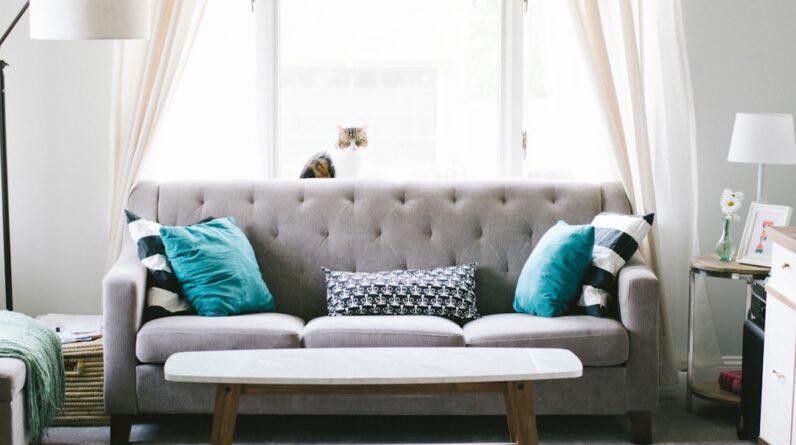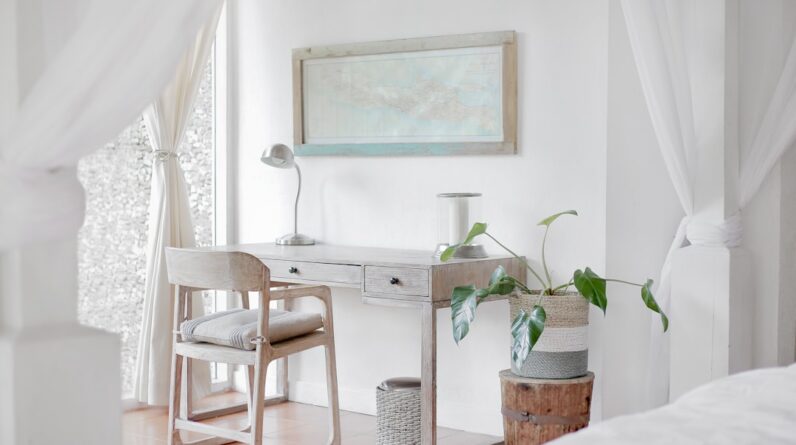
As you step into the realm of modern interior design, you may find yourself captivated by its clean lines, open spaces, and a focus on functionality. This design philosophy emphasizes simplicity and elegance, often stripping away unnecessary embellishments to create a serene environment. You might notice that modern design is not just about aesthetics; it’s also about creating spaces that enhance your lifestyle.
The essence of modern interior design lies in its ability to reflect contemporary living, where comfort meets style, and every piece serves a purpose. In your exploration of modern interior design, you will likely encounter a variety of styles that have emerged over the years. From mid-century modern to industrial chic, each style offers unique characteristics that can resonate with your personal taste.
You may find that modern design often incorporates a neutral color palette, allowing for versatility and ease in decorating. The use of natural materials such as wood, metal, and glass can create a harmonious balance between the indoors and outdoors, inviting nature into your living space. Understanding these elements will empower you to curate a home that not only looks good but also feels good to live in.
Key Takeaways
- Modern interior design focuses on clean lines, open spaces, and a minimalist approach.
- Minimalist elements can be incorporated through decluttering, using simple furniture, and emphasizing functionality.
- Sustainable and eco-friendly design can be achieved through using recycled materials, energy-efficient lighting, and indoor plants.
- Technology can be utilized in interior design through smart home systems, automated lighting, and virtual reality tools for space planning.
- Mixing and matching different design styles can create a unique and eclectic look, adding depth and personality to a space.
- Functional and multi-purpose spaces can be created by using versatile furniture, smart storage solutions, and flexible layouts.
- Playing with color, texture, and patterns can add visual interest and create a dynamic atmosphere in a room.
- Incorporating personal touches and statement pieces can showcase individuality and create a sense of warmth and personality in a space.
Incorporating Minimalist Elements
When you think of minimalism in interior design, you might envision spaces that are devoid of clutter and distractions. This approach encourages you to embrace the idea of “less is more,” focusing on essential items that bring joy and functionality to your home. By incorporating minimalist elements, you can create an environment that promotes tranquility and clarity.
You may start by decluttering your space, removing items that no longer serve a purpose or bring you happiness. This process can be liberating, allowing you to appreciate the beauty of simplicity. As you delve deeper into minimalist design, consider the importance of selecting furniture and decor that embody clean lines and understated elegance.
Opt for pieces that are not only aesthetically pleasing but also functional. For instance, a sleek coffee table with hidden storage can help maintain an organized living area while adding to the overall design. You might also explore the use of monochromatic color schemes, which can enhance the sense of spaciousness in your home.
By thoughtfully choosing each element, you can cultivate a minimalist sanctuary that reflects your values and lifestyle.
Embracing Sustainable and Eco-Friendly Design
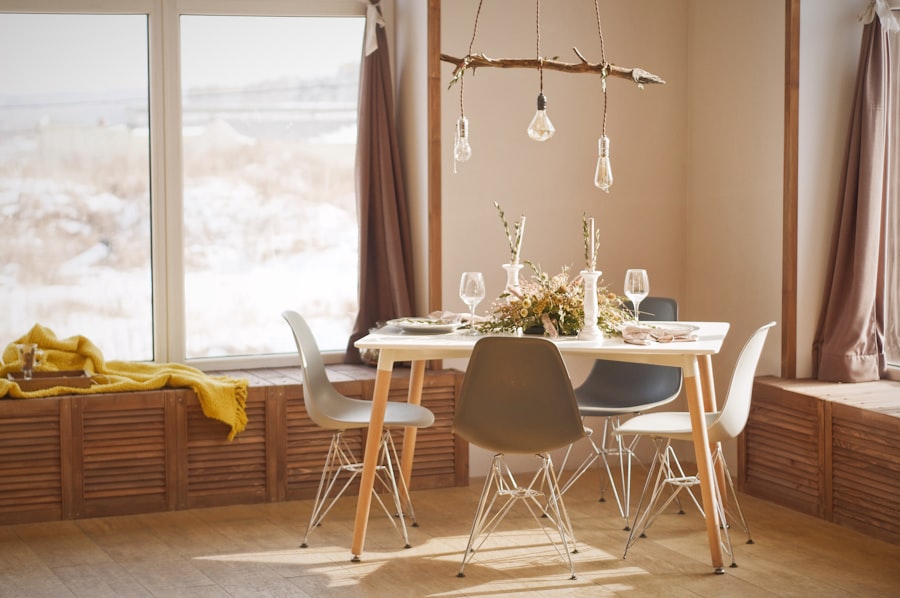
In today’s world, the importance of sustainability cannot be overstated, and this principle has found its way into the realm of interior design. As you consider how to make your home more eco-friendly, you may want to explore materials that are sustainably sourced or recycled. This could include furniture made from reclaimed wood or textiles crafted from organic fibers.
By choosing these options, you not only contribute to environmental conservation but also create a unique aesthetic that tells a story. You might also think about incorporating energy-efficient appliances and lighting into your home. These choices not only reduce your carbon footprint but can also lead to significant savings on utility bills over time.
Additionally, consider the benefits of natural ventilation and daylighting in your design. By maximizing natural light and airflow, you can create a healthier living environment while minimizing reliance on artificial heating and cooling systems. Embracing sustainable design principles allows you to create a space that aligns with your values while enhancing your quality of life.
Utilizing Technology in Interior Design
As technology continues to evolve, it has become an integral part of modern interior design. You may find yourself intrigued by the possibilities that smart home technology offers for enhancing comfort and convenience in your living space. From automated lighting systems to smart thermostats, these innovations allow you to control various aspects of your home with ease.
Imagine being able to adjust the ambiance of your living room with a simple voice command or through an app on your smartphone. In addition to smart technology, consider how digital tools can aid in the design process itself. Virtual reality and augmented reality applications can help you visualize how different elements will look in your space before making any commitments.
This can be particularly useful when selecting paint colors or furniture arrangements. By leveraging technology in both the design and functionality of your home, you can create a space that is not only stylish but also tailored to meet your needs in an increasingly digital world.
Mixing and Matching Different Design Styles
One of the most exciting aspects of interior design is the freedom to mix and match different styles to create a unique aesthetic that reflects your personality. You may find joy in blending contemporary elements with vintage pieces or combining industrial accents with soft, organic textures. This eclectic approach allows you to showcase your individuality while creating a cohesive look throughout your home.
As you experiment with different styles, consider how various elements can complement one another. For instance, pairing a sleek modern sofa with a rustic wooden coffee table can create an interesting contrast that adds depth to your space. You might also explore the use of accessories—such as artwork or decorative pillows—that incorporate colors or patterns from different styles to tie everything together.
By embracing this playful approach to design, you can curate an environment that feels both personal and inviting.
Creating Functional and Multi-Purpose Spaces

Transforming Spaces
Creating multi-purpose spaces allows you to adapt your environment to suit various activities without sacrificing style or comfort. For example, consider transforming a spare bedroom into a home office or guest room by incorporating versatile furniture solutions like a Murphy bed or a foldable desk.
Designing for Functionality
When designing these functional spaces, think about how each area can serve multiple purposes throughout the day. A dining table can double as a workspace during the day and transform into a gathering spot for family dinners in the evening.
Prioritizing Functionality
You might also explore modular furniture options that can be easily rearranged or reconfigured based on your needs. By prioritizing functionality in your design choices, you can create an adaptable home that supports your lifestyle while remaining aesthetically pleasing.
Playing with Color, Texture, and Patterns
Color plays a vital role in shaping the mood and atmosphere of your home. As you embark on your design journey, consider how different hues can evoke various emotions and set the tone for each room. You may find that warm colors like reds and oranges create an inviting atmosphere, while cool colors like blues and greens promote calmness and relaxation.
Experimenting with color combinations can lead to exciting results; don’t be afraid to step outside your comfort zone and try bold shades or unexpected pairings. In addition to color, texture is another essential element that adds depth and interest to your space. You might explore incorporating various materials—such as soft textiles, sleek metals, or rough woods—to create a tactile experience within your home.
Layering textures through rugs, cushions, and wall treatments can enhance visual appeal while making your space feel more inviting. Patterns also play a significant role in interior design; whether through wallpaper, upholstery, or artwork, they can add personality and character to any room. By thoughtfully combining color, texture, and patterns, you can create a dynamic environment that reflects your unique style.
Incorporating Personal Touches and Statement Pieces
Your home should be a reflection of who you are, and incorporating personal touches is key to achieving this goal. As you curate your space, think about the items that hold sentimental value or represent significant moments in your life. Family heirlooms, travel souvenirs, or artwork created by loved ones can all serve as meaningful additions that tell your story.
These personal touches not only enhance the aesthetic appeal of your home but also create an emotional connection to the space. In addition to personal items, consider incorporating statement pieces that draw attention and serve as focal points within your design. This could be an oversized piece of art, a striking light fixture, or even a bold piece of furniture that stands out against more subdued elements in the room.
These statement pieces can spark conversation and add character to your space while showcasing your unique taste. By blending personal touches with eye-catching elements, you can create an environment that feels authentically yours—a true sanctuary where you can relax and thrive.
FAQs
What are the current trends in modern interior design?
Some current trends in modern interior design include minimalism, sustainable and eco-friendly materials, bold and vibrant colors, mixed textures, and the use of natural elements such as wood and plants.
How can I incorporate modern interior design into my home?
You can incorporate modern interior design into your home by decluttering and embracing minimalism, using sustainable and eco-friendly materials, incorporating bold colors and mixed textures, and adding natural elements such as wood and plants.
What are some tips for mastering modern interior design?
Some tips for mastering modern interior design include understanding the principles of minimalism, using sustainable and eco-friendly materials, incorporating bold colors and mixed textures, and embracing natural elements such as wood and plants. It’s also important to focus on functionality and simplicity in your design choices.