Pottery making is an ancient craft that has captivated artisans and hobbyists alike for centuries. As you delve into this creative pursuit, you will discover a world where earth and artistry converge. The tactile experience of molding clay with your hands can be both meditative and exhilarating, allowing you to express your individuality while connecting with a tradition that spans millennia.
Whether you are drawn to pottery for its functional aspects or its artistic potential, the journey of creating something from raw materials is profoundly rewarding. As you embark on your pottery-making adventure, you will find that it is not merely about producing objects; it is about the process itself. Each piece you create tells a story, reflecting your thoughts, emotions, and experiences.
The act of shaping clay can serve as a form of therapy, providing a sense of calm and focus in a fast-paced world. With each turn of the wheel or pinch of clay, you will learn more about yourself and your creative capabilities, making pottery a fulfilling endeavor that nurtures both the mind and spirit.
Key Takeaways
- Pottery making is a versatile and rewarding craft that allows for creativity and self-expression.
- Essential tools and materials for pottery making include a pottery wheel, clay, a kiln, and various hand-building tools.
- Basic hand-building techniques for pottery include pinch, coil, and slab construction, which can be used to create a variety of shapes and forms.
- Pottery wheel throwing is a more advanced technique that involves shaping clay on a spinning wheel to create symmetrical forms such as bowls and vases.
- Decorating and glazing pottery allows for personalization and adds the finishing touch to a piece, enhancing its aesthetic appeal.
Essential Tools and Materials for Pottery Making
Before you begin your pottery-making journey, it is crucial to familiarize yourself with the essential tools and materials that will aid in your creative process. At the heart of pottery making is clay, which comes in various types, each with its unique properties. You may choose from earthenware, stoneware, or porcelain, depending on the desired outcome of your projects.
Each type of clay has its own firing temperature and characteristics, so understanding these differences will help you select the right material for your needs. In addition to clay, you will need a variety of tools to assist you in shaping and finishing your pieces. Basic tools include a potter’s knife for cutting and trimming, a rib for smoothing surfaces, and various modeling tools for adding intricate details.
A sponge is also essential for keeping your hands and work surface moist while you work. As you progress in your pottery-making journey, you may want to invest in more specialized tools such as a wire cutter for slicing clay and a needle tool for precision work. Having the right tools at your disposal will enhance your ability to create and refine your pottery.
Basic Techniques for Hand-Building Pottery
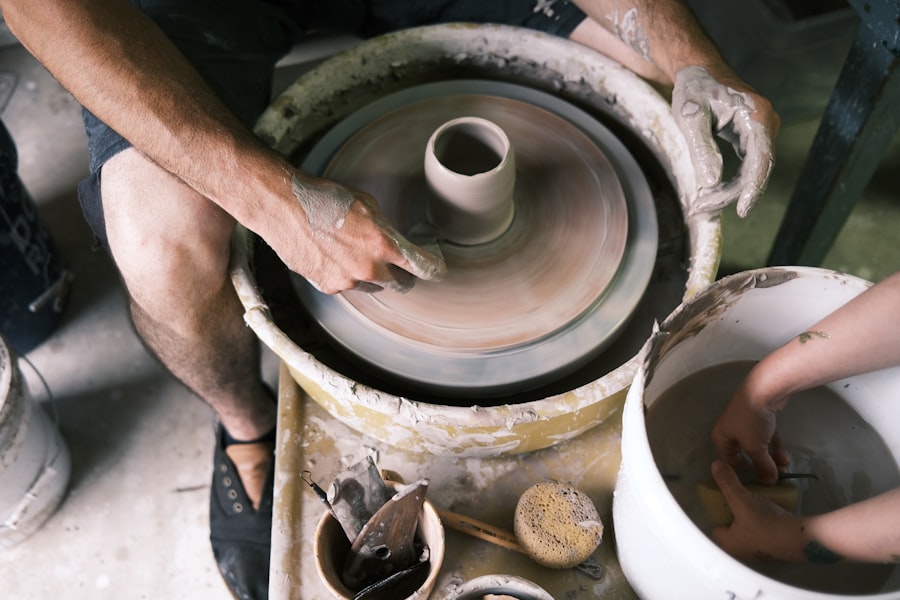
Hand-building is one of the most accessible methods of creating pottery, allowing you to explore your creativity without the need for a pottery wheel. There are several fundamental techniques you can employ, including pinch pots, coil building, and slab construction. Pinch pots are created by taking a ball of clay and using your fingers to pinch and shape it into a vessel.
This technique is perfect for beginners as it encourages experimentation with form and texture. Coil building involves rolling out long strands of clay and stacking them to create walls for your piece. This method allows for greater height and complexity in your designs.
As you layer coils, you can smooth the joints with your fingers or tools to create a seamless finish. Slab construction, on the other hand, involves rolling out flat pieces of clay that can be cut and assembled into various shapes. This technique is particularly useful for creating boxes or tiles, as it allows for precise measurements and angles.
Introduction to Pottery Wheel Throwing
Once you feel comfortable with hand-building techniques, you may want to explore the art of wheel throwing. This method involves using a potter’s wheel to shape clay into symmetrical forms. While it may seem daunting at first, with practice, you will find that wheel throwing can be incredibly satisfying.
The key to success lies in mastering the basics: centering the clay on the wheel head is crucial for creating even shapes. As you begin to throw pots on the wheel, focus on developing a steady hand and maintaining consistent pressure as you shape the clay. Start with simple forms like bowls or cylinders before progressing to more complex shapes.
The rhythm of the wheel can be mesmerizing, allowing you to enter a state of flow as you create. With time and patience, you will develop your skills and gain confidence in your ability to produce beautiful pieces.
Decorating and Glazing Pottery
Once your pottery pieces have been shaped and dried, it’s time to explore the exciting world of decoration and glazing. Decorating can take many forms, from painting intricate designs to carving patterns into the surface of the clay. You might experiment with underglazes or slips to add color before firing, allowing for vibrant designs that enhance the beauty of your work.
Glazing is another essential aspect of pottery making that not only adds color but also provides a protective layer to your pieces. There are various types of glazes available, each offering different finishes such as glossy, matte, or textured surfaces. When applying glaze, be mindful of how it interacts with the clay body; some glazes may react differently depending on the type of clay used.
Experimenting with different glazing techniques can lead to stunning results that elevate your pottery to new heights.
Firing and Finishing Pottery
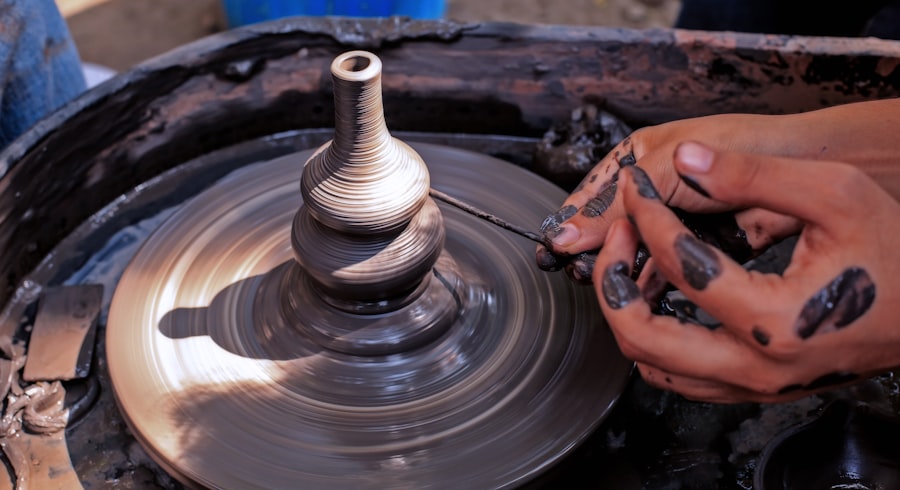
Firing is a critical step in the pottery-making process that transforms your raw clay into durable ceramic pieces. There are two main types of firing: bisque firing and glaze firing. Bisque firing is the initial firing that hardens the clay body without glaze, making it easier to handle during glazing.
Once bisque-fired, your pieces can be decorated and glazed before undergoing a second firing at higher temperatures. The firing process requires careful attention to detail, as temperature control is vital for achieving desired results. You may choose between electric kilns or gas kilns depending on your preferences and available resources.
After firing, allow your pieces to cool gradually before removing them from the kiln; this helps prevent cracking or breaking due to sudden temperature changes. Once cooled, you can admire the transformation of your creations from soft clay into beautiful ceramic art.
Common Mistakes to Avoid in Pottery Making
As with any craft, pottery making comes with its share of challenges and potential pitfalls. One common mistake beginners often make is rushing through the drying process. It’s essential to allow your pieces to dry slowly and evenly to prevent cracking or warping.
Covering them with plastic can help control moisture levels during this stage. Another frequent error is neglecting proper wedging techniques when preparing clay. Failing to wedge adequately can lead to air bubbles trapped within the clay body, which may cause pieces to explode during firing.
Additionally, be cautious when applying glaze; over-glazing can result in drips or uneven surfaces that detract from the overall appearance of your work. By being mindful of these common mistakes, you can enhance your pottery-making experience and achieve better results.
Tips for Success in Pottery Making
To truly thrive in pottery making, embrace a mindset of experimentation and patience. Allow yourself the freedom to make mistakes; each misstep is an opportunity for growth and learning. Keep a journal documenting your processes, techniques, and outcomes; this will help you track your progress over time and refine your skills.
Joining a pottery class or community can also provide invaluable support as you navigate this craft. Engaging with fellow potters allows you to share experiences, exchange tips, and gain inspiration from one another’s work. Remember that pottery making is not just about creating finished pieces; it’s about enjoying the journey of creation itself.
With dedication and passion, you will find joy in every step of the process as you continue to develop your unique style in this timeless art form.
FAQs
What is pottery making?
Pottery making is the process of creating ceramic objects such as pots, vases, and bowls from clay. It involves shaping the clay, drying it, and then firing it in a kiln to harden it.
What materials do I need for pottery making?
To start pottery making, you will need clay, a pottery wheel (optional), pottery tools such as a clay cutter and shaping tools, a kiln for firing the pottery, and glazes for adding color and finish to the pottery.
What are the basic steps of pottery making?
The basic steps of pottery making include preparing the clay, shaping the clay into the desired form, drying the pottery, and then firing it in a kiln. After firing, the pottery can be glazed and fired again to achieve the desired finish.
Do I need a pottery wheel to make pottery?
While a pottery wheel can make the process of shaping the clay easier and more efficient, it is not necessary for pottery making. Hand-building techniques such as coiling, pinching, and slab-building can also be used to create pottery without a wheel.
Is pottery making suitable for beginners?
Yes, pottery making can be suitable for beginners. It may take some practice to develop the necessary skills, but with patience and dedication, beginners can create beautiful pottery pieces.
Are there any safety precautions to consider when making pottery?
Yes, when making pottery, it is important to work in a well-ventilated area to avoid inhaling clay dust and glaze fumes. It is also important to use proper lifting techniques when handling heavy clay and pottery pieces to prevent injury. Additionally, wearing a dust mask and gloves can help protect against clay and glaze particles.