


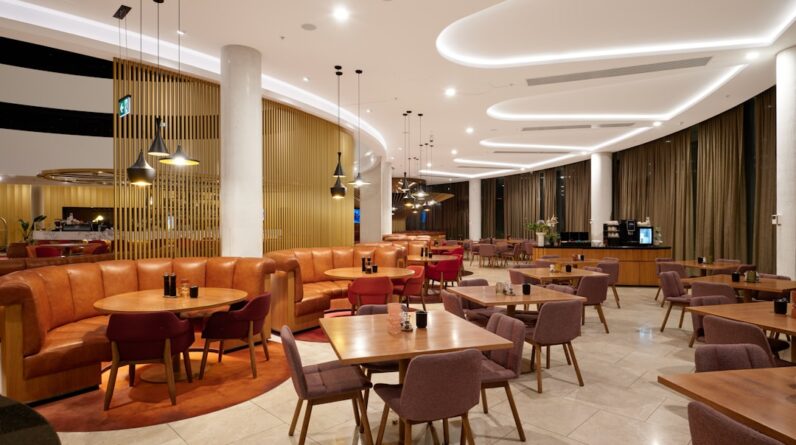
Cooley Station, Gilbert, Arizona, a vibrant and rapidly developing community, offers a compelling blend of suburban tranquility and modern convenience. As you settle into your home within this thriving locale, you might find yourself contemplating how to translate your personal vision into the physical space that surrounds you. This is where the expertise of interior design services becomes invaluable. They are the architects of ambiance, the sculptors of style, and the interpreters of your aspirations, transforming raw living areas into functional and aesthetically pleasing havens. In Cooley Station, a diverse range of design professionals stands ready to assist you in this endeavor, each with their unique approach and specialization. This article aims to guide you through the process of identifying and engaging the best interior design service to suit your needs, transforming your house into a home that truly reflects your personality and lifestyle.
Understanding the Core of Interior Design Services
Before embarking on your search, it is crucial to understand the fundamental principles and scope of professional interior design. Think of interior design services as a compass and a map for your home’s journey from ordinary to extraordinary. They don’t just pick out pretty colors; they weave together form, function, and feeling.
The Foundation of Functionality
A well-designed space prioritizes how you live. This means considering the flow of traffic, the placement of furniture for optimal usability, and the creation of distinct zones for different activities.
Space Planning and Layout Optimization
This is the bedrock upon which a successful design is built. Whether you’re working with an expansive open-concept layout or a more intimate dwelling, a designer will analyze your existing space and propose modifications to enhance its efficiency and appeal. This might involve suggesting the repositioning of walls, the creation of new doorways, or even the strategic use of built-in elements to maximize every square foot. They understand that a well-planned room is like a perfectly orchestrated symphony, where every element plays its part harmoniously.
Ergonomics and User Experience
Beyond aesthetics, a designer considers the human element. This means ensuring that furniture is comfortable, that lighting is adequate for various tasks, and that the overall environment promotes well-being. They delve into the nuances of how you interact with your space, anticipating your needs before you even articulate them.
The Art of Aesthetics and Style
This is the more visible aspect of interior design, where personal taste and professional expertise converge to create a cohesive and captivating visual narrative.
Color Theory and Material Selection
The skillful application of color can profoundly influence mood and perception. Designers are adept at understanding color palettes that evoke specific emotions, from calming blues for a bedroom to energizing yellows for a home office. Similarly, the choice of materials – from flooring and countertops to fabrics and finishes – dictates the texture, durability, and overall character of your interior.
Furniture Selection and Arrangement
This is more than just placing sofas and chairs. It involves curating pieces that are both aesthetically pleasing and functionally appropriate for your space and lifestyle. A designer will help you navigate the vast world of furniture options, considering scale, proportion, and style to ensure each piece contributes to the overall design. They act as curators, selecting statement pieces and supporting elements that create a balanced and harmonious ensemble.
Lighting Design
Lighting is often the unsung hero of interior design. It can transform a space from dark and dreary to bright and inviting, highlight architectural features, and create specific moods. Designers understand the interplay of ambient, task, and accent lighting to create a layered and dynamic illumination scheme.
The Psychological Impact of Design
Beyond the tangible, interior design has a profound impact on your mental and emotional state. A well-designed space can reduce stress, foster creativity, and promote a sense of belonging.
Creating Atmosphere and Mood
The right combination of elements can transform a room into a tranquil retreat, a stimulating workspace, or a welcoming gathering place. Designers are adept at manipulating light, color, texture, and form to evoke desired atmospheres.
Enhancing Well-being and Productivity
Research consistently demonstrates the link between our environment and our well-being. A thoughtfully designed home can contribute to reduced stress levels, improved sleep, and increased productivity.
Identifying Your Needs: The First Step to Design Success
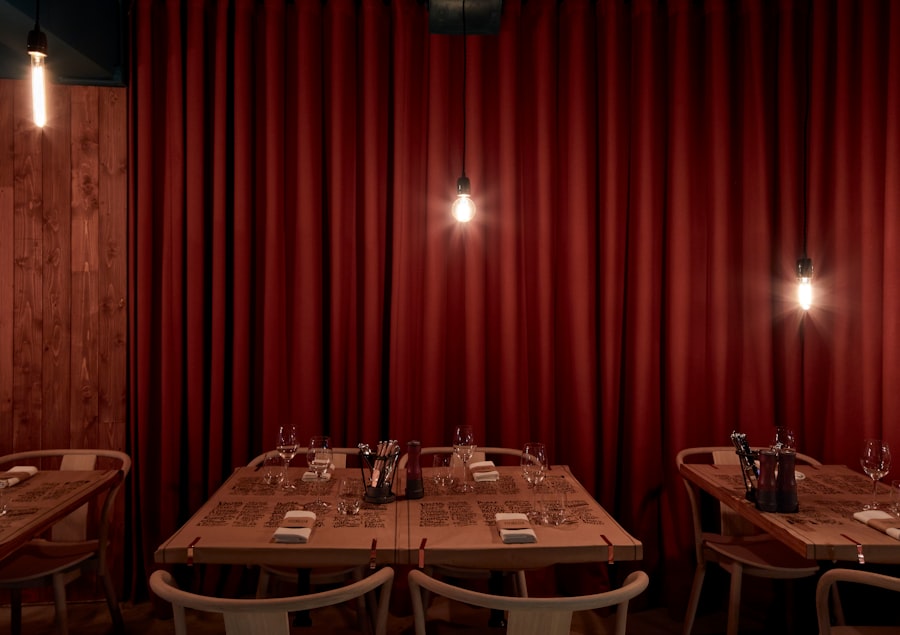
Before you begin searching for design services in Cooley Station, it’s essential to engage in some introspection. This preliminary step is like sketching the initial outline before the painter begins applying color. A clear understanding of your desires will lead you to the right professional.
Defining Your Project Scope
Are you looking to renovate an entire home, redecorate a single room, or perhaps find specific pieces of furniture? Being clear about the extent of your project will help you narrow down your search.
Full-Home Renovations and Remodels
This is a significant undertaking, requiring a designer with experience managing large-scale projects, coordinating with contractors, and overseeing all aspects of the construction and design process. They act as the conductor of a complex orchestra, ensuring every instrument plays in tune.
Single-Room Makeovers
This might involve updating a living room, a bedroom, or a kitchen. The focus here is on creating a cohesive and functional redesign within a specific area.
Furnishing and Decorating Services
If your home’s structure is sound but lacks personality, a designer can help you select and arrange furniture, select accessories, and complete the aesthetic vision.
Articulating Your Style Preferences
While you may not be able to pinpoint specific design terms, try to gather inspiration from magazines, Pinterest, or other homes you admire. What colors, textures, and overall feelings do you gravitate towards?
Modern and Minimalist Aesthetics
This style emphasizes clean lines, uncluttered spaces, and a neutral color palette, often incorporating natural materials.
Traditional and Classic Elegance
This approach often features rich fabrics, intricate detailing, and a timeless sense of sophistication.
Transitional and Eclectic Styles
These styles offer a blend of different design elements, allowing for a more personalized and layered look.
Budget Considerations
A realistic budget is crucial. Discuss your financial parameters openly with potential designers to ensure their services align with your expectations. They can guide you in making informed decisions that balance your desires with your budget.
Establishing a Realistic Financial Framework
Understanding what you can afford is a non-negotiable starting point. This will inform every decision, from the scale of the project to the quality of materials chosen.
Value Engineering and Cost-Effective Solutions
Experienced designers can often identify ways to achieve your desired look and function without exceeding your budget, employing clever material choices or prioritizing key investments.
Navigating the Cooley Station Design Landscape
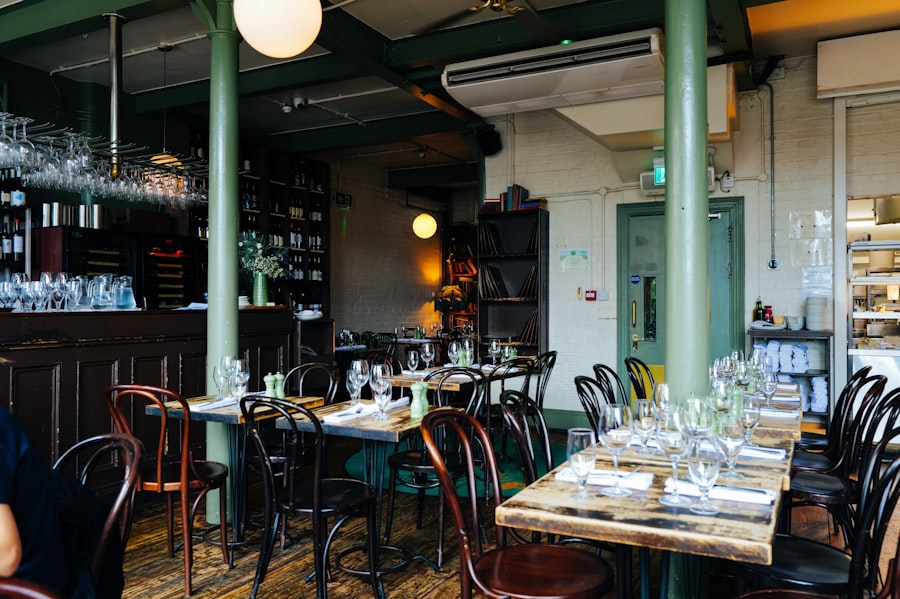
Cooley Station and its surrounding areas in Gilbert, Arizona, host a variety of interior design firms and independent designers, each offering a distinct set of skills and philosophies. Your journey to finding the best fit involves a deliberate exploration of these options.
Researching Local Design Firms
Utilize online resources, local directories, and client testimonials to identify reputable design businesses in the Cooley Station vicinity.
Online Portfolios and Websites
These platforms provide a visual representation of a designer’s past work, offering insights into their style, capabilities, and project history. It’s akin to browsing an artist’s gallery before commissioning a piece.
Client Reviews and Testimonials
Word-of-mouth referrals and online reviews can offer valuable perspectives on a designer’s professionalism, communication, and client satisfaction. These are the whispers of past clients, guiding your choices.
Considering Independent Interior Designers
Independent designers can offer a more personalized and often more flexible approach.
The Advantages of Personalized Service
An independent designer may offer a more hands-on and tailored experience, fostering a deeper collaborative relationship.
Assessing Experience and Specializations
Some designers specialize in specific areas, such as kitchen and bath remodels, commercial spaces, or sustainable design. Identifying this specialization can be key if your project has unique requirements.
The Importance of Consultations
Scheduling initial consultations with several designers is a critical step in the selection process. This is where the initial spark of connection and understanding is forged.
Initial Meeting Objectives
During the consultation, you should discuss your project, review their portfolio, and gauge their communication style and understanding of your vision. It’s a mutual interview.
Asking Key Questions
Prepare a list of questions regarding their process, fees, project timelines, and how they handle client feedback.
The Design Process: A Collaborative Journey
| Service Provider | Design Style | Years of Experience | Customer Rating (out of 5) | Project Completion Time (weeks) | Special Features |
|---|---|---|---|---|---|
| Cooley Interiors | Modern & Contemporary | 12 | 4.8 | 6 | Custom furniture, eco-friendly materials |
| Gilbert Design Studio | Transitional & Minimalist | 8 | 4.6 | 5 | 3D renderings, space planning |
| Arizona Luxe Interiors | Luxury & Classic | 15 | 4.9 | 7 | High-end finishes, personalized consultations |
| Desert Home Designs | Southwestern & Rustic | 10 | 4.7 | 6 | Local artisan decor, sustainable sourcing |
Once you select a designer, you embark on a collaborative journey. Open communication and a willingness to compromise are essential for a successful outcome. This process is best viewed as a dance between your ideas and their expertise.
The Discovery and Conceptualization Phase
This initial stage involves a deep dive into your needs, preferences, and the existing space.
In-Depth Client Briefing
Your designer will ask detailed questions about your lifestyle, functional requirements, aesthetic desires, and budget. They are acting as detectives, uncovering the blueprint of your ideal living.
Site Analysis and Measurement
The designer will thoroughly assess your space, taking measurements and documenting existing conditions to inform their design proposals.
Design Development and Presentation
Based on the discovery phase, the designer will develop preliminary design concepts.
Mood Boards and Material Samples
These visual aids help you understand the proposed color palettes, textures, and overall ambiance. It’s like a painter presenting sketches before the final masterpiece.
Floor Plans and Renderings
These detailed drawings illustrate the proposed layout, furniture placement, and overall spatial arrangement, often brought to life with 3D renderings.
The Execution and Implementation Stage
This is where the design transforms from concept to reality.
Sourcing and Procurement
Your designer will source furniture, finishes, and accessories, often leveraging their trade relationships for better pricing and access. They are the procurement specialists, ensuring every element is acquired.
Project Management and Contractor Coordination
For larger projects, the designer will often manage the construction process, coordinating with contractors, architects, and other tradespeople to ensure the project stays on schedule and within budget. They are the conductors, ensuring all members of the construction orchestra play in unison.
Installation and Final Touches
The final stage involves the installation of furniture and decor, with the designer ensuring every element is placed perfectly, bringing the vision to fruition.
Making the Informed Decision
Choosing an interior design service is an investment in your home and your well-being. By approaching the process with a clear understanding of your needs, thorough research, and open communication, you can confidently select a designer who will help you create a living space that is both beautiful and functional in Cooley Station, Gilbert, Arizona. Remember, your home is a canvas, and a skilled designer is your brush, ready to bring your most cherished visions to life.
FAQs
What types of interior design services are offered in Cooley Station, Gilbert, Arizona?
Interior design services in Cooley Station, Gilbert, Arizona typically include space planning, color consultation, furniture selection, lighting design, custom cabinetry, and full project management for residential and commercial properties.
How can I find the best interior design service in Cooley Station, Gilbert?
To find the best interior design service, consider checking online reviews, asking for recommendations from local residents, reviewing portfolios of previous work, and scheduling consultations to discuss your style preferences and budget.
What is the average cost of hiring an interior designer in Gilbert, Arizona?
The cost of hiring an interior designer in Gilbert, Arizona varies depending on the scope of the project, designer experience, and materials used. On average, fees can range from $50 to $200 per hour or a flat fee based on the project size.
Are interior design services in Cooley Station suitable for both new constructions and remodels?
Yes, interior design services in Cooley Station cater to both new construction projects and remodeling or renovation efforts, helping clients create functional and aesthetically pleasing spaces.
How long does an interior design project typically take in Cooley Station, Gilbert?
The duration of an interior design project in Cooley Station depends on the complexity and scale of the work but generally ranges from a few weeks for small projects to several months for larger, more detailed designs.