Interior design is more than just making a space look aesthetically pleasing; it is crucial to our well-being. A space’s design can significantly impact our mood, productivity, and physical health. Beyond just the walls and furniture, interior design encompasses everything from color schemes to lighting and layout. This blog post will explore how interior design can positively influence our well-being.

1. Mood Enhancement –
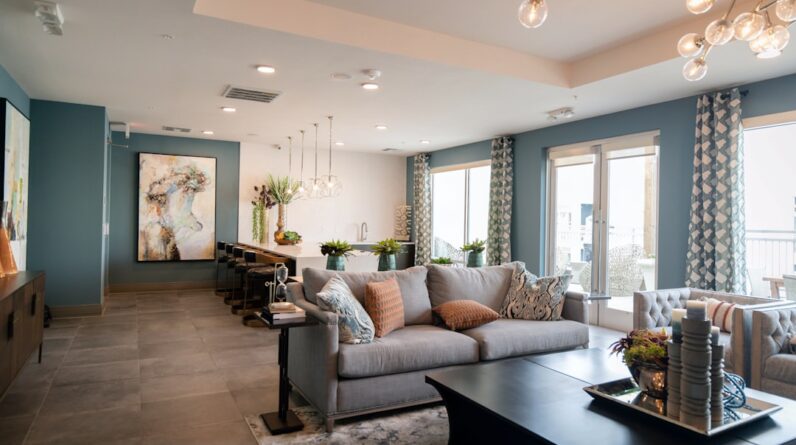
One of the most apparent ways interior design affects our well-being is through its impact on our mood. Colors, textures, and patterns can all create a space that feels inviting and uplifting. For example, warm colors like reds and oranges create energy and excitement, while cooler tones like blues and greens can promote relaxation and calmness. By carefully selecting the colors and materials used in a space, interior designers can create an atmosphere that encourages positive emotions and reduces stress.
2. Increased Productivity –
Another critical benefit of thoughtful interior design is its ability to enhance productivity. The layout of a space, the placement of furniture, and the amount of natural light can all impact our ability to focus and work efficiently. For example, an office with ample natural light and ergonomic furniture can promote well-being and help employees stay focused throughout the day. By optimizing the design of a workspace, interior designers can create environments that support productivity and creativity.
3. Improved Physical Health –
In addition to boosting mood and productivity, interior design can positively impact our physical health. Factors such as air quality, lighting, and acoustics all play a role in creating a healthy and comfortable environment. For example, incorporating plants into a space can improve air quality and reduce stress, while proper lighting can prevent eye strain and headaches. By considering design’s impact on physical well-being, designers can create spaces promoting health and wellness.
4. Personalized Spaces –
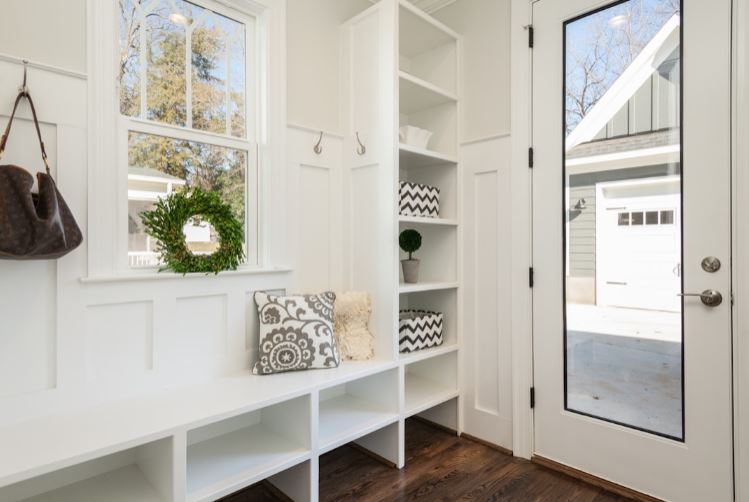
One of the most important aspects of interior design is creating personalized spaces that reflect the individual needs and preferences of the occupants. By understanding the unique lifestyle and tastes of the people using a space, designers can create tailored and welcoming environments. Whether a cozy living room that encourages relaxation or a vibrant workspace that inspires creativity, personalized design can enhance our overall well-being by making us feel truly at home.
5. Connection to Nature –
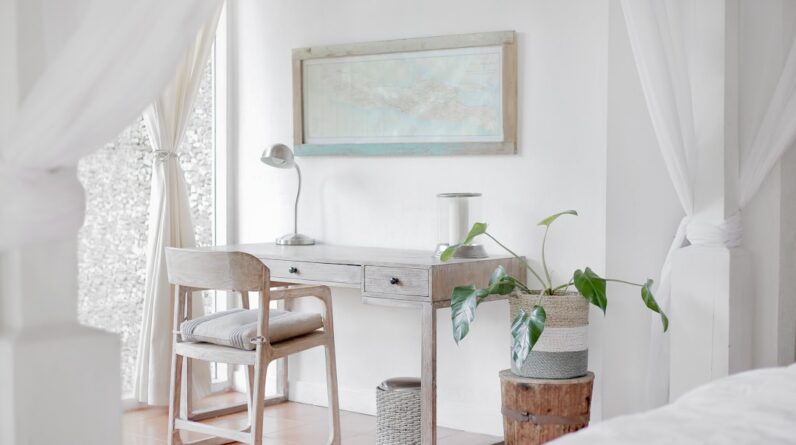
Research has shown that incorporating elements of nature into interior design can profoundly impact our well-being. Biophilic design emphasizes the connection between humans and nature and has been shown to reduce stress, improve mood, and increase productivity. By bringing natural elements such as plants, wood, and natural light into a space, designers can create calming and rejuvenating environments. This connection to nature can profoundly impact our mental and emotional health, helping us feel more grounded and connected to the world.

Interior design is a powerful tool that can significantly impact our well-being. From enhancing mood and productivity to improving physical health and creating personalized spaces, the design of our environments plays a crucial role in how we feel and function daily. By understanding how design influences our well-being, we can create spaces that support our mental, emotional, and physical health.
Content 10/10/G