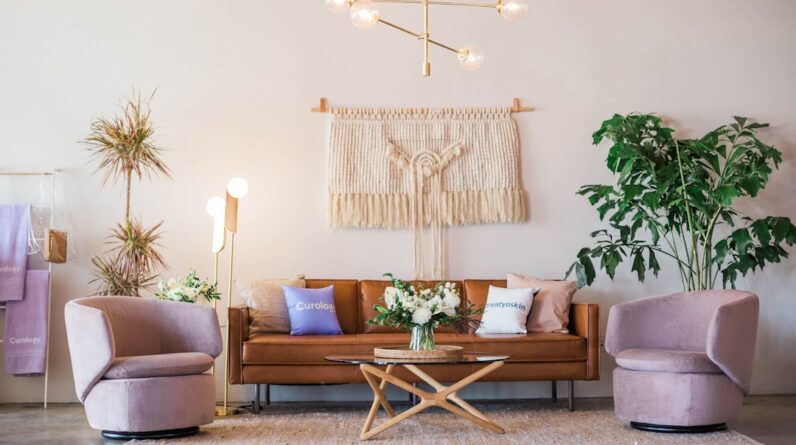
Lighting design plays a pivotal role in shaping the ambiance of any space, whether it be a cozy home, a bustling restaurant, or a serene office environment. The way light is utilized can dramatically alter the perception of a room, influencing not only how it looks but also how it feels. Thoughtful lighting design can evoke emotions, highlight architectural features, and create focal points that draw the eye.
For instance, a well-lit dining area with warm, soft lighting can foster intimacy and encourage conversation, while a brightly lit workspace can enhance focus and productivity. The strategic placement and intensity of light sources can transform an ordinary space into an extraordinary experience. Moreover, lighting design is not merely about illumination; it is an art form that combines functionality with aesthetics.
Designers must consider various factors such as the purpose of the space, the activities that will take place there, and the desired emotional response from its occupants. For example, in a retail environment, lighting can be used to guide customers through the store, highlighting specific products and creating an inviting atmosphere that encourages purchases. In contrast, in a gallery setting, lighting must be carefully calibrated to showcase artwork without causing glare or distortion.
Thus, effective lighting design is essential for creating an ambiance that aligns with the intended use of the space while also enhancing its visual appeal.
Key Takeaways
- Lighting design plays a crucial role in creating ambiance and setting the mood in any space.
- Understanding the psychology of light is essential as it directly affects people’s emotions and behaviors.
- Choosing the right lighting fixtures for different spaces is important to ensure functionality and aesthetics.
- Incorporating color and temperature in lighting design can greatly impact the atmosphere of a room.
- Utilizing light control systems can enhance the ambiance and create a more dynamic environment.
Understanding the Psychology of Light and How it Affects Mood
The psychology of light is a fascinating field that explores how different types of lighting can influence human emotions and behaviors. Research has shown that light can significantly affect mood, productivity, and even physiological responses. For instance, natural light has been linked to increased levels of serotonin, a neurotransmitter that contributes to feelings of well-being and happiness.
Conversely, harsh fluorescent lighting often found in office environments can lead to feelings of fatigue and irritability. Understanding these psychological effects is crucial for designers who aim to create spaces that promote positive experiences. Different colors and intensities of light can evoke various emotional responses.
Warm white light tends to create a sense of comfort and relaxation, making it ideal for residential spaces such as living rooms and bedrooms. On the other hand, cooler white light can enhance alertness and concentration, making it suitable for workspaces or study areas. Additionally, the timing of light exposure plays a significant role in regulating circadian rhythms, which can affect sleep patterns and overall health.
By harnessing the psychological effects of light, designers can create environments that not only look appealing but also support the well-being of their occupants.
Choosing the Right Lighting Fixtures for Different Spaces
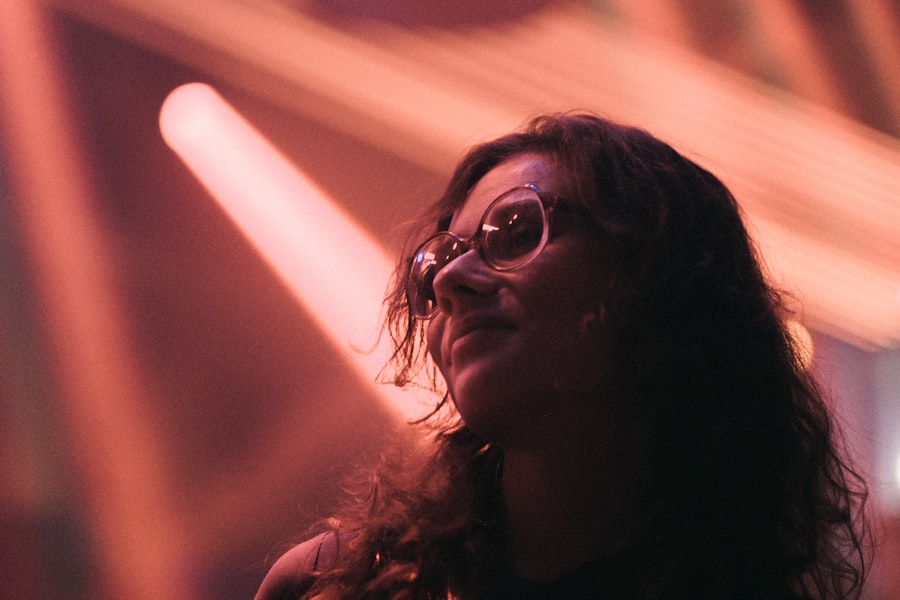
Selecting appropriate lighting fixtures is a critical aspect of effective lighting design. The choice of fixtures should align with the function of the space while also complementing its aesthetic style. For example, pendant lights are often used in dining areas to provide focused illumination over tables, creating an inviting atmosphere for meals and gatherings.
In contrast, recessed lighting can offer a sleek and modern look in living rooms or hallways while providing general illumination without taking up visual space. In addition to style and function, energy efficiency is another important consideration when choosing lighting fixtures. With advancements in technology, LED fixtures have become increasingly popular due to their longevity and lower energy consumption compared to traditional incandescent bulbs.
Designers must also consider the scale of fixtures in relation to the size of the room; oversized chandeliers can create a dramatic focal point in grand entryways, while smaller sconces may be more appropriate for intimate spaces like reading nooks. Ultimately, the right combination of fixtures can enhance both the functionality and aesthetic appeal of any environment.
Incorporating Color and Temperature in Lighting Design
Color temperature is a crucial element in lighting design that significantly impacts the mood and functionality of a space. Measured in Kelvin (K), color temperature describes the appearance of light emitted by a source. Warm white light (typically around 2700K to 3000K) creates a cozy and inviting atmosphere, making it ideal for residential settings such as bedrooms and living rooms.
In contrast, cooler white light (4000K to 5000K) is often used in commercial spaces where clarity and focus are paramount, such as offices or retail environments. Incorporating color into lighting design goes beyond just temperature; it also involves using colored light to create specific effects or moods. For instance, colored LED lights can be employed to set a festive tone during celebrations or to create thematic atmospheres in restaurants or bars.
Additionally, color-changing fixtures allow for versatility in mood setting; a space can transition from vibrant hues during social gatherings to softer tones for more intimate occasions with just a flick of a switch. By thoughtfully integrating color and temperature into lighting design, designers can craft environments that resonate with their intended purpose and audience.
Utilizing Light Control Systems to Enhance Atmosphere
Light control systems have revolutionized the way we interact with lighting in our environments. These systems allow users to adjust brightness levels, color temperatures, and even the timing of light exposure to suit their needs and preferences. Dimming capabilities enable users to create varying atmospheres throughout the day; for example, bright lighting may be desired during work hours for increased productivity, while softer lighting may be preferred in the evening for relaxation.
Smart lighting systems take this concept further by integrating technology that allows for remote control via smartphones or voice-activated devices. This level of control not only enhances convenience but also enables users to customize their environments based on specific activities or moods. For instance, a homeowner might program their lights to gradually brighten in the morning to simulate a natural sunrise or set them to change colors during movie nights for an immersive experience.
By utilizing advanced light control systems, designers can empower occupants to tailor their environments to their personal preferences, ultimately enhancing their overall experience.
Balancing Natural and Artificial Light for a Harmonious Environment

Achieving a balance between natural and artificial light is essential for creating harmonious environments that promote well-being and comfort. Natural light has numerous benefits; it not only enhances mood but also contributes to better health by regulating circadian rhythms and reducing eye strain associated with artificial lighting. Designers should strive to maximize natural light through strategic window placement, skylights, and reflective surfaces that bounce light deeper into spaces.
However, relying solely on natural light may not always be feasible due to factors such as geographic location or building orientation. Therefore, integrating artificial lighting becomes crucial in maintaining adequate illumination throughout the day and evening hours. The key lies in creating layers of light—combining ambient, task, and accent lighting—to ensure that spaces remain functional and inviting regardless of external conditions.
For example, during winter months when daylight hours are shorter, well-placed artificial lights can supplement natural light effectively while maintaining a warm ambiance that mimics sunlight.
The Role of Lighting in Architectural and Interior Design
Lighting serves as an integral component of both architectural and interior design, influencing how spaces are perceived and experienced. In architectural design, lighting can accentuate structural elements such as columns, arches, or facades, drawing attention to the unique characteristics of a building. For instance, uplighting can highlight textured surfaces or create dramatic shadows that enhance architectural features at night.
In interior design, lighting plays a vital role in defining spaces and guiding movement within them. It helps delineate areas within open floor plans or creates focal points that draw attention to artwork or decorative elements. Designers often use layering techniques—combining ambient, task, and accent lighting—to create depth and visual interest within interiors.
This approach not only enhances aesthetics but also improves functionality by ensuring that each area is appropriately illuminated for its intended use.
Trends and Innovations in Lighting Design for Creating Unique Atmospheres
The field of lighting design is continually evolving with new trends and innovations that push the boundaries of creativity and functionality. One notable trend is the rise of biophilic design principles that incorporate natural elements into built environments. This includes using organic shapes in lighting fixtures or integrating nature-inspired patterns into light designs to create calming atmospheres reminiscent of outdoor settings.
Another innovation gaining traction is the use of smart technology in lighting systems. These systems allow for greater customization through programmable settings that adapt to users’ lifestyles. For example, circadian rhythm lighting mimics natural daylight patterns throughout the day, promoting better sleep quality and overall well-being.
Additionally, advancements in LED technology have led to more energy-efficient options with longer lifespans and improved color rendering capabilities. As sustainability becomes increasingly important in design practices, many designers are exploring eco-friendly materials for fixtures and energy-efficient solutions that minimize environmental impact without sacrificing aesthetics or performance. By embracing these trends and innovations, designers can create unique atmospheres that resonate with contemporary values while enhancing user experiences across various environments.
FAQs
What is lighting design?
Lighting design is the process of planning and creating lighting arrangements to enhance the aesthetic appeal and functionality of a space. It involves the strategic placement of light fixtures, selection of appropriate lighting types, and consideration of the desired ambiance and atmosphere.
What is the importance of lighting design?
Lighting design plays a crucial role in setting the mood, creating ambiance, and influencing the atmosphere of a space. It can enhance architectural features, highlight focal points, and improve the overall visual appeal of an environment.
What factors are considered in lighting design?
In lighting design, factors such as the purpose of the space, the activities that will take place, the desired mood or ambiance, the architectural features, and the color scheme are all taken into consideration. Additionally, energy efficiency and sustainability are also important considerations in modern lighting design.
What are the different types of lighting used in design?
Common types of lighting used in design include ambient lighting, which provides overall illumination; task lighting, which is focused on specific work areas; accent lighting, which highlights architectural features or decor; and decorative lighting, which adds aesthetic appeal.
How does lighting design impact ambiance and atmosphere?
Lighting design can significantly impact the ambiance and atmosphere of a space by influencing the perception of size, shape, and color, as well as creating a sense of warmth, intimacy, or drama. It can also affect the overall mood and emotional response of individuals within the environment.