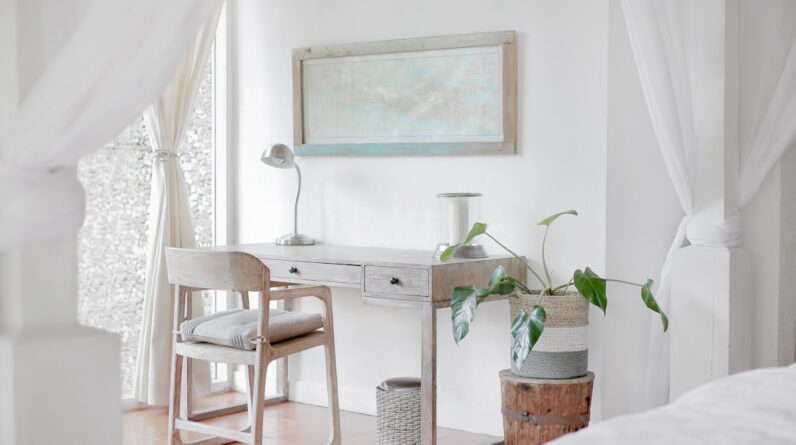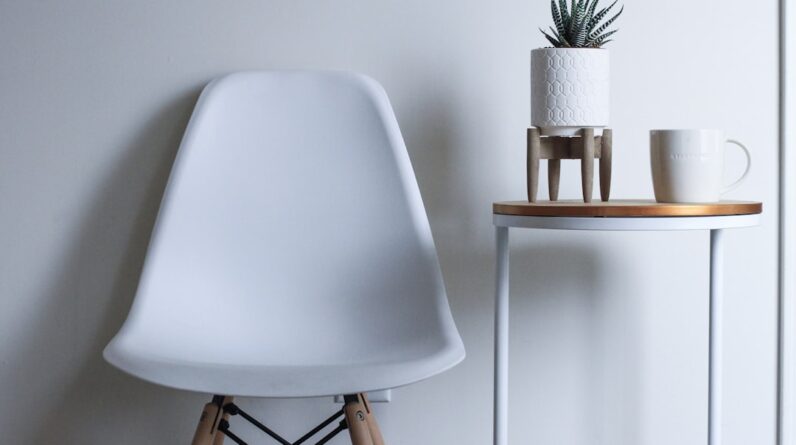
When you embark on the journey of interior design, the first step is to familiarize yourself with the various styles that exist. Each style has its own unique characteristics, history, and emotional resonance. From the sleek lines of modernism to the ornate details of baroque, understanding these styles can help you articulate your vision for your space.
You might find yourself drawn to the warmth of rustic farmhouse aesthetics or the minimalism of Scandinavian design. By recognizing what appeals to you, you can create a foundation for your design choices. Moreover, understanding interior design styles allows you to appreciate the nuances that differentiate them.
For instance, mid-century modern design is characterized by its organic forms and functional furniture, while industrial design often features raw materials and an urban vibe. By exploring these styles, you can identify elements that resonate with your personal taste and lifestyle. This knowledge not only enhances your ability to curate a space that feels authentic but also empowers you to make informed decisions when blending different styles.
Key Takeaways
- Understanding Interior Design Styles:
- There are various interior design styles, each with its own unique characteristics and elements.
- It’s important to understand the key features of different interior design styles to effectively blend them.
- Benefits of Blending Interior Design Styles:
- Blending interior design styles can create a unique and personalized space that reflects your individual taste.
- It allows for greater flexibility and creativity in decorating your home.
- How to Blend Different Interior Design Styles:
- Start by identifying the common elements between the styles you want to blend.
- Use a cohesive color palette and mix and match furniture and decor from different styles.
- Examples of Successful Blended Interior Design Styles:
- Mid-century modern and bohemian
- Industrial and Scandinavian
- Tips for Achieving a Cohesive Look when Blending Interior Design Styles:
- Stick to a consistent color scheme throughout the space.
- Use a mix of textures and patterns to add visual interest and balance.
- Common Mistakes to Avoid when Blending Interior Design Styles:
- Overcrowding the space with too many different elements.
- Ignoring the importance of balance and harmony in the design.
- Incorporating Personal Touches into Blended Interior Design Styles:
- Display personal collections and artwork to add character to the space.
- Incorporate sentimental items and family heirlooms into the decor.
- Embracing the Beauty of Eclectic Interior Design:
- Embrace the mix-and-match nature of eclectic design to create a truly unique and personalized space.
- Don’t be afraid to experiment with different styles and create a space that reflects your personality and interests.
Benefits of Blending Interior Design Styles
Blending interior design styles can breathe new life into your home, creating a space that feels both unique and personal. One of the primary benefits of this approach is the opportunity for creativity. When you mix styles, you can combine elements that reflect your personality and interests, resulting in a space that tells your story.
This creative freedom allows you to experiment with colors, textures, and forms that might not traditionally coexist, leading to a more dynamic and engaging environment. Additionally, blending styles can enhance functionality in your space. For example, you might incorporate the comfort of a cozy cottage style with the sleekness of contemporary design, creating a living area that is both inviting and practical.
This fusion can also help you maximize the use of space by allowing you to select pieces that serve multiple purposes. Ultimately, blending styles not only enriches the aesthetic appeal of your home but also contributes to a more functional and enjoyable living experience.
How to Blend Different Interior Design Styles
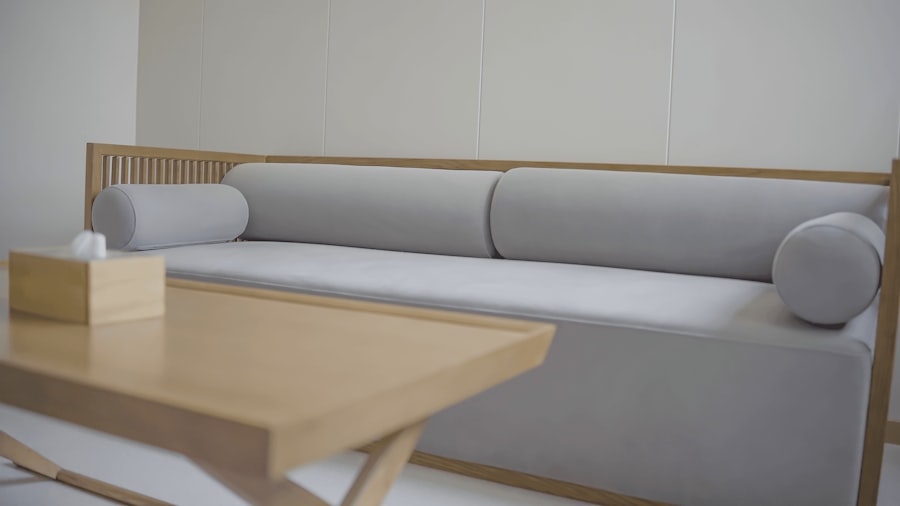
To successfully blend different interior design styles, start by identifying a unifying theme or color palette that resonates with you. This common thread will serve as a foundation for your design choices, ensuring that disparate elements come together harmoniously. For instance, if you love both bohemian and industrial styles, consider using a neutral color palette with earthy tones to create cohesion between the two.
This approach allows you to incorporate various textures and patterns without overwhelming the space. Next, focus on selecting key pieces that embody the essence of each style while complementing one another. For example, you might choose a vintage rug that adds warmth to an otherwise minimalist room or pair sleek furniture with eclectic artwork.
The key is to strike a balance between contrasting elements while maintaining a sense of harmony. By thoughtfully curating your selections, you can create a layered look that feels intentional rather than chaotic.
Examples of Successful Blended Interior Design Styles
There are countless examples of successful blended interior design styles that showcase the beauty of mixing aesthetics. One popular combination is the fusion of modern and rustic elements. Imagine a sleek, contemporary kitchen adorned with reclaimed wood accents and vintage-inspired lighting fixtures.
This blend creates an inviting atmosphere while maintaining a clean and modern feel. The juxtaposition of materials adds depth and character to the space. Another inspiring example is the combination of coastal and farmhouse styles.
Picture a bright, airy living room featuring shiplap walls, soft pastel colors, and natural textures like jute rugs and wicker furniture. This blend evokes a sense of tranquility while incorporating the charm of farmhouse design. By merging these two styles, you can create a serene retreat that feels both relaxed and stylish.
Tips for Achieving a Cohesive Look when Blending Interior Design Styles
Achieving a cohesive look when blending interior design styles requires careful consideration and planning. One effective tip is to establish a focal point in each room that ties together the various elements. This could be a statement piece of furniture, an eye-catching artwork, or even a bold accent wall.
By directing attention to this focal point, you can create a sense of unity amidst the diversity of styles. Another important aspect is to maintain consistency in your choice of materials and finishes. For instance, if you’re blending modern and traditional styles, consider using similar wood tones or metal finishes throughout the space.
This consistency helps to create visual flow and prevents any one style from overpowering the others. Additionally, incorporating similar patterns or textures across different elements can further enhance cohesion in your design.
Common Mistakes to Avoid when Blending Interior Design Styles
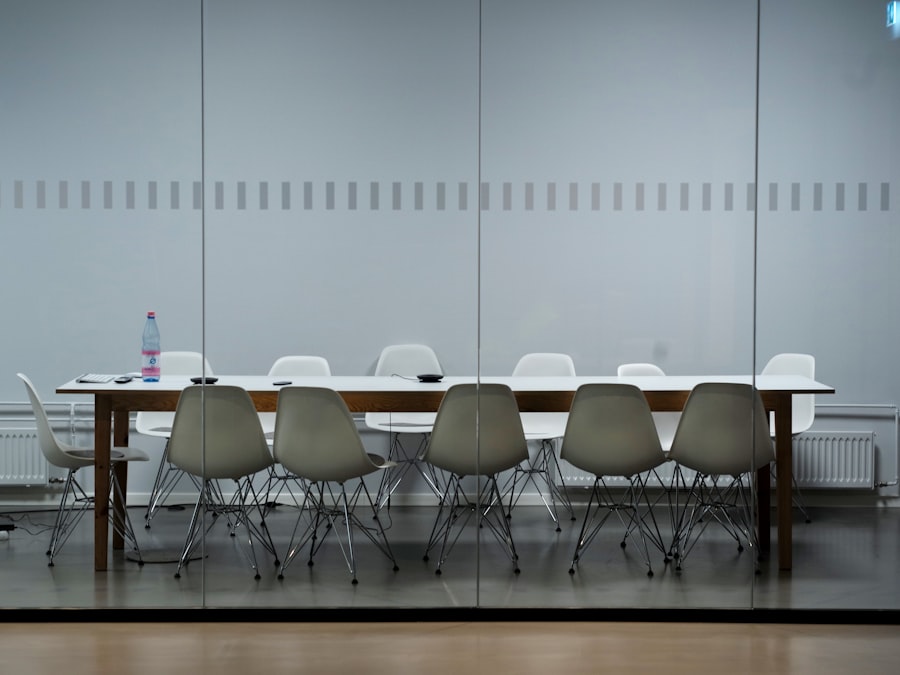
While blending interior design styles can be rewarding, there are common pitfalls to avoid in order to achieve a successful outcome. One major mistake is overloading your space with too many contrasting elements. While variety can be exciting, an excess of styles can lead to visual chaos and confusion.
Instead, aim for a balanced approach by selecting a few key styles to blend rather than trying to incorporate every trend you admire. Another common error is neglecting scale and proportion when choosing furniture and decor. Mixing oversized pieces with delicate accents can create an unbalanced look that feels disjointed.
To avoid this issue, pay attention to the scale of each item in relation to the overall space. Strive for harmony by selecting pieces that complement each other in size and shape.
Incorporating Personal Touches into Blended Interior Design Styles
One of the most rewarding aspects of blending interior design styles is the opportunity to infuse your personal touches into the mix. Your home should reflect who you are and what you love, so don’t hesitate to showcase items that hold sentimental value or represent your interests. Whether it’s a collection of travel souvenirs or family heirlooms, these personal touches can serve as conversation starters while adding depth to your design.
Additionally, consider incorporating artwork or decor that resonates with your personality. This could be anything from bold abstract paintings to handmade crafts that reflect your cultural heritage. By integrating these unique elements into your blended design, you create a space that feels authentically yours—one that tells your story through its diverse influences.
Embracing the Beauty of Eclectic Interior Design
Embracing eclectic interior design allows you to celebrate diversity in aesthetics while creating a space that feels vibrant and alive. This style encourages experimentation and invites you to mix various influences without adhering strictly to any one trend. The beauty of eclectic design lies in its ability to surprise and delight; it’s about finding joy in unexpected combinations.
To fully embrace this style, allow yourself the freedom to explore different textures, colors, and patterns without fear of judgment. You might find inspiration in global textiles, vintage finds, or contemporary art—each piece contributing to the overall narrative of your home. By celebrating eclecticism, you not only create a visually stimulating environment but also cultivate a sense of individuality that reflects your unique taste and experiences.
In conclusion, blending interior design styles offers an exciting opportunity for creativity and self-expression in your home decor journey. By understanding various styles, recognizing their benefits, and applying thoughtful strategies for blending them together, you can create spaces that are both functional and aesthetically pleasing. Remember to avoid common mistakes while incorporating personal touches that make your home truly yours.
Embrace the beauty of eclectic design as you curate an environment that tells your story through its diverse influences.
FAQs
What is blending interior design styles?
Blending interior design styles refers to the practice of combining elements from different design styles to create a cohesive and harmonious look within a space.
Why blend interior design styles?
Blending interior design styles allows for a more personalized and unique aesthetic, as well as the opportunity to incorporate different cultural influences and design preferences.
What are some popular interior design styles to blend?
Some popular interior design styles to blend include modern and traditional, Scandinavian and bohemian, industrial and rustic, and minimalist and eclectic.
How can one effectively blend interior design styles?
To effectively blend interior design styles, it is important to identify common elements between the styles, such as color palettes, textures, and materials, and to use them as a cohesive thread throughout the space.
What are some tips for blending interior design styles?
Some tips for blending interior design styles include starting with a neutral base, incorporating elements from each style in moderation, and using a unifying element, such as a specific color or material, to tie the different styles together.