In today’s fast-paced urban environments, the need for a connection to nature has never been more critical. Biophilic design, which emphasizes the integration of natural elements into built environments, has emerged as a vital approach in contemporary interior design. This design philosophy recognizes that humans have an inherent affinity for nature, often referred to as biophilia.
By incorporating natural elements into interiors, you can create spaces that not only enhance aesthetic appeal but also promote emotional and psychological well-being. As you navigate through your daily life, the spaces you inhabit can significantly influence your mood, productivity, and overall health. The importance of biophilic design extends beyond mere aesthetics; it serves as a remedy for the disconnection many people feel in urban settings.
With the rise of technology and the prevalence of artificial environments, you may find yourself yearning for a sense of tranquility and grounding that only nature can provide. Biophilic design seeks to bridge this gap by introducing elements such as natural light, greenery, and organic materials into your living and working spaces. This approach not only fosters a sense of peace but also encourages creativity and innovation, making it an essential consideration for modern interiors.
Key Takeaways
- Biophilic design is crucial for contemporary interiors as it promotes a connection to nature and enhances overall well-being.
- Natural elements such as plants, water features, and natural light can be incorporated into interior design to create a biophilic environment.
- Biophilic design has numerous benefits for mental and physical well-being, including stress reduction, improved air quality, and increased productivity.
- Creating a connection to nature through interior design can be achieved through the use of organic materials, natural patterns, and views of the outdoors.
- Biophilic design principles can be utilized in different interior spaces, such as offices, homes, and public spaces, to create a sense of tranquility and connection to nature.
Incorporating Natural Elements into Interior Design
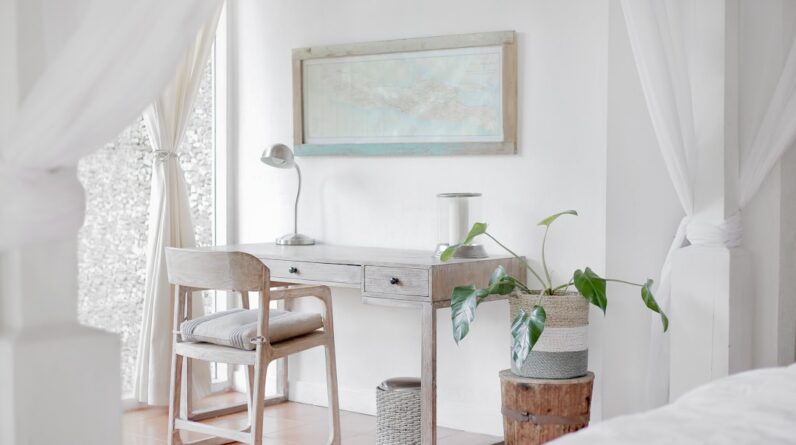
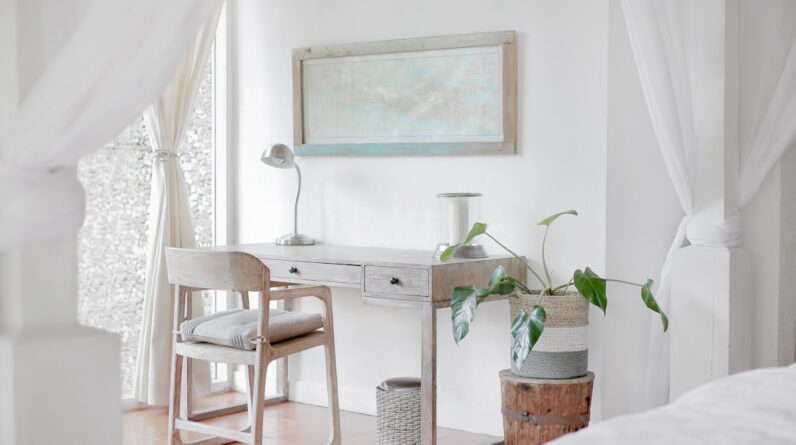
When it comes to incorporating natural elements into your interior design, the possibilities are vast and varied. One of the most straightforward ways to achieve this is through the use of plants. Indoor greenery can transform a sterile environment into a vibrant oasis, providing both visual interest and a sense of calm.
You might consider adding potted plants, vertical gardens, or even small trees to your space. Each plant not only enhances the aesthetic but also contributes to improved air quality, making your environment healthier. In addition to plants, consider using natural materials in your furnishings and decor.
Wood, stone, and textiles made from organic fibers can create a warm and inviting atmosphere. You may choose reclaimed wood for furniture or flooring, which not only adds character but also promotes sustainability. Textiles like cotton or linen can soften a space while maintaining a connection to nature.
By thoughtfully selecting these materials, you can create an interior that feels both grounded and harmonious with the natural world.
Benefits of Biophilic Design for Mental and Physical Well-being

The benefits of biophilic design extend far beyond aesthetics; they encompass significant improvements in mental and physical well-being. Research has shown that exposure to natural elements can reduce stress levels, enhance mood, and even boost cognitive function. When you incorporate biophilic design into your spaces, you may find that your overall sense of happiness and satisfaction increases.
The calming effects of nature can help mitigate feelings of anxiety and depression, creating a more balanced emotional state. Moreover, biophilic design can have tangible physical health benefits as well. Natural light, for instance, is crucial for regulating circadian rhythms, which can improve sleep quality and overall energy levels.
By maximizing natural light in your interiors, you may experience increased productivity and focus throughout the day. Additionally, incorporating elements like water features or natural ventilation can further enhance air quality and promote a healthier living environment. Ultimately, embracing biophilic design can lead to a more fulfilling and healthier lifestyle.
Creating a Connection to Nature through Interior Design
Creating a connection to nature through interior design involves more than just adding plants or using natural materials; it requires a thoughtful approach to how you interact with your environment. One effective way to foster this connection is by maximizing views of the outdoors. Large windows or glass doors can blur the lines between indoor and outdoor spaces, allowing you to appreciate the beauty of nature from within your home or workspace.
You might also consider designing outdoor spaces that seamlessly integrate with your interiors, such as patios or balconies that invite you to step outside. Another way to deepen your connection to nature is by incorporating sensory experiences into your design. Think about how different textures, colors, and sounds can evoke feelings associated with the natural world.
For example, using earthy tones in your color palette can create a calming atmosphere reminiscent of a forest or beach. Additionally, incorporating water features or soundscapes can provide soothing auditory experiences that mimic the tranquility of nature. By engaging multiple senses in your design choices, you can create an immersive environment that fosters a profound connection to the natural world.
Utilizing Biophilic Design Principles in Different Interior Spaces
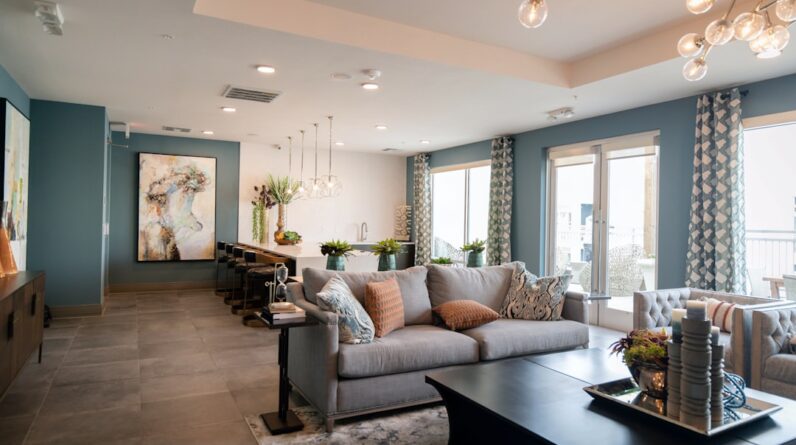
Biophilic design principles can be applied across various interior spaces, each benefiting uniquely from this approach. In residential settings, for instance, you might focus on creating cozy nooks filled with plants and natural light where you can unwind after a long day. Open-concept living areas can be enhanced with large windows that invite sunlight and views of greenery outside, fostering a sense of spaciousness and connection to nature.
In commercial spaces such as offices or retail environments, biophilic design can significantly impact employee productivity and customer experience. Incorporating elements like living walls or biophilic art installations can create an inviting atmosphere that encourages collaboration and creativity among employees. For retail spaces, using natural materials in displays or creating inviting lounge areas with plants can enhance customer satisfaction and encourage longer visits.
By tailoring biophilic design principles to suit different interior spaces, you can maximize their potential for well-being and engagement.
Examples of Successful Biophilic Design in Contemporary Interiors

Numerous contemporary interiors exemplify the successful application of biophilic design principles. One notable example is the Amazon Spheres in Seattle, which feature lush greenery and natural light within a corporate setting. These glass-enclosed structures allow employees to work amidst a diverse array of plants, fostering creativity and well-being while blurring the lines between indoor and outdoor environments.
Another inspiring case is the Bosco Verticale (Vertical Forest) in Milan, Italy. This residential complex features two towers adorned with thousands of trees and plants on its balconies, creating a stunning visual impact while improving air quality in the urban environment. Such projects highlight how biophilic design can transform not only individual interiors but entire cityscapes by integrating nature into architectural practices.
How to Integrate Biophilic Design into Your Home or Workspace
Integrating biophilic design into your home or workspace doesn’t have to be an overwhelming task; it can be approached gradually and thoughtfully. Start by assessing your current space and identifying areas where you can introduce natural elements. Consider adding plants in various sizes and types to create visual interest while improving air quality.
You might also explore options for maximizing natural light through window treatments that allow sunlight to filter in without compromising privacy. Additionally, think about how you can incorporate natural materials into your furnishings and decor. Opt for wooden furniture pieces or textiles made from organic fibers that resonate with the essence of nature.
You could also introduce artwork that reflects natural landscapes or themes to further enhance the connection to the outdoors. By taking small steps toward integrating biophilic design principles into your space, you can create an environment that nurtures both your well-being and creativity.
Future Trends in Biophilic Design for Interior Spaces
As awareness of the importance of biophilic design continues to grow, several trends are emerging that will shape its future in interior spaces. One significant trend is the increasing use of technology to enhance our connection with nature. Innovations such as smart lighting systems that mimic natural daylight patterns or virtual reality experiences that simulate outdoor environments are becoming more prevalent in modern interiors.
Another trend is the emphasis on sustainability within biophilic design practices. As environmental concerns become more pressing, designers are focusing on using eco-friendly materials and practices that promote sustainability while still embracing natural elements. This shift not only benefits individual well-being but also contributes positively to the planet’s health.
In conclusion, biophilic design is not merely a trend; it represents a fundamental shift in how we approach interior spaces in relation to our well-being and connection to nature. By understanding its importance and actively incorporating its principles into your home or workspace, you can create environments that nurture both body and mind while fostering a deeper appreciation for the natural world around you.
FAQs
What is biophilic design?
Biophilic design is an approach to architecture and interior design that seeks to connect people with the natural environment. It incorporates natural elements, materials, light, vegetation, and views of nature into the built environment.
What are the benefits of biophilic design in interiors?
Biophilic design has been shown to have numerous benefits, including improved mental well-being, reduced stress, increased productivity, and enhanced creativity. It can also contribute to better air quality and overall health.
How can biophilic design be incorporated into contemporary interiors?
Biophilic design can be incorporated into contemporary interiors through the use of natural materials such as wood and stone, the inclusion of plants and greenery, maximizing natural light, and creating views of nature through windows and other design elements.
Are there specific principles of biophilic design that designers follow?
Yes, there are several principles of biophilic design, including incorporating natural shapes and forms, utilizing natural patterns and textures, creating a connection to the natural world through views and vistas, and integrating natural light and air into interior spaces.
Is biophilic design a sustainable design approach?
Yes, biophilic design is often considered a sustainable design approach because it can reduce the need for artificial lighting and ventilation, and it can promote the use of sustainable materials and practices. It can also contribute to a healthier and more productive indoor environment, reducing the need for energy-intensive interventions.