Contemporary design is a dynamic and ever-evolving field that reflects the current trends, technologies, and cultural shifts of our time. As you delve into this realm, you will discover that it encompasses a wide array of disciplines, including architecture, interior design, fashion, and graphic design. The essence of contemporary design lies in its ability to adapt and respond to the changing needs and preferences of society.
It is characterized by clean lines, minimalism, and a focus on functionality, all while embracing innovation and creativity. In recent years, one particular element has gained significant traction within contemporary design: geometric patterns. These patterns, with their sharp angles and symmetrical forms, have become a staple in various design disciplines.
They not only add visual interest but also evoke a sense of order and harmony. As you explore the influence of geometric patterns in contemporary design, you will uncover their versatility and the myriad ways they can be integrated into different design contexts.
Key Takeaways
- Contemporary design encompasses a wide range of styles and influences, often incorporating geometric patterns to create a modern and dynamic aesthetic.
- Geometric patterns have a significant influence on contemporary design, offering a sense of order, balance, and visual interest to various creative fields.
- Geometric patterns are increasingly popular in interior design, with their ability to add depth, dimension, and a sense of movement to spaces.
- Fashion and textile design frequently incorporate geometric patterns to create visually striking and dynamic clothing and fabric designs.
- Graphic design and branding often utilize geometric patterns to convey a sense of modernity, precision, and sophistication in visual communication.
The Influence of Geometric Patterns in Contemporary Design
Inspiration from Diverse Sources
The simplicity of geometric shapes allows for endless possibilities in their application, making them a favorite among designers seeking to create striking yet balanced compositions.
Emotional Resonance of Geometric Patterns
Moreover, the use of geometric patterns can evoke various emotions and responses from viewers. For instance, sharp angles may convey a sense of energy and dynamism, while softer curves can evoke feelings of calmness and tranquility. As you engage with these patterns, consider how they can transform a space or an object, enhancing its overall appeal and functionality.
Beyond Aesthetics: The Principles of Design
The interplay between geometry and design is not merely aesthetic; it also speaks to the underlying principles of balance, proportion, and rhythm that are essential in creating cohesive designs.
The Popularity of Geometric Patterns in Interior Design

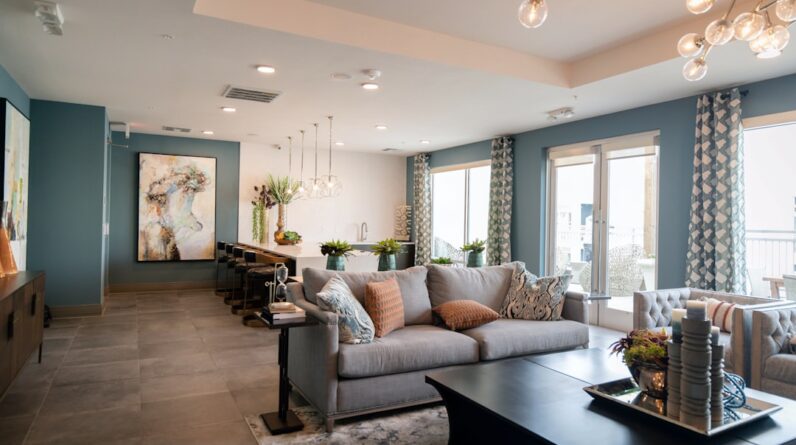
In the realm of interior design, geometric patterns have surged in popularity, becoming a go-to choice for homeowners and designers alike. You might find these patterns adorning everything from wallpaper to rugs, creating focal points that draw the eye and add depth to a room. The versatility of geometric designs allows them to seamlessly blend with various styles, whether you prefer a modern minimalist aesthetic or a more eclectic approach.
One of the reasons for the widespread appeal of geometric patterns in interior design is their ability to create visual interest without overwhelming a space. You can use bold geometric prints as statement pieces or incorporate subtler designs for a more understated look. For instance, a large geometric mural can serve as a captivating backdrop in a living room, while smaller patterned accents like cushions or throws can add layers of texture and color without dominating the overall design scheme.
As you experiment with these patterns in your own spaces, consider how they can enhance your personal style while maintaining a sense of harmony.
Geometric Patterns in Fashion and Textile Design
The world of fashion and textile design has also embraced geometric patterns with open arms. You may have noticed that many clothing lines feature bold prints that incorporate triangles, circles, and other shapes in innovative ways. These designs not only make a statement but also reflect the wearer’s personality and sense of style.
As you explore fashion collections, pay attention to how designers utilize geometric patterns to create unique silhouettes and eye-catching ensembles. In textile design, geometric patterns play a crucial role in defining the character of fabrics used for clothing, upholstery, and accessories. You might find that these patterns can range from intricate and detailed to simple and graphic, allowing for a wide variety of applications.
The tactile quality of textiles combined with striking geometric designs can elevate everyday items into works of art. As you consider your own wardrobe or home decor choices, think about how incorporating geometric textiles can add an element of sophistication and modernity to your style.
The Use of Geometric Patterns in Graphic Design and Branding
Graphic design is another field where geometric patterns have made a significant impact. You may have observed that many brands utilize these patterns in their logos, marketing materials, and digital content to create a strong visual identity. The clean lines and structured forms associated with geometric designs convey professionalism and reliability, making them an ideal choice for businesses looking to establish a memorable brand presence.
As you navigate through various graphic design projects or branding initiatives, consider how geometric patterns can enhance your visual storytelling. They can be used to create backgrounds, borders, or even as focal points within compositions. The adaptability of geometric shapes allows for creative experimentation; you can manipulate colors, sizes, and arrangements to align with your brand’s message and values.
By incorporating these patterns into your designs, you not only elevate the aesthetic appeal but also reinforce the brand’s identity in the minds of consumers.
Geometric Patterns in Architecture and Industrial Design

The Aesthetic and Functional Role of Geometric Patterns
Many contemporary buildings feature intricate geometric designs on their facades, which not only add to their visual appeal but also contribute to their functionality. These patterns can enhance the flow of natural light, improve acoustics, or provide structural support, all while creating visually stunning forms.
Geometric Patterns and Perception of Scale and Proportion
As you explore architectural spaces or industrial products, consider how geometric patterns influence your perception of scale and proportion. They can create a sense of rhythm within a structure or product line, guiding the viewer’s eye through the design. Additionally, the use of geometric forms can evoke feelings of stability and permanence, making them particularly appealing in architectural contexts.
Reflecting Values of Innovation and Sustainability
As you engage with these designs, think about how they reflect the values of innovation and sustainability that are increasingly important in contemporary architecture.
The Role of Technology in Creating Geometric Patterns
Technology has revolutionized the way designers create and implement geometric patterns across various disciplines. You may find that advanced software tools allow for precise manipulation of shapes and forms, enabling designers to experiment with complex arrangements that were once difficult to achieve by hand. This technological advancement has opened up new avenues for creativity, allowing for intricate designs that push the boundaries of traditional aesthetics.
Moreover, technology has facilitated the production process itself. With techniques such as 3D printing and laser cutting, designers can bring their geometric visions to life with remarkable accuracy and efficiency. As you consider the impact of technology on contemporary design, reflect on how it has democratized access to sophisticated tools and resources.
This accessibility empowers emerging designers to explore their creativity without limitations while fostering innovation within the industry.
The Future of Geometric Patterns in Contemporary Design
As you look ahead to the future of contemporary design, it is clear that geometric patterns will continue to play a significant role in shaping visual culture. With ongoing advancements in technology and an ever-evolving understanding of aesthetics, you can expect to see new interpretations of these patterns emerge across various disciplines. Designers will likely experiment with unconventional materials and techniques to create dynamic compositions that challenge traditional notions of form and function.
Furthermore, as sustainability becomes an increasingly important consideration in design practices, geometric patterns may evolve to reflect eco-friendly principles. You might see designers incorporating natural materials or biophilic elements into their geometric designs, creating harmonious connections between the built environment and nature. As you engage with contemporary design trends, keep an eye on how geometric patterns adapt to reflect societal values while continuing to inspire creativity and innovation.
In conclusion, the influence of geometric patterns in contemporary design is undeniable. From interior spaces to fashion runways and architectural marvels, these shapes have become integral to expressing modern aesthetics. As you explore this fascinating intersection of art and functionality, consider how you can incorporate geometric elements into your own creative endeavors or personal style.
The future holds endless possibilities for these timeless designs as they continue to evolve alongside our ever-changing world.
FAQs
What is contemporary design?
Contemporary design refers to the current design trends and styles that are popular at the present time. It often incorporates modern elements and materials to create a sleek and minimalist look.
What are geometric patterns?
Geometric patterns are designs that are based on geometric shapes such as circles, squares, triangles, and lines. These patterns are often used in art, architecture, and design to create visually appealing and structured compositions.
How are geometric patterns used in contemporary design?
Geometric patterns are commonly used in contemporary design to add visual interest and a modern aesthetic to spaces. They can be found in furniture, textiles, wallpaper, and architectural details, among other applications.
What are the benefits of using geometric patterns in contemporary design?
Geometric patterns can add a sense of order and structure to a space, as well as create a visually dynamic and engaging environment. They can also help to create a sense of balance and harmony in a design.
Are there any specific trends in the use of geometric patterns in contemporary design?
Some current trends in the use of geometric patterns in contemporary design include the use of bold, oversized patterns, as well as the incorporation of metallic and iridescent finishes. Additionally, there is a growing interest in combining different geometric patterns to create unique and eclectic designs.