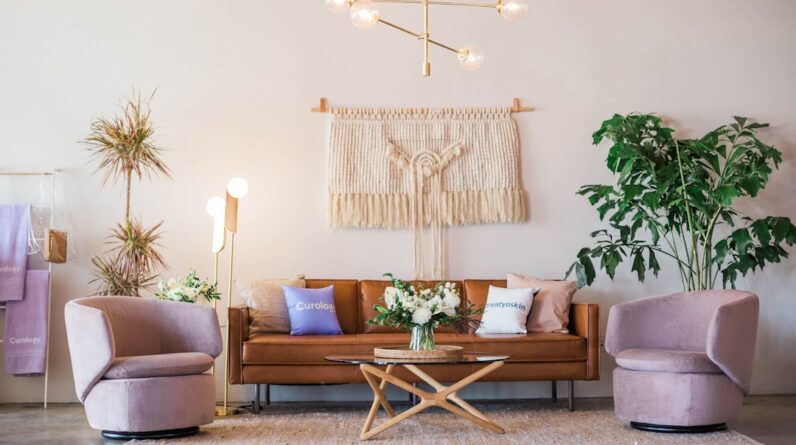
Interior design is a dynamic field that reflects the evolving tastes, lifestyles, and values of society. As we move through different eras, the trends in interior design shift, influenced by cultural movements, technological advancements, and environmental considerations. The importance of understanding these trends cannot be overstated, as they not only inform the aesthetic choices we make in our living spaces but also impact functionality and comfort.
In recent years, the rise of social media platforms has accelerated the dissemination of design ideas, allowing homeowners and designers alike to draw inspiration from a global pool of creativity. The interplay between personal style and current trends is a delicate balance. While trends can provide a fresh perspective and invigorate a space, they can also lead to choices that may not resonate with an individual’s unique taste.
Therefore, it is essential to approach interior design with an open mind while remaining true to one’s preferences. This article will explore the hot trends currently shaping the interior design landscape, identify those that may be waning in popularity, and offer practical advice on how to incorporate these trends into your home without compromising your personal style.
Key Takeaways
- Interior design trends are constantly evolving and can greatly impact the look and feel of a home.
- Hot trends in interior design include natural materials, bold colors, and maximalist decor.
- Not-so-hot trends in interior design include overly matchy-matchy furniture sets and overly themed rooms.
- Incorporate hot trends into your home by adding statement pieces, incorporating natural elements, and experimenting with bold colors.
- Avoid not-so-hot trends in your home by focusing on timeless pieces, avoiding overly trendy decor, and prioritizing functionality over aesthetics.
Hot Trends in Interior Design
One of the most prominent trends in contemporary interior design is the emphasis on sustainability. As awareness of environmental issues grows, many homeowners are seeking eco-friendly materials and practices. This trend manifests in various ways, from the use of reclaimed wood and recycled materials to energy-efficient appliances and fixtures.
Designers are increasingly prioritizing sustainable sourcing, ensuring that products are not only aesthetically pleasing but also environmentally responsible. For instance, bamboo flooring has gained popularity due to its rapid renewability and durability, making it an attractive choice for eco-conscious homeowners. Another hot trend is the incorporation of biophilic design elements, which aim to connect indoor spaces with nature.
This approach can be seen in the use of large windows that invite natural light and views of the outdoors, as well as the integration of indoor plants to enhance air quality and create a calming atmosphere. Living walls, or vertical gardens, have become particularly popular in urban settings where outdoor space is limited. These installations not only serve as stunning focal points but also contribute to improved mental well-being by bringing a touch of nature indoors.
Not-So-Hot Trends in Interior Design

While some trends gain traction, others may fall out of favor as tastes evolve. One such trend that has seen a decline is the overuse of gray tones in interior spaces. Once heralded for their versatility and modern appeal, gray hues have become ubiquitous, leading to a sense of monotony in many homes.
As homeowners seek to infuse more personality into their spaces, there is a noticeable shift towards warmer color palettes that evoke comfort and vibrancy. Rich earth tones, soft pastels, and bold jewel tones are making a comeback as people look to create more inviting environments. Another trend that has lost its luster is the excessive use of open floor plans.
While open layouts were once celebrated for their spaciousness and flow, many homeowners are now recognizing the need for defined spaces that cater to specific functions. The rise of remote work has highlighted the importance of having dedicated areas for productivity, leading to a resurgence in traditional room layouts. This shift reflects a growing desire for privacy and organization within the home, as individuals seek to create environments that support both work and leisure.
How to Incorporate Hot Trends into Your Home
Incorporating hot trends into your home can be an exciting endeavor that allows you to refresh your space while staying aligned with current design movements. One effective way to do this is by starting small; consider introducing trendy elements through accessories or accent pieces. For example, if you are drawn to biophilic design, you might begin by adding a few indoor plants or a stylish planter to your living room.
Succulents and snake plants are low-maintenance options that can thrive indoors while enhancing your space’s aesthetic appeal. Another approach is to invest in key furniture pieces that embody current trends. For instance, if sustainability resonates with you, look for furniture made from reclaimed materials or ethically sourced wood.
Brands that prioritize eco-friendly practices often offer unique designs that stand out while aligning with your values. Additionally, consider incorporating textiles that reflect current color trends; throw pillows or area rugs in warm earth tones can instantly transform a room’s ambiance without requiring a complete overhaul.
Tips for Avoiding Not-So-Hot Trends in Your Home
To avoid falling into the trap of not-so-hot trends, it is crucial to remain informed about the evolving landscape of interior design while staying true to your personal style. One effective strategy is to conduct thorough research before making significant design decisions. Follow reputable design blogs, magazines, and social media accounts that showcase diverse perspectives on current trends.
By doing so, you can gain insights into what is gaining popularity and what may be on its way out. Additionally, consider the longevity of any trend before fully committing to it in your home. While it can be tempting to embrace the latest fad wholeheartedly, ask yourself whether it aligns with your long-term vision for your space.
For example, if you are considering an open floor plan but value privacy and defined spaces, it may be wiser to explore alternative layouts that better suit your lifestyle. Ultimately, prioritizing functionality and comfort over fleeting trends will lead to a more satisfying and enduring design.
Budget-Friendly Ways to Update Your Home with Trendy Designs

Updating your home with trendy designs doesn’t have to break the bank; there are numerous budget-friendly strategies you can employ to achieve a fresh look without overspending. One effective method is to repurpose existing furniture or decor items by giving them a new lease on life through DIY projects. For instance, an old wooden chair can be sanded down and painted in a trendy color or reupholstered with modern fabric to create a statement piece that feels contemporary.
Another cost-effective approach is to shop second-hand or vintage stores for unique finds that align with current trends. Thrift shops often carry hidden gems that can add character to your home while being budget-friendly. Look for items like vintage lighting fixtures or retro furniture pieces that can be integrated into your design scheme.
Additionally, consider swapping decor items with friends or family members; this not only refreshes your space but also fosters a sense of community and creativity.
Expert Advice on Navigating Interior Design Trends
Navigating the ever-changing world of interior design trends can be daunting, but seeking expert advice can provide valuable guidance. Interior designers often emphasize the importance of understanding your personal style before diving into trends. They recommend creating a mood board that reflects your preferences in color, texture, and overall aesthetic.
This visual representation can serve as a reference point when exploring new trends, ensuring that any changes you make align with your vision. Moreover, professionals suggest taking a holistic approach when incorporating trends into your home. Instead of focusing solely on individual elements, consider how they interact with one another within the broader context of your space.
For example, if you choose to introduce biophilic elements through plants, think about how they complement your existing color palette and furniture choices. This cohesive approach will result in a more harmonious design that feels intentional rather than haphazard.
Embracing Your Personal Style in Interior Design
Ultimately, the key to successful interior design lies in embracing your personal style while remaining open to new ideas and trends. The world of interior design is rich with possibilities, offering endless opportunities for creativity and self-expression. By understanding which trends resonate with you and which do not, you can curate a space that reflects your individuality while still feeling contemporary.
As you embark on your design journey, remember that trends are merely tools at your disposal; they should enhance rather than dictate your choices. Whether you opt for sustainable materials or choose to incorporate biophilic elements, let your personal preferences guide you toward creating a home that feels uniquely yours. In doing so, you will not only enjoy a beautifully designed space but also cultivate an environment that nurtures your well-being and reflects your identity.
FAQs
What are some popular interior design trends for 2021?
Some popular interior design trends for 2021 include earthy tones, sustainable and natural materials, maximalist decor, and biophilic design.
What are some interior design trends that are no longer popular?
Some interior design trends that are no longer popular include all-white kitchens, accent walls, and industrial-style furniture.
How can I incorporate interior design trends into my home?
You can incorporate interior design trends into your home by adding elements such as natural materials, statement lighting, and bold patterns. It’s also important to choose trends that align with your personal style and preferences.
Are there any timeless interior design trends that never go out of style?
Some timeless interior design trends that never go out of style include classic furniture pieces, neutral color palettes, and functional and practical design elements.