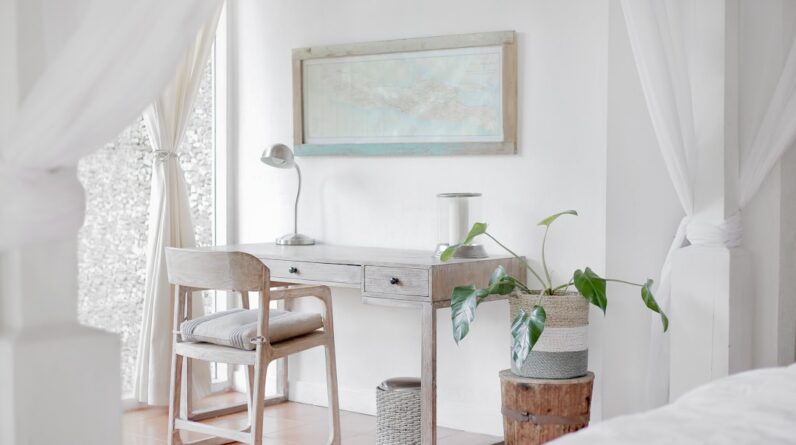
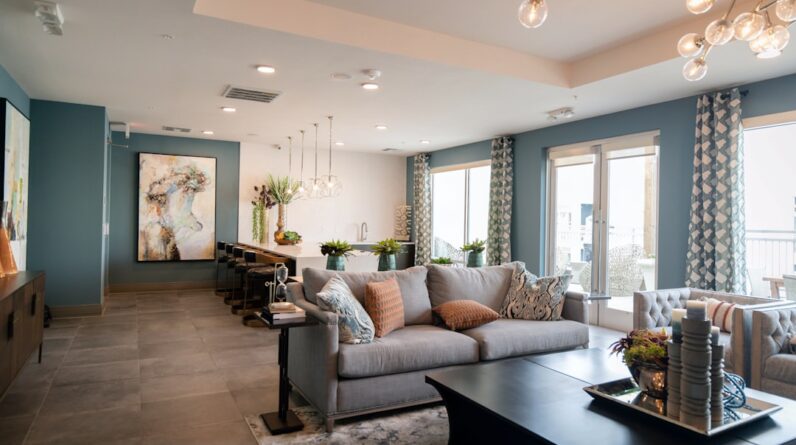
Contemporary interior design is a dynamic and ever-evolving style that reflects the current trends and cultural influences of the time. As you delve into this concept, you will find that it is characterized by clean lines, minimalism, and a focus on functionality. Unlike traditional design styles that often rely on ornate details and heavy furnishings, contemporary design embraces simplicity and a sense of spaciousness.
This approach allows you to create environments that feel open and inviting, making it easier to adapt to the changing needs of modern life. In contemporary interior design, the use of color, texture, and materials plays a crucial role in establishing a cohesive aesthetic. You may notice that neutral palettes are often favored, with splashes of bold colors used as accents to create visual interest.
The emphasis on natural light is another hallmark of this style, as large windows and open spaces are utilized to enhance the overall ambiance. By understanding these fundamental principles, you can begin to appreciate how contemporary design not only serves aesthetic purposes but also addresses the practical needs of today’s lifestyles.
Key Takeaways
- Contemporary interior design focuses on clean lines, minimalism, and a balance of form and function.
- Openness in contemporary interior design creates a sense of spaciousness and connectivity within a space.
- Privacy in contemporary interior design can be achieved through strategic placement of furniture, partitions, and use of materials.
- Balancing openness and privacy in different spaces requires a thoughtful approach to the layout and design elements.
- Design elements such as lighting, color, texture, and furniture can be utilized to achieve a harmonious balance in contemporary interior design.
The Importance of Openness in Contemporary Interior Design
Openness is a defining characteristic of contemporary interior design, and it serves multiple purposes in creating functional living spaces. When you embrace openness in your design choices, you foster an environment that encourages social interaction and connectivity. Open floor plans, for instance, allow for seamless transitions between different areas of your home, making it easier for family members and guests to engage with one another.
This fluidity can enhance the overall experience of your space, promoting a sense of community and togetherness. Moreover, an open design can significantly impact how you perceive and utilize your space. By minimizing barriers such as walls and heavy furniture, you create an illusion of greater square footage, which can be particularly beneficial in smaller homes or apartments.
The strategic placement of furniture can also help define areas within an open layout without compromising the overall flow. As you explore the importance of openness in contemporary design, consider how it can transform your living environment into a more inviting and functional space.
Creating Privacy in Contemporary Interior Design

While openness is essential in contemporary interior design, creating privacy is equally important. You may find that certain areas of your home require a sense of seclusion for relaxation or focused activities. For instance, bedrooms and home offices often benefit from privacy-enhancing elements that allow you to retreat from the hustle and bustle of daily life.
To achieve this balance, consider incorporating design features such as sliding doors, room dividers, or strategically placed furniture that can delineate spaces without completely closing them off. Another effective way to create privacy is through the use of textiles and materials. Soft furnishings like curtains or screens can provide a sense of enclosure while still allowing light to filter through.
Additionally, incorporating plants or greenery can serve as natural dividers that enhance both privacy and aesthetics. As you navigate the challenge of creating private spaces within an open layout, remember that thoughtful design choices can help you maintain a sense of tranquility without sacrificing the overall openness of your home.
Balancing Openness and Privacy in Different Spaces
Achieving a harmonious balance between openness and privacy is crucial in contemporary interior design, especially when considering the various functions of different spaces within your home. In communal areas such as living rooms and kitchens, you may want to prioritize openness to encourage interaction and socialization. However, in more intimate spaces like bedrooms or reading nooks, privacy becomes paramount.
Understanding how to navigate these contrasting needs will allow you to create a cohesive design that caters to both aspects. One effective strategy for balancing these elements is to designate specific zones within your home that serve distinct purposes. For example, you might choose to keep the living area open and airy while incorporating more enclosed spaces for bedrooms or home offices.
This approach not only enhances functionality but also allows you to tailor each area to its intended use. As you explore this balance, consider how different layouts and design elements can work together to create a seamless flow throughout your home while respecting the need for privacy in certain areas.
Utilizing Design Elements to Achieve Balance
To effectively balance openness and privacy in your contemporary interior design, it’s essential to utilize various design elements strategically. Lighting plays a significant role in this equation; natural light can enhance openness while also creating cozy corners for privacy when layered with softer lighting options. You might consider using pendant lights or floor lamps in specific areas to create intimate atmospheres without sacrificing the overall brightness of your space.
Additionally, color schemes can influence how open or private a space feels. Lighter colors tend to make areas feel more expansive and airy, while darker hues can create a sense of coziness and enclosure. By thoughtfully selecting your color palette, you can guide the emotional response to each area within your home.
Textures also contribute to this balance; incorporating a mix of smooth surfaces with softer materials can create visual interest while maintaining comfort. As you experiment with these design elements, keep in mind how they interact with one another to achieve the desired balance between openness and privacy.
Incorporating Technology for Privacy and Openness

In today’s digital age, technology plays an increasingly vital role in contemporary interior design, particularly when it comes to achieving a balance between privacy and openness. Smart home systems allow you to control lighting, temperature, and even window treatments with ease, enabling you to create an environment that adapts to your needs throughout the day. For instance, automated shades can provide instant privacy when needed while still allowing natural light to flood your space during the day.
Moreover, soundproofing technology can enhance privacy in open-concept homes by minimizing noise transfer between different areas. Acoustic panels or sound-absorbing materials can be integrated into your design without compromising aesthetics. As you explore the intersection of technology and design, consider how these innovations can enhance both the functionality and comfort of your living spaces while maintaining the desired balance between openness and privacy.
Case Studies of Successful Balancing of Openness and Privacy
Examining case studies of successful contemporary interior designs can provide valuable insights into how others have achieved a harmonious balance between openness and privacy. One notable example is a modern urban loft that features an open floor plan with strategically placed glass partitions. These partitions allow natural light to flow freely while providing necessary separation between living areas and private spaces like bedrooms or home offices.
The use of frosted glass adds an element of privacy without sacrificing the overall openness of the design. Another inspiring case study involves a family home designed with multifunctional spaces in mind. The living area seamlessly transitions into a dining space through the use of movable furniture that can be reconfigured based on the occasion.
Meanwhile, private areas are tucked away behind sliding doors that can be closed when needed but remain open during gatherings for a more inclusive atmosphere. These examples illustrate how thoughtful design choices can lead to successful outcomes in balancing openness and privacy within contemporary interiors.
Tips for Achieving Balance in Contemporary Interior Design
As you embark on your journey toward achieving balance in contemporary interior design, consider implementing several practical tips that can guide your decision-making process. First, assess the specific needs of each space within your home; understanding how each area will be used will inform your choices regarding openness and privacy. Next, experiment with different layouts before committing to a final design; sometimes, simply rearranging furniture can create a more functional flow.
Additionally, don’t shy away from incorporating multifunctional furniture pieces that serve dual purposes—such as ottomans with storage or foldable tables—that can adapt to various situations while maintaining an open feel. Finally, remember that achieving balance is an ongoing process; be open to making adjustments as your lifestyle changes over time. By keeping these tips in mind, you’ll be well-equipped to create a contemporary interior that beautifully balances openness and privacy for years to come.
FAQs
What is contemporary interior design?
Contemporary interior design refers to the current trends and styles in interior design. It often incorporates clean lines, minimalism, and a focus on open spaces and natural light.
How does contemporary interior design balance openness and privacy?
Contemporary interior design achieves a balance between openness and privacy by using elements such as sliding doors, room dividers, and strategically placed furniture to create separate areas within an open floor plan.
What are some key features of contemporary interior design?
Key features of contemporary interior design include neutral color palettes, use of natural materials such as wood and stone, and a focus on functionality and simplicity.
How does contemporary interior design incorporate natural light?
Contemporary interior design often incorporates large windows, skylights, and open floor plans to maximize natural light within a space. This helps create a sense of openness and connection to the outdoors.
What are some popular furniture choices in contemporary interior design?
Popular furniture choices in contemporary interior design include sleek and simple pieces with clean lines, often made from materials such as leather, metal, and glass. Minimalist and functional designs are also common.