When you think about creating a home that feels inviting and refreshing, the importance of natural light cannot be overstated. You might find that large windows, skylights, and open spaces can transform your living environment into a sanctuary filled with warmth and positivity. By allowing sunlight to flood your rooms, you not only enhance the aesthetic appeal but also improve your mood and well-being.
Imagine waking up to the gentle rays of the sun streaming through your bedroom window, illuminating the space and energizing your day. This connection to nature can be incredibly grounding, making your home feel more alive. To maximize natural light, consider the layout of your home.
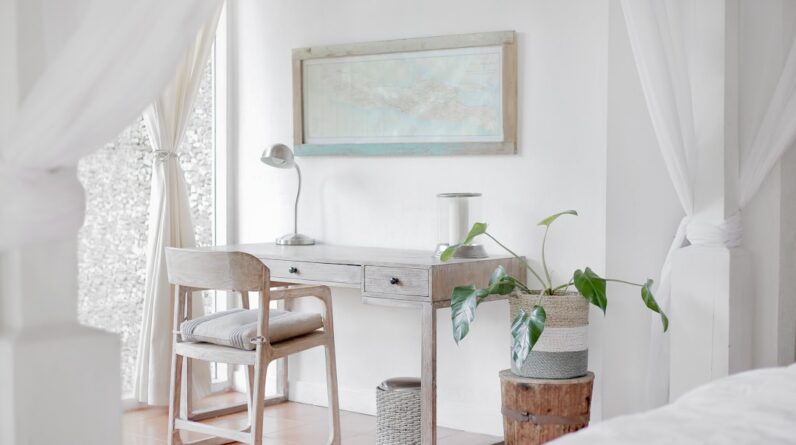
You may want to prioritize open spaces that flow seamlessly from one room to another, allowing light to travel freely. Opting for lighter colors on walls and ceilings can also help reflect sunlight, making your space feel even more expansive. You could incorporate sheer curtains or blinds that can be easily adjusted to control the amount of light entering your home.
By thoughtfully designing your space to embrace natural light, you create an airy atmosphere that invites relaxation and creativity.
Key Takeaways
- Embracing natural light and airy spaces can create a sense of openness and tranquility in the home.
- Incorporating nautical elements and a coastal color palette can bring a sense of relaxation and serenity to the space.
- Utilizing sustainable and eco-friendly materials not only benefits the environment but also creates a healthier living space.
- Creating open floor plans and seamless indoor-outdoor living can enhance the flow of the home and connect it to the surrounding environment.
- Showcasing local art and handcrafted décor adds a personal touch and supports the local community.
Incorporating Nautical Elements and Color Palette
If you have a love for the sea or simply want to evoke a sense of tranquility in your home, incorporating nautical elements can be a delightful choice. You might consider using a color palette inspired by coastal landscapes—think soft blues, sandy beiges, and crisp whites. These colors can create a serene backdrop that mimics the calming effect of the ocean.
Imagine walking into a room painted in a soft seafoam green, accented with navy blue throw pillows and driftwood decor; it instantly transports you to a beachside retreat. In addition to color, you can introduce nautical elements through decor and furnishings. Items like rope accents, seashells, and marine-inspired artwork can add character and charm to your space.
You might even consider incorporating furniture made from reclaimed wood or pieces that resemble boat designs. By weaving these elements into your home, you create a cohesive theme that not only reflects your personal style but also fosters a sense of peace and connection to nature.
Utilizing Sustainable and Eco-Friendly Materials
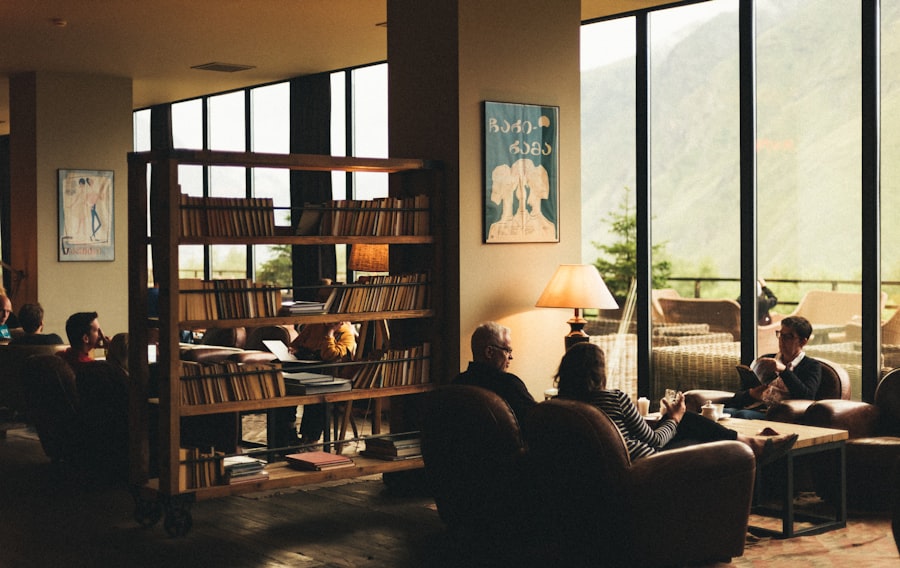
In today’s world, being mindful of the environment is more important than ever. When designing your home, you have the opportunity to make choices that reflect your commitment to sustainability. Utilizing eco-friendly materials not only benefits the planet but can also enhance the overall quality of your living space.
For instance, you might choose bamboo flooring or reclaimed wood for your furniture, both of which are sustainable options that add warmth and character to your home. Additionally, consider incorporating energy-efficient appliances and fixtures that reduce your carbon footprint while saving you money in the long run. You could install low-flow faucets and LED lighting to minimize water and energy consumption.
By making these conscious choices, you create a home that is not only beautiful but also responsible. Embracing sustainability in your design process allows you to enjoy a space that aligns with your values while contributing positively to the environment.
Creating Open Floor Plans and Seamless Indoor-Outdoor Living
The concept of open floor plans has gained popularity for good reason; they promote a sense of spaciousness and connectivity within the home. You might find that removing unnecessary walls creates an inviting atmosphere where family members can interact freely. An open layout allows for better flow between living areas, making it easier to entertain guests or keep an eye on children while cooking in the kitchen.
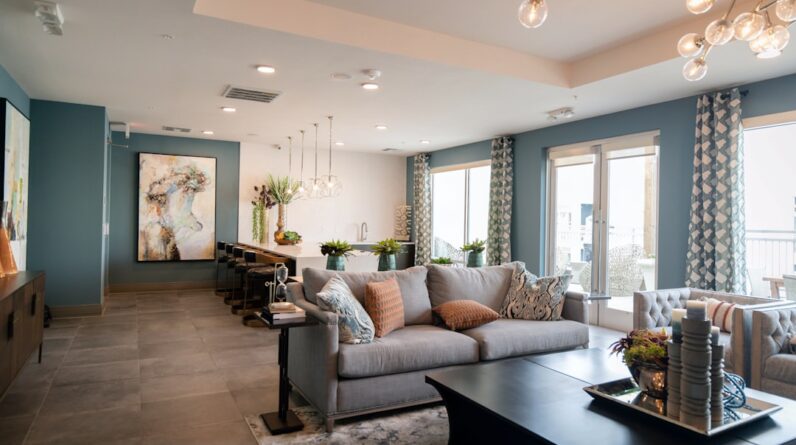
Imagine hosting a gathering where everyone can mingle effortlessly between the living room and dining area, creating a lively and inclusive environment. Moreover, integrating indoor and outdoor living spaces can further enhance this sense of openness. You could consider installing large sliding glass doors that lead to a patio or garden, blurring the lines between inside and outside.
This not only brings in more natural light but also allows you to enjoy fresh air and nature from the comfort of your home. By creating seamless transitions between indoor and outdoor areas, you cultivate a lifestyle that embraces relaxation and connection with nature.
Showcasing Local Art and Handcrafted Décor
One of the most rewarding aspects of decorating your home is the opportunity to showcase local art and handcrafted decor. By incorporating pieces created by local artisans, you not only support your community but also add unique character to your space. You might find that a vibrant painting from a local artist or handcrafted pottery adds a personal touch that mass-produced items simply cannot replicate.
These pieces often tell a story, reflecting the culture and creativity of your area. As you curate your collection of local art, consider how each piece complements your overall design aesthetic. You could create a gallery wall featuring various artworks or display handcrafted items on shelves or tabletops.
This not only enhances the visual appeal of your home but also sparks conversations with guests who admire these unique finds. By embracing local artistry, you create an environment that feels authentic and connected to the community around you.
Incorporating Comfortable and Durable Furniture

When it comes to furnishing your home, comfort should be at the forefront of your choices. You want pieces that not only look good but also provide a cozy place for relaxation and socializing. Consider investing in high-quality furniture made from durable materials that can withstand daily use while still offering comfort.
For instance, plush sofas with soft upholstery invite you to sink in after a long day, while sturdy dining chairs encourage family gatherings around the table. In addition to comfort, think about how your furniture fits into your lifestyle. If you have children or pets, you might prioritize materials that are easy to clean and maintain.
Fabrics like microfiber or leather can be excellent choices for their durability and ease of care. By selecting furniture that balances comfort with practicality, you create a welcoming environment where you can truly unwind and enjoy life’s moments.
Balancing Functionality with Aesthetic Appeal
Creating a beautiful home goes hand in hand with ensuring it is functional for your daily needs. As you design each space, consider how it will be used and what features will enhance its usability without compromising on style. For example, you might choose decorative storage solutions that blend seamlessly with your decor while keeping clutter at bay.
Stylish baskets or chic shelving units can serve as both functional storage and eye-catching decor. Additionally, think about how each room serves its purpose while maintaining an inviting atmosphere. In the kitchen, for instance, you could incorporate open shelving to display beautiful dishware while keeping essential items easily accessible.
By striking a balance between functionality and aesthetic appeal, you create spaces that are not only visually pleasing but also practical for everyday living.
Embracing Minimalism and Clutter-Free Living
In a world filled with distractions and excess, embracing minimalism can be incredibly liberating. You might find that adopting a clutter-free lifestyle allows you to focus on what truly matters—creating a serene environment that promotes peace and clarity. Start by evaluating your belongings; consider what items bring you joy and which ones may be weighing you down.
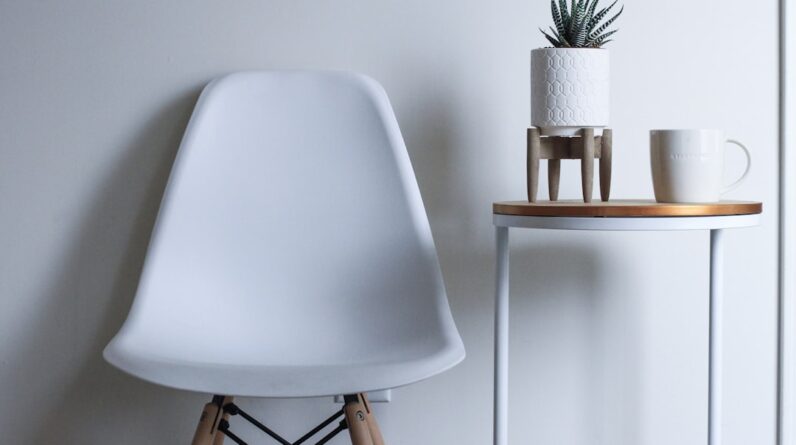
By decluttering your space, you create room for meaningful possessions that enhance your life. As you embrace minimalism in your home design, think about how each piece contributes to the overall aesthetic and functionality of the space. Opt for simple yet elegant furnishings that serve multiple purposes, such as a coffee table with hidden storage or a bed frame with built-in drawers.
This approach not only keeps your home organized but also fosters an atmosphere of calmness and simplicity. By prioritizing quality over quantity, you cultivate a living space that reflects your values while providing a peaceful retreat from the chaos of everyday life. In conclusion, creating a home that embodies natural light, nautical elements, sustainability, open spaces, local artistry, comfort, functionality, and minimalism is an enriching journey.
Each choice you make contributes to an environment that reflects who you are while enhancing your quality of life. As you embark on this design adventure, remember that every detail matters—your home is not just a place; it’s an expression of your identity and values.
FAQs
What is contemporary interior design for coastal living?
Contemporary interior design for coastal living is a style that incorporates modern elements with a coastal aesthetic. It often includes natural materials, light and airy color palettes, and a focus on creating a relaxed and comfortable living space.
What are some key elements of contemporary interior design for coastal living?
Key elements of contemporary interior design for coastal living include natural materials such as wood, rattan, and jute, a neutral color palette with pops of coastal-inspired hues, and an emphasis on natural light and open spaces. Additionally, incorporating elements such as nautical decor, textured fabrics, and indoor plants can enhance the coastal living vibe.
How can I incorporate contemporary interior design for coastal living into my home?
To incorporate contemporary interior design for coastal living into your home, consider using light and airy colors, natural materials, and incorporating elements such as beach-inspired artwork, textured rugs, and comfortable, casual furniture. Additionally, maximizing natural light and creating a seamless indoor-outdoor flow can help achieve the coastal living aesthetic.
What are some popular color schemes for contemporary interior design for coastal living?
Popular color schemes for contemporary interior design for coastal living include shades of white, beige, and light gray as base colors, with accents of blues, greens, and sandy neutrals to evoke a coastal feel. These colors can create a serene and calming atmosphere reminiscent of the beach and ocean.
What are some tips for achieving a contemporary interior design for coastal living on a budget?
To achieve a contemporary interior design for coastal living on a budget, consider incorporating DIY projects such as creating your own coastal-inspired artwork or upcycling furniture with a fresh coat of paint. Shopping at thrift stores, flea markets, and online marketplaces for secondhand coastal decor can also help save on costs while achieving the desired aesthetic.