You are standing in Adriatica Village, Texas, and the air itself seems to hum with a curated beauty. This carefully crafted Tuscan-inspired haven is more than just a picturesque backdrop; it’s a testament to intentional design, a canvas where the principles of contemporary interior design are not just applied but woven into the very fabric of its existence. As you explore, you’ll encounter spaces that speak volumes without shouting, where functionality dances gracefully with aesthetics, and where every element, from the grand piazza to the intimate alcove, has been placed with purpose.
Adriatica Village, a master-planned community in McKinney, Texas, was conceived with a singular vision: to emulate the charm and timeless appeal of a Mediterranean seaside town. This architectural ambition immediately sets the stage for a specific interior design approach. The exteriors, characterized by terracotta roofs, stucco facades, and wrought-iron accents, provide a rich and organic starting point. They act as the overture, hinting at the sensory experience that awaits within.
Mediterranean Roots, Modern Interpretations
The inherent romanticism of the Mediterranean aesthetic – think sun-drenched plazas, weathered stone, and abundant natural light – serves as the bedrock upon which contemporary interior design principles are layered. This isn’t about slavish replication, but rather a thoughtful infusion. You’ll observe how the rustic textures of exposed brick or reclaimed wood from the exterior might transition into a polished concrete floor or a sleek, minimalist kitchen within.
The Role of Light and Space
Natural light is a precious commodity, and in Adriatica, it’s treated with reverence. Large windows, archways, and strategically placed courtyards are designed to maximize daylight, a fundamental tenet of contemporary interiors. This abundant light not only illuminates the spaces but also breathes life into them, making them feel more expansive and inviting. The developers understood that light is the architect’s silent partner, shaping perception and mood.
Contemporary Elements: The Building Blocks of Style
Once you step inside a residence or a commercial space within Adriatica, the contemporary interior designer’s hand becomes more pronounced. This is where the subtle yet significant shifts occur, transforming traditional foundations into modern living environments.
Minimalism as a Guiding Principle
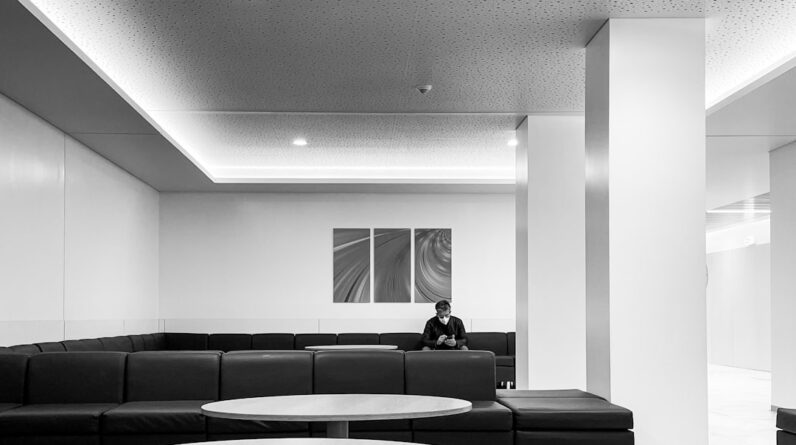
A hallmark of contemporary design is its embrace of minimalism. This doesn’t equate to starkness, but rather a deliberate reduction to essential forms and functions. You’ll notice a distinct absence of clutter, with an emphasis on clean lines and uncluttered surfaces. This approach creates a sense of calm and order, allowing the inherent beauty of the materials and the architectural features to take center stage. Think of it as decluttering not just your physical space, but your visual field.
Streamlined Silhouettes
The furniture you encounter will likely feature streamlined silhouettes, often with low profiles and understated upholstery. Geometric shapes and solid colors are favored over elaborate patterns or ornate detailing. This deliberate choice ensures that pieces contribute to the overall serenity of the space, rather than vying for attention.
Integrated Storage Solutions
To maintain that minimalist aesthetic, seamless integration is key. You’ll find custom cabinetry that blends into the walls, hidden appliances, and clever storage solutions that keep everyday items out of sight. This is where the designer’s insight into daily living shines, ensuring that practicality doesn’t compromise beauty.
Materiality: A Tactile Landscape
Contemporary interior design in Adriatica Village is deeply invested in the selection and interplay of materials. The designers are acutely aware of how textures and finishes contribute to the overall sensory experience. You’ll find a juxtaposition of the old and the new, the rough and the smooth.
The Warmth of Natural Wood
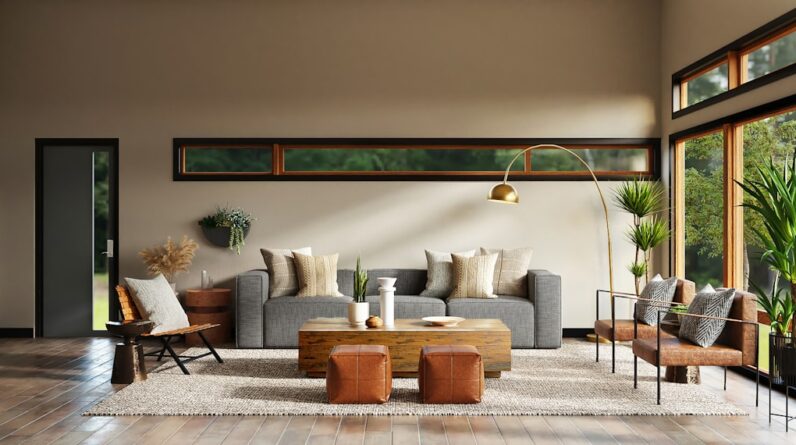
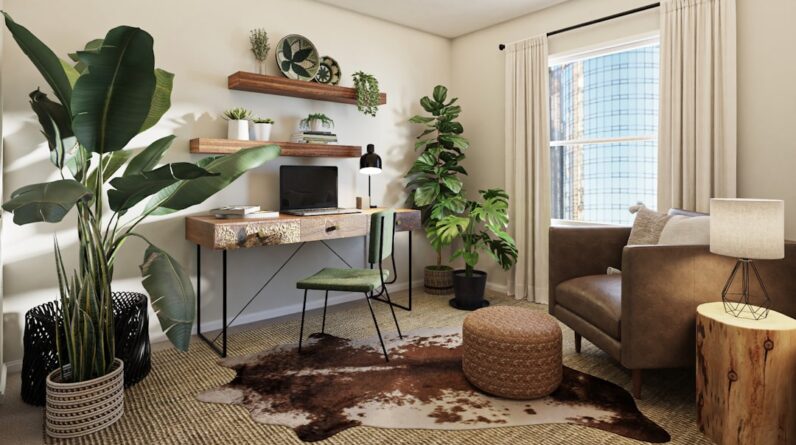
While modern design often leans towards manufactured materials, there’s a persistent appreciation for natural wood in Adriatica. You might see warm-toned wood cabinets in a kitchen, a sleek hardwood floor, or a statement wooden coffee table. This adds an essential element of warmth and organic texture, preventing the space from feeling sterile.
The Cool Sophistication of Stone and Concrete
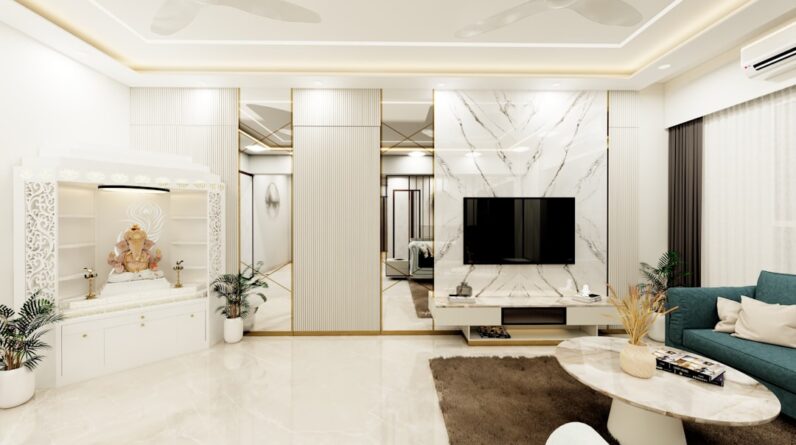
In contrast to wood, you’ll also encounter the cool, sophisticated presence of stone and concrete. Think polished concrete floors, granite or quartz countertops, or perhaps a feature wall clad in natural stone. These materials bring a sense of groundedness and durability, anchoring the more delicate elements of the design.
The Shine of Metal and Glass
To introduce a touch of modern glamour and reflectivity, designers often incorporate metals and glass. Brushed nickel, matte black, or even polished chrome fixtures can be found. Glass, in its various forms – clear, frosted, or textured – often features in partitions, tabletops, or decorative elements, bouncing light and adding a sense of airiness.
Color Palettes: Understated Elegance
The color schemes employed in contemporary interior design within Adriatica Village tend to be sophisticated and understated, allowing the architectural forms and furnishings to command attention.
Neutrals as the Dominant Frequencies
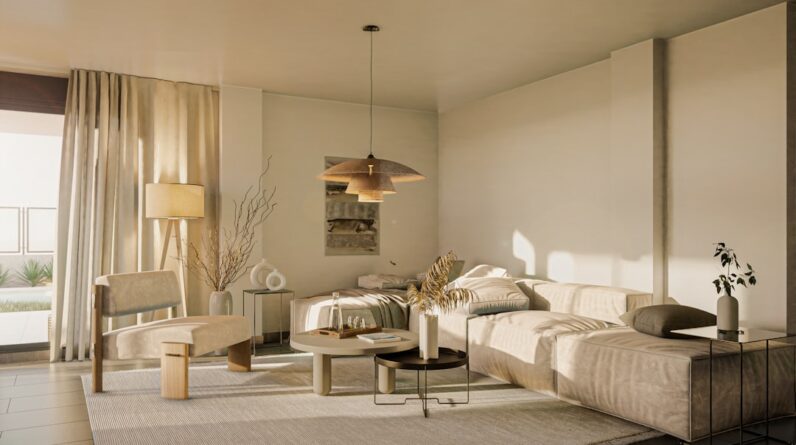
Neutral tones form the backbone of most contemporary palettes. You’ll find an abundance of whites, creams, grays, and beiges. These colors create a sense of spaciousness and tranquility, serving as a neutral canvas upon which other elements can be layered. They possess a quiet power, allowing their surroundings to sing.
Soft Whites and Off-Whites
Instead of stark, sterile whites, designers often opt for softer, warmer whites or off-whites. These variations add a subtle depth and prevent the space from feeling cold, echoing the sun-kissed hues of the Mediterranean inspiration.
Earthy Grays and Warm Browns
Grays, ranging from light dove to charcoal, are frequently used to add a grounding element. These are often paired with warmer neutrals like tan, taupe, and muted browns, drawing inspiration from the natural materials prevalent in the village.
Accents of Muted Hues
While neutrals dominate, strategic use of accent colors adds personality and visual interest. These accents are rarely bold or jarring; instead, they are typically muted, sophisticated shades.
Deep Blues and Greens
You might find accents of deep navy blue or forest green in upholstery, throw pillows, or artwork. These colors evoke a sense of calm and connection to nature, subtly mirroring the blues of the sky and sea and the greens of the landscape.
Terracotta and Ochre
Drawing directly from the Mediterranean theme, richer earthy tones like terracotta, ochre, and burnt sienna can appear as accent colors, particularly in decorative objects or textiles. These inject a warmth and vibrancy without overpowering the serene atmosphere.
Furniture: Form Meets Function
The selection of furniture in contemporary interiors is where the practical and the aesthetic truly converge. Each piece is chosen not just for its visual appeal but for its role in the overall functionality of the space.
Iconic Contemporary Pieces
You will likely encounter furniture that showcases iconic contemporary designs. These pieces are often characterized by their sculptural forms, clean lines, and high-quality craftsmanship. They are not just furniture; they are often art pieces in their own right.
Sleek Sofas and Armchairs
The seating arrangements are typically comfortable yet streamlined. Sofas and armchairs often feature geometric shapes, clean upholstery, and minimal embellishments. The focus is on comfort and a visually uncluttered silhouette.
Functional Dining and Coffee Tables
Dining tables and coffee tables often exhibit minimalist designs, utilizing materials like solid wood, metal, or glass. Their forms are generally simple and elegant, serving their purpose without unnecessary ornamentation.
The Importance of Scale and Proportion
A key consideration for any contemporary interior designer is the scale and proportion of the furniture within the given space. Oversized pieces can overwhelm a room, while undersized pieces can make it feel sparse.
Maximizing Openness
Designers carefully select furniture that allows for an unobstructed flow of movement and an enhanced sense of openness. This might involve choosing pieces with legs that elevate them from the floor, creating a lighter visual impact.
Creating Defined Zones
Within larger open-plan spaces, furniture is strategically placed to define different zones – a living area, a dining nook, a reading corner. This creates a sense of purpose and order within the larger footprint.
Lighting: Sculpting the Atmosphere
| Metric | Details |
|---|---|
| Designer Name | Adriatica Village Contemporary Interior Designer |
| Location | Adriatica Village, Texas |
| Design Style | Contemporary |
| Project Types | Residential, Custom Homes, Model Homes |
| Average Project Duration | 3 to 6 months |
| Key Features | Open floor plans, Minimalist aesthetics, Natural light optimization |
| Client Satisfaction Rate | 95% |
| Number of Completed Projects in Adriatica Village | 15+ |
| Contact Availability | Monday to Friday, 9 AM – 5 PM |
In contemporary interior design, lighting is not an afterthought; it’s a fundamental tool for shaping atmosphere, highlighting architectural features, and influencing mood.
Layered Lighting Strategies
Effective contemporary design rarely relies on a single overhead light source. Instead, a layered approach is employed, combining ambient, task, and accent lighting to create depth and functionality.
Ambient Lighting for Overall Illumination
Ambient lighting provides the general illumination for a room. This might come from recessed ceiling lights, elegant floor lamps, or strategically placed wall sconces that cast a soft, diffused glow.
Task Lighting for Practicality
Task lighting is essential for areas where specific activities take place, such as reading, cooking, or working. Under-cabinet lighting in kitchens, desk lamps in home offices, or stylish reading lamps beside armchairs are prime examples.
Accent Lighting to Highlight Features
Accent lighting is used to draw attention to specific elements within the interior, such as artwork, architectural details, or decorative objects. Picture lights, spotlights, or uplighting can dramatically enhance the visual interest of a space.
Fixtures as Design Statements
Beyond their functional purpose, lighting fixtures themselves are often chosen as design statements. Contemporary fixtures can range from minimalist geometric designs to sculptural pieces that add a touch of art to the ceiling or walls.
Sculptural Pendants and Chandeliers
You might find a striking pendant light that acts as a focal point over a dining table or a minimalist chandelier that casts intricate shadows. These fixtures are chosen for their form and their ability to illuminate and decorate simultaneously.
Integrated LED Solutions
Many contemporary designs incorporate integrated LED lighting, which offers sleek, unobtrusive illumination. This can be found in coves, under cabinets, or along architectural features, providing a subtle, modern glow.
As you continue your exploration of Adriatica Village, TX, remember that the contemporary interior design you witness is a symphony of considered choices. It’s a space where ancient whispers of Mediterranean charm are met with the clarity and purpose of modern living. Each room, each curated object, contributes to a narrative of refined taste and thoughtful execution. You’re not just observing; you’re experiencing a vision brought to life, a testament to the enduring power of well-executed design.
FAQs
Who is the contemporary interior designer featured in Adriatica Village, TX?
The contemporary interior designer featured in Adriatica Village, TX is a professional specializing in modern and stylish interior design tailored to the unique architectural style of the community.
What design styles are commonly used in Adriatica Village interiors?
Interiors in Adriatica Village often incorporate contemporary design elements, including clean lines, neutral color palettes, open spaces, and a blend of natural materials with modern finishes.
How does the interior design in Adriatica Village reflect the community’s overall aesthetic?
The interior design complements Adriatica Village’s European-inspired architecture by combining modern functionality with traditional charm, creating a cohesive and inviting living environment.
Are there specific features or materials favored by interior designers in Adriatica Village?
Yes, designers frequently use materials such as natural wood, stone, and metal accents, along with large windows and open floor plans to maximize natural light and enhance the contemporary feel.
Can residents of Adriatica Village customize their interior design with local designers?
Yes, residents often work with local contemporary interior designers who understand the community’s style guidelines and can personalize interiors to meet individual tastes while maintaining the village’s aesthetic harmony.