


Contemporary design is a dynamic and ever-evolving field that reflects the current trends and cultural movements of our time. As you delve into this realm, you will discover that it is characterized by clean lines, minimalism, and a focus on functionality. The beauty of contemporary design lies in its ability to adapt and change, making it a perfect canvas for personal expression.
You may find that contemporary design often incorporates elements from various styles, blending them seamlessly to create a unique aesthetic that resonates with your individual taste. As you explore contemporary design, consider how it interacts with the spaces you inhabit. The essence of this style is not just about aesthetics; it’s also about creating environments that enhance your lifestyle.
You might notice that contemporary design often emphasizes open spaces, natural light, and a connection to the outdoors. By understanding these principles, you can begin to appreciate how they can be applied to your own living or working spaces, allowing you to create an atmosphere that is both inviting and inspiring.
Key Takeaways
- Contemporary design is characterized by clean lines, minimalism, and a focus on function and form.
- When selecting display furniture, consider the size, material, and color to complement your art collection and overall design aesthetic.
- Creating a focal point with a standout piece of art or furniture can anchor the room and draw attention to your collection.
- Lighting is crucial for showcasing art, so consider using track lighting, picture lights, or adjustable spotlights to highlight your pieces.
- Incorporating technology such as digital frames or interactive displays can add a modern touch to your art collection and enhance the viewing experience.
Selecting the Right Display Furniture
Materials and Style
For instance, sleek metal frames or display cases can provide a modern touch, while furniture may add warmth and character. The key is to choose pieces that harmonize with your art while also reflecting your personal style.
Functionality and Arrangement
In addition to aesthetics, functionality should also play a significant role in your selection process. Consider how you want to arrange your art and what type of furniture will best support that vision. Shelving units, easels, and pedestals can all serve as effective display options, but they must be chosen with care.
The Perfect Display
Ultimately, the right display furniture will not only showcase your art beautifully but also enhance the overall flow of your space.
Creating a Focal Point

Creating a focal point in your space is essential for drawing attention to your art collection and establishing a cohesive design narrative. A well-placed piece of art can serve as the centerpiece of a room, guiding the eye and setting the tone for the entire space. As you think about how to create this focal point, consider the scale and placement of your artwork.
A large canvas or sculpture can dominate a room, while smaller pieces may require strategic grouping to achieve the same effect. To enhance your focal point further, think about how surrounding elements can support it. You might choose complementary colors or textures in your furniture and decor to create harmony with your artwork.
Additionally, consider the layout of the room; arranging seating or other furniture around the focal point can encourage conversation and engagement with the art. By thoughtfully curating your space in this way, you can create an inviting atmosphere that encourages appreciation of your collection.
Lighting Your Art Collection
Lighting plays a pivotal role in how your art collection is perceived and appreciated. Proper illumination can enhance colors, reveal textures, and create an inviting ambiance that draws viewers in. As you plan your lighting strategy, consider both natural and artificial sources.
Natural light can bring warmth and vibrancy to your artwork during the day, but it’s essential to manage it carefully to avoid fading or damage over time. You might opt for sheer curtains or UV-filtering glass to protect your pieces while still allowing light to filter through. For artificial lighting, think about using adjustable fixtures that allow you to direct light precisely where it’s needed.
Track lighting or spotlights can be particularly effective for highlighting specific pieces in your collection. Additionally, consider incorporating dimmers to adjust the intensity of the light based on the time of day or mood you wish to create. By thoughtfully illuminating your art collection, you can transform your space into a gallery-like experience that captivates both you and your guests.
Incorporating Technology
In today’s digital age, incorporating technology into your art display can elevate your collection in exciting ways. You might explore digital frames that allow you to showcase multiple pieces in a single space or even create dynamic presentations that change throughout the day. This not only adds variety but also allows you to share different aspects of your collection without needing additional wall space.
Moreover, consider how technology can enhance the viewer’s experience. Augmented reality apps can provide additional context about each piece, offering insights into the artist’s background or the story behind the work. This interactive element can engage visitors on a deeper level and foster a greater appreciation for your collection.
By embracing technology, you can create a modern art experience that resonates with both traditional and contemporary audiences.
Mixing Art Styles and Mediums
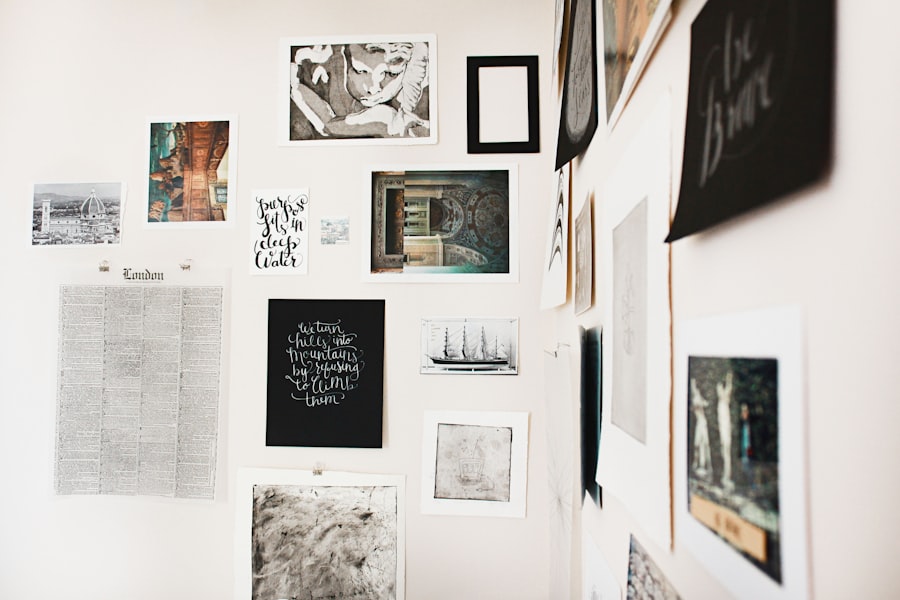
One of the most exciting aspects of curating an art collection is the opportunity to mix different styles and mediums. As you explore this concept, think about how various pieces can complement each other while still maintaining their individuality. For instance, pairing abstract paintings with realistic sculptures can create a dynamic contrast that sparks conversation and intrigue.
You might also experiment with different mediums—such as photography alongside traditional paintings—to add depth and variety to your collection. When mixing styles and mediums, consider how color palettes and themes can unify disparate pieces. You may find that certain colors or motifs recur throughout your collection, creating a sense of cohesion even amidst diversity.
Additionally, think about how the arrangement of these pieces affects their interaction with one another; grouping works by theme or color can enhance their visual impact while allowing each piece to shine in its own right.
Utilizing Wall Space
Maximizing wall space is essential for effectively displaying your art collection while maintaining an organized and aesthetically pleasing environment. As you assess your walls, consider how different arrangements can transform the perception of space within a room. A gallery wall featuring an eclectic mix of frames and sizes can create an engaging focal point, while a more structured arrangement may lend an air of sophistication.
When utilizing wall space, think about height and scale as well. Hanging larger pieces at eye level creates an immediate impact, while smaller works can be arranged higher up or in clusters for visual interest. You might also explore unconventional display methods—such as leaning artwork against walls or using shelves—to add dimension and creativity to your presentation.
By thoughtfully considering how you use wall space, you can create an inviting atmosphere that showcases your collection beautifully.
Maintaining and Caring for Your Collection
Caring for your art collection is vital to preserving its beauty and value over time. As you embark on this journey of maintenance, familiarize yourself with best practices for cleaning and protecting different types of artwork. For instance, paintings may require gentle dusting with a soft cloth, while photographs should be handled with care to avoid fingerprints or smudges.
Understanding the specific needs of each piece will help ensure its longevity. Additionally, consider environmental factors that may affect your collection’s condition. Humidity levels, temperature fluctuations, and exposure to direct sunlight can all impact artwork over time.
You might invest in climate control solutions or UV-filtering glass for framed pieces to mitigate these risks. Regularly inspecting your collection for signs of wear or damage will also allow you to address any issues promptly, ensuring that your art remains a source of joy for years to come. By prioritizing maintenance and care, you can cultivate a thriving art collection that reflects your passion and dedication as an art enthusiast.
FAQs
What is contemporary design?
Contemporary design refers to the current design trends and styles that are popular at the present time. It often incorporates clean lines, minimalism, and a focus on functionality.
How can contemporary design be incorporated into displaying art collections?
Contemporary design can be incorporated into displaying art collections by using sleek and minimalistic display shelves, modern lighting fixtures, and neutral color palettes to create a clean and sophisticated backdrop for the artwork.
What are some key elements of contemporary design for art lovers?
Key elements of contemporary design for art lovers include using open and airy spaces, incorporating natural materials such as wood and metal, and utilizing simple and streamlined furniture and decor to complement the artwork.
What are some tips for displaying an art collection in a contemporary design setting?
Some tips for displaying an art collection in a contemporary design setting include grouping similar pieces together, using floating shelves or gallery walls to create visual interest, and incorporating statement furniture or accent pieces to enhance the overall aesthetic.
How can lighting be used to enhance the display of an art collection in a contemporary design setting?
In a contemporary design setting, lighting can be used to highlight specific pieces of artwork, create a dramatic focal point, and add depth and dimension to the overall display. LED track lighting and recessed lighting are popular choices for showcasing art in a contemporary space.


