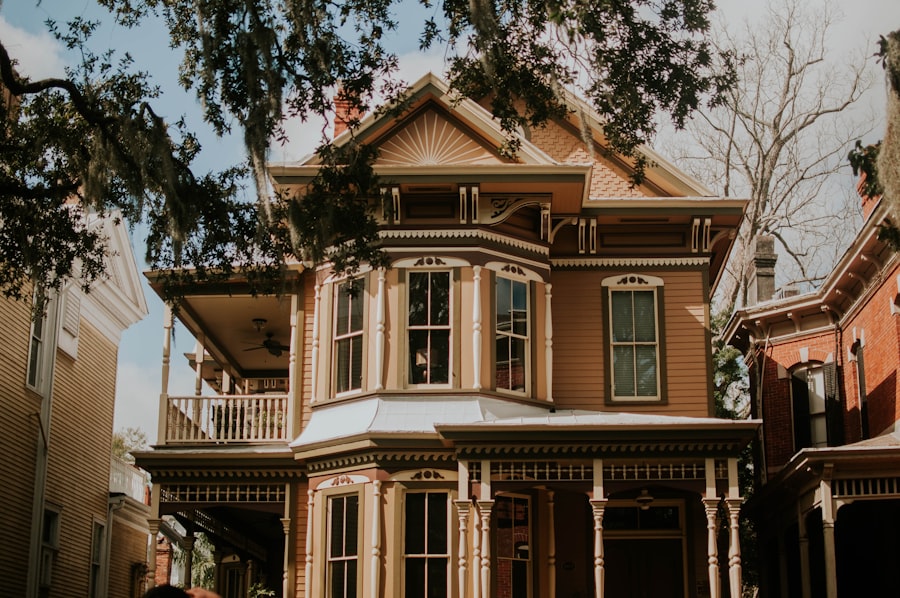
Preserving historic architecture is not merely an act of maintaining old buildings; it is a commitment to safeguarding the stories and cultural heritage that they embody. When you walk through a historic district, you are not just observing structures; you are experiencing a tangible connection to the past. Each building tells a story, reflecting the values, aspirations, and craftsmanship of the era in which it was built.
By preserving these architectural gems, you ensure that future generations can appreciate and learn from the rich tapestry of history that they represent. Moreover, historic architecture contributes significantly to the character and identity of a community. It fosters a sense of place and belonging, allowing you to connect with your surroundings on a deeper level.
When you invest in preserving these structures, you are also investing in the local economy. Historic buildings often attract tourism, which can provide a substantial boost to local businesses. By maintaining these architectural treasures, you help to create vibrant neighborhoods that celebrate their unique heritage while also thriving in the modern world.
Key Takeaways
- Preserving historic architecture is important for maintaining cultural heritage and a sense of place in communities.
- Incorporating modern amenities into historic homes can enhance livability while respecting the original character of the property.
- Balancing original features with contemporary design allows for a harmonious blend of old and new elements in historic homes.
- Utilizing sustainable and eco-friendly materials in renovations helps to preserve the environment and maintain the integrity of historic structures.
- Technology plays a crucial role in renovating historic homes, offering innovative solutions for preservation and restoration challenges.
Incorporating Modern Amenities into Historic Homes
As you consider renovating a historic home, one of the most exciting challenges is finding ways to incorporate modern amenities without compromising the building’s integrity. Today’s homeowners expect conveniences such as updated kitchens, efficient heating and cooling systems, and advanced plumbing. The key lies in blending these modern features seamlessly into the existing structure.
For instance, you might choose to install energy-efficient appliances that complement the home’s original aesthetic, ensuring that functionality does not come at the expense of style. Incorporating modern amenities also means being mindful of the home’s historical significance. You can achieve this by selecting fixtures and finishes that reflect the period of the home while still providing contemporary comfort.
For example, if your historic home features ornate moldings and vintage tile work, consider sourcing modern appliances that have a retro design. This approach allows you to enjoy the benefits of modern living while honoring the architectural heritage that makes your home unique.
Balancing Original Features with Contemporary Design
Striking a balance between original features and contemporary design is essential when renovating a historic home. You want to preserve the elements that give your home its character while also creating spaces that feel fresh and inviting. This can be achieved through thoughtful design choices that highlight the home’s historical aspects while introducing modern touches.
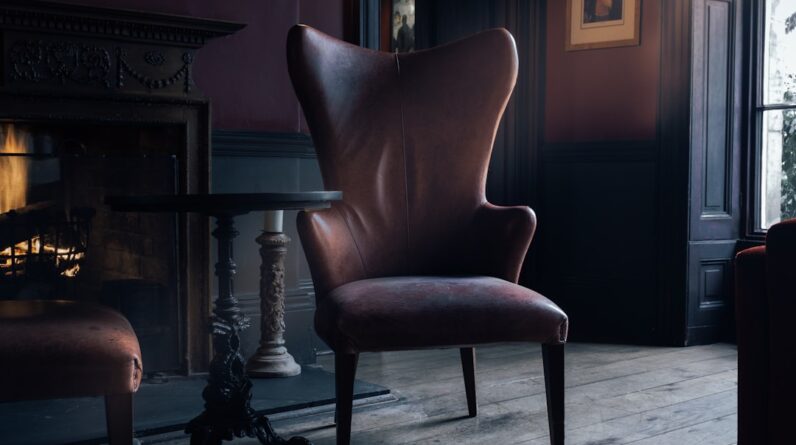
For instance, you might retain original hardwood floors and crown moldings while opting for minimalist furniture and contemporary art pieces that create a striking contrast. When you embrace this balance, you create a harmonious environment that respects the past while embracing the present. It’s important to approach each renovation project with an open mind and a willingness to experiment.
You may find that certain original features can be enhanced by contemporary design elements, leading to unexpected and delightful results. By thoughtfully integrating both styles, you can create a space that feels cohesive and reflective of your personal taste.
Utilizing Sustainable and Eco-Friendly Materials
In today’s world, sustainability is more important than ever, and this principle extends to the renovation of historic homes. As you embark on your renovation journey, consider utilizing sustainable and eco-friendly materials that not only reduce your environmental footprint but also enhance the longevity of your home. For example, reclaimed wood can be an excellent choice for flooring or cabinetry, providing a rustic charm while minimizing waste.
By choosing materials with a lower environmental impact, you contribute to a healthier planet while preserving the integrity of your historic home. Additionally, incorporating energy-efficient windows and insulation can significantly improve your home’s energy performance without detracting from its historical character. You might explore options such as storm windows or specialized glazing that maintains the original appearance while enhancing thermal efficiency.
By prioritizing sustainability in your renovation efforts, you not only create a more comfortable living space but also set an example for others in your community to follow.
The Role of Technology in Renovating Historic Homes
Technology plays an increasingly vital role in the renovation of historic homes, offering innovative solutions that can enhance both functionality and preservation efforts. As you navigate the complexities of updating an older structure, consider how modern technology can assist you in achieving your goals. For instance, advanced building materials and techniques can help reinforce structural integrity while maintaining historical accuracy.
You might explore options such as 3D modeling software to visualize your renovation plans or smart home technology to improve energy efficiency. Moreover, technology can aid in preserving the historical aspects of your home. Digital archiving tools allow you to document original features and design elements, ensuring that they are respected during renovations.
Additionally, using technology for research can help you uncover the history of your home, providing valuable context for your renovation decisions. By embracing technology in your renovation process, you can create a space that honors its past while being equipped for modern living.
Collaborating with Preservation Organizations and Historic Boards
Expert Guidance and Resources
By engaging with these organizations early in your renovation process, you can gain valuable insights into best practices for preservation and learn about regulations or guidelines that may apply to your project.
Fostering a Sense of Community
Working with preservationists not only ensures compliance with local regulations but also fosters a sense of community among those who share a passion for historic architecture. You may find opportunities to connect with other homeowners who are navigating similar challenges or discover workshops and events focused on preservation techniques.
Enriching the Renovation Experience
This collaboration enriches your renovation experience and reinforces the importance of collective efforts in preserving architectural heritage.
Showcasing the History and Story of the Home through Design
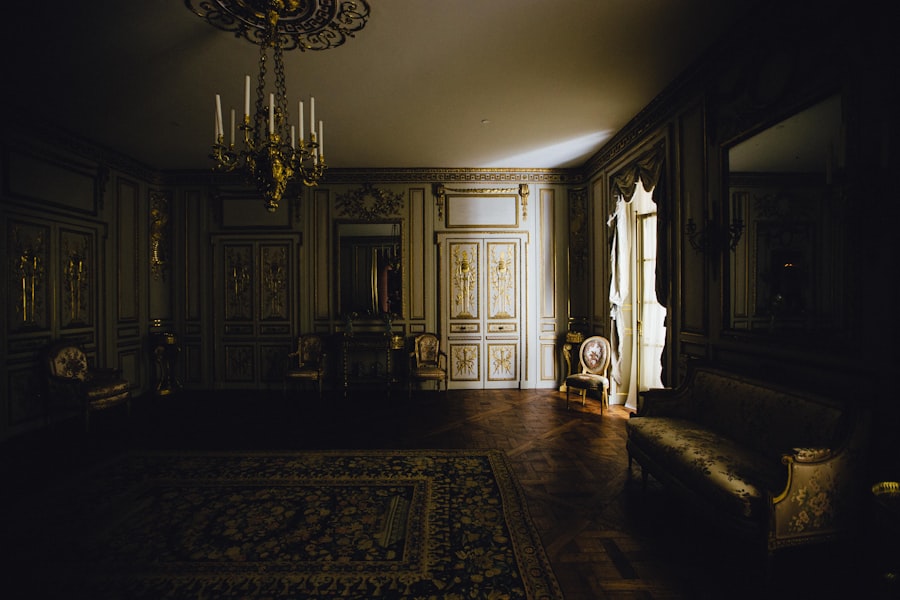
Every historic home has a story waiting to be told, and as you renovate, you have the unique opportunity to showcase this narrative through design choices. Consider how each room can reflect the history of the home and its previous inhabitants. You might incorporate vintage furnishings or artwork that aligns with the era in which the house was built, creating an immersive experience for anyone who enters.
By thoughtfully curating elements that tell a story, you breathe new life into your space while honoring its past. Additionally, consider using design elements to highlight significant architectural features or historical moments associated with your home. For example, if your house has unique moldings or stained glass windows, make them focal points in your design scheme.
You could also create informational displays or plaques that share interesting facts about the home’s history with visitors. This approach not only enriches your living environment but also fosters appreciation for the architectural heritage within your community.
Challenges and Considerations in Renovating Historic Homes
Renovating a historic home comes with its own set of challenges and considerations that require careful planning and execution. One significant challenge is navigating local regulations regarding preservation and renovation work. Many historic homes are subject to strict guidelines aimed at maintaining their architectural integrity, which can limit your options for updates or modifications.
As you embark on your renovation journey, it’s essential to familiarize yourself with these regulations to avoid potential setbacks. Another consideration is managing the balance between preserving original features and making necessary updates for modern living. You may encounter unexpected issues during renovations, such as outdated wiring or plumbing systems that need replacement.
These challenges can be daunting but also present opportunities for creative problem-solving. By approaching each obstacle with flexibility and an open mind, you can find solutions that respect both the history of your home and your vision for its future. In conclusion, renovating a historic home is a rewarding endeavor that allows you to honor the past while creating a space that meets contemporary needs.
By understanding the importance of preservation, incorporating modern amenities thoughtfully, balancing original features with contemporary design, utilizing sustainable materials, embracing technology, collaborating with preservation organizations, showcasing history through design, and navigating challenges with care, you can create a beautiful living environment that tells a story for generations to come.
FAQs
What is contemporary interior design?
Contemporary interior design refers to the current trends and styles in interior design, which often incorporate modern and minimalist elements. It focuses on clean lines, open spaces, and a neutral color palette.
What are historic homes?
Historic homes are residential buildings that have significant architectural, cultural, or historical value. They are often protected by preservation laws and regulations to maintain their original character and charm.
How can contemporary interior design be incorporated into historic homes?
Contemporary interior design can be incorporated into historic homes by carefully blending modern elements with the existing architectural features. This can be achieved through the use of modern furniture, lighting, and decor while preserving the original structure and character of the home.
What are some challenges of renovating historic homes with contemporary interior design?
Some challenges of renovating historic homes with contemporary interior design include navigating preservation regulations, maintaining the integrity of the original architecture, and ensuring that modern updates do not detract from the historic value of the home.
What are some key considerations when renovating historic homes with contemporary interior design?
Key considerations when renovating historic homes with contemporary interior design include respecting the original architecture, using high-quality materials and craftsmanship, and working with experienced professionals who understand the balance between modern updates and historic preservation.