In contemporary design, natural light is not merely an aesthetic choice; it is a fundamental element that shapes the overall atmosphere and functionality of a space. You may find that spaces flooded with natural light feel more inviting and energizing, creating an environment that fosters creativity and productivity. The use of natural light can transform a mundane room into a vibrant sanctuary, enhancing the visual appeal while also promoting a sense of well-being.
As you navigate through various design choices, consider how the interplay of light can influence your perception of space and mood. Moreover, the integration of natural light into design is increasingly recognized for its sustainability benefits. By maximizing daylight, you can reduce reliance on artificial lighting, which not only lowers energy consumption but also minimizes your carbon footprint.
In a world where environmental consciousness is paramount, embracing natural light aligns with a broader commitment to sustainable living. You may find that incorporating large windows, skylights, or open floor plans allows for a seamless flow of light, creating a harmonious balance between indoor and outdoor environments.
Key Takeaways
- Natural light is essential in contemporary design for its ability to enhance mood, productivity, and overall well-being.
- Interior spaces can maximize natural light by strategically placing windows, using light-colored materials, and minimizing obstructions.
- Architectural elements such as skylights, light wells, and glass walls can effectively incorporate natural light into a building’s design.
- Light-reflective surfaces like mirrors, glass, and metallic finishes can help enhance natural light by bouncing it around a space.
- Balancing natural light with artificial lighting is crucial for creating a well-lit and functional interior environment.
Maximizing Natural Light in Interior Spaces
To truly maximize natural light in your interior spaces, you must first assess the layout and orientation of your home or office. You might consider how the position of windows and doors can be optimized to capture sunlight throughout the day. For instance, south-facing windows typically receive the most sunlight, making them ideal for living areas or workspaces where you spend significant time.
By strategically placing mirrors or reflective surfaces opposite these windows, you can amplify the light that enters the room, creating a brighter and more open atmosphere. Additionally, you may want to explore the use of open floor plans to enhance the flow of natural light. By removing unnecessary walls or barriers, you can create a sense of spaciousness that allows light to permeate deeper into your home.
This approach not only increases the amount of daylight but also fosters a sense of connectivity between different areas of your space. As you design your interiors, think about how each room interacts with one another and how light can be harnessed to create a cohesive and inviting environment.
Incorporating Natural Light into Architectural Elements

Incorporating natural light into architectural elements is an innovative way to enhance both functionality and aesthetics in your design. You might consider features such as clerestory windows or light wells that allow sunlight to penetrate deeper into the building while maintaining privacy. These architectural solutions can create dramatic effects, casting beautiful shadows and patterns throughout the day.
As you explore these options, think about how they can be integrated into your overall design vision. Another effective method is to utilize glass doors or walls that blur the boundaries between indoor and outdoor spaces. This not only invites natural light but also creates a seamless transition that enhances your connection to nature.
You may find that using large glass panels in areas like living rooms or dining spaces can dramatically change the ambiance, making it feel more expansive and airy. As you consider these architectural elements, remember that they should complement your overall design philosophy while prioritizing the importance of natural light.
Utilizing Light-Reflective Surfaces to Enhance Natural Light
Light-reflective surfaces play a crucial role in enhancing the impact of natural light within your interiors. You might choose materials such as glossy tiles, polished wood, or metallic finishes that bounce light around the room, amplifying its presence. By selecting these surfaces thoughtfully, you can create a dynamic interplay between light and shadow that adds depth and interest to your space.
Consider how different textures and finishes can work together to create a cohesive look while maximizing the benefits of natural illumination. In addition to surfaces, color choices can significantly influence how light is perceived in your space. Lighter hues tend to reflect more light, making rooms feel brighter and more open.
You may want to experiment with soft whites, pastels, or even light grays to create an airy atmosphere. Conversely, darker colors absorb light and can make a space feel smaller or more enclosed. As you select colors and materials for your interiors, keep in mind how they will interact with natural light throughout the day and how they can enhance your overall design vision.
Balancing Natural Light with Artificial Lighting
While natural light is invaluable, balancing it with artificial lighting is essential for creating a well-rounded design. You may find that certain areas require additional illumination during specific times of day or in particular weather conditions. By incorporating layered lighting solutions—such as ambient, task, and accent lighting—you can ensure that your space remains functional and inviting regardless of external conditions.
This approach allows you to maintain a warm and welcoming atmosphere while still benefiting from the beauty of natural light. When designing your lighting plan, consider how artificial sources can complement rather than compete with natural light. For instance, using warm-toned bulbs can mimic the golden glow of sunlight, creating a harmonious transition between day and night.
Additionally, dimmer switches can provide flexibility in adjusting brightness levels according to your needs and preferences. As you balance these elements, remember that the goal is to create an environment that feels cohesive and comfortable at all times.
Creating a Connection to the Outdoors with Natural Light

Inviting Nature In
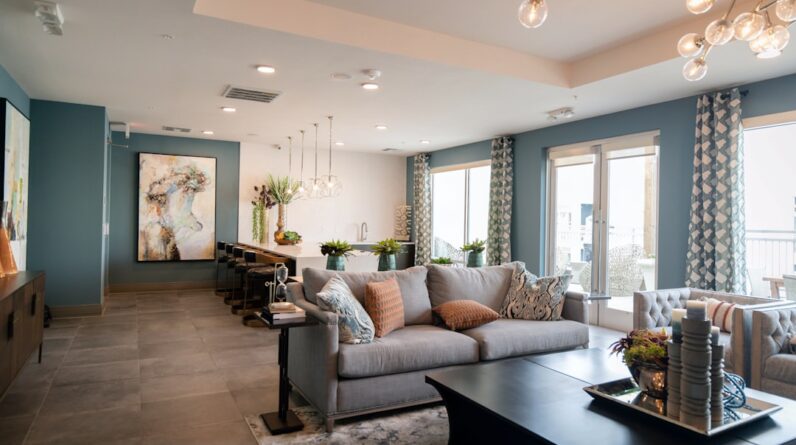
Incorporating large windows or sliding glass doors that open up to outdoor spaces such as patios or gardens can make a significant difference. This not only invites ample sunlight but also allows you to enjoy views of nature from within your home.
The Power of Biophilic Design
The visual connection to the outside world can significantly improve your mood and overall well-being, making it an important consideration in your design process. Furthermore, you may want to explore biophilic design principles that emphasize the relationship between nature and built environments. This could involve integrating indoor plants or using natural materials that reflect the beauty of the outdoors.
Creating a Serene Atmosphere
By blurring the lines between inside and outside, you create a serene atmosphere that encourages relaxation and mindfulness. As you design your space, think about how these elements can work together to foster a deeper connection with nature while maximizing the benefits of natural light.
Using Window Treatments to Control and Enhance Natural Light
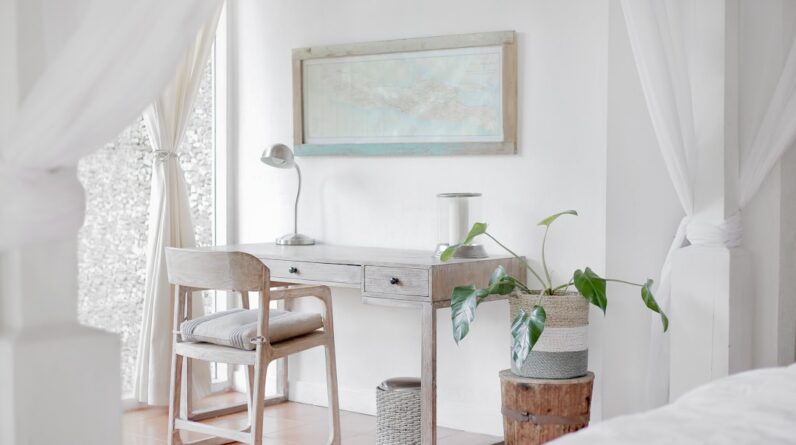
Window treatments are an essential tool for controlling and enhancing natural light in your interiors. You might consider options such as sheer curtains or blinds that allow you to filter sunlight while maintaining privacy. These treatments can soften harsh sunlight during peak hours while still allowing ample daylight to enter your space.
By selecting fabrics and styles that align with your overall design aesthetic, you can create a harmonious look that complements your interiors. Additionally, consider layering window treatments for added versatility. Combining sheer curtains with heavier drapes allows you to adjust the amount of light entering your space throughout the day easily.
This flexibility enables you to create different moods depending on the time of day or occasion. As you explore various window treatment options, keep in mind how they can enhance both the functionality and beauty of your space while maximizing the benefits of natural light.
The Psychological and Health Benefits of Natural Light in Design
The psychological and health benefits of natural light in design are profound and well-documented. Exposure to natural light has been shown to improve mood, increase productivity, and even enhance cognitive function. You may notice that spaces filled with sunlight feel more uplifting and energizing, contributing positively to your overall well-being.
As you incorporate natural light into your design choices, consider how it can create an environment that supports mental clarity and emotional balance. Moreover, natural light plays a crucial role in regulating circadian rhythms, which are essential for maintaining healthy sleep patterns. By designing spaces that maximize exposure to daylight during waking hours while minimizing artificial lighting at night, you can promote better sleep quality and overall health.
As you reflect on these benefits, remember that prioritizing natural light in your design is not just about aesthetics; it is about creating spaces that nurture both body and mind for a healthier lifestyle. In conclusion, embracing natural light in contemporary design is essential for creating spaces that are not only visually appealing but also promote well-being and sustainability. By maximizing daylight through thoughtful architectural choices, utilizing reflective surfaces, balancing artificial lighting, and fostering connections with nature, you can craft environments that enhance both functionality and aesthetics.
As you embark on your design journey, keep these principles in mind to create spaces that truly resonate with the beauty and benefits of natural light.
FAQs
What is natural light in contemporary design?
Natural light in contemporary design refers to the use of sunlight as a primary source of illumination in architectural and interior design. It is a design approach that emphasizes the use of windows, skylights, and other openings to bring in natural light, creating a harmonious and sustainable living environment.
Why is natural light important in contemporary design?
Natural light is important in contemporary design because it has numerous benefits, including reducing the need for artificial lighting, improving the overall well-being of occupants, and creating a connection to the natural environment. It also helps to reduce energy consumption and contributes to a more sustainable and eco-friendly design.
How can natural light be incorporated into contemporary design?
Natural light can be incorporated into contemporary design through the strategic placement of windows, skylights, and other openings to maximize the entry of sunlight into the space. Additionally, the use of light-colored surfaces and reflective materials can help to distribute and amplify natural light throughout the interior.
What are the benefits of incorporating natural light into contemporary design?
Incorporating natural light into contemporary design has numerous benefits, including reducing energy consumption, improving the overall well-being of occupants, enhancing the visual and aesthetic appeal of the space, and creating a more sustainable and eco-friendly living environment.
What are some examples of contemporary designs that effectively utilize natural light?
Some examples of contemporary designs that effectively utilize natural light include modern homes with floor-to-ceiling windows, commercial buildings with skylights and light wells, and public spaces with open atriums and light-filled courtyards. These designs showcase the seamless integration of natural light to create a harmonious and inviting environment.