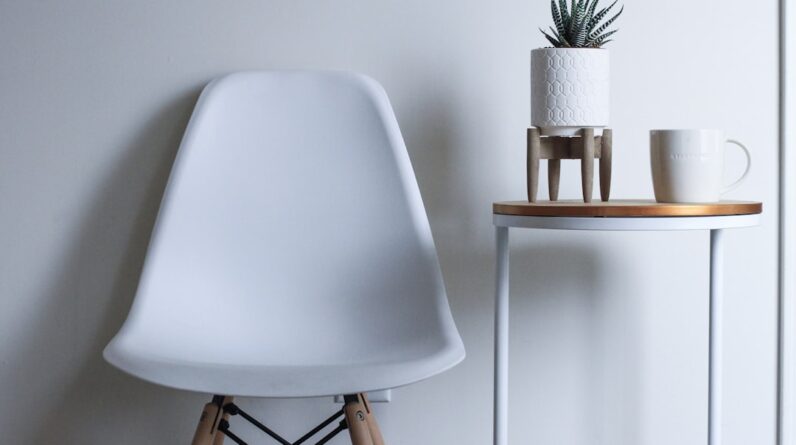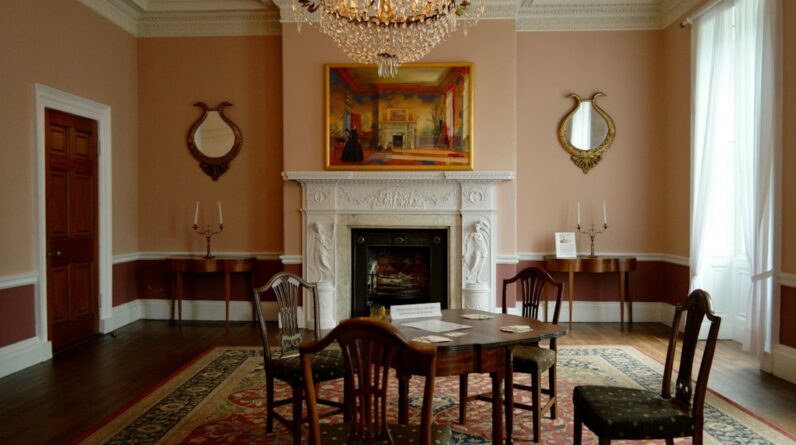
When it comes to selecting the perfect dining table, you must consider both functionality and aesthetics. The dining table is often the centerpiece of your dining area, serving as a gathering spot for family meals, celebrations, and casual get-togethers with friends. Start by assessing the size of your space.
A large table can overwhelm a small room, while a tiny table may feel lost in a spacious area. Measure your available space and ensure that there is enough room for chairs and movement around the table. A good rule of thumb is to allow at least three feet of clearance around the table to facilitate easy access.
Next, think about the shape of the table. Round tables are excellent for smaller spaces and encourage conversation, while rectangular tables can accommodate more people and fit well in longer rooms. Consider your lifestyle as well; if you frequently host dinner parties, a larger table may be necessary.
Additionally, the material of the table plays a significant role in its durability and style. Wood offers warmth and timelessness, while glass can create an illusion of space. Ultimately, choose a table that reflects your personal style and meets your practical needs.
Key Takeaways
- Choose a dining table that fits your space and lifestyle, considering size, shape, and material.
- Create a cozy ambiance with lighting by incorporating a mix of overhead, task, and accent lighting.
- Incorporate functional and stylish seating options such as benches, upholstered chairs, and bar stools.
- Add personality to your dining area with art and decor that reflects your personal style and interests.
- Maximize space with smart storage solutions like built-in cabinets, shelves, and multifunctional furniture.
- Select a color scheme that complements your dining area and creates the desired atmosphere.
- Embrace natural elements like wood, stone, and plants to add rustic charm to your dining space.
- Incorporate technology for modern convenience, such as smart lighting, sound systems, and charging stations.
Creating a Cozy Ambiance with Lighting
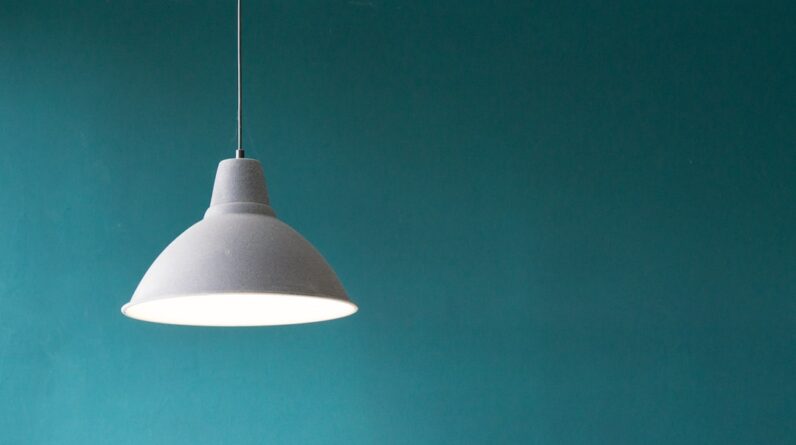
Lighting can dramatically transform the atmosphere of your dining area, making it essential to choose the right fixtures. You want to create a warm and inviting environment that encourages relaxation and conversation. Start with a statement chandelier or pendant light above your dining table.
This not only serves as a focal point but also provides ample illumination for meals. Opt for dimmable lights to adjust the brightness according to the occasion—bright for family dinners and softer for intimate gatherings. In addition to overhead lighting, consider incorporating other light sources to enhance the ambiance.
Wall sconces can add a touch of elegance while providing soft lighting along the walls. Candles are another excellent option; they create a warm glow that adds intimacy to any meal. You might also think about using string lights or fairy lights for a whimsical touch, especially during festive occasions.
Layering different types of lighting will help you achieve a cozy atmosphere that makes every dining experience special.
Incorporating Functional and Stylish Seating
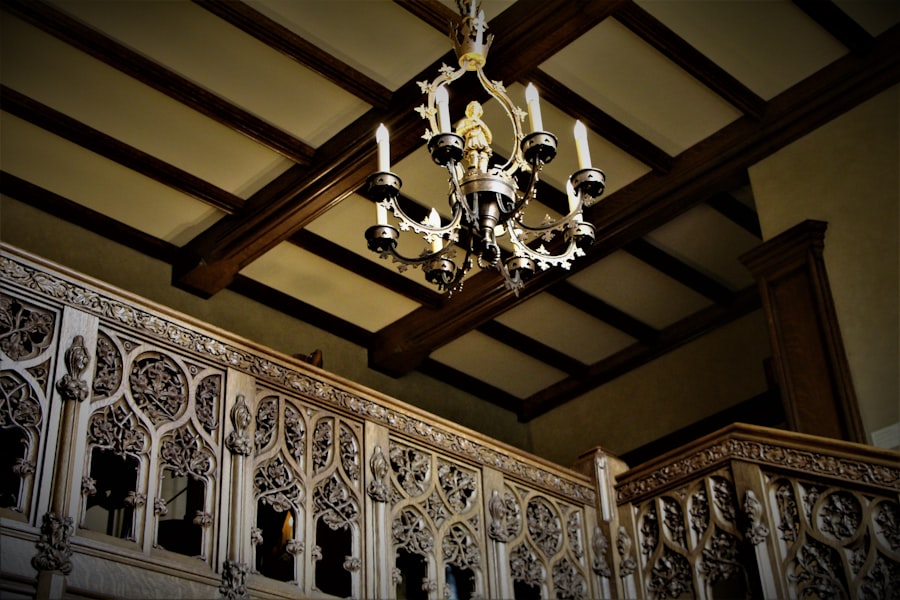
The seating you choose for your dining area should be both functional and stylish, ensuring comfort during long meals while complementing your overall design aesthetic. Start by selecting chairs that fit well with your dining table in terms of height and style. If you have a traditional wooden table, upholstered chairs can add a touch of elegance and comfort.
On the other hand, metal or plastic chairs can lend a modern vibe to your space. Consider the number of guests you typically entertain when choosing seating options. If you often host larger gatherings, you might want to invest in extendable tables or benches that can accommodate more people without sacrificing style.
Additionally, think about incorporating different types of seating—perhaps a mix of chairs and a cozy bench on one side of the table. This not only adds visual interest but also allows for flexibility in seating arrangements, making your dining area more versatile.
Adding Personality with Art and Decor
Your dining area is an opportunity to express your personality through art and decor. Start by selecting artwork that resonates with you—this could be anything from vibrant paintings to framed photographs that evoke cherished memories. Hang these pieces at eye level to create an engaging visual experience for diners.
A gallery wall can be an excellent way to showcase multiple pieces while adding character to the space. In addition to artwork, consider incorporating decorative elements such as vases, centerpieces, or unique tableware. A beautiful centerpiece can serve as a conversation starter while enhancing the overall aesthetic of your dining table.
Seasonal decor can also keep your space feeling fresh; think about changing out decorations for holidays or special occasions. By thoughtfully curating art and decor, you can create a dining area that feels uniquely yours.
Maximizing Space with Smart Storage Solutions
In many homes, space can be at a premium, making smart storage solutions essential for maintaining an organized dining area. Start by evaluating what items you need to store—this could include dinnerware, linens, or even extra seating options. Consider investing in furniture that doubles as storage, such as benches with hidden compartments or sideboards that can hold dishes and utensils while also serving as a decorative piece.
Open shelving can also be an effective way to display beautiful dishware while keeping it easily accessible. This not only maximizes vertical space but also adds an element of design to your dining area. If you have limited floor space, think about utilizing wall-mounted racks or hooks for hanging items like wine glasses or aprons.
By implementing these smart storage solutions, you can keep your dining area tidy and functional without sacrificing style.
Selecting the Perfect Color Scheme
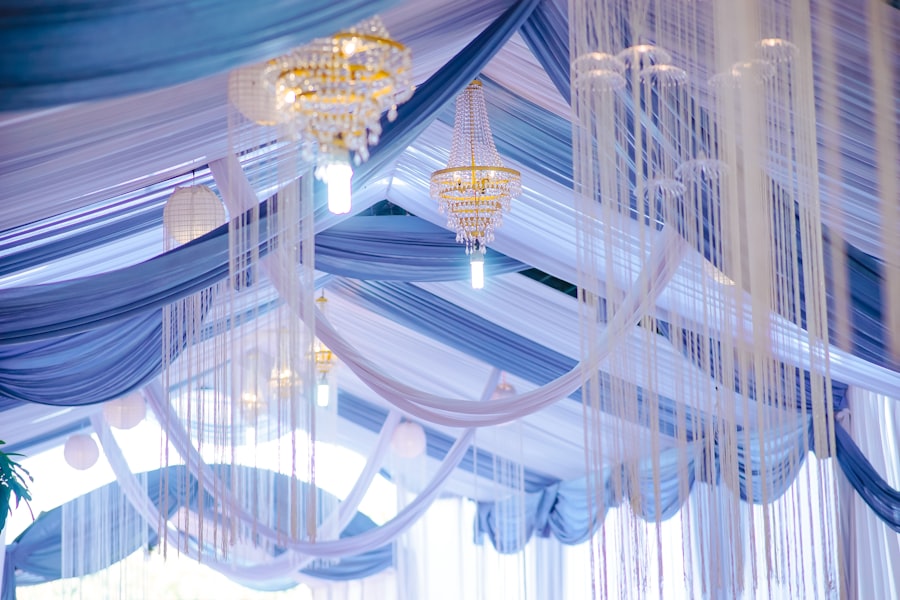
Evoking Emotions with Color
The color scheme you choose for your dining area plays a significant role in determining its overall mood and aesthetic. Consider the emotions you want to evoke during meals and let that guide your color selection. Warm colors like reds and oranges can create a cozy and inviting atmosphere, while cooler tones like blues and greens may promote feelings of calmness and relaxation.
Creating Depth and Interest
When selecting colors, remember that a combination of shades can create depth and interest in the space. You might opt for a neutral base color and add pops of color through accessories like cushions or artwork. Alternatively, consider choosing an accent wall in a bold hue to draw attention to the space without overwhelming it.
Considering Lighting
It’s essential to remember that lighting can also impact how colors appear in your dining area. To ensure you make the right choice, test paint samples in different lighting conditions before making a final decision. This will give you a better understanding of how the colors will look at various times of day and with different lighting setups.
Embracing Natural Elements for a Rustic Charm
Incorporating natural elements into your dining area can infuse it with warmth and rustic charm. Start by selecting materials like wood, stone, or metal that evoke a sense of nature. A reclaimed wood dining table can serve as a stunning focal point while adding character to the space.
You might also consider using natural fibers for textiles—think linen tablecloths or jute placemats that enhance the organic feel. Plants are another excellent way to bring nature indoors. Consider adding potted herbs on your windowsill or hanging plants above your dining table for a fresh touch.
Not only do they improve air quality, but they also add vibrant color and life to your space. By embracing natural elements, you can create a dining area that feels grounded and inviting.
Incorporating Technology for Modern Convenience
In today’s fast-paced world, incorporating technology into your dining area can enhance convenience without compromising style. Start by considering smart lighting options that allow you to control brightness and color temperature through an app or voice command. This feature can be particularly useful for setting the mood during dinner parties or family gatherings.
You might also explore smart appliances that streamline meal preparation and serving. For instance, smart ovens can be programmed remotely, allowing you to start cooking while you’re still at work or running errands. Additionally, consider integrating wireless charging stations into your dining table design for added functionality without cluttering the surface with cords.
By embracing technology in your dining area, you can create a modern space that meets the demands of contemporary living while still being warm and inviting. In conclusion, designing your dining area involves careful consideration of various elements—from choosing the right table to incorporating technology for convenience. By thoughtfully selecting each component, you can create a space that is not only functional but also reflects your personal style and enhances your dining experience.
Whether you’re hosting large gatherings or enjoying quiet family dinners, these design principles will help you craft an inviting atmosphere that everyone will love.
FAQs
What are some key elements to consider when designing a dining room?
Some key elements to consider when designing a dining room include the size and shape of the room, the style and theme you want to achieve, the type of dining table and chairs, lighting, storage, and the overall flow and functionality of the space.
What are some popular dining room design styles?
Some popular dining room design styles include traditional, modern, farmhouse, industrial, Scandinavian, and eclectic. Each style has its own unique characteristics and can be tailored to suit individual preferences.
How can I make a small dining room feel more spacious?
To make a small dining room feel more spacious, consider using light and neutral colors, incorporating mirrors to create the illusion of more space, choosing furniture with clean lines and a smaller scale, and maximizing natural light. Additionally, opting for a round dining table can help to create a more open and inviting atmosphere.
What are some tips for creating a cohesive dining room design?
To create a cohesive dining room design, consider choosing a consistent color palette, mixing and matching different textures and materials, incorporating elements of symmetry and balance, and selecting furniture and decor that complement each other in terms of style and scale.
How can I incorporate storage solutions into my dining room design?
Incorporate storage solutions into your dining room design by utilizing built-in cabinets, sideboards, buffets, or shelving units. These can not only provide practical storage for dinnerware, linens, and other dining essentials, but also serve as decorative elements in the room.
What are some lighting considerations for a dining room?
When designing a dining room, consider incorporating a combination of ambient, task, and accent lighting to create a well-lit and inviting space. This can include overhead chandeliers or pendant lights, wall sconces, and table lamps. Additionally, dimmer switches can help to adjust the lighting to suit different occasions.