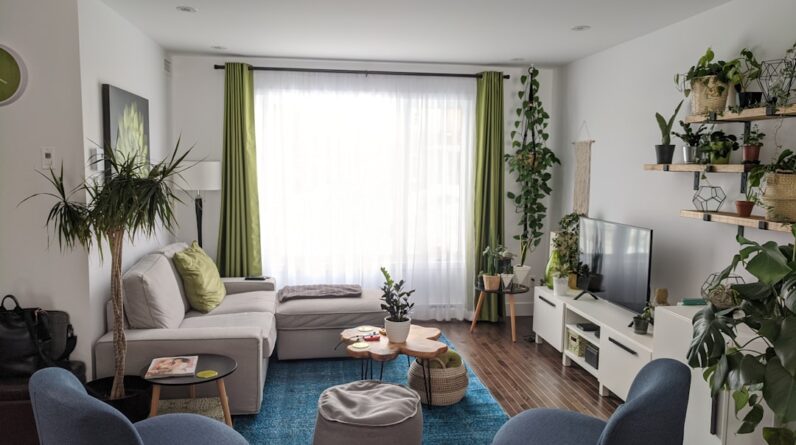
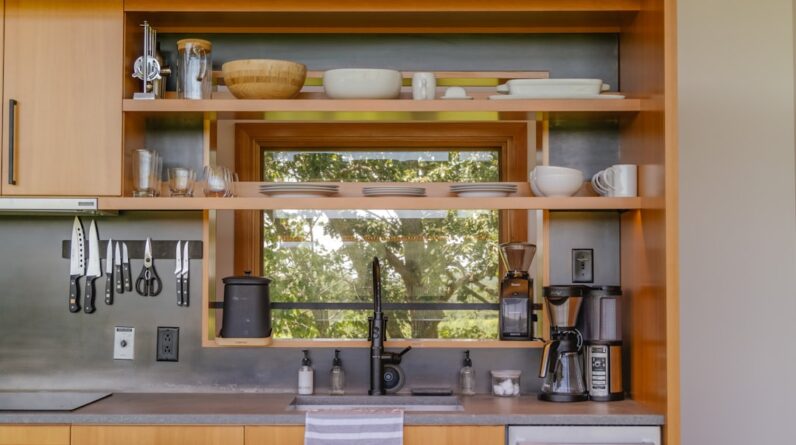
You’re considering embarking on the journey of creating a custom home interior in Hardin Village, Texas, and you’re seeking to understand the landscape of design possibilities. This guide aims to provide you with a factual overview, much like a well-researched article, to illuminate the path ahead. Hardin Village, with its growing appeal and inherent charm, offers a unique canvas for your personal aesthetic. Your home isn’t just a structure; it’s the physical manifestation of your life, your aspirations, and your daily routines. Designing it consciously means you are sculpting a space that will cradle you through all of life’s seasons.
Hardin Village, located in a region experiencing dynamic growth, presents a blend of established architectural styles and emerging trends. Understanding this environment is crucial for any custom interior design project. It’s about recognizing the existing dialogue of structures and how your new interior will contribute to that conversation.
Historical Influences and Architectural Legacies
The region surrounding Hardin Village, while perhaps not boasting a singular, dominant historical architectural style like some older, established towns, is nonetheless influenced by the broader Texan vernacular. You’ll observe elements of ranch-style homes, traditional Southern aesthetics, and increasingly, more contemporary interpretations. These historical threads can serve as a foundational inspiration for your interior. Think of them not as rigid rules but as whispers from the past, offering suggestions and proportions that have stood the test of time.
Emerging Trends in Texas Residential Design
Texas, as a state, is a fertile ground for design innovation. You’ll find a growing appreciation for materials that evoke a sense of place – natural wood, stone, and metals find their way into both traditional and modern applications. The emphasis on indoor-outdoor living, a natural extension of Texas’s climate, is also a prominent feature. Consider how your interior can seamlessly transition to outdoor living spaces, blurring the lines between the built environment and the natural landscape.
The Role of Local Climate and Geography
The Texan climate – characterized by heat, sunshine, and occasional humidity – plays a significant role in interior design choices. You’ll need to consider material durability, light management, and ventilation. For instance, selecting materials that are heat-resistant and choosing window treatments that effectively mitigate solar gain are practical necessities that also influence the aesthetic. The local geography, with its potential for varied topography and vegetation, can also inspire color palettes and material selections.
The Custom Home Interior Design Process: A Step-by-Step Approach
Embarking on a custom interior design project is akin to composing a symphony. Each element, from the grand architectural features to the smallest decorative accent, must harmonize to create a cohesive and pleasing whole. This process requires careful planning, clear communication, and a keen understanding of your own needs and desires.
Initial Consultation and Needs Assessment
The first step in any custom interior design journey is a thorough consultation. This is where you articulate your vision, your lifestyle, and your practical requirements to your designer. It’s a crucial phase where the seeds of your interior are sown. Think of it as a diagnostic session; the designer is learning the intricacies of your life to prescribe the most fitting design solutions.
Defining Your Lifestyle and Functional Needs
Beyond aesthetics, your home must function. You need to contemplate how you live: Do you entertain frequently? Do you work from home? Are there children or pets to consider? What are your storage needs? These functional requirements will dictate spatial planning, furniture selection, and material choices. A home designed without considering its inhabitants’ daily rhythm is like a beautifully crafted instrument that cannot be played.
Establishing Your Aesthetic Preferences and Style Inspiration
This is where your personal taste comes to the forefront. What colors resonate with you? What textures do you find appealing? Are you drawn to minimalist, modern, traditional, transitional, or perhaps a more eclectic aesthetic? Providing inspiration through images, mood boards, or even descriptions of places you find beautiful can be invaluable. This isn’t about replicating a Pinterest board, but about distilling the essence of what you love into a coherent design language.
Space Planning and Layout Development
Once your needs and preferences are understood, the designer will translate them into a functional and aesthetically pleasing layout. This is the structural skeleton of your interior, upon which all else will be built.
Optimizing Flow and Circulation
Effective space planning ensures that your home flows logically and intuitively. You should be able to move through your home without encountering awkward bottlenecks or feeling confined. Consider the pathways between rooms and the placement of key functional areas. A well-planned home feels effortless to navigate, like a skilled dancer moving across a stage.
Strategic Placement of Key Zones
Identifying and strategically placing distinct zones within your home – such as living areas, dining spaces, private retreats, and work areas – is paramount. This ensures each area serves its intended purpose without encroaching on others.
Material and Finish Selection
The selection of materials and finishes is where texture, color, and durability converge. These choices form the tactile and visual fabric of your home, influencing its mood and longevity.
Flooring Options and Considerations
Your flooring choices impact everything from acoustics and comfort to maintenance and style. From the warmth of wood to the cool elegance of tile or the plushness of carpet, each material offers a unique set of properties.
Hardwood Flooring: Timeless Appeal and Durability
Hardwood floors bring a classic elegance and warmth that is difficult to replicate. They are durable, can be refinished multiple times, and come in a wide variety of species and stains to match any aesthetic. Consider species like oak, hickory, or pecan for their resilience.
Tile and Stone: Versatility and Practicality
Ceramic and porcelain tiles offer incredible versatility in terms of color, pattern, and texture, making them suitable for kitchens, bathrooms, and even living areas. Natural stone, such as granite, marble, or slate, adds a touch of luxury and unique character.
Carpet and Rugs: Comfort and Sound Absorption
Carpet provides warmth, comfort, and excellent sound absorption, making it ideal for bedrooms and living areas. Area rugs can define spaces within larger rooms and add layers of texture and color.
Wall Treatments: Color, Texture, and Personality
Walls are the largest surfaces in your home, and their treatment significantly shapes the overall atmosphere.
Paint: The Foundation of Color and Mood
Paint remains a fundamental and highly adaptable choice. The vast spectrum of available colors allows for precise mood creation, from calming neutrals to vibrant accent walls.
Wallpaper: Adding Pattern and Depth
Wallpaper can introduce intricate patterns, textures, and a sense of depth that paint alone cannot achieve. Modern wallpapers offer a sophisticated and diverse range of designs.
Wood Paneling and Other Textural Elements
Wood paneling, wainscoting, or other textured wall treatments can add architectural interest and a sense of refined craftsmanship.
Countertops and Cabinetry: Functionality Meets Form
In kitchens and bathrooms, countertops and cabinetry are critical functional and aesthetic elements.
Kitchen Countertop Choices: Durability and Aesthetics
From quartz and granite to marble and butcher block, each countertop material offers a distinct balance of durability, maintenance requirements, and visual appeal.
Cabinetry Styles and Finishes
The style and finish of your cabinetry will heavily influence the kitchen or bathroom’s overall look. Options range from traditional raised panel doors to sleek, modern slab fronts, in wood, laminate, or
FAQs
What is custom home interior design?
Custom home interior design involves creating personalized interior spaces tailored to the homeowner’s preferences, lifestyle, and needs. It includes selecting materials, colors, furniture, lighting, and layouts that reflect the unique style of the client.
Why choose custom home interior design in Hardin Village, Texas?
Hardin Village, Texas, offers a unique blend of local culture and modern living, making it an ideal location for custom home interiors that combine comfort with regional aesthetics. Custom design allows homeowners to incorporate local materials and styles that resonate with the community and environment.
What are the key elements considered in custom home interior design?
Key elements include space planning, color schemes, furniture selection, lighting design, material finishes, and decorative accents. Designers also consider functionality, flow, and the homeowner’s personal tastes to create a cohesive and comfortable living space.
How long does the custom home interior design process typically take?
The timeline varies depending on the project’s complexity but generally ranges from a few weeks to several months. This includes initial consultations, design development, material selection, and final implementation.
Can custom home interior design increase the value of a home in Hardin Village?
Yes, well-executed custom interior design can enhance a home’s aesthetic appeal, functionality, and market value. Personalized designs that reflect quality craftsmanship and thoughtful planning are attractive to potential buyers and can lead to higher resale prices.