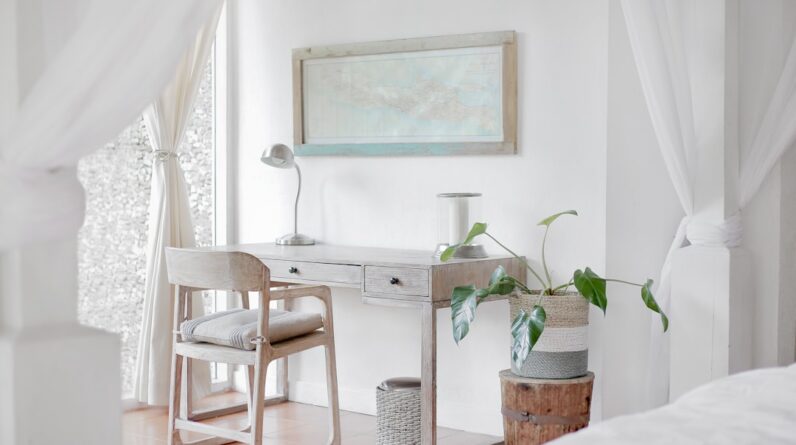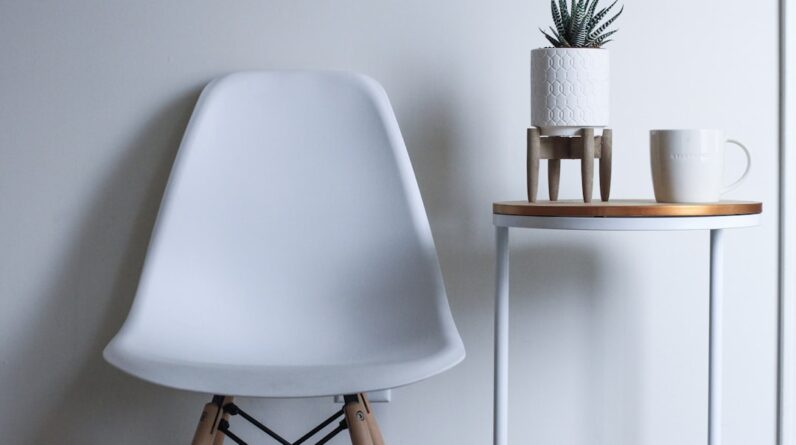
When you think about decluttering, you might envision a massive overhaul of your entire home. However, the benefits of decluttering small spaces can be just as significant, if not more so. In a small area, every item you own has a more pronounced impact on your daily life.
By removing unnecessary items, you create a more functional environment that allows you to navigate your space with ease. You may find that your small living area feels more open and inviting, which can enhance your overall mood and productivity. Moreover, decluttering can lead to a sense of accomplishment and control over your environment.
When you take the time to sort through your belongings and eliminate what no longer serves you, you are actively participating in the creation of a space that reflects your personal style and needs. This process can be incredibly liberating, allowing you to focus on what truly matters in your life. As you clear away the clutter, you may also discover forgotten treasures that bring you joy, further enhancing the positive effects of a decluttered space.
Key Takeaways
- Decluttering small spaces can lead to a sense of calm and relaxation, as well as increased productivity and creativity.
- Use vertical storage solutions and multi-functional furniture to maximize storage in small spaces.
- Prioritize items based on frequency of use and importance, and organize them in designated storage areas.
- Create a sense of space in small areas by using mirrors, light colors, and minimalistic decor.
- A clutter-free small space can reduce stress, improve focus, and promote a sense of well-being.
- Regularly declutter and organize to maintain a tidy small space and prevent clutter from building up.
- Design a functional and stylish small space by incorporating smart storage solutions and furniture that fits the space.
- Regular decluttering is important in small spaces to prevent them from feeling cramped and overwhelming.
Tips for Maximizing Storage in Small Spaces
Maximizing storage in small spaces requires creativity and strategic thinking. One effective approach is to utilize vertical space. By installing shelves or cabinets that reach up to the ceiling, you can take advantage of every inch available.
This not only provides additional storage but also draws the eye upward, creating an illusion of height in the room. Consider using decorative boxes or baskets on these shelves to keep items organized while adding a touch of style. Another tip is to invest in multifunctional furniture.
Pieces that serve more than one purpose can significantly reduce clutter while enhancing the functionality of your space. For instance, a coffee table with built-in storage or an ottoman that doubles as a seat and a storage unit can help you keep your belongings organized without sacrificing style. Additionally, think about under-bed storage solutions; utilizing this often-overlooked area can free up valuable space in your closets and drawers.
How to Prioritize and Organize Items in Small Spaces

When it comes to prioritizing and organizing items in small spaces, it’s essential to start with a clear plan. Begin by categorizing your belongings into groups based on their function or frequency of use. For example, keep everyday items within easy reach while storing seasonal or rarely used items in less accessible areas.
This method not only streamlines your organization process but also ensures that you can quickly find what you need when you need it. Once you’ve categorized your items, consider implementing a system that works for you. This could involve using clear bins for visibility or labeling boxes for easy identification.
You might also want to adopt the “one in, one out” rule: for every new item you bring into your space, commit to removing an existing one. This practice helps maintain balance and prevents clutter from accumulating over time, ensuring that your small space remains organized and functional.
Creative Ways to Create a Sense of Space in Small Areas
Creating a sense of space in small areas can be achieved through various creative techniques. One effective method is to use mirrors strategically. Placing mirrors across from windows or light sources can reflect natural light, making the room feel brighter and more expansive.
Additionally, mirrors can create an illusion of depth, tricking the eye into perceiving a larger area than actually exists. Another way to enhance the sense of space is through color choice and decor. Light colors tend to make a room feel airy and open, while darker hues can make it feel more enclosed.
Consider painting walls in soft pastels or whites to create an inviting atmosphere. Furthermore, using minimalistic decor can help reduce visual clutter, allowing the eye to move freely throughout the room. By choosing a few statement pieces rather than overcrowding surfaces with knick-knacks, you can maintain a clean aesthetic that promotes a sense of spaciousness.
The Psychological Impact of a Clutter-Free Small Space
The psychological impact of living in a clutter-free small space cannot be overstated. A tidy environment often leads to reduced stress levels and increased focus. When your surroundings are organized, it becomes easier to concentrate on tasks at hand without the distraction of disarray.
You may find that a clean space fosters creativity and productivity, allowing you to engage more fully in your daily activities. Moreover, decluttering can have profound effects on your mental well-being. A cluttered environment can contribute to feelings of anxiety and overwhelm, while a clean space promotes calmness and clarity.
By creating an organized sanctuary, you are not only improving your physical surroundings but also nurturing your mental health. The act of decluttering itself can be therapeutic, providing a sense of accomplishment and control over your life.
How to Maintain a Decluttered Small Space
Maintaining a decluttered small space requires ongoing effort and commitment. One effective strategy is to establish daily habits that promote tidiness. For instance, set aside a few minutes each day to put things back in their designated places or tackle small organizing tasks.
This consistent practice prevents clutter from building up and keeps your space looking its best. Additionally, consider scheduling regular decluttering sessions—perhaps monthly or seasonally—to reassess your belongings and remove items that no longer serve you. During these sessions, reflect on what you truly need and use; this mindfulness will help you make informed decisions about what to keep and what to let go of.
By incorporating these habits into your routine, you can ensure that your small space remains organized and clutter-free for the long term.
Designing a Functional and Stylish Small Space
Designing a functional and stylish small space involves balancing aesthetics with practicality. Start by selecting furniture that complements the scale of your room; oversized pieces can overwhelm a small area while smaller items may get lost in the design. Opt for sleek lines and simple shapes that create an uncluttered look while maximizing functionality.
Incorporating smart design elements such as built-in storage solutions or wall-mounted shelves can enhance both style and utility. Choose decor that reflects your personality but remains cohesive with the overall design theme. By carefully curating your furnishings and decor, you can create an inviting atmosphere that feels both stylish and functional—perfect for making the most out of limited square footage.
The Importance of Regular Decluttering in Small Spaces
Regular decluttering is essential for maintaining an organized small space over time. As life evolves, so do our needs and belongings; what once served a purpose may no longer be relevant. By committing to regular decluttering sessions, you ensure that your space remains aligned with your current lifestyle and preferences.
Additionally, regular decluttering helps prevent the accumulation of unnecessary items that can lead to chaos and overwhelm. It allows you to stay mindful about what you own and encourages intentional living—keeping only those items that truly add value to your life. By making decluttering a routine part of your life, you cultivate an environment that supports clarity, focus, and peace of mind in your small space.
FAQs
What is decluttering?
Decluttering is the process of removing unnecessary items and organizing the remaining belongings in a space to create a more functional and visually appealing environment.
Why is decluttering important in small spaces?
Decluttering is important in small spaces because it helps maximize the available space, reduces feelings of clutter and chaos, and creates a more comfortable and efficient living or working area.
What are some tips for decluttering small spaces?
Some tips for decluttering small spaces include:
1. Start with a plan and set specific goals for the decluttering process.
2. Sort items into categories such as keep, donate, or discard.
3. Utilize storage solutions such as bins, baskets, and shelves to maximize space.
4. Be ruthless in getting rid of items that are not used or needed.
5. Regularly maintain the decluttered space to prevent future accumulation of clutter.
How can decluttering small spaces improve mental well-being?
Decluttering small spaces can improve mental well-being by reducing feelings of stress and anxiety associated with a cluttered environment. A clean and organized space can promote a sense of calm and clarity.
What are some common challenges when decluttering small spaces?
Common challenges when decluttering small spaces include limited storage options, difficulty in letting go of sentimental items, and finding the time and motivation to tackle the decluttering process.