In recent years, you may have noticed a significant shift in interior design trends, with a growing fascination for all things retro. This resurgence, often referred to as the “retro revival,” has captivated homeowners and designers alike, drawing inspiration from the past to create spaces that feel both nostalgic and fresh. The rise of retro revival can be attributed to a collective yearning for simpler times, where design was characterized by bold colors, unique shapes, and a sense of playfulness.
As you explore this trend, you might find yourself reflecting on your own memories and experiences, which can influence your design choices. The retro revival is not merely a fleeting trend; it represents a broader cultural movement that seeks to reconnect with history. You may find that this revival is fueled by a desire for authenticity in a world increasingly dominated by mass production and digital experiences.
By incorporating vintage elements into your home, you can create a space that tells a story—your story. This trend encourages you to embrace individuality and creativity, allowing you to curate an environment that resonates with your personal style while paying homage to the past.
Key Takeaways
- Retro revival is a growing trend in interior design, with a focus on bringing back elements from the past.
- Vintage furniture and decor can add character and charm to any space, creating a sense of nostalgia and history.
- Mid-century modern design is a popular choice for incorporating retro elements, with its clean lines and iconic furniture pieces.
- Mixing old and new items can create a unique retro-contemporary fusion, adding a modern twist to classic designs.
- Retro color palettes and patterns can evoke a sense of nostalgia and add a playful, vibrant touch to any interior space.
Incorporating Vintage Furniture and Decor
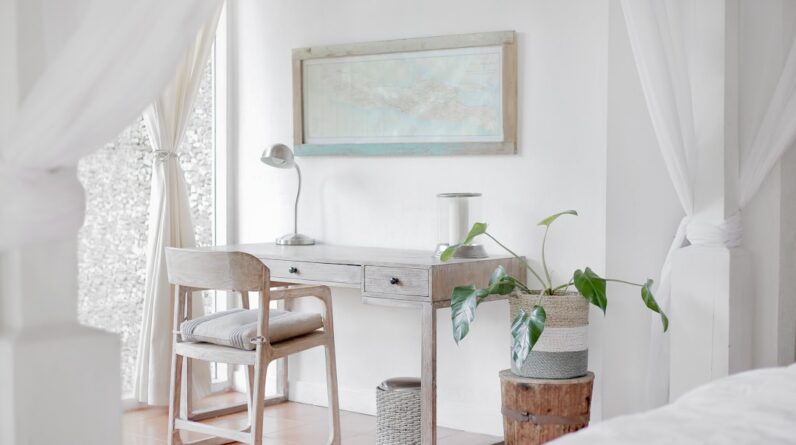
When it comes to embracing the retro revival, one of the most effective ways to do so is by incorporating vintage furniture and decor into your space. You might start by scouring local thrift stores, flea markets, or online marketplaces for unique pieces that speak to you. Vintage furniture often boasts craftsmanship and character that modern pieces may lack, making them perfect focal points in your home.
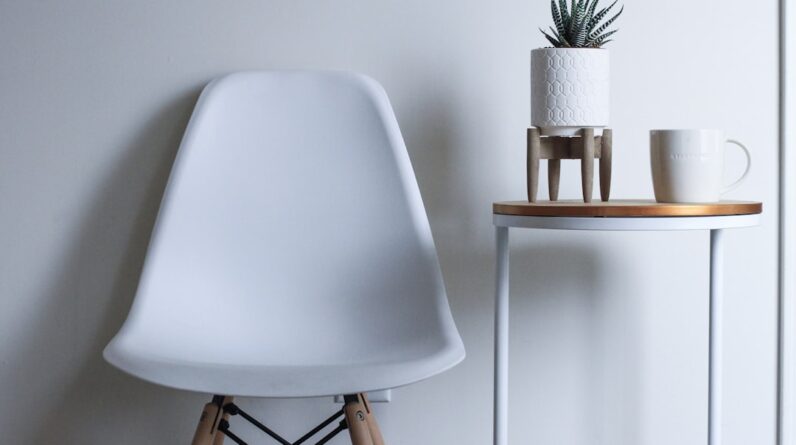
Imagine a mid-century modern coffee table or a classic Eames chair gracing your living room—these items not only serve a functional purpose but also evoke a sense of nostalgia. As you curate your collection of vintage decor, consider how these pieces can complement your existing furnishings. Mixing and matching different styles can create an eclectic yet harmonious atmosphere.
You might choose to pair a vintage sideboard with contemporary artwork or juxtapose retro lighting fixtures with modern textiles. This blend of old and new allows you to express your personality while celebrating the charm of bygone eras. Remember, the key is to select pieces that resonate with you personally, as this will ensure that your space feels authentic and inviting.
Embracing Mid-Century Modern Design

Mid-century modern design has emerged as a cornerstone of the retro revival movement, captivating enthusiasts with its clean lines, organic forms, and functional aesthetics. If you’re drawn to this style, you may appreciate its emphasis on simplicity and connection to nature. Characterized by iconic furniture pieces and innovative architectural designs, mid-century modern offers a timeless appeal that can seamlessly integrate into various interior styles.
You might find yourself inspired by the works of renowned designers like Charles and Ray Eames or George Nelson as you explore this aesthetic. Incorporating mid-century modern elements into your home can be as simple as selecting key furniture pieces or accessories that embody this design philosophy. Consider investing in a sleek sofa with tapered legs or a statement coffee table crafted from rich wood.
You may also want to explore the use of bold colors and geometric patterns that are hallmarks of this era. By embracing mid-century modern design, you not only pay tribute to a significant period in design history but also create a space that feels both stylish and inviting.
Mixing Old and New: Creating a Retro-Contemporary Fusion
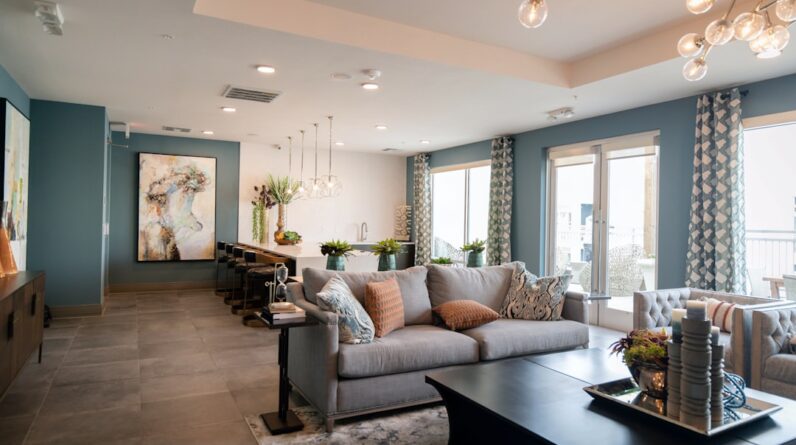
One of the most exciting aspects of the retro revival is the opportunity to mix old and new elements in your home. This fusion allows you to create a unique aesthetic that reflects your personal style while celebrating the charm of vintage design. You might find that combining contemporary pieces with retro accents adds depth and character to your space.
For instance, consider pairing a sleek modern sofa with an antique coffee table or incorporating vintage artwork into a minimalist gallery wall. As you experiment with this retro-contemporary fusion, think about how different textures and materials can enhance your design. You may choose to incorporate plush velvet cushions alongside sleek leather furniture or mix metal finishes for an eclectic look.
The key is to strike a balance between old and new, ensuring that each element complements rather than competes with one another. By embracing this approach, you can create a dynamic environment that feels both fresh and nostalgic.
Embracing Nostalgia with Retro Color Palettes
Color plays a pivotal role in the retro revival, as it has the power to evoke emotions and memories from the past. When designing your space, consider embracing retro color palettes that reflect the vibrancy of bygone eras. You might find inspiration in the bold hues of the 1960s or the earthy tones of the 1970s—each decade offers a unique palette that can transform your home into a nostalgic haven.
Think about incorporating shades like mustard yellow, avocado green, or burnt orange to infuse warmth and character into your space. As you select colors for your home, consider how they interact with one another and the overall mood you wish to create. You may choose to paint an accent wall in a striking retro hue or incorporate colorful accessories like cushions or rugs to add pops of color throughout your space.
By embracing these nostalgic color palettes, you can create an inviting atmosphere that transports you back in time while still feeling relevant in today’s design landscape.
Reviving Retro Patterns and Textures

Patterns and textures are essential components of the retro revival, adding visual interest and depth to your home. You might find yourself drawn to iconic patterns such as geometric shapes, floral motifs, or bold stripes that were popular in past decades. Incorporating these patterns into your decor can create a sense of playfulness and whimsy, inviting conversation and intrigue into your space.
Consider using patterned wallpaper or textiles to make a statement in your living room or bedroom. Textures also play a crucial role in enhancing the retro aesthetic. You may want to experiment with materials like shaggy rugs, velvet upholstery, or woven textiles that evoke a sense of nostalgia while adding tactile richness to your environment.
Mixing different textures can create a layered look that feels inviting and cozy. As you explore various patterns and textures, remember to maintain balance—too many competing elements can overwhelm a space, while thoughtful combinations can elevate your design.
Embracing Retro Revival in Different Interior Styles
The beauty of the retro revival is its versatility; it can be seamlessly integrated into various interior styles, from bohemian to industrial. If you’re drawn to a more eclectic aesthetic, consider incorporating vintage pieces alongside contemporary furnishings for an inviting yet dynamic look. Alternatively, if you prefer a more streamlined approach, you might focus on mid-century modern elements that align with minimalist principles while still celebrating retro charm.
You may also find inspiration in specific design movements that align with the retro revival ethos. For instance, if you’re captivated by the bohemian style, consider layering vintage textiles and decor items to create a warm and inviting atmosphere. On the other hand, if industrial design speaks to you, think about incorporating vintage lighting fixtures or reclaimed wood elements that add character without overwhelming the space.
By embracing retro revival across different interior styles, you can create a cohesive environment that reflects your unique taste.
Tips for Embracing Retro Revival in Your Own Home
As you embark on your journey to embrace retro revival in your home, there are several tips to keep in mind that can help guide your design choices. First and foremost, take time to explore different eras and styles that resonate with you personally. Whether it’s the bold colors of the 1980s or the sleek lines of mid-century modern design, understanding what speaks to you will help inform your decisions.
Next, don’t be afraid to mix and match different elements within your space. Combining vintage finds with contemporary pieces can create an eclectic yet harmonious atmosphere that feels uniquely yours. Additionally, consider incorporating personal touches—family heirlooms or items collected during travels can add depth and meaning to your decor.
Finally, remember that embracing retro revival is about creating a space that feels comfortable and authentic to you. Allow yourself the freedom to experiment with colors, patterns, and textures until you find the perfect balance that reflects your personality. By following these tips and infusing your home with elements of nostalgia, you’ll create an inviting environment that celebrates both the past and present in perfect harmony.
FAQs
What is retro revival in contemporary interiors?
Retro revival in contemporary interiors refers to the trend of incorporating design elements, furniture, and decor from past decades into modern interior spaces. This trend often involves a mix of vintage and contemporary pieces to create a unique and nostalgic aesthetic.
What are some popular retro revival design elements?
Popular retro revival design elements include mid-century modern furniture, bold geometric patterns, bright and bold colors, vintage lighting fixtures, and nostalgic decor items such as record players, rotary phones, and retro appliances.
How can retro revival be incorporated into contemporary interiors?
Retro revival can be incorporated into contemporary interiors through the use of vintage furniture pieces, retro-inspired wallpaper or textiles, vintage artwork, and retro color schemes. Mixing and matching old and new elements can create a balanced and visually interesting space.
What are the benefits of embracing retro revival in contemporary interiors?
Embracing retro revival in contemporary interiors allows for the creation of unique and personalized spaces that evoke a sense of nostalgia and warmth. It also provides an opportunity to repurpose and give new life to vintage items, contributing to sustainability and environmental consciousness.
Are there any challenges in incorporating retro revival into contemporary interiors?
One challenge in incorporating retro revival into contemporary interiors is finding authentic vintage pieces that are in good condition. Additionally, balancing the old and new elements to create a cohesive and harmonious space can require careful consideration and design expertise.