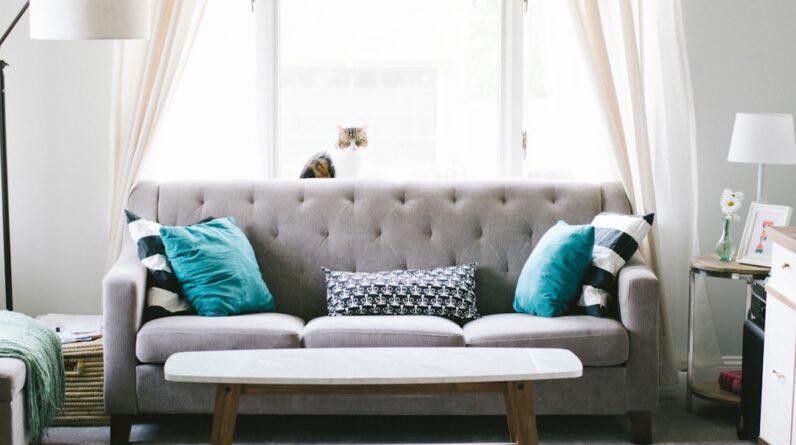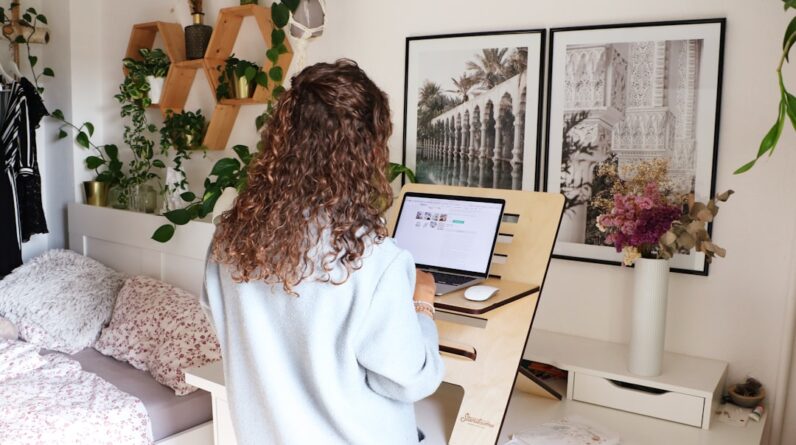
In the realm of contemporary design, you find yourself navigating a landscape that is ever-evolving, shaped by cultural shifts, technological advancements, and changing lifestyles. At its core, contemporary design emphasizes simplicity, clean lines, and a harmonious balance between form and function. You may notice that this style often incorporates a neutral color palette, allowing for versatility and adaptability in various settings.
The beauty of contemporary design lies in its ability to reflect the current moment while remaining timeless, making it an ideal choice for your home or workspace. As you delve deeper into contemporary design principles, you will discover the importance of sustainability and eco-friendliness. Many designers today prioritize materials that are not only aesthetically pleasing but also environmentally responsible.
This means you can choose furniture and decor that not only enhance your space but also contribute positively to the planet. By embracing these principles, you can create an environment that resonates with your values while also providing a stylish backdrop for your daily activities.
Key Takeaways
- Contemporary design principles focus on clean lines, minimalism, and functionality
- Maximizing functionality in a home office involves efficient storage solutions and ergonomic furniture
- Incorporating flexibility in furniture and layout allows for easy reconfiguration and adaptability
- Utilizing natural light and open spaces creates a welcoming and productive work environment
- Embracing minimalism and organization promotes a clutter-free and calming workspace
Maximizing Functionality in a Home Office
Assessing Your Needs
Start by assessing your needs: what tasks do you perform most frequently? Do you require multiple screens, ample storage, or a quiet area for phone calls? By identifying these requirements, you can tailor your office layout to suit your specific workflow.
Investing in Ergonomic Furniture
Consider investing in ergonomic furniture that promotes comfort during long hours of work. A well-designed desk and chair can make a significant difference in your overall well-being.
Organizing Your Workspace
Additionally, think about incorporating storage solutions that keep your workspace organized and clutter-free. Shelves, filing cabinets, and drawer units can help you maintain a tidy environment, allowing you to focus on your tasks without distractions.
By maximizing functionality in your home office, you create a space that not only enhances your productivity but also fosters a sense of calm and order.
Incorporating Flexibility in Furniture and Layout
Flexibility is a key component of contemporary design, especially in a home office where your needs may change over time. You might find that certain tasks require different setups or that you occasionally need to accommodate visitors or collaborators. To address this, consider furniture that can easily adapt to various configurations.
Modular desks, foldable chairs, and movable partitions can help you create a dynamic workspace that evolves with your requirements. In addition to flexible furniture, think about how you can arrange your layout to promote versatility. For instance, creating distinct zones within your office can allow you to switch between focused work and collaborative discussions seamlessly.
You might designate one area for deep concentration with minimal distractions while another space encourages brainstorming and creativity. By incorporating flexibility into both your furniture choices and layout, you ensure that your home office remains functional and inviting, no matter how your work demands shift.
Utilizing Natural Light and Open Spaces
One of the most effective ways to enhance your home office is by harnessing the power of natural light. You may have noticed how sunlight can transform a space, making it feel more open and inviting. When designing your office, prioritize positioning your desk near windows or in areas where natural light flows freely.
This not only boosts your mood but also improves focus and productivity throughout the day. In addition to maximizing natural light, consider the overall openness of your space. An open layout can foster creativity and collaboration while reducing feelings of confinement often associated with traditional office setups.
If possible, opt for glass partitions or open shelving instead of solid walls to maintain a sense of connection with the rest of your home. By utilizing natural light and embracing open spaces, you create an environment that feels expansive and energizing, ultimately enhancing your work experience.
Embracing Minimalism and Organization
In today’s fast-paced world, embracing minimalism can be a breath of fresh air for your home office. You may find that a clutter-free environment allows for clearer thinking and increased focus on the tasks at hand. Start by decluttering your workspace—remove items that do not serve a purpose or bring you joy.
This process not only creates a more visually appealing space but also helps you prioritize what truly matters in your work life. Organization plays a crucial role in maintaining a minimalist approach. Invest in smart storage solutions that keep essential items within reach while minimizing visual clutter.
Use drawer organizers, cable management systems, and labeled bins to create an orderly environment. By embracing minimalism and organization in your home office, you cultivate a serene atmosphere that encourages productivity and creativity without unnecessary distractions.
Adding Personal Touches and Inspiration

While functionality and organization are essential in a home office, personal touches are what truly make the space feel like yours. You want to create an environment that inspires you and reflects your personality. Consider incorporating artwork, photographs, or decorative items that resonate with you on a personal level.
These elements can serve as daily reminders of your goals and aspirations, fueling your motivation as you work. Additionally, think about how you can integrate elements that inspire creativity. This could be a vision board filled with images and quotes that ignite your passion or a dedicated space for brainstorming ideas.
By adding personal touches and sources of inspiration to your home office, you create an atmosphere that nurtures both productivity and creativity, making it a place where you genuinely enjoy spending time.
Integrating Technology and Connectivity
In today’s digital age, integrating technology into your home office is essential for staying connected and efficient. You may find that having the right tools at your disposal can significantly enhance your workflow. Start by assessing the technology you need—this could include high-speed internet, multiple monitors, or smart devices that streamline tasks.
Ensure that your workspace is equipped with reliable connectivity options to support video calls, online collaboration, and research. Moreover, consider how technology can improve the overall functionality of your office. Smart lighting systems can adjust based on the time of day or your mood, while noise-canceling headphones can help minimize distractions during focused work sessions.
By thoughtfully integrating technology into your home office design, you create an environment that not only meets your current needs but also adapts to future advancements.
Creating a Comfortable and Healthy Work Environment
Finally, prioritizing comfort and health in your home office is crucial for long-term productivity and well-being. You want to create a space where you feel physically comfortable while also promoting good posture and overall health. Invest in ergonomic furniture that supports your body during long hours of work—this includes adjustable chairs, standing desks, and proper monitor placement.
In addition to physical comfort, consider the psychological aspects of your work environment. Incorporate elements such as plants or calming colors to create a soothing atmosphere that reduces stress levels. You might also explore options for improving air quality or incorporating sound-absorbing materials to minimize noise pollution.
By focusing on creating a comfortable and healthy work environment, you set yourself up for success in both productivity and overall well-being as you navigate the demands of remote work or freelancing from home.
FAQs
What are contemporary design principles for a home office or remote work space?
Contemporary design principles for a home office or remote work space focus on clean lines, minimalism, and functionality. This includes using neutral colors, incorporating natural light, and utilizing multifunctional furniture.
How can I create a versatile home office or remote work space?
To create a versatile home office or remote work space, consider using modular furniture that can be easily rearranged, incorporating storage solutions to keep the space organized, and adding flexible lighting options to accommodate different tasks.
What are some adaptable design elements for a home office or remote work space?
Adaptable design elements for a home office or remote work space include adjustable desks and chairs, movable partitions or screens for privacy, and technology integration for seamless connectivity.
How can I maximize the use of space in a home office or remote work area?
To maximize the use of space in a home office or remote work area, consider utilizing vertical storage options, incorporating built-in or fold-down desks, and using multipurpose furniture such as a desk that can also function as a dining table.
What are some tips for creating a productive and inspiring home office or remote work space?
Tips for creating a productive and inspiring home office or remote work space include adding personal touches such as artwork or plants, minimizing distractions, and creating designated zones for different tasks such as a quiet area for focused work and a comfortable area for relaxation.