As you step into the world of contemporary interior design, you may find yourself captivated by the ever-evolving landscape of styles, colors, and materials. The trends that define this era are not merely fleeting fads; they reflect a deeper understanding of how spaces can influence our emotions and well-being. In today’s fast-paced world, where functionality meets aesthetics, contemporary design embraces a holistic approach that prioritizes comfort, sustainability, and individuality.
You might notice that the spaces around you are becoming more than just places to live or work; they are evolving into personal sanctuaries that tell your unique story. In this exploration of contemporary interior design trends, you will discover how various influences shape the way you perceive and interact with your environment. From minimalist aesthetics to bold color choices, each trend offers a distinct perspective on how to create spaces that resonate with your lifestyle.
As you delve deeper into these trends, you will find that they not only enhance the visual appeal of your surroundings but also contribute to a sense of harmony and balance in your life.
Key Takeaways
- Contemporary interior design trends are influenced by minimalism, sustainability, technology integration, bold colors, biophilic design, and personalization.
- Minimalist and Scandinavian influences emphasize clean lines, simplicity, and functionality in interior design.
- Sustainable and eco-friendly design focuses on using environmentally friendly materials and practices to create a healthier living space.
- Technology integration in interior design includes smart home systems, innovative lighting, and interactive design elements.
- Bold colors and statement pieces add personality and visual interest to contemporary interior spaces.
Minimalist and Scandinavian Influences
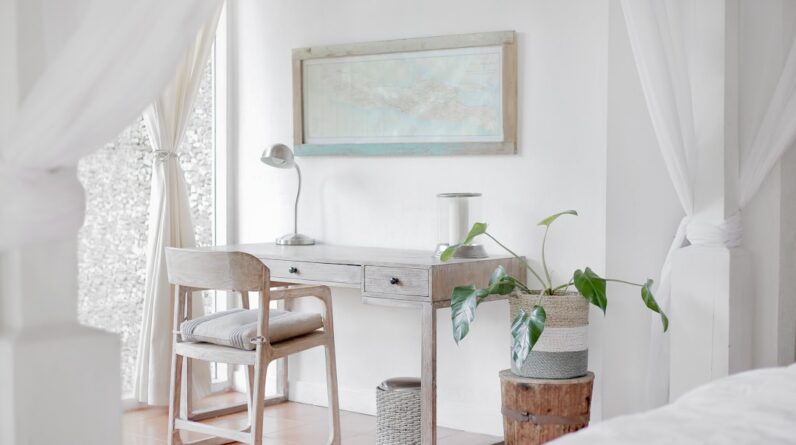
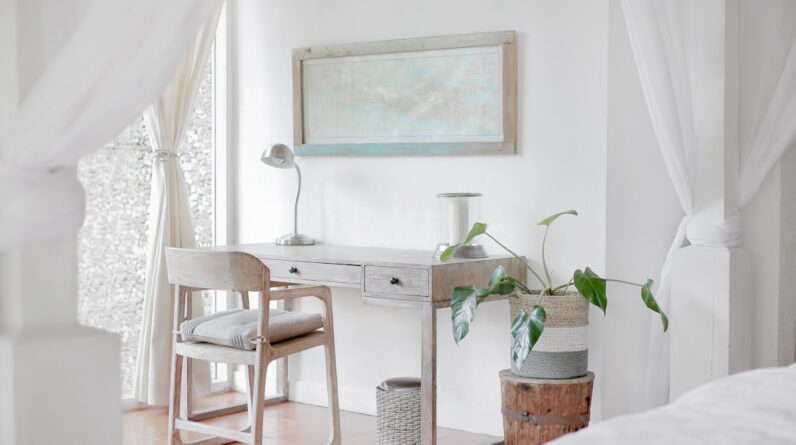
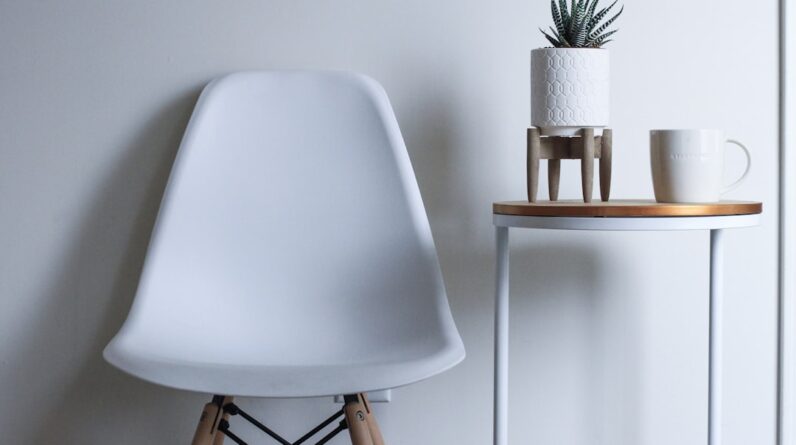
One of the most prominent trends in contemporary interior design is the minimalist aesthetic, heavily influenced by Scandinavian design principles. You may find that this style emphasizes simplicity, functionality, and a clean aesthetic that promotes a sense of calm. The minimalist approach encourages you to declutter your space, allowing only the essentials to remain.
This not only creates a visually appealing environment but also fosters mental clarity and peace. You might appreciate how minimalist design often incorporates neutral color palettes, natural materials, and open spaces that invite light and air into your home. Scandinavian design takes this minimalist philosophy a step further by infusing warmth and coziness into the equation.
You may notice that Scandinavian interiors often feature soft textiles, warm wood tones, and inviting furnishings that create a sense of comfort. This blend of minimalism and warmth allows you to enjoy a space that feels both stylish and livable. As you explore this trend, consider how you can incorporate elements of Scandinavian design into your own home, perhaps through the use of natural materials or by selecting furniture pieces that prioritize both form and function.
Sustainable and Eco-Friendly Design
In recent years, sustainability has emerged as a crucial consideration in contemporary interior design. As you become more aware of environmental issues, you may find yourself drawn to eco-friendly design practices that prioritize the health of our planet. Sustainable design focuses on using materials and processes that minimize environmental impact while promoting energy efficiency.
You might be inspired to choose furnishings made from reclaimed wood or textiles crafted from organic fibers, knowing that your choices contribute to a healthier planet. Moreover, sustainable design goes beyond just materials; it encompasses the entire lifecycle of a product. You may appreciate how designers are increasingly considering the longevity and recyclability of their creations.
By investing in timeless pieces that are built to last, you not only reduce waste but also create a space that reflects your commitment to sustainability. As you explore eco-friendly design options, consider how small changes in your home can lead to a more sustainable lifestyle, from energy-efficient lighting to water-saving fixtures.
Technology Integration in Interior Design
As technology continues to advance at an unprecedented pace, its integration into interior design has become a defining characteristic of contemporary spaces. You may find yourself surrounded by smart home devices that enhance convenience and efficiency in your daily life. From automated lighting systems to smart thermostats, technology allows you to control your environment with ease.
This seamless integration not only elevates the functionality of your space but also adds a modern touch that aligns with contemporary aesthetics. In addition to smart devices, technology has also transformed the way designers approach their work. Virtual reality and augmented reality tools enable you to visualize design concepts before they come to life, allowing for more informed decision-making.
You might enjoy exploring these innovative tools as they empower you to experiment with different layouts, colors, and materials in a virtual setting. As technology continues to shape the future of interior design, consider how you can embrace these advancements to create a space that is both stylish and functional.
Bold Colors and Statement Pieces
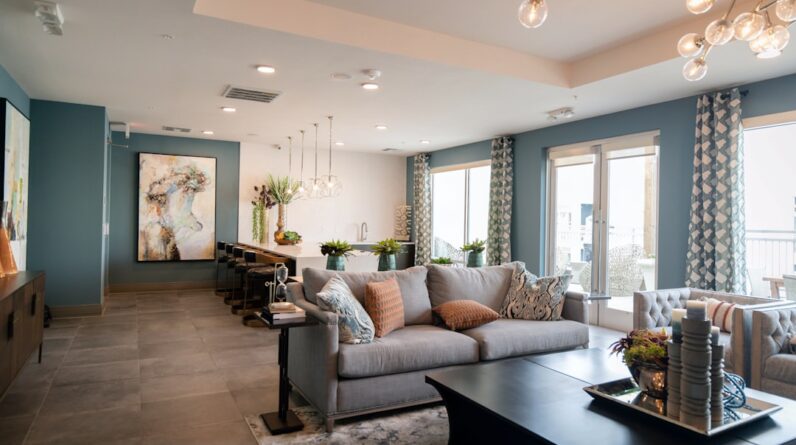
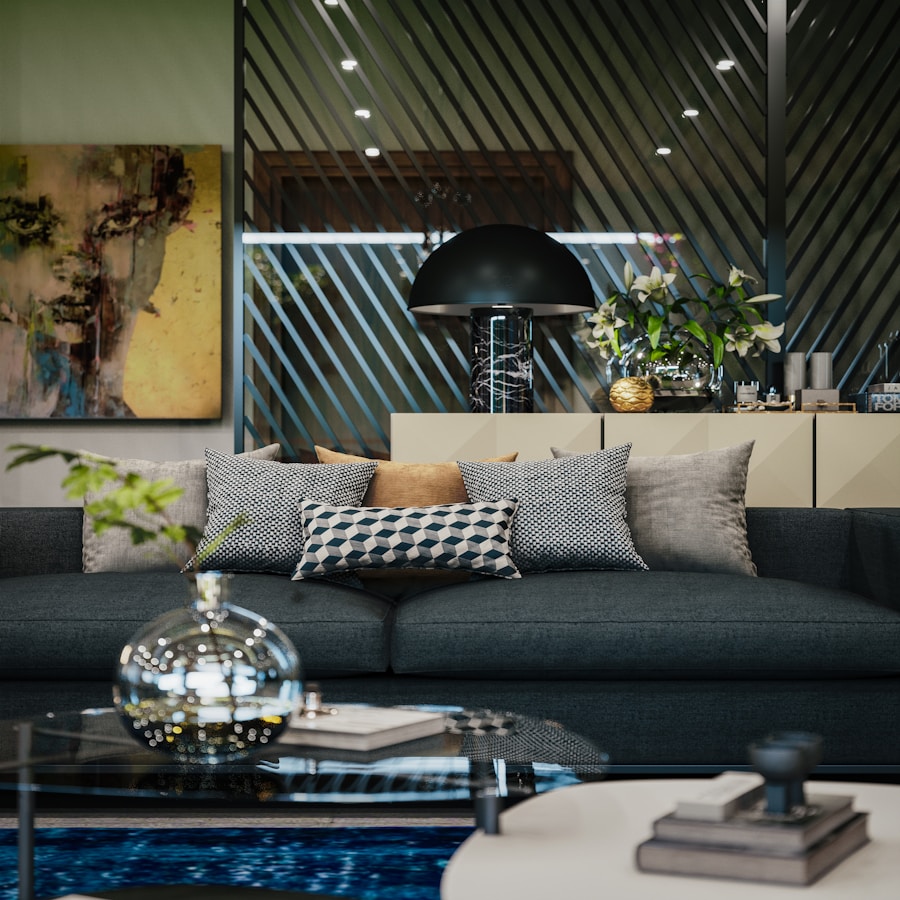
While minimalism has its charm, contemporary interior design also celebrates the power of bold colors and statement pieces. You may find that incorporating vibrant hues into your space can evoke strong emotions and create a dynamic atmosphere. Whether it’s a striking accent wall or colorful artwork, bold colors can serve as focal points that draw the eye and spark conversation.
As you explore this trend, consider how different colors resonate with your personality and how they can transform the mood of your space. Statement pieces play a crucial role in this trend as well. You might be inspired to invest in unique furniture or art that reflects your individuality and serves as a conversation starter.
A sculptural chair or an oversized painting can add character to your home while showcasing your personal style. As you curate your space, think about how these bold elements can coexist with more subdued features, creating a harmonious balance between vibrancy and tranquility.
Biophilic Design and Bringing the Outdoors In
The Principles of Biophilic Design
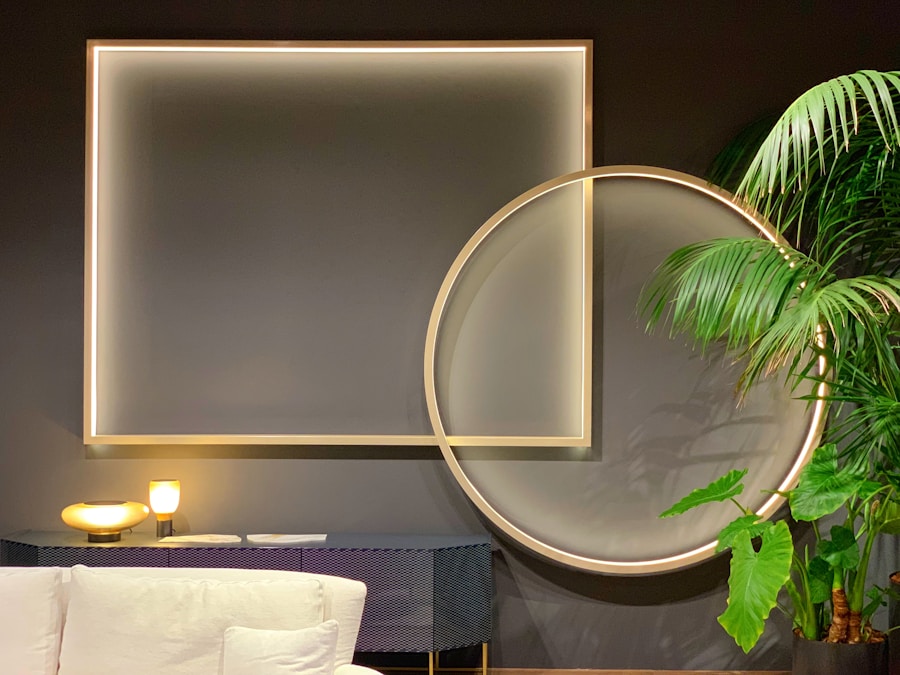
Biophilic design emphasizes the use of natural materials, plants, and natural light to create environments that mimic the beauty of the outdoors.
Bringing Nature Indoors
As you explore this trend, consider how you can bring nature into your home through indoor plants, natural wood finishes, or large windows that invite sunlight. The benefits of biophilic design extend beyond aesthetics; studies have shown that exposure to nature can reduce stress and improve overall health.
Creating a Calming Atmosphere
You might appreciate how even small touches—such as adding greenery or using earthy color palettes—can create a calming atmosphere in your home. As you embrace biophilic design principles, think about how you can create spaces that foster a deeper connection with nature, allowing you to unwind and recharge amidst the hustle and bustle of daily life.
Mixing and Matching Textures and Materials
Contemporary interior design encourages creativity through the mixing and matching of textures and materials. You may find that combining different elements can add depth and interest to your space, creating a visually dynamic environment. From soft textiles like velvet or linen to hard materials like metal or glass, the interplay between various textures can evoke different sensations and moods within a room.
As you experiment with these combinations, consider how they reflect your personal style while enhancing the overall aesthetic. This trend also allows for greater flexibility in design choices. You might enjoy layering rugs or combining furniture pieces from different eras to create an eclectic look that feels uniquely yours.
The key is to strike a balance between contrasting elements while maintaining cohesion throughout the space. As you explore this approach, think about how each texture contributes to the overall atmosphere of your home, allowing you to curate an environment that is both inviting and visually stimulating.
Personalization and Customization in Interior Design
In an age where individuality is celebrated, personalization has become a cornerstone of contemporary interior design. You may find yourself seeking ways to infuse your personality into every corner of your home, creating spaces that truly reflect who you are. Customization allows you to select colors, patterns, and furnishings that resonate with your tastes while telling your unique story.
Whether it’s through bespoke furniture or personalized artwork, these elements can transform your space into a true reflection of yourself. As you embark on this journey of personalization, consider how each choice contributes to the overall narrative of your home. You might enjoy curating collections of items that hold sentimental value or selecting decor pieces that evoke cherished memories.
By embracing customization in your interior design journey, you not only create a visually appealing environment but also cultivate a sense of belonging within your space—a sanctuary that feels distinctly yours. In conclusion, contemporary interior design trends offer a rich tapestry of influences and ideas for creating spaces that resonate with your lifestyle and values. From minimalist aesthetics to bold colors and sustainable practices, each trend invites you to explore new possibilities for enhancing your environment.
As you navigate this dynamic landscape, remember that the ultimate goal is to create spaces that reflect who you are while promoting comfort, well-being, and individuality in every aspect of your life.
FAQs
What are some popular contemporary interior design trends?
Some popular contemporary interior design trends include minimalism, sustainable and eco-friendly design, biophilic design (bringing nature indoors), and the use of natural materials such as wood, stone, and metal.
How does minimalism play a role in contemporary interior design?
Minimalism in contemporary interior design focuses on clean lines, simple color palettes, and uncluttered spaces. It emphasizes the idea of “less is more” and promotes a sense of calm and simplicity in the home.
What is biophilic design and how is it incorporated into contemporary interior design?
Biophilic design is the concept of bringing nature into the built environment. In contemporary interior design, this can be achieved through the use of natural materials, indoor plants, natural light, and views of nature from within the space.
How is sustainability incorporated into contemporary interior design?
Sustainability in contemporary interior design involves using eco-friendly materials, energy-efficient lighting and appliances, and incorporating sustainable practices such as recycling and upcycling. Designers also focus on creating spaces that have a minimal impact on the environment.
What role do natural materials play in contemporary interior design?
Natural materials such as wood, stone, and metal are often used in contemporary interior design to bring warmth, texture, and a sense of connection to the natural world into the space. These materials are valued for their durability and timeless appeal.