Feng Shui, an ancient Chinese practice, revolves around the idea that our environment significantly influences our lives. At its core, Feng Shui translates to “wind” and “water,” symbolizing the flow of energy, or “chi,” that permeates all aspects of existence. You may find it fascinating that this practice dates back thousands of years, rooted in the belief that the arrangement of your surroundings can either enhance or hinder your well-being.
By understanding the fundamental principles of Feng Shui, you can begin to harness this energy to create a more balanced and harmonious life. One of the key concepts in Feng Shui is the idea of yin and yang, representing the duality of nature. Yin embodies qualities such as darkness, femininity, and passivity, while yang signifies light, masculinity, and activity.
In your living space, achieving a balance between these two forces is essential for promoting positive energy flow. Additionally, the Bagua map, a tool used in Feng Shui, helps you identify different areas of your home that correspond to various aspects of your life, such as wealth, health, and relationships. By familiarizing yourself with these foundational elements, you can start to appreciate how they can be applied to enhance your living environment.
Key Takeaways
- Feng Shui is the ancient Chinese practice of arranging your environment to enhance your life energy or “qi”
- Apply Feng Shui principles to interior design by considering the flow of energy, balancing elements, and decluttering
- Create a balanced and harmonious living space by incorporating natural light, using calming colors, and arranging furniture for optimal energy flow
- Use Feng Shui to improve health and well-being by incorporating plants, using air-purifying techniques, and creating a peaceful bedroom environment
- Enhance relationships and prosperity with Feng Shui by activating the relationship corner, using symbols of love and abundance, and decluttering to invite new energy
- Incorporate Feng Shui into different rooms of the house by considering the specific energy needs of each space and using appropriate colors, materials, and decor
- Avoid common Feng Shui mistakes such as blocking energy flow with clutter, using sharp or harsh decor, and neglecting the importance of the front door
- Consult a Feng Shui expert for personalized guidance to assess your specific energy needs and create a customized plan for your home or workspace
Applying Feng Shui Principles to Interior Design
Feng Shui in Interior Design: Creating a Sanctuary
Feng Shui is an ancient philosophy that can transform your living space into a haven that nourishes your spirit. By incorporating its principles into your interior design, you can create an environment that promotes harmony, balance, and well-being.
Optimizing Furniture Layout for Energy Flow
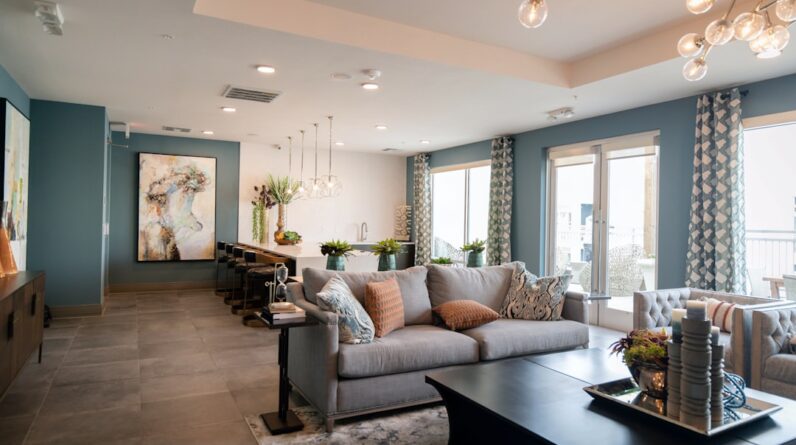
To create a Feng Shui-inspired space, start by examining the layout of your furniture and decor. It’s essential to ensure an open flow of energy throughout your home by avoiding clutter and keeping pathways clear. As you arrange your furniture, consider how each piece contributes to the overall energy of the room. For instance, placing your sofa against a solid wall can provide a sense of security and stability.
The Power of Color in Feng Shui
Color plays a significant role in Feng Shui, as each hue carries its own energy and can evoke different emotions. By choosing colors that resonate with the specific areas of your life you wish to enhance, you can create an environment that supports your intentions. Soft greens and blues can promote tranquility and healing, while vibrant reds and oranges can stimulate passion and creativity.
Thoughtfully Selecting Colors and Materials
By carefully selecting colors and materials that align with your intentions, you can create a space that not only looks beautiful but also feels energetically supportive. This thoughtful approach to interior design can help you create a sanctuary that nurtures your spirit and promotes overall well-being.
Creating a Balanced and Harmonious Living Space

To cultivate a balanced and harmonious living space, you must pay attention to both the physical arrangement of your home and the emotional atmosphere it creates. Start by decluttering your space; this act alone can significantly improve the flow of chi. As you clear out items that no longer serve you, consider how each object contributes to your life’s narrative.
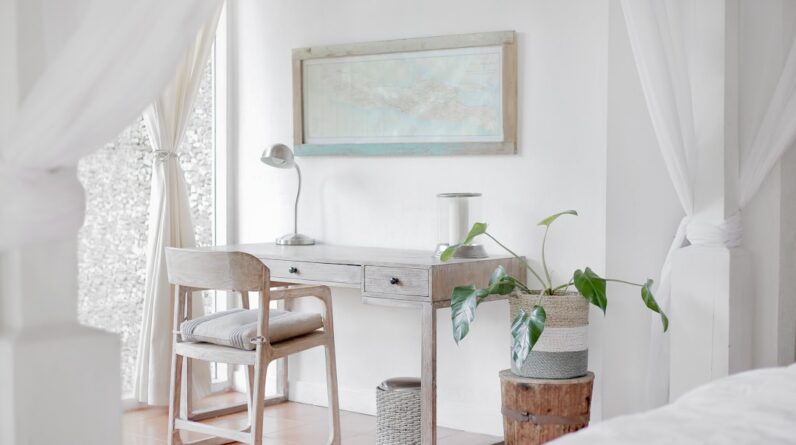
You may find that letting go of old belongings opens up new opportunities for growth and renewal. In addition to decluttering, incorporating natural elements into your home can enhance its harmony. Plants, for instance, not only purify the air but also bring life and vitality into your space.
You might choose low-maintenance varieties like snake plants or pothos if you’re new to gardening. Water features, such as small fountains or aquariums, can also introduce a soothing element that promotes relaxation and tranquility. By blending these natural elements with thoughtful design choices, you can create a living space that feels both inviting and rejuvenating.
Using Feng Shui to Improve Health and Well-being
Your health and well-being are deeply intertwined with your environment, making Feng Shui an invaluable tool for enhancing both. One way to use Feng Shui for health is by ensuring that your bedroom is a sanctuary for rest and rejuvenation. You may want to position your bed in a commanding position—ideally facing the door but not directly in line with it—to promote a sense of safety while you sleep.
Additionally, consider using calming colors and soft textures in your bedroom decor to create a peaceful atmosphere conducive to relaxation. Another aspect of health in Feng Shui involves the use of specific elements to support healing energies. For instance, incorporating earth elements like crystals or ceramics can ground you and promote stability.
You might also want to introduce metal elements through decor or furniture to enhance clarity and focus. By consciously designing your space with these elements in mind, you can create an environment that not only supports physical health but also nurtures emotional well-being.
Enhancing Relationships and Prosperity with Feng Shui
Feng Shui offers powerful tools for enhancing relationships and attracting prosperity into your life. To foster harmonious relationships within your home, focus on creating spaces that encourage connection and communication. The dining room is particularly significant in this regard; it’s where family members gather to share meals and stories.
You might consider using a round table to promote inclusivity or adding warm lighting to create an inviting atmosphere. When it comes to attracting prosperity, the wealth corner of your home—typically located in the far left corner from the entrance—can be enhanced with specific symbols and colors associated with abundance. You may want to incorporate elements like plants or images that represent wealth and success.
Additionally, keeping this area clutter-free will allow positive energy to flow freely, inviting opportunities for financial growth into your life.
Incorporating Feng Shui into Different Rooms of the House

Feng Shui Applications for Each Room in Your Home
Creating a Welcoming Atmosphere in the Living Room
Each room in your home serves a unique purpose and can benefit from tailored Feng Shui applications. In the living room, for example, focus on creating a welcoming atmosphere by arranging seating in a way that encourages conversation and connection. You might place chairs in a circular formation or ensure that everyone has a clear view of one another while seated.
Nourishment and Abundance in the Kitchen
In the kitchen, which symbolizes nourishment and abundance, consider using bright colors and keeping countertops organized to promote a sense of vitality. You may also want to display fresh fruits or herbs as symbols of prosperity.
Enhancing the Bathroom for Relaxation
In contrast, the bathroom—often associated with energy drainage—can be enhanced by keeping it clean and well-lit while incorporating calming colors like soft blues or greens to promote relaxation.
Common Feng Shui Mistakes to Avoid
As you embark on your Feng Shui journey, it’s essential to be aware of common mistakes that could hinder your progress. One frequent error is neglecting the importance of decluttering. Clutter not only disrupts the flow of chi but can also create feelings of overwhelm and stress in your life.
Make it a priority to regularly assess your belongings and let go of items that no longer serve you. Another mistake is overlooking the significance of mirrors in Feng Shui. While mirrors can enhance light and space when used correctly, they can also create confusion if placed improperly.
For instance, avoid placing mirrors directly facing doors or windows, as they may reflect energy away from your home rather than inviting it in. By being mindful of these common pitfalls, you can ensure that your efforts yield positive results.
Consulting a Feng Shui Expert for Personalized Guidance
While self-study can provide valuable insights into Feng Shui principles, consulting a Feng Shui expert can offer personalized guidance tailored to your unique circumstances. An expert can assess your space holistically, identifying specific areas for improvement based on your goals and lifestyle. They may provide recommendations on furniture placement, color schemes, or even specific items to incorporate into your home.
Working with a professional can also deepen your understanding of how Feng Shui principles apply to various aspects of your life beyond just physical space. They may help you uncover patterns or beliefs that have been holding you back from achieving balance and harmony. By investing in expert guidance, you can embark on a transformative journey toward creating a living environment that truly supports your well-being and aspirations.
In conclusion, embracing Feng Shui principles offers a pathway toward creating a harmonious living space that nurtures both body and spirit. By understanding its basics, applying its principles thoughtfully across different rooms, and avoiding common mistakes, you can cultivate an environment that enhances health, relationships, and prosperity in your life. Whether you choose to explore these concepts independently or seek expert guidance, the journey toward a balanced home is one worth undertaking for anyone seeking greater peace and fulfillment in their daily lives.
FAQs
What is Feng Shui?
Feng Shui is a traditional Chinese practice that involves arranging the environment to create harmony and balance in one’s surroundings. It is based on the belief that the arrangement of objects and spaces can affect the flow of energy, or “chi,” and influence a person’s health, wealth, and happiness.
How does Feng Shui work?
Feng Shui works by analyzing the flow of energy in a space and making adjustments to enhance the positive energy and minimize the negative energy. This can involve the placement of furniture, the use of colors, the incorporation of natural elements, and the removal of clutter.
What are the key principles of Feng Shui?
The key principles of Feng Shui include the use of the Bagua map to identify different areas of a space and their corresponding elements, the importance of balance and harmony, the incorporation of natural elements, and the removal of clutter to allow for the free flow of energy.
What are the benefits of using Feng Shui in interior spaces?
Using Feng Shui in interior spaces can lead to a more harmonious and balanced environment, which can in turn promote a sense of well-being, improve the flow of energy, enhance creativity and productivity, and create a more aesthetically pleasing and comfortable space.
How can I incorporate Feng Shui into my home or office?
To incorporate Feng Shui into your home or office, you can start by decluttering and organizing your space, using the Bagua map to identify different areas and their corresponding elements, incorporating natural elements such as plants and water features, and paying attention to the placement of furniture and the use of color. Consulting with a Feng Shui expert can also provide personalized guidance.