When it comes to small rooms, lighting plays a pivotal role in shaping the overall atmosphere and functionality of the space. You may find that the right lighting can transform a cramped area into a cozy haven, making it feel more spacious and inviting. Good lighting not only enhances the aesthetic appeal of a room but also affects how you perceive its size.
A well-lit small room can appear larger and more open, while poor lighting can make it feel confined and unwelcoming. Therefore, understanding the importance of lighting is essential for anyone looking to optimize their small living spaces. Moreover, lighting can significantly influence your mood and productivity.
In a small room, where you might spend a considerable amount of time, the right lighting can create a sense of comfort and relaxation. Whether you are reading a book, working on a project, or simply unwinding after a long day, the quality of light can enhance your experience. By carefully considering your lighting choices, you can create an environment that not only meets your practical needs but also elevates your emotional well-being.
Key Takeaways
- Proper lighting is crucial in small rooms to create a sense of space and enhance functionality.
- Types of lighting for small rooms include ambient, task, and accent lighting to cater to different needs.
- Strategic placement of lights in small rooms can help to maximize the available space and create a balanced lighting scheme.
- Choosing the right bulbs, such as LED or CFL, can make a significant difference in the quality and efficiency of lighting in small rooms.
- Maximizing natural light through the use of sheer curtains, light-colored walls, and strategically placed mirrors can help to brighten up small rooms and make them feel more spacious.
Types of Lighting for Small Rooms
Ambient Lighting: Setting the Foundation
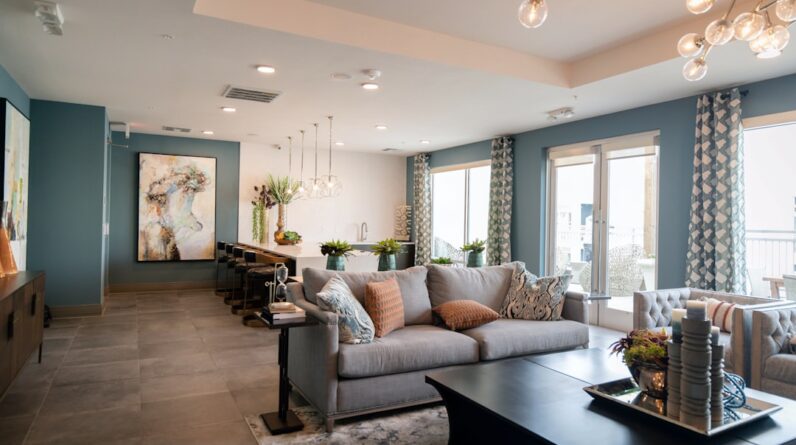
Ambient lighting is often the foundation of any lighting scheme. This type of lighting provides general illumination and ensures that the entire room is well-lit. You might consider ceiling-mounted fixtures or wall sconces that distribute light evenly throughout the space. The goal is to create a warm and inviting atmosphere that makes the room feel more expansive.
Task Lighting: Enhancing Functionality
In addition to ambient lighting, task lighting is essential for specific activities such as reading or working. You may want to incorporate table lamps, floor lamps, or even under-cabinet lights in areas where you need focused illumination. This type of lighting not only enhances functionality but also adds layers to your overall design.
Accent Lighting: Adding Depth and Interest
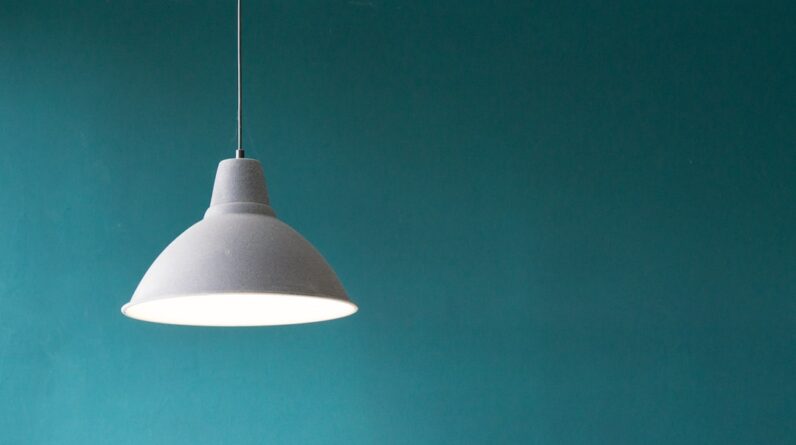
Accent lighting can also play a role in small rooms by highlighting artwork or architectural features, adding depth and interest to the space. By combining these different types of lighting, you can create a well-rounded scheme that caters to both aesthetics and practicality.
Placement of Lights in Small Rooms

The placement of lights in small rooms is just as important as the types of lighting you choose. You may want to start by assessing the layout of your room and identifying key areas that require illumination. For instance, placing lights near entryways can create a welcoming atmosphere while ensuring safety.
Additionally, consider positioning task lights close to workspaces or reading nooks to provide adequate illumination for those activities. Another effective strategy is to use wall-mounted fixtures or sconces to free up valuable floor space. By directing light upwards or downwards, you can create an illusion of height and make the room feel more open.
You might also experiment with layering different light sources at varying heights to add dimension and interest. Remember that the goal is to create a balanced distribution of light throughout the room, avoiding dark corners that can make the space feel smaller than it is.
Choosing the Right Bulbs for Small Rooms
Selecting the right bulbs is crucial for achieving the desired ambiance in small rooms. You may find that different types of bulbs produce varying qualities of light, which can significantly impact the overall feel of your space. For instance, LED bulbs are energy-efficient and long-lasting, making them an excellent choice for everyday use.
They come in various color temperatures, allowing you to choose between warm white for a cozy atmosphere or cool white for a more modern look. In addition to energy efficiency, consider the brightness of the bulbs you select. Measured in lumens, this will determine how much light is emitted into your small room.
You may want to opt for dimmable bulbs that allow you to adjust the brightness according to your needs and mood. This flexibility can be particularly beneficial in small spaces where you might want bright light during the day but softer illumination in the evening. By carefully choosing your bulbs, you can enhance both functionality and ambiance in your small room.
Maximizing Natural Light in Small Rooms
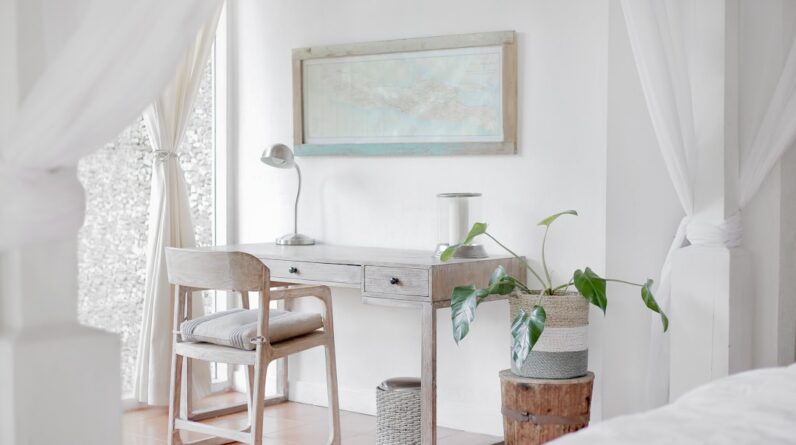
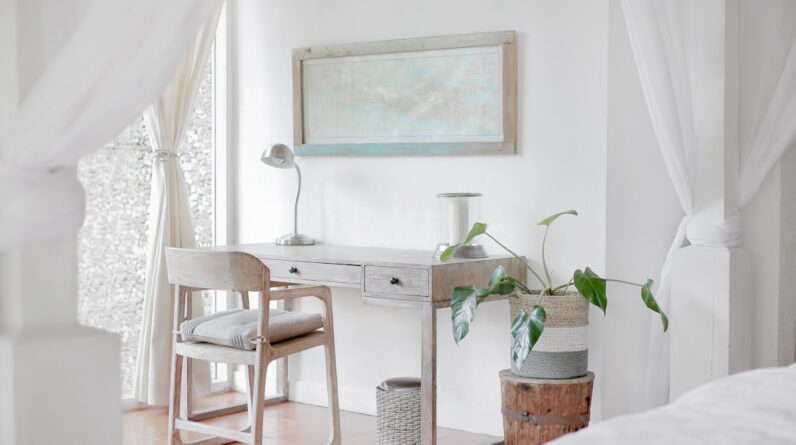
Natural light is one of the most effective ways to brighten up a small room and make it feel more spacious. You may want to start by assessing how much natural light enters your space and identifying any obstacles that may be blocking it. Heavy drapes or dark window treatments can absorb light and make a room feel smaller; consider replacing them with sheer curtains or blinds that allow sunlight to filter through while still providing privacy.
Another way to maximize natural light is by strategically placing mirrors across from windows. This not only reflects light back into the room but also creates an illusion of depth, making the space feel larger than it actually is. You might also consider using lighter paint colors on walls and ceilings to enhance the effect of natural light, as these shades will reflect sunlight rather than absorb it.
By focusing on maximizing natural light, you can create an airy and uplifting environment in your small room.
Using Mirrors to Enhance Lighting in Small Rooms

Mirrors are a powerful tool when it comes to enhancing lighting in small rooms. You may find that strategically placing mirrors can amplify both natural and artificial light sources, creating a brighter atmosphere overall. For instance, placing a large mirror opposite a window will reflect sunlight throughout the room, making it feel more open and inviting.
This simple trick can dramatically change how you perceive the space. In addition to reflecting light, mirrors can also add visual interest and depth to your small room. You might consider using decorative mirrors as focal points on walls or incorporating mirrored furniture pieces that catch the light beautifully.
The key is to use mirrors thoughtfully; too many mirrors can create a chaotic effect rather than enhancing the space’s elegance. By incorporating mirrors into your lighting strategy, you can achieve a harmonious balance between brightness and style.
Avoiding Overhead Lighting in Small Rooms
While overhead lighting is often a go-to choice for illuminating spaces, it may not always be the best option for small rooms. You might find that harsh overhead lights can create unflattering shadows and make a room feel even smaller than it is. Instead, consider using a combination of floor lamps, table lamps, and wall sconces to create a more inviting atmosphere that feels layered and dynamic.
By avoiding solely relying on overhead lighting, you can create zones within your small room that cater to different activities and moods. For example, using soft table lamps for reading areas or adjustable floor lamps for workspaces allows you to control the ambiance more effectively. This approach not only enhances functionality but also contributes to a cozy environment where you can relax and unwind.
Creating Ambiance with Lighting in Small Rooms
Creating ambiance in small rooms involves more than just adequate illumination; it’s about setting the right mood for various activities and times of day. You may want to experiment with different lighting techniques to achieve this effect. For instance, using dimmable lights allows you to adjust brightness levels according to your needs—bright for daytime tasks and softer for evening relaxation.
Incorporating colored bulbs or smart lighting systems can also add an exciting dimension to your small room’s ambiance. You might choose warm tones for a cozy feel during movie nights or cooler tones for a more energizing atmosphere during work hours. Additionally, layering different types of lighting—ambient, task, and accent—can help create depth and interest in your space.
By thoughtfully considering how you use lighting, you can craft an inviting ambiance that enhances every moment spent in your small room. In conclusion, mastering the art of lighting in small rooms requires careful consideration of various factors—from types and placement of lights to maximizing natural light and creating ambiance. By understanding these elements and applying them thoughtfully, you can transform even the tiniest spaces into bright, welcoming environments that reflect your personal style while meeting your practical needs.
FAQs
What are some lighting tips for small rooms?
Some lighting tips for small rooms include using multiple light sources to create layers of light, using wall sconces or pendant lights to save space, and using light-colored walls and furniture to reflect light and make the room feel larger.
How can I make a small room look brighter with lighting?
To make a small room look brighter with lighting, you can use light-colored walls and furniture to reflect light, incorporate multiple light sources to create layers of light, and use sheer curtains to allow natural light to enter the room.
What type of lighting fixtures work best in small rooms?
In small rooms, it is best to use lighting fixtures that are space-saving, such as wall sconces, pendant lights, and recessed lighting. These fixtures can provide adequate lighting without taking up valuable floor space.
How can I create a cozy atmosphere in a small room with lighting?
To create a cozy atmosphere in a small room with lighting, you can use warm, soft lighting such as table lamps and floor lamps. Additionally, incorporating dimmer switches can allow you to adjust the lighting to create a more intimate ambiance.