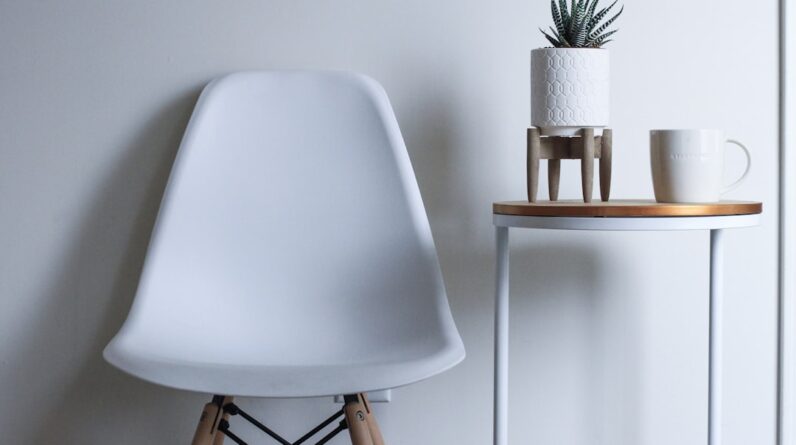
In the realm of contemporary design, minimalism stands as a powerful philosophy that transcends mere aesthetics. It is not just about stripping away the unnecessary; it is about embracing a lifestyle that values simplicity and clarity. When you delve into minimalism, you discover that it is rooted in the idea of creating spaces that foster tranquility and focus.
This approach encourages you to prioritize what truly matters, allowing you to cultivate an environment that reflects your values and aspirations. As you explore minimalism, you may find that it resonates with your desire for a more intentional way of living. The minimalist ethos promotes the idea that less is more, urging you to eliminate distractions and clutter from your surroundings.
This philosophy can be applied not only to your physical space but also to your mental and emotional well-being. By adopting a minimalist mindset, you can create a harmonious balance between your environment and your inner self, leading to a more fulfilling and purposeful life.
Key Takeaways
- Minimalism in contemporary design focuses on simplicity, functionality, and clean lines.
- Embracing simplicity in form and function means prioritizing essential elements and removing unnecessary clutter.
- Choosing a neutral color palette creates a calming and cohesive atmosphere in minimalist design.
- Decluttering and streamlining the space is essential to achieve a minimalist look and feel.
- Incorporating clean lines and simple shapes in furniture and decor enhances the minimalist aesthetic.
Embracing Simplicity in Form and Function
When you embrace simplicity in both form and function, you begin to appreciate the beauty of straightforward design. This principle encourages you to seek out objects and structures that serve a clear purpose without unnecessary embellishments. In your quest for simplicity, you may find that the most effective designs are often the most unadorned.
This approach allows you to focus on the essential qualities of each item, enhancing your appreciation for craftsmanship and utility. In practical terms, embracing simplicity means choosing designs that are not only aesthetically pleasing but also functional. You might consider furniture pieces that serve multiple purposes or architectural elements that maximize space without overwhelming it.
By prioritizing functionality alongside simplicity, you create an environment that is both beautiful and practical, allowing you to navigate your daily life with ease and grace.
Choosing a Neutral Color Palette
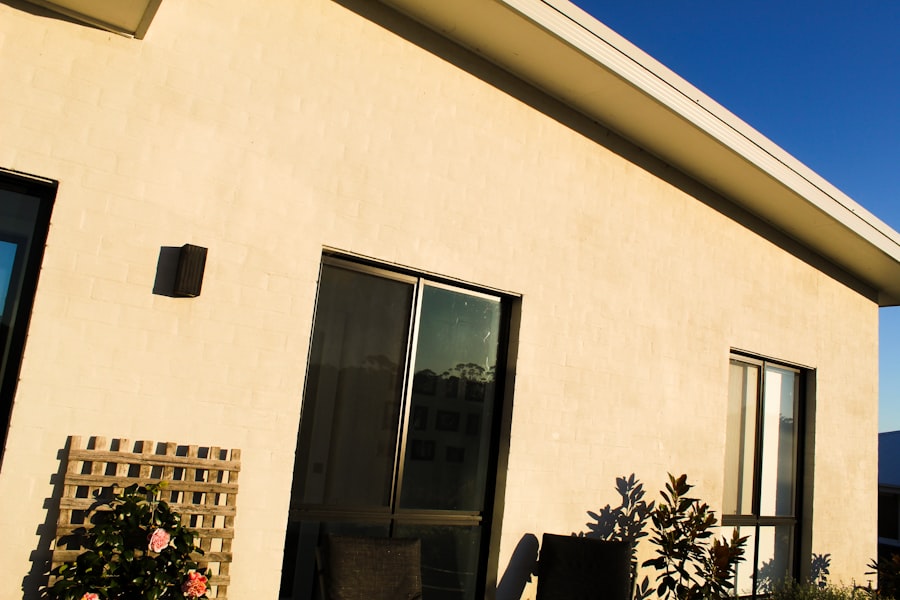
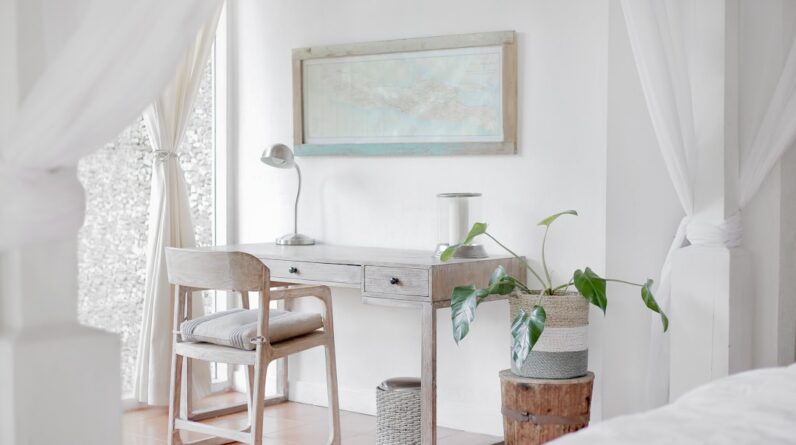
A neutral color palette is a cornerstone of minimalist design, providing a serene backdrop that enhances the overall aesthetic of your space. When you opt for soft whites, grays, beiges, and muted tones, you create an atmosphere that feels calm and inviting. This choice allows you to establish a cohesive look throughout your home, making it easier to mix and match different elements without clashing.
As you select colors for your space, consider how they interact with natural light and the surrounding environment. A neutral palette can reflect light beautifully, making even small spaces feel more expansive. Additionally, these colors serve as a blank canvas for adding personal touches through art or decor.
By choosing a neutral color scheme, you create a versatile foundation that can evolve with your tastes while maintaining the minimalist ethos of simplicity and clarity.
Decluttering and Streamlining the Space
Decluttering is an essential step in achieving a minimalist lifestyle. As you begin this process, take a moment to assess your belongings critically. Ask yourself what items truly add value to your life and which ones merely occupy space.
This exercise can be liberating, as it allows you to let go of possessions that no longer serve a purpose or bring joy. By streamlining your space, you create an environment that feels open and inviting. In addition to physical decluttering, consider the emotional weight of certain items.
Sentimental objects can often hold you back from fully embracing minimalism. While it’s important to honor memories, finding ways to preserve them without cluttering your space can be beneficial. Perhaps you could take photographs of cherished items or create a memory box with only the most meaningful pieces.
This way, you can maintain a connection to your past while still enjoying the benefits of a streamlined environment.
Incorporating Clean Lines and Simple Shapes
Clean lines and simple shapes are hallmarks of minimalist design that contribute to an overall sense of order and tranquility in your space. When selecting furniture or decor, look for pieces that feature geometric forms and unembellished silhouettes. These elements not only enhance the visual appeal of your home but also promote a sense of calm by eliminating visual noise.
As you incorporate clean lines into your design, consider how they interact with the overall layout of your space. A well-placed piece with sharp angles can draw the eye and create focal points without overwhelming the room. Additionally, simple shapes can be used to create balance and harmony within your design scheme.
By thoughtfully integrating these elements, you can cultivate an environment that feels both sophisticated and serene.
Selecting Functional and Essential Furniture

Functionality Over Extravagance
When selecting furniture, prioritize functionality over extravagance. Look for items that are versatile and can adapt to various needs within your space.
Versatile and Sustainable Furniture
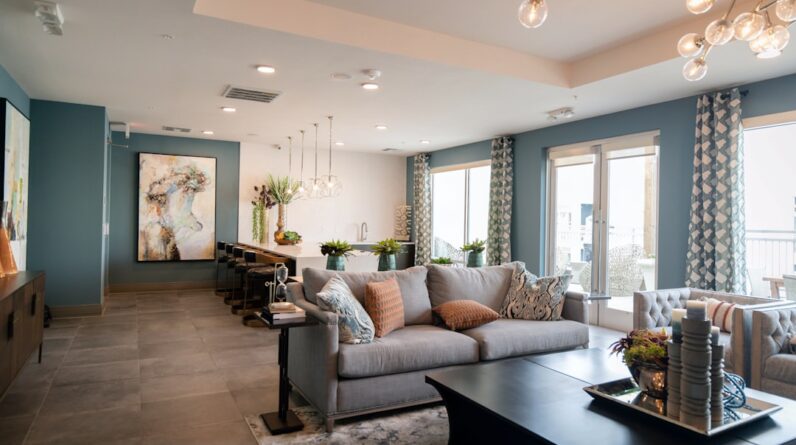
For instance, a coffee table with built-in storage can help keep clutter at bay while providing a stylish focal point in your living area. As you curate your furniture collection, consider investing in high-quality pieces that will stand the test of time. Minimalism encourages durability over disposability, so choose items made from sustainable materials that align with your values.
Creating a Cohesive Environment
By selecting functional and essential furniture, you create a cohesive environment that reflects your commitment to simplicity while enhancing your daily life.
Utilizing Natural Light and Open Spaces
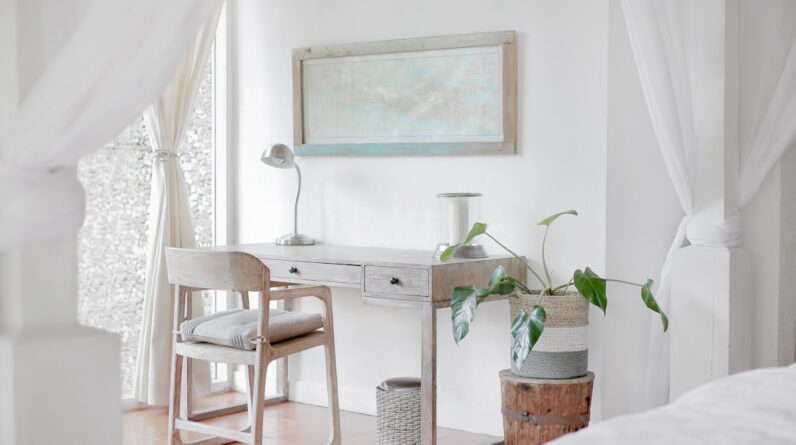
Natural light plays a crucial role in minimalist design, as it enhances the feeling of openness and tranquility within your home. When planning your space, consider how windows and openings can be maximized to allow sunlight to flood in. This not only brightens up the area but also creates an inviting atmosphere that promotes well-being.
In addition to harnessing natural light, aim to create open spaces that encourage movement and flow throughout your home. Avoid overcrowding rooms with excessive furniture or decor; instead, opt for a few carefully chosen pieces that allow for easy navigation. By prioritizing open spaces and natural light, you cultivate an environment that feels expansive and liberating, allowing you to fully embrace the minimalist lifestyle.
Adding Minimalist Decor and Accessories
While minimalism emphasizes simplicity, it doesn’t mean sacrificing personality or style in your decor choices. Instead, focus on selecting minimalist decor and accessories that enhance the overall aesthetic without overwhelming the space. Consider incorporating art pieces or sculptures that resonate with you personally while adhering to clean lines and neutral colors.
When accessorizing your home, remember that less is often more. Choose a few statement pieces rather than cluttering surfaces with numerous small items. A single large artwork or a thoughtfully placed plant can serve as a focal point while maintaining the minimalist ethos of simplicity.
By carefully curating your decor, you can express your individuality while creating a serene environment that embodies the principles of minimalism. In conclusion, embracing minimalism in contemporary design allows you to cultivate spaces that reflect clarity, purpose, and tranquility. By understanding its principles—such as simplicity in form and function, choosing neutral color palettes, decluttering effectively, incorporating clean lines, selecting functional furniture, utilizing natural light, and adding thoughtful decor—you can create an environment that not only looks beautiful but also enhances your quality of life.
As you embark on this journey toward minimalism, remember that it is not just about what you remove from your space but also about what you choose to keep—elements that truly resonate with who you are and how you wish to live.
FAQs
What is contemporary design?
Contemporary design refers to the style of the present moment, incorporating current trends and influences. It often features clean lines, simple forms, and a focus on function.
What is a minimalist look in contemporary design?
A minimalist look in contemporary design involves using a minimal amount of decorative elements and focusing on simplicity, clean lines, and a sense of openness. It often involves a neutral color palette and uncluttered spaces.
How can I achieve a minimalist look in contemporary design?
To achieve a minimalist look in contemporary design, you can start by decluttering your space and focusing on clean lines and simple forms. Use a neutral color palette, incorporate natural materials, and prioritize function over decoration.
What are some key elements of minimalist design in contemporary design?
Key elements of minimalist design in contemporary design include simplicity, clean lines, open spaces, a neutral color palette, and a focus on functionality. It also often involves using natural materials and incorporating plenty of natural light.
What are some tips for achieving a minimalist look in contemporary design?
Some tips for achieving a minimalist look in contemporary design include decluttering your space, using a neutral color palette, incorporating natural materials, choosing furniture with clean lines, and prioritizing function over decoration. It’s also important to focus on creating a sense of openness and simplicity in the space.