When embarking on an art selection journey, the first step is to thoroughly understand the space you are working with and the specific needs of your client. Each environment has its own unique characteristics, from the size and layout of the room to the existing color palette and furnishings. You should take the time to assess these elements carefully.
Consider how the space is used daily and what atmosphere your client wishes to create. Is it a cozy living room meant for relaxation, or a vibrant office designed to inspire creativity? By grasping the nuances of the space, you can tailor your art selections to enhance its overall function and aesthetic.
Equally important is engaging with your client to uncover their personal tastes and preferences. This involves asking insightful questions about their favorite colors, styles, and themes. You might find that they have a particular affinity for abstract art or a love for landscapes that evoke memories of travel.
Understanding their emotional connection to art will guide you in curating pieces that resonate with them on a deeper level. By combining your knowledge of the space with your client’s desires, you can create a harmonious environment that reflects their personality while also serving its intended purpose.
Key Takeaways
- Understanding the client’s space and needs is crucial for selecting the right art pieces
- Select art pieces that complement the overall design scheme and reflect the client’s personality
- Create a focal point with a statement art piece to draw attention and add visual interest
- Play with scale and proportion to create a dynamic and balanced art display
- Use art to add color and texture to the space, enhancing the overall design scheme
Selecting the Right Art Pieces
Considering Scale and Proportion
Once you have a clear understanding of the space and your client’s preferences, the next step is selecting the right art pieces. This process can be both exciting and daunting, as the choices available are vast and varied. Start by considering the scale of the artwork in relation to the space. Large pieces can make a bold statement in expansive areas, while smaller works can create an intimate feel in cozier settings.
Curating a Cohesive Collection
You should also think about how different pieces will interact with one another; a well-curated collection can tell a story or evoke a specific mood. In addition to scale, consider the medium of the artwork. Paintings, photographs, sculptures, and mixed media all offer different textures and visual experiences.
Creating a Balanced Composition
You might choose a striking canvas painting to serve as a centerpiece, complemented by smaller framed photographs or prints that add depth and interest to the surrounding walls. Don’t shy away from incorporating three-dimensional pieces, such as sculptures or installations, which can add an unexpected element to the design. The key is to create a balanced composition that feels cohesive while still allowing each piece to shine in its own right.
Creating a Focal Point
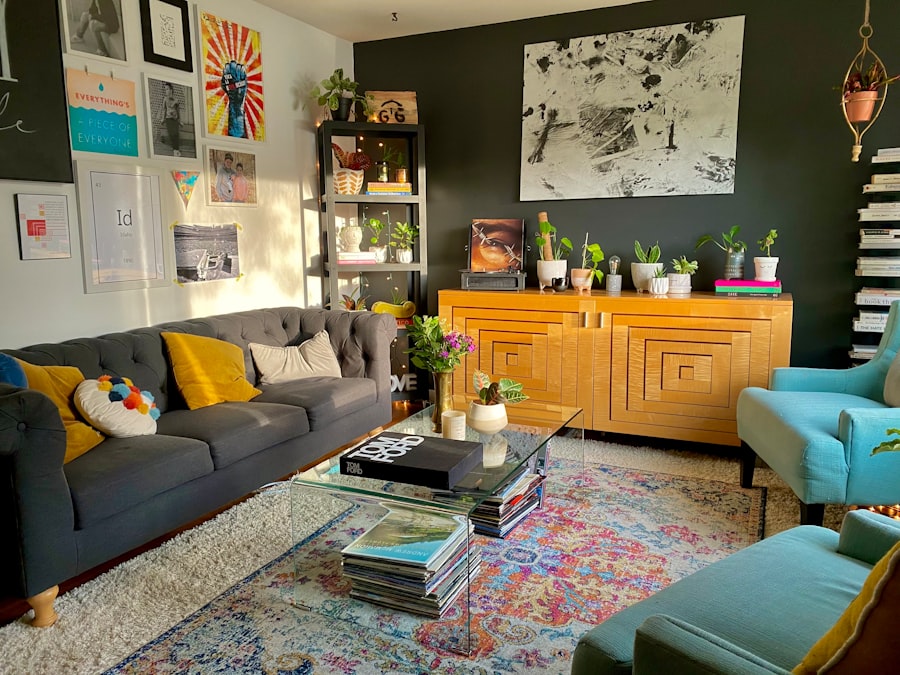
Creating a focal point within a space is essential for guiding the viewer’s eye and establishing a sense of order. A well-placed piece of art can serve as this anchor, drawing attention and setting the tone for the entire room. When selecting a focal point, consider both the size and placement of the artwork.
A large canvas hung above a fireplace or a striking sculpture positioned at the end of a hallway can effectively capture attention and invite exploration. To enhance the impact of your focal point, think about how you can frame it within the surrounding environment. This could involve using complementary colors in nearby decor or arranging furniture in a way that directs attention toward the artwork.
Lighting also plays a crucial role; strategically placed spotlights or wall sconces can illuminate your focal piece, making it stand out even more. By thoughtfully creating a focal point, you not only enhance the visual appeal of the space but also provide a sense of direction and purpose within your design.
Playing with Scale and Proportion
Scale and proportion are fundamental principles in art selection that can dramatically influence how a space feels. When you play with these elements, you can create visual interest and balance throughout the room. For instance, pairing a large piece of art with smaller accessories can create an engaging contrast that draws the eye around the space.
Conversely, using multiple smaller pieces in a gallery wall format can create a dynamic display that feels cohesive yet varied. As you consider scale, think about how different artworks relate to one another and to the surrounding furniture. A towering sculpture may feel overwhelming in a small room but could be perfect for an expansive entryway.
Similarly, a series of small prints might get lost on an oversized wall unless arranged thoughtfully. By being mindful of scale and proportion, you can ensure that each piece contributes positively to the overall design rather than competing for attention or feeling out of place.
Using Art to Add Color and Texture
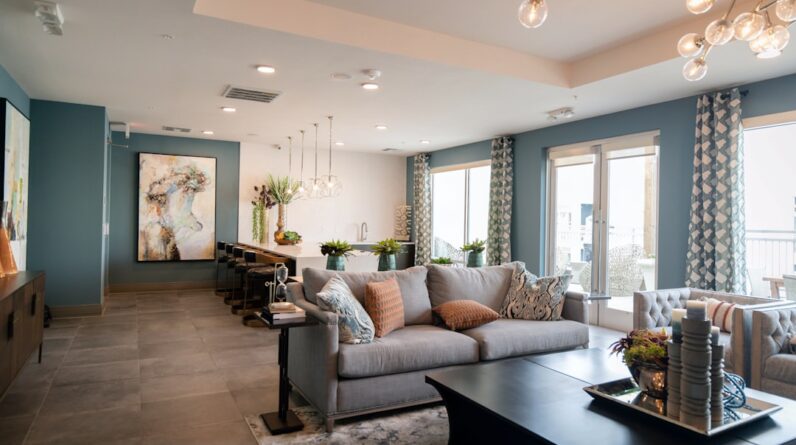
Art is an incredible tool for introducing color and texture into any space. Whether your client prefers bold hues or subtle tones, carefully selected artwork can enhance or complement existing color schemes. For instance, if your client’s living room features neutral tones, incorporating vibrant abstract paintings can inject energy into the space.
Alternatively, if they favor a more muted palette, consider selecting monochromatic pieces that add depth without overwhelming the senses. Texture is another vital aspect that art can bring to a room. Different mediums—such as oil paints, watercolors, or mixed media—offer varying levels of texture that can enrich the visual experience.
A textured canvas can create an inviting atmosphere, while smooth photographic prints may lend a more modern feel. By thoughtfully selecting art that adds both color and texture, you can create layers within the design that invite touch and exploration.
Incorporating Art into the Overall Design Scheme

Art should never feel like an afterthought; instead, it should be seamlessly integrated into the overall design scheme of the space. This means considering how each piece interacts with other design elements such as furniture, lighting, and architectural features. For example, if your client has chosen mid-century modern furniture, selecting artwork that reflects similar lines or colors will create harmony throughout the room.
Additionally, think about how art can enhance specific areas within the space. In dining areas, for instance, artwork can set the mood for gatherings and meals. In bedrooms, calming pieces can promote relaxation and tranquility.
By aligning your art selections with the overall design vision, you ensure that each element works together cohesively to create an inviting atmosphere.
Mixing Different Art Styles and Mediums
One of the most exciting aspects of curating art is the opportunity to mix different styles and mediums creatively. Combining contemporary pieces with traditional works can create an eclectic vibe that feels fresh and dynamic. You might pair an abstract painting with classic landscape photography or juxtapose minimalist sculptures against ornate frames.
This approach not only adds visual interest but also tells a unique story about your client’s tastes and experiences. When mixing styles, it’s essential to maintain some level of cohesion to avoid visual chaos. Consider using common colors or themes as a unifying element across different pieces.
For example, if you have several artworks featuring shades of blue, they can work together harmoniously even if their styles differ significantly. By embracing diversity in your selections while ensuring some level of consistency, you can create an engaging gallery that reflects your client’s personality.
Lighting and Display Techniques
Finally, lighting plays a crucial role in showcasing art effectively within any space. Proper illumination not only highlights individual pieces but also enhances their colors and textures, bringing them to life in ways that natural light alone cannot achieve. Consider using adjustable track lighting or picture lights to focus attention on specific artworks while creating an inviting ambiance throughout the room.
In addition to lighting techniques, think about how you display each piece. The height at which artwork is hung can significantly impact its visibility and impact; generally, eye level is considered ideal for most pieces. However, don’t hesitate to experiment with unconventional placements—such as leaning artwork against walls on shelves or using easels for smaller pieces—to create an informal yet stylish display.
By thoughtfully considering lighting and display techniques, you can elevate your art selections from mere decorations to integral components of your design narrative. In conclusion, curating art for any space involves a thoughtful process that encompasses understanding client needs, selecting appropriate pieces, creating focal points, playing with scale and proportion, adding color and texture, integrating art into overall design schemes, mixing styles effectively, and employing strategic lighting techniques. By embracing these principles, you can transform any environment into a visually stunning reflection of your client’s personality and lifestyle while ensuring that each piece contributes meaningfully to the overall aesthetic experience.
FAQs
What are some creative techniques interior designers use to incorporate art into functional living spaces?
Some creative techniques interior designers use to incorporate art into functional living spaces include using statement pieces as focal points, creating gallery walls, integrating art into functional furniture, and using lighting to highlight artwork.
How do interior designers use statement pieces as focal points in living spaces?
Interior designers use statement pieces such as large-scale paintings, sculptures, or unique art installations to create focal points in living spaces. These pieces draw attention and add visual interest to the room.
What are gallery walls and how do interior designers use them to incorporate art into living spaces?
Gallery walls are arrangements of multiple artworks displayed together on a wall. Interior designers use gallery walls to incorporate art into living spaces by creating a cohesive and visually appealing display that can be customized to fit the style and size of the room.
How do interior designers integrate art into functional furniture?
Interior designers integrate art into functional furniture by incorporating artistic elements into the design of furniture pieces, such as using unique patterns, textures, or materials. They may also use furniture as a platform to display smaller art pieces.
How do interior designers use lighting to highlight artwork in living spaces?
Interior designers use lighting, such as track lighting, spotlights, or picture lights, to highlight artwork in living spaces. Proper lighting can enhance the visual impact of art and create a focal point within the room.