How Can I Create A Harmonious Interior Design?
Creating a harmonious interior design is like crafting a beautiful piece of art; it requires an understanding of balance, color, texture, and personal style. Your living space should be a sanctuary that reflects who you are while allowing you peace of mind. It doesn’t take an interior design degree to achieve this; it takes intention, creativity, and a willingness to make your surroundings work for you. So, let’s explore how you can turn your space into a harmonious haven.

Understanding Harmony in Interior Design
What does harmony mean in the context of interior design? Harmony primarily refers to the pleasing arrangement of elements within a space. When you walk into a room and feel an instant sense of comfort and connection, that’s the result of harmony. It involves finding a balance between colors, shapes, and textures, as well as ensuring that furniture and decor work seamlessly together.
To create a harmonious environment, it’s essential to identify the overall mood you wish to evoke. Are you aiming for a cozy retreat, a vibrant gathering space, or a serene sanctuary? Establishing this emotional connection allows you to make informed choices that align your design vision.
Choosing a Color Palette
Your color palette is arguably one of the most crucial elements in achieving harmonious interior design. Colors evoke feelings and set the tone in a space, so it’s worth spending time choosing shades that resonate with your vision.
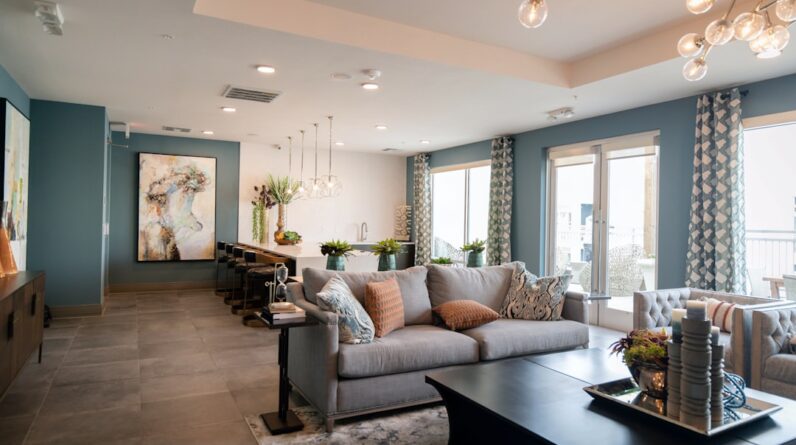
Start by considering a color wheel. Selecting colors that are complementary or analogous can create a cohesive look. If you’re drawn to calming spaces, soft blues, greens, and neutrals are excellent options. For a more vibrant feel, warm tones like oranges and reds can add energy without overwhelming the senses.
Lighting also plays a vital role in how colors appear. Natural light can make colors look different throughout the day, so it’s crucial to test your chosen shades under various lighting conditions before committing to a palette.
Establishing a Focal Point
A focal point in a room is like the star of a show; it draws attention and enhances the overall design. This can be anything from a captivating piece of art to a beautiful fireplace or an eye-catching piece of furniture. Whatever you choose, it should reflect your personal style and resonate with the overall theme of your space.
Once you’ve established your focal point, arrange furniture and decor items in a way that highlights it. This will help create a visual flow that guides the eye around the room. Consider the size and scale of your focal point; a large piece, like a dramatic painting, might require simpler, subtler items surrounding it to ensure it stands out without competing for attention.
Balancing Scale and Proportion
Scale and proportion are critical components in achieving harmony within a space. Taking the time to understand these principles can make a tremendous difference in how your room feels and functions.
First, consider the size of your furniture and decor in relation to the room itself. Oversized pieces can overwhelm a small space, while tiny items can get lost in larger rooms. Strive for a balance by mixing different sizes and types of furniture. You might have a large sofa paired with smaller accent chairs or a hefty coffee table contrasted with lightweight decorative items.
Proportion also pertains to how objects relate to one another. For instance, if you have a tall bookshelf, using shorter items on the table in front provides balance. Repetition of shapes and sizes can lead to a beautifully cohesive design, where your eye naturally moves around the room.

Textures and Materials
Incorporating a variety of textures can breathe life into your space, making it feel warm and inviting. This can be achieved through fabric choices, finishes, and even architectural elements. Consider what materials resonate with your personal style—soft plush fabrics, sleek metals, or rustic woods can all contribute to the overall schema.
Layering different textures can create visual interest and can be implemented through throw pillows, rugs, curtains, and décor. For instance, a chunky knit blanket draped over a sleek leather couch juxtaposes warmth with modernity. Mixing materials not only enhances the aesthetic but also adds depth to your space, making it feel more inviting.
Creating Zones in Open Spaces
In an era where open-concept living is quite popular, creating distinct zones can help establish harmony between different living areas. While openness feels inviting, zoning helps define purpose and functionality, leading to a better flow.
Begin by choosing specific areas based on their intended uses. For example, a cozy reading nook can be established with a comfortable chair, a side table, and a lamp, clearly separating it from the kitchen or dining space. You can utilize rugs or lighting fixtures to define these zones visually, enhancing your home’s functionality while maintaining an aesthetically pleasing design.
Personal Touches and Decor
No space is truly harmonious without the addition of personal touches. These elements allow your personality and interests to shine through, making your home feel uniquely yours. This could include family photographs, personal artwork, or souvenirs from your travels—anything that resonates with you and evokes fond memories.
Carefully consider the style of decor you choose. Maintain cohesion by ensuring that your decor aligns with the overall theme and color palette of your space. Transform the mundane into valuable decor by using items you cherish in innovative ways, like displaying your favorite books on a coffee table or using an ornate vase as a statement piece.
Lighting: The Unsung Hero
Many times overlooked, lighting is key to achieving a harmonious interior design. It can dramatically alter the mood of a room and should complement the color palette and decor style.
Incorporate multiple sources of light. Layered lighting—ambient, task, and accent—can help to create a warm and inviting atmosphere. Natural light is a fantastic starting point, so consider window treatments that maximize daylight while providing privacy.
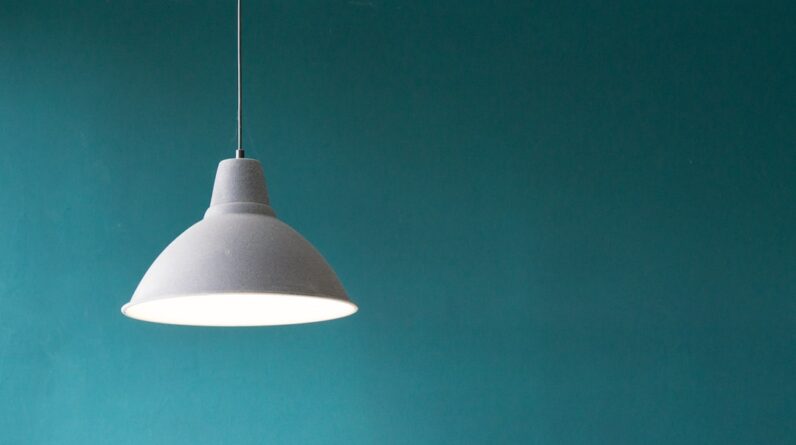
Don’t forget about decorative lighting fixtures! They can serve as both functional and stylish focal points. Think beautiful table lamps, unique pendants, or bold chandeliers that enhance your design theme.
Nature’s Influence
Biophilic design—embracing nature—has become more than a trend; it’s a lifestyle choice that connects us with the natural world. Bringing elements of nature indoors can enhance your space’s tranquility while promoting wellbeing.
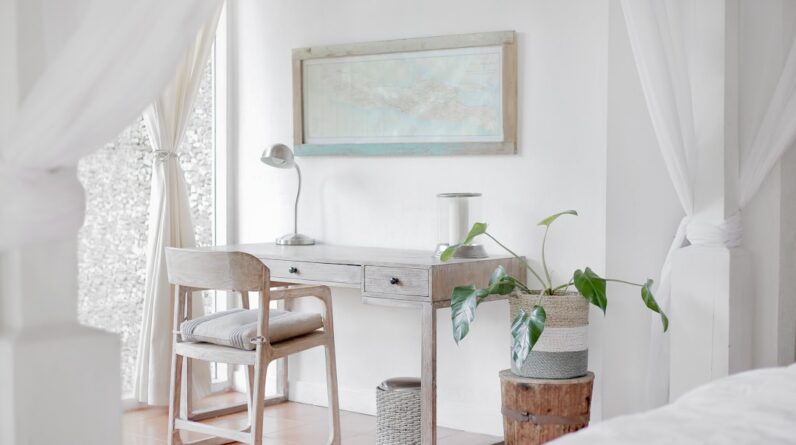
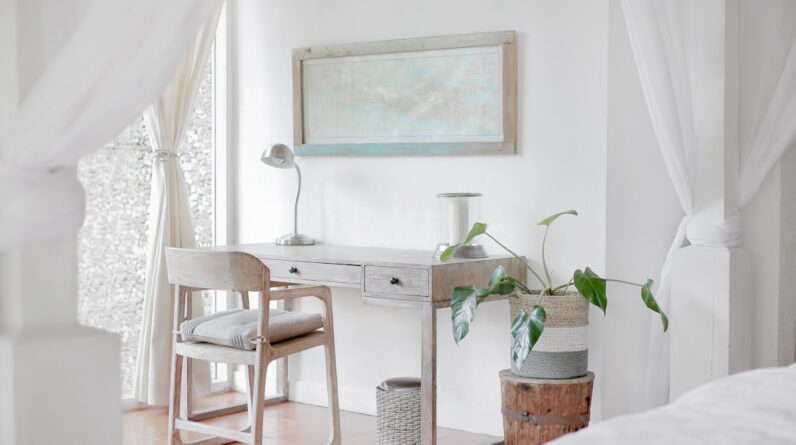
Incorporate plants into your design. They add color, texture, and life to a room; however, make sure to choose varieties that suit the conditions of your space. From low-maintenance succulents to tall indoor trees, the options are vast.
Natural materials such as wood, stone, and clay can also enhance your design. These elements evoke a calming, organic feel that pairs beautifully with modern decor.
Adaptability and Flexibility
Design isn’t static; it should evolve according to your lifestyle changes. Rooms should be adaptable to cater to different needs—whether that involves switching up the decor for the seasons or rearranging furniture for entertaining guests.
Consider investing in versatile furniture pieces that serve multiple purposes, such as ottomans with storage or extendable dining tables. Having the ability to easily switch things up prevents monotony and allows your design to reflect your current lifestyle.
Conclusion: Your Unique Harmony
Creating a harmonious interior design is a rewarding journey that allows you to express your personality while crafting a space that feels like home. By thoughtfully considering color, balance, texture, personal touches, and adaptability, you can create a sanctuary that nurtures both your mind and spirit.
So, armed with these tools, you can embark on your interior design adventure. Embrace your creativity, experiment with different styles, and most importantly, enjoy the process! Remember that there are no strict rules; it’s all about what resonates with you.
Feel free to clap for this article, leave a comment down below with your thoughts or questions, and don’t forget to subscribe to my Medium newsletter for updates and more interior design inspiration. Happy decorating!