How Can I Design a Minimalist Bedroom?
Creating a minimalist bedroom might seem like a daunting task, but it’s a rewarding journey that can significantly enhance your living experience. If you’re wondering how to turn your cluttered space into a serene haven, you’re in the right place. Minimalism isn’t just about having fewer things; it’s about making space for what truly matters. Let’s explore how you can embrace this philosophy in your own bedroom.

Understanding Minimalism
Before you dive into the design process, it helps to understand what minimalism truly means. At its core, minimalism is about simplifying your life. In a bedroom context, it means stripping away excess items and distractions, allowing you to focus on comfort and functionality. You want your space to evoke calmness, which is essential for restful sleep and relaxation. Minimalism is not austere; it is liberating, and it can make your bedroom feel more comprehensive and peaceful.
Declutter: The First Step Towards Minimalism
The journey to a minimalist bedroom begins with decluttering. This might be the most challenging part, especially if you have an emotional attachment to certain items. Start small by going through one section of your bedroom at a time—perhaps your nightstand, closet, or dresser. Ask yourself questions to determine the value of each item: “Do I use this regularly?” or “Does this item bring me joy?” If the answer is no, it might be time to let it go.
Once you’ve decided what to keep, consider implementing a one-in, one-out policy. This means that for every new item you bring into your space, you let go of another. This technique can help maintain the minimal aesthetic you’re going for without accumulating unnecessary clutter.
Choosing a Calming Color Palette
In a minimalist bedroom, colors play a significant role in creating a tranquil atmosphere. Soft, neutral shades like whites, grays, beiges, and pastels can promote relaxation. Bright colors can be stimulating and may overwhelm your senses, so it’s best to limit their use.
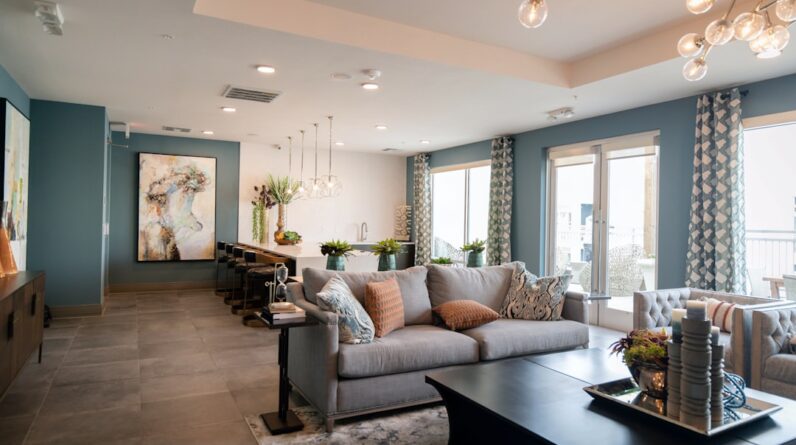
You don’t need to stick exclusively to whites and grays, though. You can add depth and personality by incorporating various textures or subtle color accents, perhaps through artwork or decorative pillows. The key is to keep the overall palette cohesive, ensuring that everything works harmoniously together.
Selecting Minimalist Furniture
Furniture in a minimalist bedroom should serve a purpose while offering an aesthetic of simplicity. Choose pieces that are functional yet stylish. For example, a low-profile platform bed can anchor the room while contributing to a spacious feel. Opt for nightstands with clean lines and minimal embellishments. Consider multipurpose furniture like a bench that serves as both storage and seating.
When selecting your furniture, keep the scale of your pieces in mind. Oversized items can make the room feel cramped, so it’s crucial to choose furniture that fits well within the space you have. Less is more, and by selecting fewer, well-chosen pieces, you’ll create a more open and airy environment.
Incorporating Textures
While minimalism often calls for simplicity, this doesn’t mean your bedroom has to be devoid of personality. Using a variety of textures can add visual interest without cluttering the space. Think about incorporating soft cottons, warm woods, and sleek metals into your design.
For bedding, consider mixing textures like linen sheets with a chunky knit blanket, or a velvet throw. These elements can create a cozy and inviting atmosphere. You can also use textured rugs to define different areas within your bedroom, such as a seating nook or reading corner, while still maintaining the simplicity of the overall design.
Mindful Lighting Choices
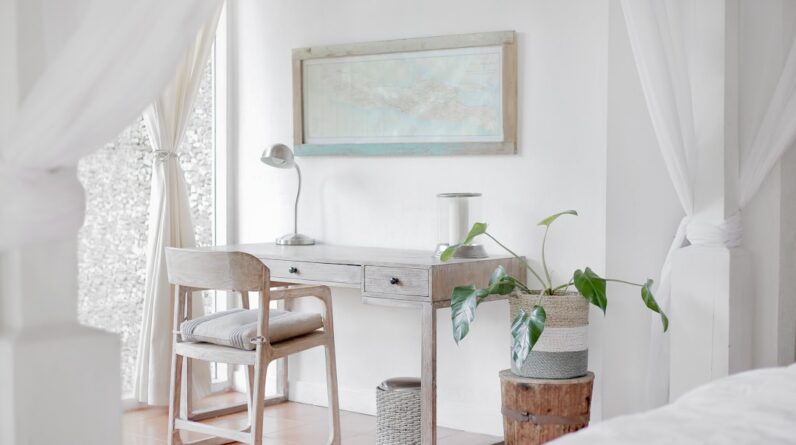
Lighting is a crucial element in any room, especially in the bedroom, where the right atmosphere can significantly affect your mood and relaxation. In a minimalist bedroom, natural light is your best friend. If you can, maximize the amount of daylight that enters your space. This might involve installing sheer curtains that allow light to filter through without feeling exposed.
When it comes to artificial lighting, think about layering your options. Overhead fixtures can provide general illumination, while bedside lamps or sconces deliver focused light for reading. Dimmable lighting can also help set the mood, allowing you to adjust the ambiance in your room based on your needs. Choose simple, elegant light fixtures that complement the minimalist aesthetic and avoid excessive ornamentation.

Creating a Focal Point
In a minimalist bedroom, a focal point draws the eye and gives the space character. This could be a beautifully made bed with eye-catching bedding, a piece of art, or a unique feature wall. Selecting one element to highlight ensures that your room feels intentional rather than sparse.
If you choose to go with art, pick a piece that resonates with you—something that makes you smile and enhances the overall tranquility of your space. A large, framed print or a series of smaller pieces hung together can provide a cohesive look while allowing for personal expression.
The Importance of Storage Solutions
A minimalist bedroom calls for efficient storage solutions that keep your space neat and organized. Think beyond traditional furniture. Use under-bed storage bins for seasonal clothing or extra blankets, and make use of vertical space by installing floating shelves for books and decor.
Consider incorporating a minimalist wardrobe that cleverly hides your belongings. A slim closet with simple doors can keep your things out of sight, maintaining the clean aesthetic you’re striving for. Remember, the goal is to keep surfaces clear, making it easier to unwind after a long day.
Personalizing with Meaningful Decor
While minimalism emphasizes simplicity, it doesn’t mean your space has to lack character. Personalizing your bedroom with meaningful decor can breathe life into your minimalist design. Perhaps a few carefully selected photographs or a cherished heirloom can make your space feel like home. The key is to be selective and intentional about what decor you include.
Choose a few items that represent memories or experiences that are important to you, and display them mindfully. Instead of cluttering surfaces, consider a dedicated shelf or specific area for your cherished items. This way, they are highlighted without overwhelming the space.
Making Use of Nature
Bringing elements of nature into your bedroom can foster a sense of tranquility and comfort. Plants can purify the air and create a calming atmosphere, while natural materials like wood or stone can add warmth to the design.
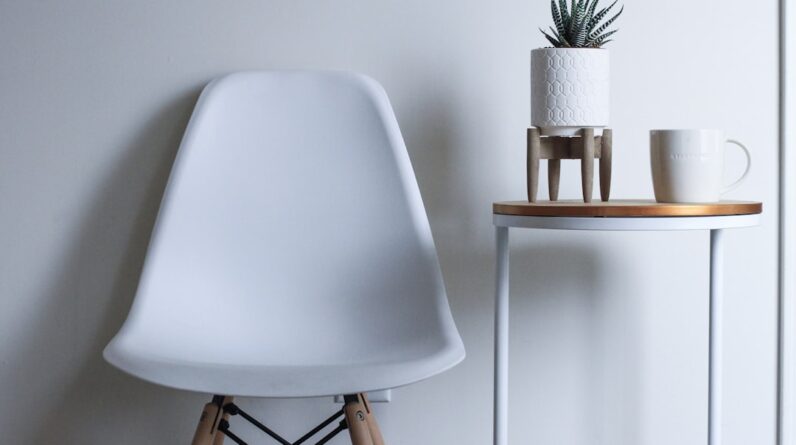
Consider incorporating low-maintenance indoor plants, such as succulent varieties, which require minimal care but can significantly enhance the aesthetic of your room. If you’re not ready for live plants, consider artwork that features natural scenes, or textures that resemble earth tones and natural fibers. Nature has a wonderful way of grounding us; its presence in your bedroom can help create a peaceful sanctuary.
Designing for Functionality
When designing your minimalist bedroom, always keep function in mind. Each piece of furniture and decor should serve a purpose, making your daily routines easier. For instance, a bench at the foot of your bed can serve as a place to sit while getting dressed or a convenient spot to toss your clothes at the end of the day.
Think about how you use your bedroom daily. Do you like to read before bed? Ensure you have a comfortable chair. Do you work from home? Perhaps a small workspace, styled in keeping with minimalist principles, is essential. Every item should enhance your lifestyle while contributing to a clutter-free environment.
Embracing Open Space
One of the fundamental principles of a minimalist bedroom is embracing open space. Resist the urge to fill every corner with furniture or decor. The space around you should feel inviting, not crowded. An open layout allows for movement and contributes to a sense of serenity, ultimately promoting relaxation.
Create visual breathing room by avoiding heavy furniture arrangements. Keep pathways clear and maintain a sense of flow in your bedroom. If certain features of your room feel suffocating, consider rearranging your furniture until you find a layout that feels more open and balanced.
Embracing Seasonal Changes
Minimalism doesn’t have to be static. Embrace the changing seasons by subtly updating your bedroom to reflect different times of year. This can be as simple as switching out your bedding or pillows or adding seasonal foliage or artwork.
Consider a seasonal wardrobe for your decor. For example, you might use heavier fabrics and deeper colors in the fall and winter, transitioning to light, airy cottons and bright hues in the warmer months. This thoughtful approach keeps your space feeling fresh and prevents it from becoming stale.
Incorporating Mindfulness Practices
Finally, you can further enhance your minimalist bedroom by incorporating mindfulness practices. Create a designated area on your bedside table for a journal or books that inspire reflection. Consider using this space for meditation gear or calming scents, like a candle or essential oils.
Your bedroom should promote routines that support your overall well-being. Spend time in your peaceful space to unwind, meditate, read, or practice yoga. By embracing minimalist principles, you foster an environment that encourages relaxation and mindfulness, making it easier to disconnect from the chaos of the outside world.
Final Thoughts on Minimalist Bedroom Design
Designing a minimalist bedroom is about more than just aesthetics; it’s about creating a space that encapsulates peace, comfort, and functionality. By embracing the principles of minimalism, you can cultivate an environment that allows you to relax and recharge.
From decluttering and selecting soothing color palettes to thoughtfully choosing furniture and decor, every decision you make should align with your goal of minimalism. Remember, it’s about quality over quantity, and what matters most is how your space makes you feel.
If you’re excited to embark on this design journey, don’t hesitate to clap for this article, leave a thoughtful comment, and subscribe to my Medium newsletter for updates on all things design and wellness. Your minimalist bedroom awaits!