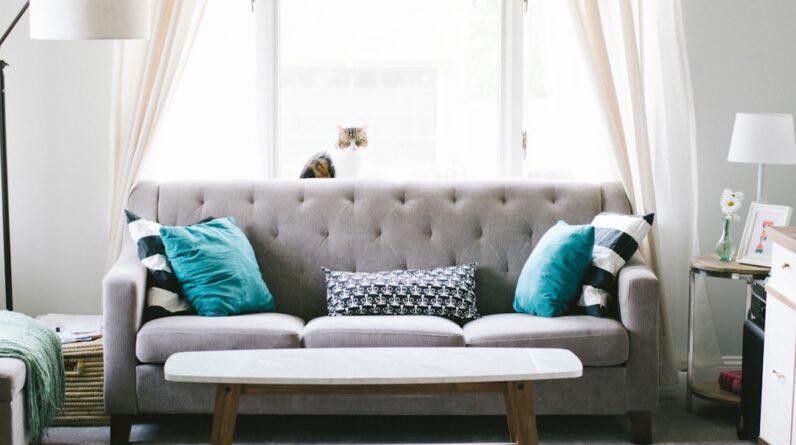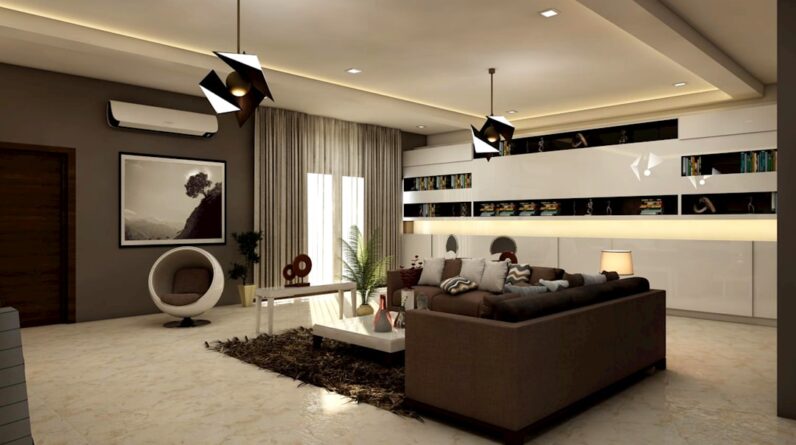
When it comes to selling your home, first impressions are everything. Home staging plays a crucial role in this process, as it allows potential buyers to envision themselves living in the space. By presenting your home in its best light, you can significantly increase its appeal and market value.
Staging is not merely about decorating; it’s about creating an atmosphere that resonates with buyers, making them feel an emotional connection to the property. This emotional engagement can often lead to quicker sales and higher offers, making staging a vital step in the selling process. Moreover, home staging can help highlight the unique features of your property while downplaying any less desirable aspects.
For instance, if your home has a beautiful fireplace or stunning views, staging can draw attention to these elements, making them focal points in the eyes of potential buyers. Conversely, staging can also help minimize the impact of smaller rooms or awkward layouts by using strategic design techniques. In essence, effective home staging transforms your space into a canvas that allows buyers to imagine their future lives within those walls.
Key Takeaways
- Home staging is important for creating a favorable first impression and maximizing the selling potential of a home.
- Finding the right interior designer in Chandler, AZ is crucial for achieving the desired look and feel for home staging.
- An interior designer plays a key role in home staging by utilizing their expertise to create an appealing and marketable space.
- Creating a welcoming and functional space is essential for attracting potential buyers and showcasing the home’s potential.
- Utilizing color and lighting effectively is crucial for creating a visually appealing and inviting atmosphere in home staging.
Finding the Right Interior Designer in Chandler, AZ
Finding the right interior designer in Chandler, AZ, is a critical step in ensuring your home staging is successful. With a plethora of options available, it’s essential to do your research and identify designers who specialize in home staging. Start by seeking recommendations from friends or family who have recently sold their homes.
Online reviews and portfolios can also provide valuable insights into a designer’s style and effectiveness. Look for someone whose aesthetic aligns with your vision while also being adaptable to current market trends. Once you have a shortlist of potential designers, schedule consultations to discuss your needs and expectations.
During these meetings, pay attention to how well they listen to your ideas and how they propose to enhance your space. A good designer will not only have a keen eye for aesthetics but will also understand the practical aspects of staging a home for sale. They should be able to articulate their approach and provide examples of past projects that demonstrate their expertise in transforming spaces for maximum appeal.
The Role of an Interior Designer in Home Staging
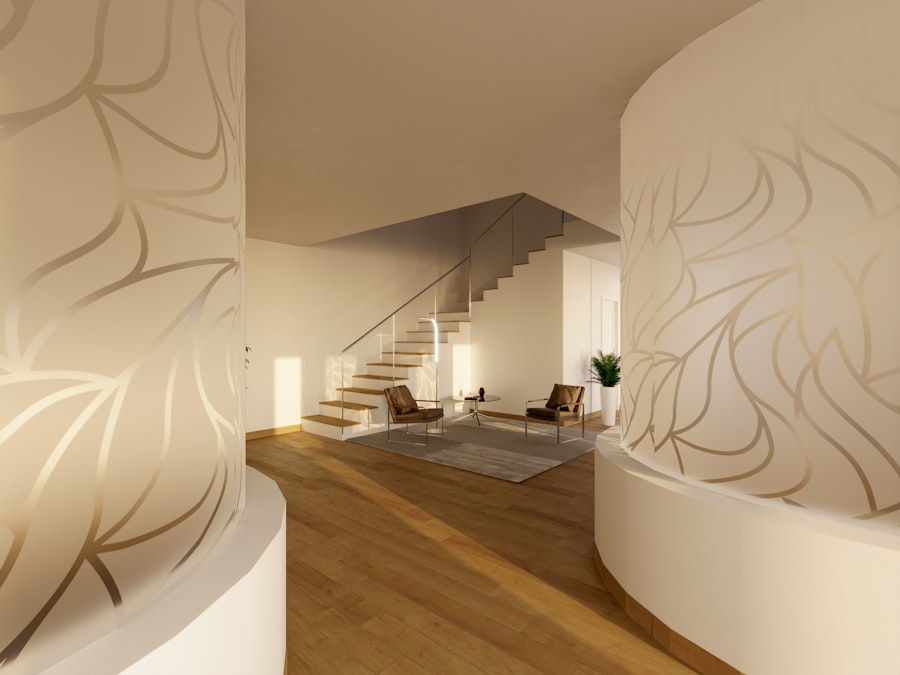
An interior designer plays a pivotal role in the home staging process, acting as both a creative visionary and a practical problem-solver. Their expertise allows them to assess your home’s strengths and weaknesses, crafting a staging plan that accentuates its best features while addressing any shortcomings. This involves selecting appropriate furnishings, décor, and color schemes that resonate with potential buyers and create an inviting atmosphere.
A skilled designer understands the nuances of buyer psychology and can tailor their approach accordingly. Additionally, an interior designer can help you navigate the logistics of staging your home. This includes sourcing furniture and accessories, coordinating deliveries, and ensuring that everything is set up perfectly for showings.
Their experience in managing these details can save you time and stress, allowing you to focus on other aspects of the selling process. Ultimately, the designer’s role is to create a cohesive and appealing environment that not only showcases your home but also makes it stand out in a competitive market.
Creating a Welcoming and Functional Space
Creating a welcoming and functional space is at the heart of effective home staging. When potential buyers walk through your door, they should feel an immediate sense of comfort and belonging. This can be achieved through thoughtful design choices that prioritize both aesthetics and functionality.
For instance, decluttering is essential; removing personal items and excess furniture can make spaces feel larger and more inviting. A clean, organized environment allows buyers to visualize their own belongings in the space. In addition to decluttering, consider how each room serves its purpose.
Furniture arrangement plays a significant role in this aspect; it should facilitate easy movement while highlighting the room’s best features. For example, in a living room, positioning seating around a focal point like a fireplace or television can create an inviting atmosphere for socializing. Similarly, in bedrooms, ensuring that beds are made and linens are fresh can enhance the overall appeal of the space.
By focusing on both warmth and functionality, you can create an environment that resonates with buyers on multiple levels.
Utilizing Color and Lighting for Home Staging
Color and lighting are two powerful tools in home staging that can dramatically influence how potential buyers perceive your space. The right color palette can evoke emotions and set the tone for each room. Neutral colors are often recommended for staging because they appeal to a broad audience and create a sense of calmness.
Soft whites, beiges, and grays can make spaces feel larger and more open while allowing buyers to envision their own décor within those walls. Lighting is equally important; it can enhance the mood of a room and highlight its best features. Natural light should be maximized wherever possible—open curtains and blinds to let sunlight stream in during showings.
Additionally, consider adding lamps or strategically placed light fixtures to brighten darker areas of your home. A well-lit space feels more inviting and spacious, making it easier for buyers to imagine themselves living there. By thoughtfully combining color and lighting, you can create an atmosphere that captivates potential buyers from the moment they step inside.
Incorporating Furniture and Décor for Home Staging
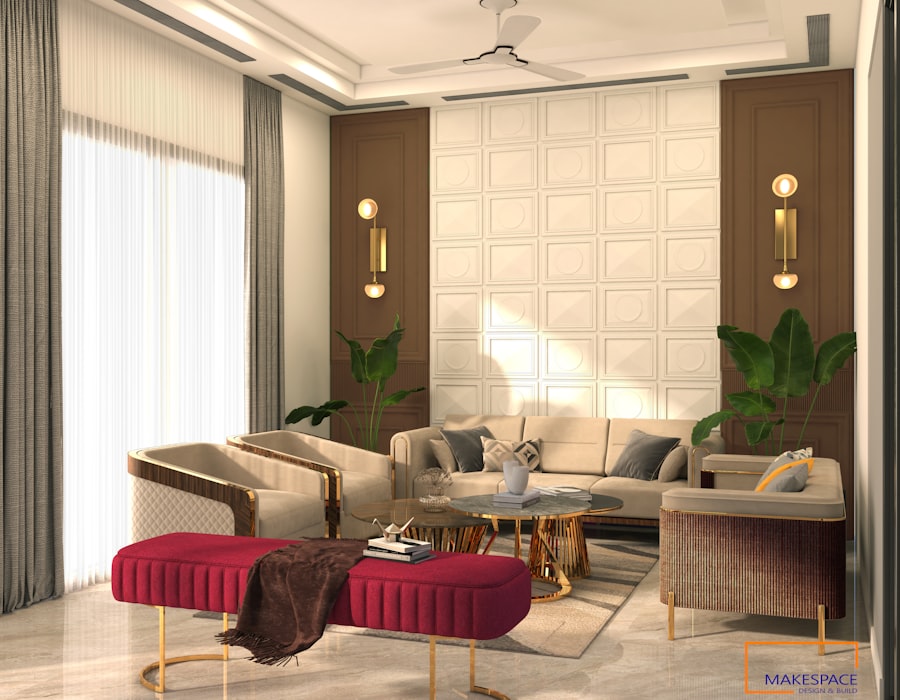
Incorporating furniture and décor into your home staging strategy is essential for creating an inviting atmosphere that appeals to potential buyers. The right pieces can help define each room’s purpose while also adding character and warmth to the space. When selecting furniture for staging, opt for items that are proportional to the size of the room; oversized furniture can make spaces feel cramped, while too-small pieces may fail to create a cohesive look.
Decorative elements such as artwork, throw pillows, and area rugs can also play a significant role in enhancing your home’s appeal. These items should complement the overall color scheme while adding texture and interest to each room. However, it’s important to strike a balance—too many decorative items can lead to clutter, which detracts from the overall effect of staging.
Aim for a curated look that feels intentional yet comfortable, allowing potential buyers to envision themselves living in the space without feeling overwhelmed by personal touches.
Maximizing Space and Flow in Home Staging
Maximizing space and flow is crucial when staging your home for sale. Buyers are often looking for homes that feel open and airy, so it’s essential to create an environment that facilitates easy movement throughout each room. Start by removing any unnecessary furniture or décor that may obstruct pathways or make spaces feel cramped.
This not only enhances the visual appeal but also allows buyers to navigate through your home effortlessly. Consider how each room connects with adjacent spaces as well; creating a natural flow between rooms can enhance the overall experience for potential buyers. For example, if you have an open-concept living area that flows into the kitchen, ensure that furniture arrangements encourage interaction between these spaces.
Use area rugs or furniture placement to define different zones while maintaining an open feel. By prioritizing space and flow in your staging efforts, you can create an inviting environment that resonates with buyers looking for their next home.
The Impact of Professional Home Staging on Selling a Home
The impact of professional home staging on selling a home cannot be overstated. Studies have shown that staged homes often sell faster than their non-staged counterparts, sometimes even fetching higher offers due to their enhanced appeal. When potential buyers walk into a professionally staged home, they are met with an environment that feels polished and inviting—this positive first impression can significantly influence their decision-making process.
Moreover, professional stagers understand market trends and buyer preferences, allowing them to tailor their approach accordingly. They know which features to highlight and how to create an atmosphere that resonates with today’s buyers. This expertise not only enhances the visual appeal of your home but also positions it competitively within the market.
In essence, investing in professional home staging is an investment in your home’s selling potential; it can lead to quicker sales at better prices.
Budget-Friendly Home Staging Solutions
Home staging doesn’t have to break the bank; there are plenty of budget-friendly solutions that can make a significant impact on your home’s appeal without requiring extensive financial investment. One effective strategy is to focus on decluttering and deep cleaning—these steps are often free or low-cost but can dramatically improve how your home looks and feels. Removing personal items allows potential buyers to envision themselves in the space while creating a clean slate for staging.
Another cost-effective approach is to repurpose existing furniture and décor rather than purchasing new items. Rearranging furniture or swapping out accessories from different rooms can give your space a fresh look without incurring additional expenses. Additionally, consider borrowing items from friends or family members who have stylish décor or furniture that could enhance your staging efforts.
By being resourceful and creative with what you already have, you can achieve impressive results without overspending.
The Benefits of Hiring an Interior Designer for Home Staging
Hiring an interior designer for home staging offers numerous benefits that can elevate your selling experience. One of the primary advantages is their expertise in creating visually appealing spaces that resonate with potential buyers. Designers have an eye for detail and understand how to highlight your home’s best features while minimizing any drawbacks.
Their knowledge of current design trends ensures that your home will stand out in a competitive market. Additionally, working with an interior designer streamlines the staging process by taking care of logistics such as sourcing furniture, coordinating deliveries, and setting up each room effectively. This saves you time and reduces stress during what can be a hectic period leading up to a sale.
Furthermore, designers often have access to resources that may not be available to the average homeowner, such as wholesale pricing on furnishings or exclusive vendor relationships. Ultimately, hiring an interior designer can enhance both the aesthetic appeal of your home and its marketability.
Choosing the Best Interior Designer for Your Home Staging Needs
Choosing the best interior designer for your home staging needs requires careful consideration of several factors. Start by assessing their portfolio; look for examples of previous work that align with your vision for your space. Pay attention to their ability to create inviting atmospheres that resonate with potential buyers while showcasing unique features of each property.
Communication is another critical aspect when selecting an interior designer; you want someone who listens to your ideas while also providing valuable insights based on their expertise. During initial consultations, gauge how well they understand your goals and whether they offer creative solutions tailored specifically for your home’s needs. Finally, consider their experience with home staging specifically—designers who specialize in this area will have a deeper understanding of buyer psychology and market trends, ultimately leading to more effective results.
In conclusion, effective home staging is an essential component of selling your property successfully. By understanding its importance and leveraging the expertise of an interior designer in Chandler, AZ, you can create an inviting atmosphere that resonates with potential buyers while maximizing your home’s appeal on the market.
FAQs
What is home staging?
Home staging is the process of preparing a home for sale in the real estate market. It involves making the home more appealing to potential buyers by arranging furniture, decor, and other elements to showcase the home’s best features.
What does an interior designer in Chandler, AZ do for home staging?
An interior designer in Chandler, AZ can help with home staging by providing expertise in creating a cohesive and attractive design for the home. They can assist with furniture selection, layout, color schemes, and decor to enhance the overall appeal of the home.
Why hire an interior designer for home staging?
Hiring an interior designer for home staging can help maximize the potential of the home and make it more appealing to potential buyers. A designer can bring a professional eye and expertise to the process, ultimately helping the home sell faster and for a higher price.
What are the benefits of home staging?
Home staging can help create a positive first impression for potential buyers, make the home stand out in listings and showings, and ultimately lead to a quicker sale at a potentially higher price. It can also help buyers envision themselves living in the space.
How can I find an interior designer in Chandler, AZ for home staging?
You can find an interior designer in Chandler, AZ for home staging by researching local designers, reading reviews, and asking for recommendations from real estate agents or friends who have used designers for home staging. It’s important to find a designer with experience in home staging and a portfolio of successful projects.