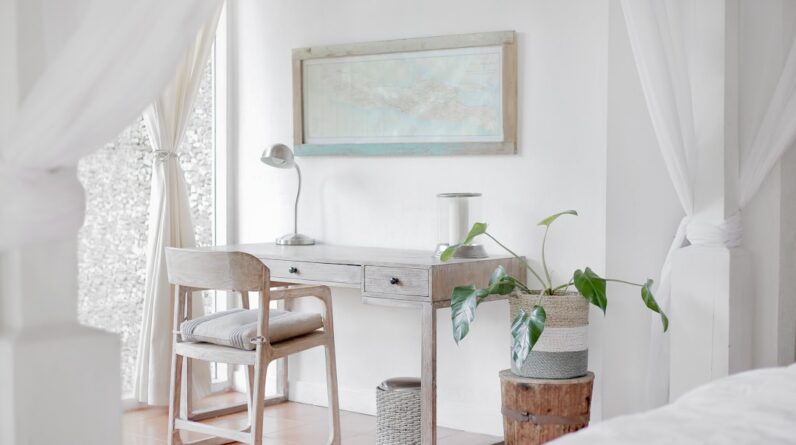
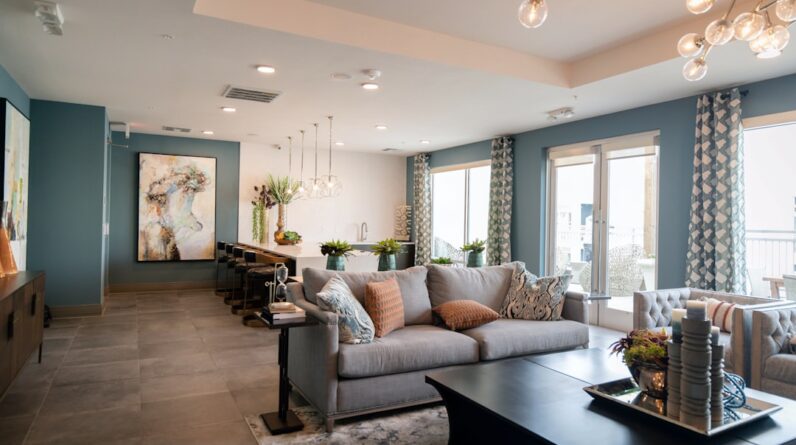
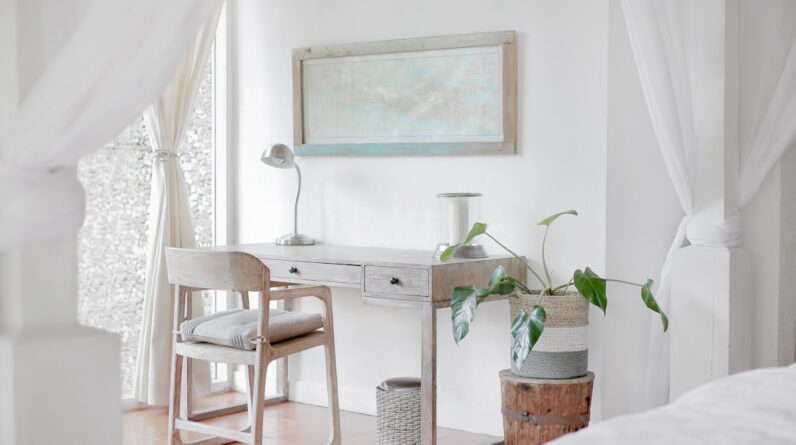
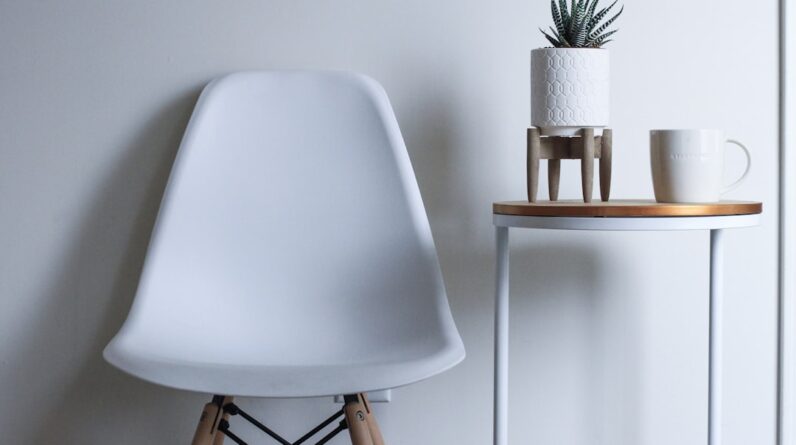
To create a space that truly reflects who you are, it’s essential to first understand your personal style. This journey begins with introspection; take a moment to consider what resonates with you. Are you drawn to the sleek lines of modern design, or do you find comfort in the warmth of rustic aesthetics?
Perhaps you lean towards eclectic styles that blend various influences, or maybe minimalism speaks to your desire for simplicity and clarity. By identifying these preferences, you can start to curate a living environment that feels authentic and inviting. Once you have a clearer picture of your style, it’s time to explore how it can manifest in your home.
Look for inspiration in magazines, online platforms, or even in nature. Create a mood board that captures colors, textures, and designs that appeal to you. This visual representation will serve as a guide as you begin to select furniture, decor, and accessories.
Remember, your personal style is not static; it can evolve over time. Embrace this fluidity and allow your space to grow alongside you, reflecting your journey and experiences.
Key Takeaways
- Understanding your personal style is key to creating a space that reflects your personality and preferences.
- Incorporating unique art and decor pieces can add character and individuality to your home.
- Mixing and matching patterns and textures can create visual interest and depth in your space.
- Customizing furniture and accessories allows you to tailor your home to your specific tastes and needs.
- Adding personal touches and memories can make your space feel more inviting and meaningful.
Incorporating Unique Art and Decor
Art is a powerful medium that can transform a room and infuse it with personality. When incorporating unique art pieces into your home, consider what speaks to you on a deeper level. This could be anything from vibrant paintings that evoke emotion to sculptures that spark conversation.
Seek out local artists or craft fairs to discover one-of-a-kind pieces that resonate with your personal style. By choosing art that reflects your tastes and values, you create an environment that feels uniquely yours. In addition to traditional art forms, think about how decor items can enhance your space.
Unique decor can range from handmade pottery to vintage finds that tell a story. Incorporating these elements not only adds character but also creates a sense of history within your home. Don’t shy away from mixing different styles; an antique vase can beautifully complement a modern painting, creating an intriguing visual dialogue.
The key is to curate a collection of pieces that resonate with you, allowing your home to become a canvas for self-expression.
Mixing and Matching Patterns and Textures

One of the most exciting aspects of interior design is the ability to mix and match patterns and textures. This approach adds depth and interest to your space, making it feel dynamic and inviting. Start by selecting a few key patterns that you love—these could be geometric prints, florals, or even abstract designs.
Once you have your foundation, experiment with layering different textures such as soft fabrics, rough woods, and sleek metals. The contrast between these elements creates a rich sensory experience that draws people in. When mixing patterns, consider the scale of each design.
Pairing large-scale prints with smaller ones can create balance and harmony within the space. Additionally, don’t be afraid to play with color; vibrant hues can energize a room while muted tones can provide a calming effect. The goal is to create a cohesive look that feels intentional yet relaxed.
As you experiment with various combinations, trust your instincts—if something feels right to you, it likely will resonate with others as well.
Customizing Furniture and Accessories
Customizing furniture and accessories is an excellent way to ensure that your home reflects your unique style while also meeting your functional needs. Start by assessing the pieces you already own; consider how they can be modified or repurposed to better suit your vision. For instance, an old dresser can be transformed with a fresh coat of paint or new hardware, giving it a modern twist while retaining its character.
This not only saves money but also allows you to create something truly one-of-a-kind. If you’re in the market for new furniture, consider investing in customizable options. Many retailers offer modular pieces that can be tailored to fit your space perfectly.
This flexibility allows you to create a layout that works for your lifestyle while ensuring that every piece feels intentional. Additionally, don’t overlook the power of accessories; custom throw pillows or unique light fixtures can elevate the overall aesthetic of a room. By taking the time to customize these elements, you create a home that is not only functional but also deeply personal.
Adding Personal Touches and Memories
Your home should be a reflection of your life’s journey, filled with personal touches and cherished memories. Start by displaying photographs that capture significant moments—these could be family gatherings, travel adventures, or milestones that hold special meaning for you. Create a gallery wall or use decorative frames to showcase these images in an artistic way.
This not only adds warmth to your space but also serves as a constant reminder of the people and experiences that shape who you are. In addition to photographs, consider incorporating mementos from your travels or hobbies into your decor. A collection of souvenirs from different countries or handmade crafts from local artisans can tell a story about your adventures and interests.
These personal touches make your home feel lived-in and loved, inviting guests to connect with you on a deeper level. Remember, it’s the little details that often leave the most significant impact; don’t hesitate to let your personality shine through in every corner of your home.
Embracing Color and Contrast

Color has the power to influence mood and atmosphere within a space, making it an essential element in interior design. When embracing color in your home, think about how different hues make you feel. Warm tones like reds and oranges can create an inviting atmosphere, while cool colors like blues and greens promote calmness and relaxation.
Consider using a color wheel as a guide to help you choose complementary shades that work well together. Contrast is equally important when it comes to color selection. Pairing bold colors with neutral tones can create visual interest without overwhelming the senses.
For example, a bright yellow accent chair can pop against a soft gray wall, drawing attention while maintaining balance within the room. Don’t be afraid to experiment with unexpected color combinations; sometimes the most striking designs come from taking risks. Ultimately, the goal is to create an environment that feels harmonious and energizing—one that reflects your personality while providing comfort.
Creating a Statement Wall or Focal Point
A statement wall or focal point can serve as the centerpiece of any room, drawing attention and setting the tone for the entire space. When designing this feature, think about what element you want to highlight—this could be an accent wall painted in a bold color, a gallery wall filled with art, or even a striking piece of furniture like an oversized bookshelf or unique console table. The key is to choose something that resonates with your personal style while also enhancing the overall aesthetic of the room.
To make your statement wall truly stand out, consider incorporating texture or pattern into the design. Wallpaper with intricate designs or wood paneling can add depth and interest while creating a stunning backdrop for other decor elements. Additionally, lighting plays a crucial role in highlighting this focal point; strategically placed lamps or wall sconces can draw attention and create ambiance in the space.
By thoughtfully designing a statement wall, you create an eye-catching feature that elevates the entire room.
Incorporating Nature and Greenery
Bringing nature indoors is an excellent way to enhance your living space while promoting well-being and tranquility. Plants not only purify the air but also add life and vibrancy to any room. Start by selecting plants that suit your lifestyle; if you’re new to gardening, opt for low-maintenance varieties like succulents or snake plants that thrive with minimal care.
For those who enjoy nurturing greenery, consider creating an indoor herb garden or incorporating flowering plants for added color. In addition to live plants, think about how natural materials can enhance your decor. Incorporating elements like wood, stone, or woven textiles can create a warm and inviting atmosphere reminiscent of the outdoors.
Consider using natural wood furniture or decorative accents made from organic materials to further connect your space with nature. By thoughtfully integrating greenery and natural elements into your home, you create an environment that feels refreshing and rejuvenating—a true sanctuary from the hustle and bustle of everyday life. In conclusion, designing a home that reflects your personal style is an enriching journey filled with creativity and self-discovery.
By understanding your preferences, incorporating unique art and decor, mixing patterns and textures, customizing furniture, adding personal touches, embracing color, creating focal points, and integrating nature, you can craft a space that is not only beautiful but also deeply meaningful. Your home should be a sanctuary where you feel comfortable expressing yourself—a place where every detail tells a story about who you are and what matters most to you.
FAQs
What is personal style in interior design?
Personal style in interior design refers to the unique and individual preferences, tastes, and characteristics of a person that are reflected in the design and decoration of their living space. It encompasses the use of colors, patterns, textures, furniture, and accessories that resonate with the individual’s personality and lifestyle.
How can I incorporate personal style into my interior design?
You can incorporate personal style into your interior design by selecting furniture, decor, and color schemes that reflect your individual tastes and preferences. This can include incorporating meaningful artwork, family heirlooms, or travel souvenirs into the design, as well as choosing furniture and decor that align with your personal aesthetic.
What are some ways to add uniqueness to my interior design?
Adding uniqueness to your interior design can be achieved through the use of unconventional furniture pieces, custom-made decor, and one-of-a-kind artwork. Additionally, incorporating unexpected design elements, such as a statement wall or a unique lighting fixture, can also contribute to the overall uniqueness of the space.
How can I ensure that my interior design reflects my personality?
To ensure that your interior design reflects your personality, it’s important to infuse the space with elements that hold personal significance to you. This can include incorporating your favorite colors, patterns, and textures, as well as displaying items that hold sentimental value or represent your hobbies and interests. Additionally, working with a professional interior designer who understands your personal style can help bring your vision to life.