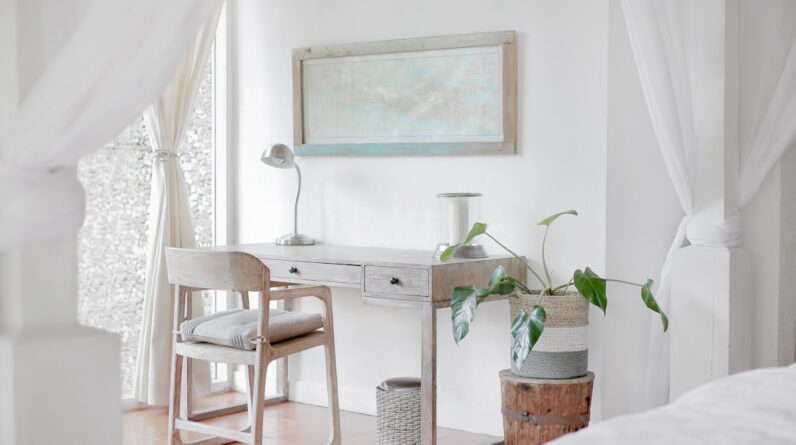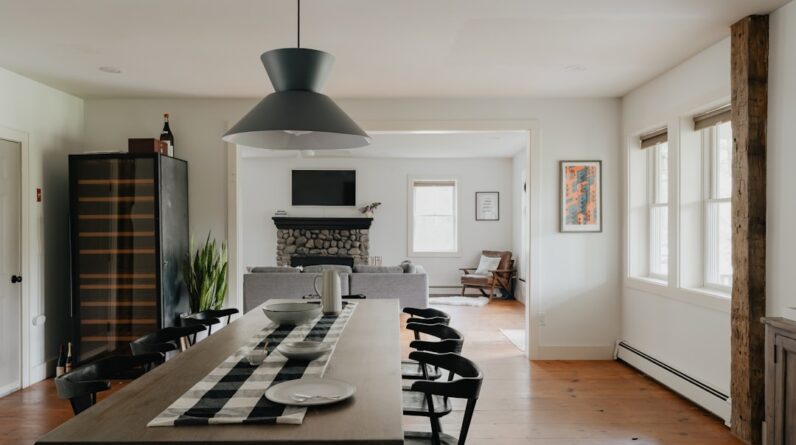
When you think of traditional interior design, you might envision a space that exudes warmth, comfort, and a sense of history. This style is deeply rooted in the past, drawing inspiration from various historical periods and cultural influences. It is characterized by its classic elegance and attention to detail, creating an inviting atmosphere that feels both familiar and sophisticated.
As you explore traditional interior design, you will discover how it seamlessly blends comfort with formality, making it a popular choice for many homeowners. Traditional interior design is not merely about aesthetics; it also reflects a lifestyle that values heritage and craftsmanship. This design approach often incorporates elements that tell a story, whether through the use of heirloom pieces or architectural details that hark back to a bygone era.
By embracing traditional design, you can create a space that feels timeless and enduring, allowing you to enjoy the beauty of the past while living in the present.
Key Takeaways
- Traditional interior design is characterized by classic and timeless elements that create a sense of elegance and sophistication.
- Key elements of traditional interior design include rich and warm color palettes, luxurious textiles, and ornate furniture and decor.
- Traditional interior design often features a color palette of deep, rich hues such as burgundy, navy, and forest green, along with classic patterns like damask and floral prints.
- Furniture and decor in traditional interior design are often characterized by intricate details, ornate carvings, and luxurious fabrics such as velvet and silk.
- Traditional architectural details and molding, such as crown molding, wainscoting, and coffered ceilings, add a sense of grandeur and elegance to a traditional interior design.
Key Elements of Traditional Interior Design
At the heart of traditional interior design are several key elements that define its character. One of the most prominent features is symmetry, which creates a sense of balance and harmony within a room. You might notice how furniture arrangements often mirror each other, with pairs of chairs or lamps flanking a central focal point, such as a fireplace or a piece of artwork.
This symmetry not only enhances the visual appeal but also contributes to the overall sense of order and tranquility in the space. Another essential aspect of traditional design is the use of rich textures and layered materials. You may find plush fabrics like velvet and silk adorning sofas and drapes, while intricate patterns and designs add depth to the decor.
Wood is also a significant component, often showcased in furniture pieces and flooring. The combination of these elements creates an inviting atmosphere that encourages relaxation and conversation, making your home a welcoming retreat for family and friends.
Color Palette and Textiles in Traditional Interior Design
When it comes to color palettes in traditional interior design, you will often encounter warm, muted tones that evoke a sense of coziness and sophistication. Earthy hues like deep greens, rich browns, and soft creams are commonly used to create a serene environment. These colors can be complemented by bolder accents, such as burgundy or navy blue, which add depth and interest without overwhelming the space.
As you select your color scheme, consider how these shades can work together to create a cohesive look throughout your home. Textiles play a crucial role in traditional interior design, as they contribute to the overall ambiance and comfort of a room. You might choose luxurious fabrics for upholstery, such as damask or brocade, which not only enhance the visual appeal but also provide tactile richness.
Layering different textiles can create a sense of warmth and depth; think about incorporating throw pillows, area rugs, and curtains that harmonize with your chosen color palette. By carefully selecting your textiles, you can elevate your space and infuse it with character.
Furniture and Decor in Traditional Interior Design
In traditional interior design, furniture pieces are often characterized by their classic lines and timeless appeal. You may find elegant wooden furniture with intricate carvings or upholstered pieces that feature traditional patterns. The key is to select items that reflect quality craftsmanship and enduring style.
When furnishing your space, consider investing in statement pieces that can serve as focal points while also providing functionality. Decorative accents are equally important in traditional design. You might choose to adorn your walls with framed artwork or family portraits that tell a story about your heritage.
Mirrors with ornate frames can add depth and light to a room, while decorative accessories like vases or candlesticks can enhance the overall aesthetic. As you curate your decor, remember that each piece should contribute to the cohesive narrative of your home, creating an environment that feels both personal and inviting.
Traditional Architectural Details and Molding
Architectural details are a hallmark of traditional interior design, adding character and elegance to any space. Crown molding, wainscoting, and chair rails are just a few examples of how these elements can enhance the overall aesthetic of your home. You may find that incorporating these details not only elevates the visual appeal but also creates a sense of history and craftsmanship that is often missing in more modern designs.
When considering architectural details, think about how they can complement your existing layout. For instance, high ceilings can benefit from elaborate crown molding that draws the eye upward, while wainscoting can add visual interest to lower walls. These features can be painted in complementary colors or left in their natural wood finish to create a timeless look.
By paying attention to these architectural elements, you can create a space that feels both refined and welcoming.
Incorporating Antiques and Vintage Pieces in Traditional Design
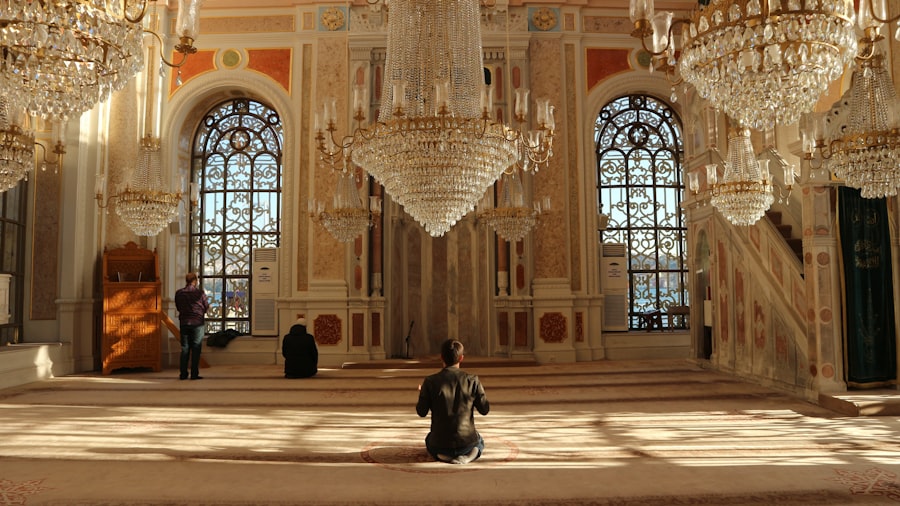
One of the most charming aspects of traditional interior design is the opportunity to incorporate antiques and vintage pieces into your decor. These items not only add character but also serve as conversation starters that connect you to the past. When selecting antiques for your home, consider pieces that resonate with you personally—whether it’s a beautifully crafted side table or an ornate mirror that has seen generations of use.
Mixing antiques with modern elements can create an intriguing contrast that enhances the overall aesthetic of your space. You might place a vintage armchair next to a contemporary coffee table or display an antique vase on a modern shelf. This blend of old and new allows you to create a unique environment that reflects your personal style while honoring the beauty of traditional design.
As you curate your collection of antiques, remember that each piece should tell a story, adding depth and richness to your home.
Traditional Design in Different Rooms of the Home
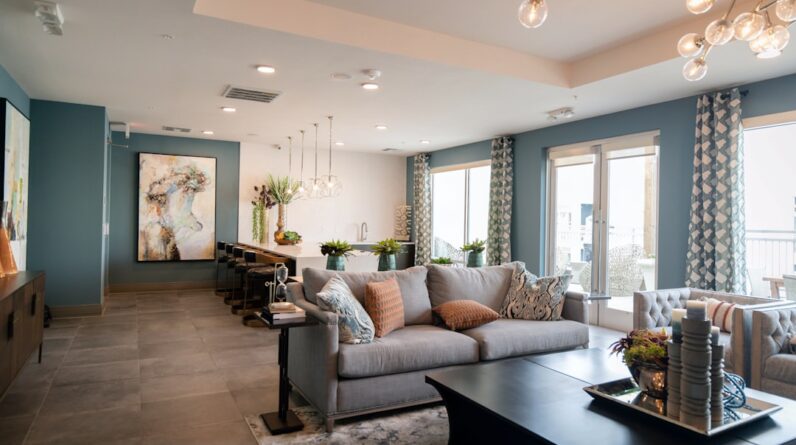
Traditional interior design can be applied throughout your home, creating a cohesive look that flows from room to room. In the living room, you might opt for plush sofas adorned with elegant fabrics, complemented by rich wood furniture and layered textiles like area rugs and throw pillows. The goal is to create an inviting space where family and friends can gather comfortably while enjoying the timeless elegance of traditional design.
In the dining room, consider using a large wooden table surrounded by upholstered chairs that invite long meals filled with conversation. A classic chandelier can serve as a stunning focal point above the table, while decorative china displayed in a cabinet adds an element of sophistication. In bedrooms, opt for sumptuous bedding in rich colors paired with antique dressers or nightstands to create a serene retreat that feels both luxurious and welcoming.
By thoughtfully applying traditional design principles in each room, you can create an interconnected home that feels harmonious and inviting.
Tips for Achieving a Timeless Traditional Interior Design
To achieve a timeless traditional interior design in your home, start by focusing on quality over quantity. Invest in well-crafted furniture pieces that will stand the test of time rather than opting for trendy items that may quickly go out of style. Look for classic designs with enduring appeal—think about how these pieces will fit into your overall vision for your space.
Another important tip is to embrace layering in your decor. Layering different textures, colors, and patterns can create depth and interest within your rooms. Don’t shy away from mixing patterns; instead, aim for harmony by choosing complementary designs that enhance one another.
Finally, remember that personal touches are what truly make a space feel like home. Incorporate family heirlooms or meaningful artwork into your decor to create an environment that reflects your unique story while celebrating the beauty of traditional design. By following these guidelines and embracing the principles of traditional interior design, you can create a home that feels both timeless and inviting—a sanctuary where comfort meets elegance in perfect harmony.
FAQs
What is traditional interior design?
Traditional interior design is a style that is inspired by classic European decor. It often features elegant furnishings, rich colors, and ornate details.
What are the key elements of traditional interior design?
Key elements of traditional interior design include classic furniture pieces, intricate patterns, luxurious fabrics, and decorative accessories such as chandeliers and ornate mirrors.
What are common color schemes in traditional interior design?
Common color schemes in traditional interior design include rich, warm tones such as deep reds, greens, and blues, as well as neutral colors like beige, cream, and brown.
What types of furniture are typically used in traditional interior design?
Furniture used in traditional interior design often includes pieces with curved lines, intricate carvings, and dark wood finishes. Common furniture pieces include wingback chairs, claw-foot tables, and ornate cabinets.
How can I incorporate traditional interior design into my home?
To incorporate traditional interior design into your home, consider using classic furniture pieces, incorporating rich fabrics and patterns, and adding decorative elements such as crown molding and wainscoting.