When you delve into the world of collectibles, it’s essential to grasp the distinction between vintage and antique items. While both categories evoke a sense of nostalgia and charm, they are defined by different criteria. Generally, an item is considered antique if it is at least 100 years old.
This age requirement gives antiques a historical significance that often adds to their value. You might find that antiques are often associated with specific periods or styles, such as Victorian or Art Deco, which can provide insight into the craftsmanship and cultural context of the time. On the other hand, vintage items are typically defined as being at least 20 years old but less than 100 years old.
This broader category encompasses a wide range of styles and eras, allowing for a more diverse selection. Vintage pieces often reflect the trends and aesthetics of their time, making them appealing for those who appreciate a more contemporary twist on classic designs. Understanding these distinctions can help you make informed decisions when curating your collection or decorating your space, ensuring that you choose pieces that resonate with your personal style and the story you wish to tell.
Key Takeaways
- Vintage refers to items that are at least 20 years old, while antique refers to items that are at least 100 years old.
- When selecting vintage and antique pieces, consider the style, condition, and authenticity of the item.
- Mixing vintage and antique with modern elements can create a unique and eclectic look in a space.
- Incorporating vintage and antique artwork can add character and history to a modern space.
- Using vintage and antique furniture in a modern space can create a timeless and sophisticated look.
Selecting the Right Vintage and Antique Pieces
Defining Your Style
Start by considering your personal style and the overall aesthetic you wish to achieve. Are you drawn to the ornate details of Victorian furniture, or do you prefer the clean lines of mid-century modern design?
Assessing Condition and Authenticity
By identifying your preferences, you can narrow down your search and focus on items that will complement your existing decor. Another crucial factor to consider is the condition of the pieces you are interested in. While some wear and tear can add character to an item, it’s essential to assess whether any damage is repairable or if it detracts from the piece’s overall appeal.
Curating a Timeless Collection
You may want to consult with experts or do thorough research to understand what constitutes acceptable wear for specific types of items. Additionally, consider the provenance of each piece; knowing its history can enhance its value and significance in your collection. By taking these factors into account, you can curate a selection of vintage and antique items that not only reflect your taste but also stand the test of time.
Mixing Vintage and Antique with Modern Elements
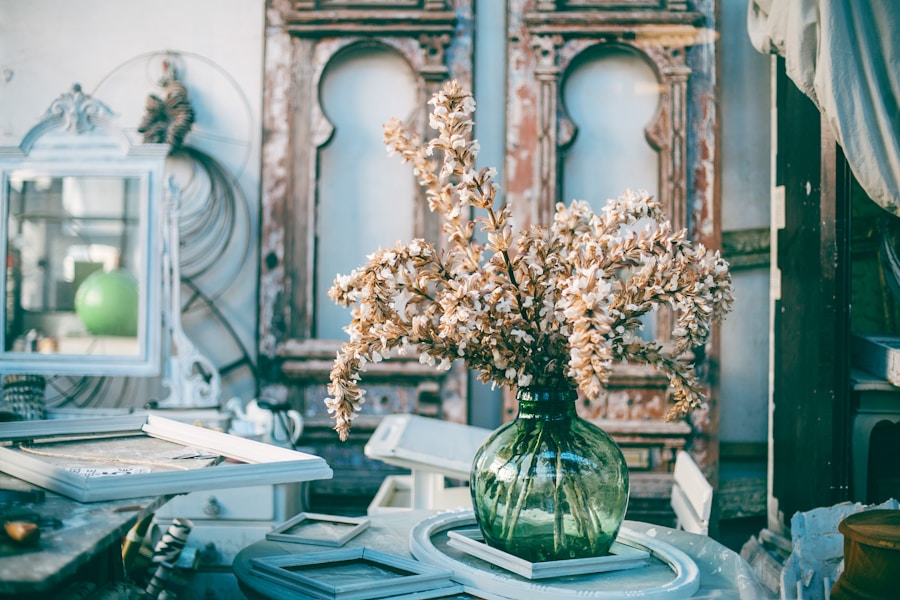
Incorporating vintage and antique pieces into a modern space can create a unique and inviting atmosphere. The key to successfully blending these elements lies in balance and contrast. You might start by selecting a few statement pieces, such as an antique sideboard or a vintage armchair, and then surround them with modern furnishings.
This juxtaposition allows each element to shine while creating a cohesive look that feels both curated and effortless. When mixing styles, consider color palettes and materials. For instance, if you have a sleek, contemporary sofa in neutral tones, adding a vibrant vintage rug can introduce warmth and texture to the space.
Similarly, pairing an antique wooden table with modern metal chairs can create an interesting dialogue between old and new. By thoughtfully combining these elements, you can achieve a harmonious blend that showcases your personality while honoring the beauty of both vintage and modern design.
Incorporating Vintage and Antique Artwork
Artwork plays a pivotal role in defining the character of any space, and incorporating vintage and antique pieces can elevate your decor significantly. When selecting artwork, think about how it complements your existing color scheme and furnishings. Vintage prints or antique paintings can serve as focal points in a room, drawing attention and sparking conversation.
You might choose to display a large antique landscape painting above a modern fireplace or create a gallery wall featuring an eclectic mix of vintage frames and contemporary art. Additionally, consider the placement of your artwork. Hanging vintage pieces at eye level can create an inviting atmosphere, while grouping smaller items together can add visual interest.
Don’t shy away from mixing different styles; combining abstract modern art with classical portraits can create a dynamic contrast that enhances the overall aesthetic of your space. By thoughtfully incorporating vintage and antique artwork, you can infuse your home with history and personality while maintaining a fresh and modern vibe.
Using Vintage and Antique Furniture in a Modern Space
Integrating vintage and antique furniture into a modern setting can transform your home into a stylish sanctuary filled with character. Start by selecting key pieces that resonate with you—perhaps an ornate Victorian chair or a rustic farmhouse table. These items can serve as conversation starters while providing functional benefits to your space.
When placing these pieces, consider their scale in relation to your modern furnishings; larger antique items can anchor a room, while smaller vintage pieces can add layers of interest. To ensure that your vintage furniture harmonizes with modern elements, pay attention to color schemes and materials. For instance, if you have a sleek glass coffee table, pairing it with a richly stained antique side table can create an appealing contrast.
Additionally, consider reupholstering vintage chairs in contemporary fabrics to give them a fresh look while preserving their historical charm. By thoughtfully incorporating vintage and antique furniture into your modern space, you can create an inviting environment that reflects your unique style.
Adding Vintage and Antique Lighting
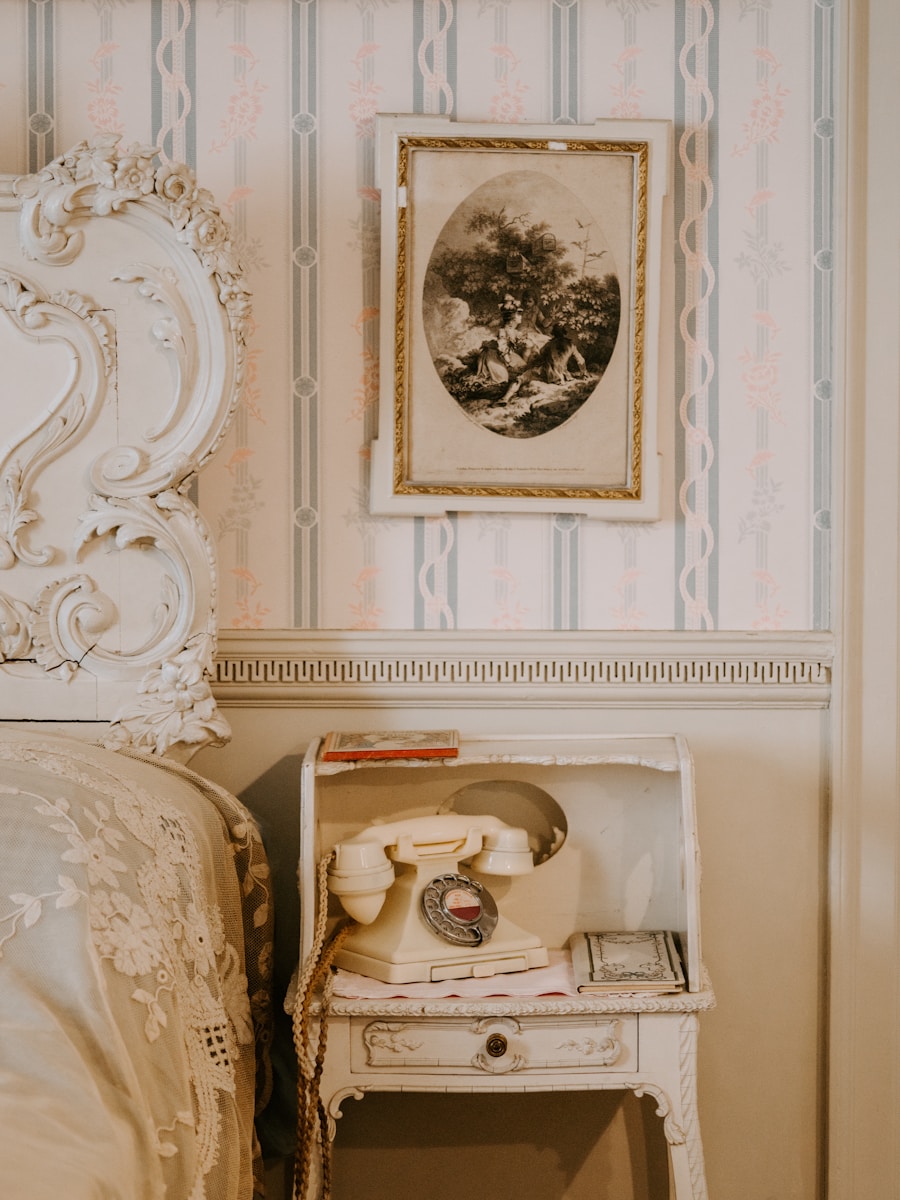
Lighting is an often-overlooked aspect of interior design that can significantly impact the ambiance of your home. Incorporating vintage and antique lighting fixtures can add warmth and character to any room. Consider using an ornate chandelier in your dining area or vintage sconces in your hallway to create a sense of elegance and nostalgia.
These fixtures not only provide illumination but also serve as stunning focal points that draw the eye. When selecting lighting, think about how it complements your existing decor. A mid-century modern lamp can pair beautifully with contemporary furniture, while an antique brass floor lamp can add sophistication to a cozy reading nook.
Additionally, don’t hesitate to mix different styles; combining various lighting sources—such as vintage table lamps with modern overhead fixtures—can create depth and interest in your space. By thoughtfully incorporating vintage and antique lighting, you can enhance the overall atmosphere of your home while celebrating its unique history.
Incorporating Vintage and Antique Textiles
Textiles are another fantastic way to introduce vintage and antique elements into your home decor. From quilts to curtains, these pieces can add warmth, texture, and color to any room. When selecting textiles, consider their patterns and colors in relation to your existing decor; vibrant floral patterns from the 1960s can bring life to a neutral space, while muted tones from earlier periods may offer subtle elegance.
You might also explore using vintage textiles in unexpected ways—such as repurposing an antique tablecloth as wall art or using vintage scarves as decorative accents on furniture. Layering different textiles can create visual interest; for example, combining a vintage Persian rug with contemporary throw pillows can add depth to your living area. By thoughtfully incorporating vintage and antique textiles into your home, you can create a cozy atmosphere that reflects your personal style while celebrating the beauty of craftsmanship from bygone eras.
Creating a Cohesive Look with Vintage and Antique Accessories
Accessories play a crucial role in tying together the various elements of your decor, especially when mixing vintage and antique pieces with modern design. Start by selecting accessories that resonate with you—whether they are decorative vases, unique sculptures, or charming trinkets from flea markets. These items can serve as finishing touches that enhance the overall aesthetic of your space.
To create a cohesive look, consider establishing a unifying theme or color palette for your accessories. For instance, if you have chosen warm wood tones for your furniture, look for vintage accessories that feature similar hues or materials. Grouping accessories together on shelves or tabletops can also create visual harmony; consider arranging them in odd numbers for an aesthetically pleasing display.
By thoughtfully curating vintage and antique accessories alongside modern elements, you can achieve a balanced look that feels both intentional and inviting. In conclusion, embracing vintage and antique pieces in your home decor allows you to create a unique environment filled with character and history. By understanding the differences between these categories, selecting the right items, mixing styles thoughtfully, and incorporating various elements like artwork, furniture, lighting, textiles, and accessories, you can craft a space that reflects your personal style while celebrating the beauty of the past.
FAQs
What are vintage and antique pieces?
Vintage pieces are typically items that are at least 20 years old, while antique pieces are generally considered to be at least 100 years old. These items can include furniture, decor, artwork, and other collectibles.
How can vintage and antique pieces be incorporated into a modern interior design scheme?
Vintage and antique pieces can be incorporated into a modern interior design scheme by mixing them with contemporary furniture and decor. This can create a unique and eclectic look that adds character and charm to the space.
What are some ways to incorporate vintage and antique pieces into a modern interior design scheme?
Some ways to incorporate vintage and antique pieces into a modern interior design scheme include using them as statement pieces, mixing them with modern furniture, repurposing them for new uses, and displaying them as focal points in the room.
What are some popular vintage and antique pieces that can be used in modern interior design?
Popular vintage and antique pieces that can be used in modern interior design include mid-century modern furniture, vintage rugs, antique mirrors, retro lighting fixtures, and vintage artwork.
What are some tips for successfully incorporating vintage and antique pieces into a modern interior design scheme?
Some tips for successfully incorporating vintage and antique pieces into a modern interior design scheme include choosing pieces that complement the overall aesthetic of the space, mixing different styles and eras for a more eclectic look, and paying attention to scale and proportion when integrating vintage and antique pieces with modern furniture.