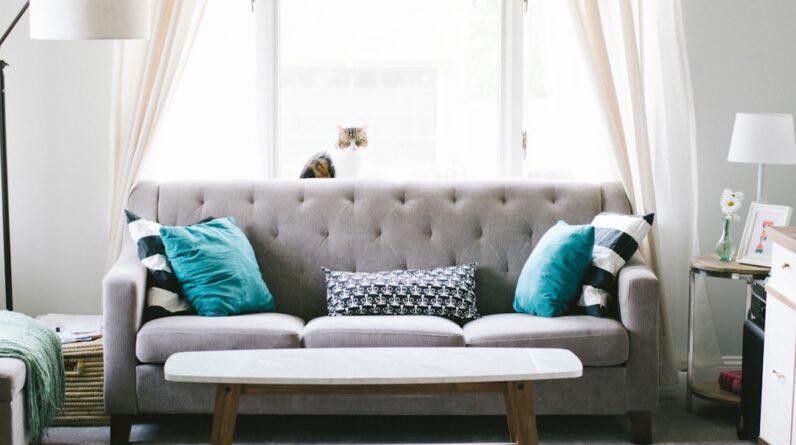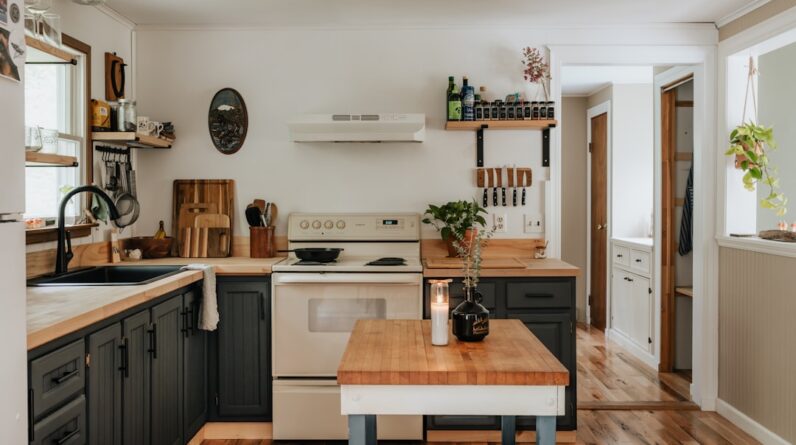
When you think about modern living spaces, the open floor plan often comes to mind. This design concept emphasizes a seamless flow between different areas of your home, such as the kitchen, dining room, and living area. By removing walls and barriers, you create an inviting atmosphere that encourages interaction and connectivity among family members and guests.
The open floor plan not only enhances the aesthetic appeal of your home but also maximizes natural light, making spaces feel larger and more welcoming. As you explore the open floor plan concept, consider how it can transform your daily life. With fewer walls, you can easily entertain friends and family, allowing for a more social environment.
Cooking in the kitchen while engaging in conversation with guests in the living room becomes a delightful experience rather than a chore. Additionally, this layout can be particularly beneficial for families with children, as it allows you to keep an eye on little ones while preparing meals or working on other tasks. Embracing the open floor plan can lead to a more harmonious and connected lifestyle.
Key Takeaways
- Open floor plans promote a sense of spaciousness and flow in a home, allowing for easy interaction and movement between different areas.
- Consistent color schemes and materials help tie together different spaces within an open floor plan, creating a cohesive and harmonious look.
- Multi-functional furniture is essential for maximizing space and functionality in an open floor plan, serving multiple purposes and adapting to different needs.
- Rugs and lighting play a crucial role in creating visual continuity and defining separate zones within an open floor plan, while also adding warmth and ambiance.
- Thoughtful room dividers, such as sliding doors, curtains, or shelving units, can provide privacy and separation when needed without compromising the open feel of the space.
Utilizing Consistent Color Schemes and Materials
One of the key elements in achieving a cohesive open floor plan is the use of consistent color schemes and materials throughout your space. By selecting a unified palette, you create a sense of harmony that ties different areas together. For instance, if you choose soft neutrals for your walls, consider incorporating similar tones in your furniture and decor.
This approach not only enhances visual appeal but also fosters a calming atmosphere that can make your home feel more inviting. In addition to color, the materials you choose play a significant role in establishing continuity. Opting for similar textures and finishes—such as hardwood flooring that extends from the living room into the kitchen—can create a seamless transition between spaces.
You might also consider using matching cabinetry or countertops in both the kitchen and dining area to reinforce this connection. By thoughtfully selecting colors and materials, you can elevate your open floor plan, making it feel intentional and well-designed.
Incorporating Multi-functional Furniture
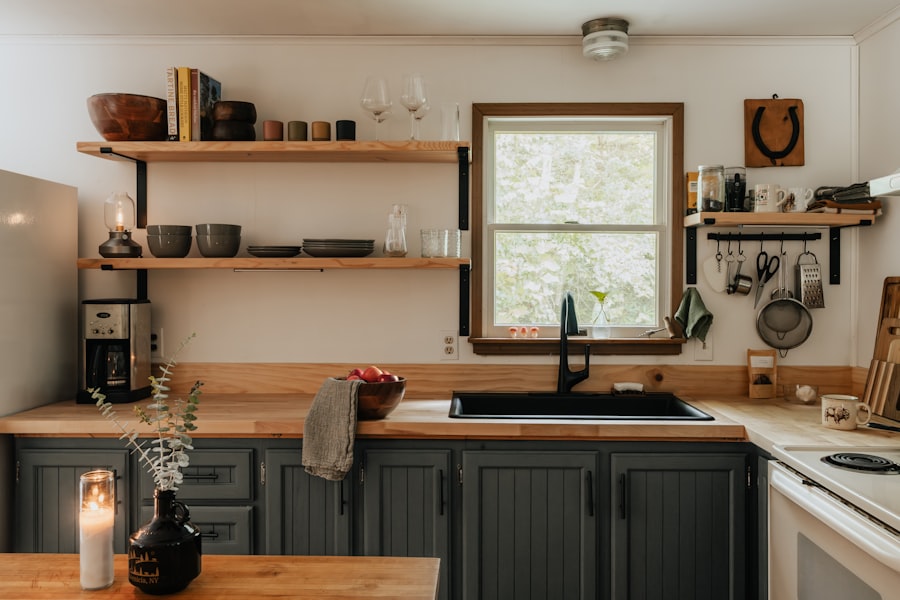
In an open floor plan, space is often at a premium, making multi-functional furniture an essential consideration. Pieces that serve multiple purposes can help you maximize your available square footage while maintaining a stylish aesthetic. For example, a coffee table with built-in storage can provide a place to store magazines or blankets while also serving as a surface for drinks and snacks during gatherings.
Similarly, a sofa bed can transform your living area into a guest room when needed, offering flexibility without sacrificing style. When selecting multi-functional furniture, think about how each piece can adapt to your lifestyle. A dining table that expands for larger gatherings or collapses for everyday use can be invaluable in an open space.
Additionally, consider ottomans that double as seating or side tables that can be easily moved around as needed. By incorporating versatile furniture into your design, you not only enhance functionality but also create a dynamic environment that can evolve with your needs.
Creating Visual Continuity with Rugs and Lighting
Rugs and lighting are powerful tools for establishing visual continuity in an open floor plan. Area rugs can define different zones within your space while still maintaining an overall cohesive look. For instance, placing a large rug under your dining table can create a distinct dining area, while another rug in the living room can delineate that space without the need for physical barriers.
Choosing rugs with complementary colors or patterns can further enhance the flow between areas. Lighting also plays a crucial role in creating continuity. Consider using similar light fixtures throughout your open floor plan to establish a sense of unity.
Pendant lights over the dining table can echo the style of chandeliers in the living room, while recessed lighting can provide ambient illumination across all areas. Layering different types of lighting—such as task, ambient, and accent—can add depth and dimension to your space while ensuring that each area feels connected yet distinct.
Implementing Thoughtful Room Dividers
While an open floor plan promotes connectivity, there may be times when you desire a bit of separation between spaces. Thoughtful room dividers can help achieve this balance without compromising the overall openness of your home. Options such as decorative screens, bookshelves, or even curtains can create visual boundaries while still allowing light to flow through.
These dividers can serve as functional elements that enhance both privacy and style. When selecting room dividers, consider how they will complement your existing decor. A sleek glass partition can maintain an airy feel while providing separation between the kitchen and living area, whereas a rustic wooden screen might add warmth and character to your space.
Additionally, think about how these dividers can be used to showcase artwork or plants, further enhancing the aesthetic appeal of your home while providing necessary delineation.
Embracing Cohesive Decorative Accents
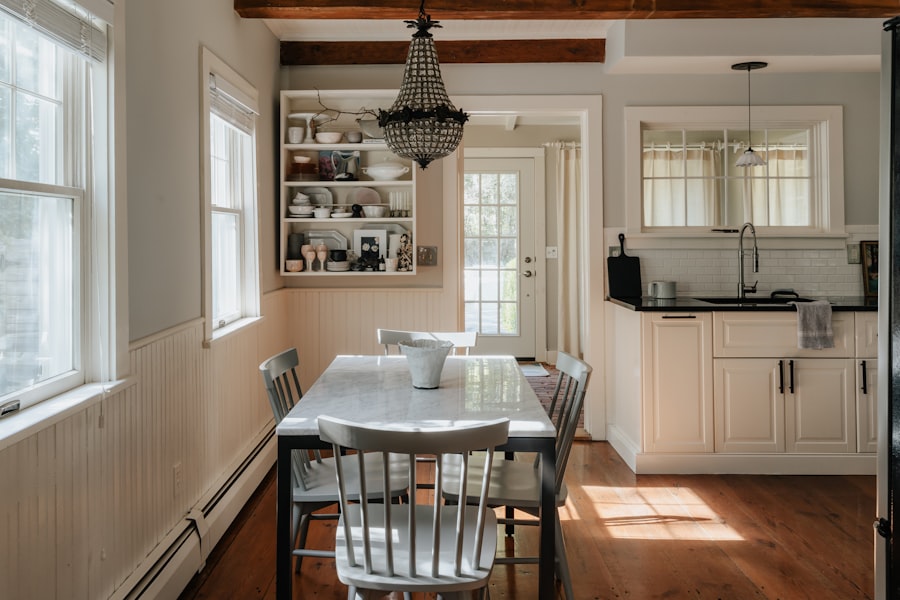
Decorative accents are the finishing touches that bring your open floor plan to life. By embracing cohesive decorative elements throughout your space, you can create a unified look that reflects your personal style. Consider using similar materials or colors in your decorative accents—such as throw pillows, artwork, and vases—to tie different areas together.
This approach not only enhances visual appeal but also reinforces the overall theme of your home. As you curate decorative accents, think about how they can serve both form and function. For example, decorative trays can organize items on coffee tables or countertops while adding an aesthetic touch.
Wall art that features a consistent color palette can create visual interest without overwhelming the space. By thoughtfully selecting decorative accents that align with your overall design vision, you can elevate your open floor plan into a cohesive and inviting environment.
Balancing Scale and Proportion
In an open floor plan, achieving balance in scale and proportion is essential for creating a harmonious environment. When selecting furniture and decor, consider how each piece relates to the overall size of your space. Oversized furniture can overwhelm smaller areas, while too-small pieces may get lost in larger rooms.
Striking the right balance ensures that each element contributes to the overall aesthetic without feeling out of place. To achieve this balance, take measurements before purchasing new items and visualize how they will fit within your space. Grouping furniture in clusters rather than lining it against walls can create intimacy while maintaining an open feel.
Additionally, varying heights among furniture pieces—such as combining low sofas with tall bookshelves—can add visual interest and depth to your design. By paying attention to scale and proportion, you can create an open floor plan that feels both inviting and well-composed.
Fostering Connectivity with Strategic Layouts
The layout of your open floor plan plays a crucial role in fostering connectivity among different areas of your home. A well-thought-out arrangement encourages movement and interaction while ensuring that each space serves its intended purpose effectively. Consider how traffic flows through your home when designing your layout; pathways should be clear and unobstructed to facilitate easy movement between rooms.
When planning your layout, think about how each area relates to one another. Positioning seating areas near dining spaces encourages conversation during meals, while placing workspaces near common areas allows for collaboration and connection among family members. Additionally, consider incorporating focal points—such as a fireplace or large window—that draw the eye and create natural gathering spots within your open floor plan.
By strategically designing your layout, you can enhance connectivity and create a welcoming environment that invites interaction among all who enter your home.
FAQs
What is an open floor plan in contemporary interiors?
An open floor plan in contemporary interiors refers to a design concept that combines multiple living spaces, such as the kitchen, dining area, and living room, into one large, open area without the use of walls or dividers.
How can you create a sense of unity in an open floor plan?
To create a sense of unity in an open floor plan, you can use cohesive color schemes, consistent flooring materials, and repeating design elements throughout the space. Additionally, using furniture and decor that complements each other can help tie the different areas together.
What are some ways to achieve flow in an open floor plan?
Achieving flow in an open floor plan can be done by arranging furniture to create natural pathways, using area rugs to define specific areas within the space, and ensuring that there is a sense of balance and proportion in the layout. Additionally, incorporating elements of symmetry and rhythm can help create a harmonious flow.
How can lighting contribute to unity and flow in an open floor plan?
Strategic lighting placement can help create a sense of unity and flow in an open floor plan by providing consistent illumination throughout the space. Using a combination of ambient, task, and accent lighting can help define different areas while maintaining a cohesive overall look. Additionally, using lighting fixtures with similar styles or finishes can contribute to a unified design.