How Can I Incorporate Vintage Pieces Into a Modern Interior Design?
Incorporating vintage pieces into your modern interior design is a fantastic way to create a space that feels both unique and personal. It allows you to tell a story and embrace a variety of aesthetics. The fusion of old and new can evoke a sense of nostalgia while remaining firmly rooted in contemporary style. So, how can you effectively blend these elements? Let’s dive into the world of vintage design and the beauty of incorporating those unique finds into your modern living space.

Understanding the Value of Vintage
Before jumping into how you can integrate vintage pieces into your decor, it’s crucial to understand why these items hold value. Vintage pieces often come with a history, a story that adds character to your home. Whether it’s a mid-century lamp, a Victorian chair, or an antique mirror, each item can spark conversations and evoke memories.
These items also stand out in a world where mass production dominates. By choosing vintage, you are not just decorating your home; you are also promoting sustainability and individuality. Each piece has its charm and brings a sense of authenticity that new items often lack. So, the next time you stumble upon a beautifully aged chest or a funky piece of art at a flea market, remember: it’s not just a purchase; it’s an investment in your home’s narrative.
Selecting the Right Vintage Pieces
Choosing the right vintage items to incorporate into your modern interior design is an essential step. Not all vintage pieces will seamlessly blend with your contemporary style, so it’s worth taking the time to curate a selection that complements your aesthetic.
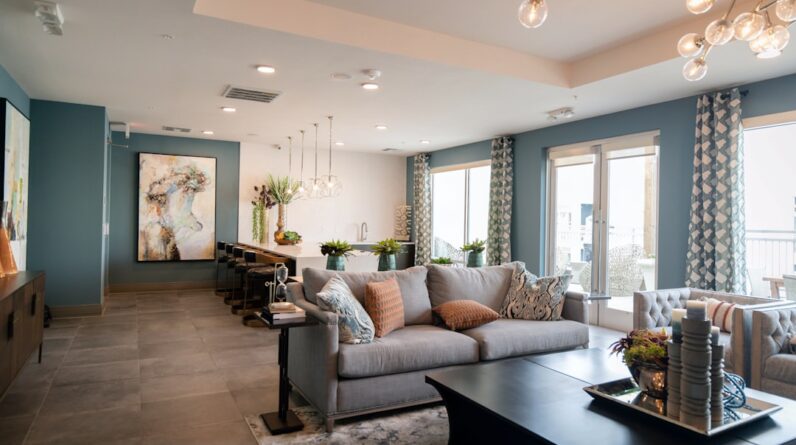
Start by assessing your current décor. Look at existing color schemes, materials, and design styles. Determine which vintage pieces would enhance the overall appearance of your space. For example, if your living room has a minimalist feel with a neutral color palette, a brightly colored vintage chair can act as a striking focal point. Alternatively, if your home is filled with vibrant colors, items with softer tones might provide a gentle contrast.
Also, consider the condition of the pieces. While vintage finds can sometimes show wear and tear, some items may require restoration or upkeep. Knowing what you’re willing to invest in terms of time and effort will help narrow down your choices to those items that align with your lifestyle.
Creating Focal Points with Vintage Items
One of the most effective ways to incorporate vintage pieces into your modern interior design is by creating focal points. Focal points draw the eye and anchor a room, so using a vintage item as a centerpiece can bring an eclectic charm to your space.
Imagine placing a stunning antique armoire in a contemporary bedroom, contrasting the sleek modern elements around it. Not only does it serve a functional purpose, but it also adds drama and personality to the room. Similarly, a vintage rug can bring warmth and texture to a polished wooden floor, bridging the gap between modern and vintage aesthetics.
When selecting focal points, think strategically about their placement. A unique vintage piece doesn’t always have to be large to make an impact. A retro wall clock or an unusual piece of wall art can shift the ambiance of the entire room. So, don’t shy away from thinking outside the box and make these vintage treasures the star of your design show.
Mixing Styles: Vintage and Modern
One of the most exciting aspects of combining vintage pieces with modern design is the opportunity to mix styles. The beauty of design lies in its versatility, and merging different aesthetics can lead to stunning results. By finding a balance between the sleek lines of modern decor and the intricate details of vintage pieces, you create a harmonious atmosphere that feels both curated and spontaneous.
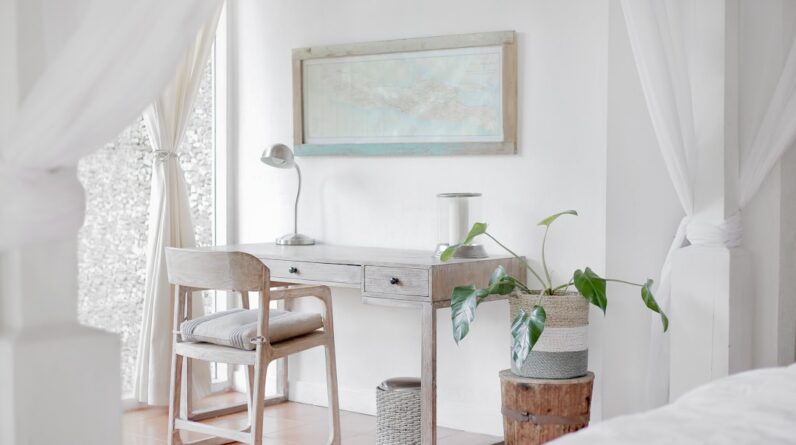
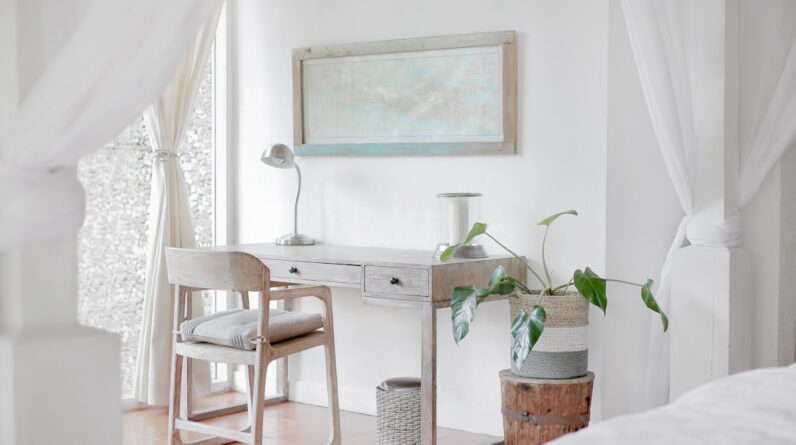
Start by identifying the style of your current modern decor—be it minimalist, industrial, or something else entirely. Then, look for vintage items that complement or contrast with that style. For example, if you have an industrial-themed workspace with exposed brick and metal fixtures, adding a vintage wooden desk can inject warmth and contrast the coldness of metal.
Conversely, if your space is primarily traditional, you might consider selecting modern pieces that have vintage flair. This could take the form of vibrant abstract art or a contemporary lamp with a mid-century design. The key is to ensure that despite the differences, all components work together to create a cohesive look.
Textures and Materials
Integrating various textures and materials is another way to seamlessly incorporate vintage pieces into your modern interior design. Vintage items often carry a wealth of history and character, which can add depth to your aesthetic.
For example, pairing a vintage velvet sofa with minimalist steel chairs can create a tactile experience that is visually appealing and inviting. You might also consider layering different rugs or throws, mixing a vintage Persian rug with contemporary accents. This variety not only enhances visual interest but also offers comfort and warmth to your space.
Additionally, playing with materials can bring a refreshing twist to your decor. Vintage pieces made from materials like wood, brass, or ceramics can balance out contemporary elements that tend to favor glass or sleek metals. Incorporating these varied materials can elevate your space, transforming it into a tactile experience that invites people to explore the rich history behind each piece.
Colors: Embracing the Palette
When combining vintage pieces with modern design, having a thoughtful approach to color is essential. Vintage items often carry unique colors that can harmonize or add contrast to your current palette.
Start by analyzing your primary color scheme and look for vintage pieces that complement or accentuate those colors. If your room features a neutral palette, you might introduce vintage items with bold, vibrant hues to inject energy and liveliness into the space. A vintage blue vase on a modern white table can become a striking statement piece, inviting intrigue without overwhelming the overall look.
Alternatively, if you have a colorful environment, you may want to select vintage items that offer softer tones to create a sense of balance. Earthy vintage browns or muted pastels can soften vibrant spaces and provide a soothing contrast. Embracing the color palette of your vintage pieces can yield stunning results when you balance and curate your design thoughtfully.

Upcycling Vintage Finds
Consider the eco-friendly and creative approach of upcycling vintage finds to make them suit your modern aesthetic. Upcycling is a way of breathing new life into old items, allowing them to serve a purpose that aligns better with your design goals.
For example, a vintage dresser can be transformed into a chic bathroom vanity with a little creativity, or an old wooden door can become a rustic coffee table by simply adding legs. These projects not only add a personal touch to your space but can be an enjoyable DIY experience, allowing you to tap into your creative side.
When upcycling, ensure you consider what elements to keep and what to modify. You might want to retain the original hardware or finish to preserve the vintage charm while tailoring it to fit into your modern design. Embracing upcycling not only helps you succeed in integrating vintage pieces but also reinforces your commitment to sustainable practices.
The Power of Accessories: Smaller Vintage Touches
If you’re unsure about how much vintage you want in your home, consider starting small with accessories. These smaller pieces can add personality without committing to larger investments. Vintage accessories can be used in various groups to create visual interest or stand alone to add a touch of charm.
Look for items like vintage books, sculptures, clocks, or paintings that can accentuate your modern decor. These accessories can fit into any corner of your home, be it on a shelf, a coffee table, or even mixed into gallery wall arrangements. Even a trio of vintage coasters can spark conversation at gatherings!
Another beautiful aspect of smaller vintage pieces is their versatility. You can switch them around seasonally or whenever you want to mix things up in your space. This type of design flexibility allows you to keep your setup feeling fresh and reflective of your personal style.
The Role of Lighting
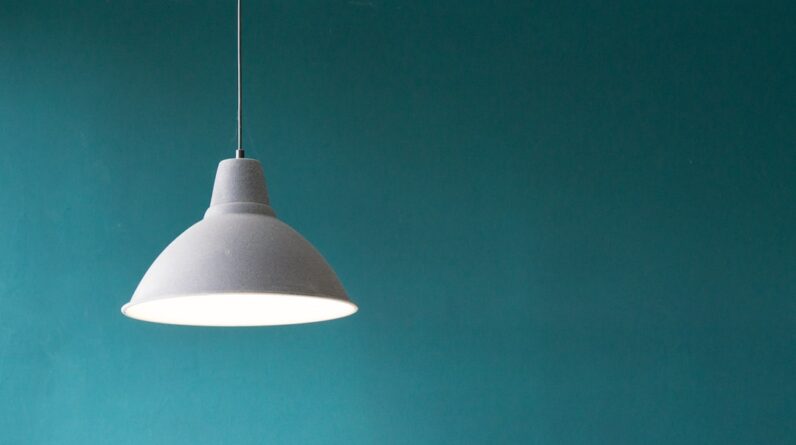
Lighting is a vital component of any interior design scheme, and this applies when combining vintage and modern decor. Vintage lighting fixtures, such as chandeliers, pendant lights, or even desk lamps, can serve as beautiful focal points while enhancing the overall ambiance of your home.
A vintage chandelier in a contemporary dining room, for instance, can create a lovely juxtaposition, drawing the eyes upward and creating an inviting atmosphere. Similarly, using a mid-century modern lamp beside a contemporary couch can tie together both styles seamlessly, providing necessary light while enhancing the design.
When sourcing vintage lighting, consider the tone it brings to your space. The warmth of amber glass or the coolness of painted metal can dramatically affect your interior’s vibe. Ensure that the fixtures fit well with your existing modern pieces while bringing their distinctive charm.
Restoration: Preserving the Past
Incorporating vintage pieces into your modern design often means encountering items that need a little love and care. Whether it’s reupholstering a chair or refinishing a table, restoration can be a rewarding experience that not only breathes new life into a piece but also preserves its story.
Before diving into restoration projects, assess the condition of the vintage piece. Determine how much change you would like to implement and whether it aligns with your modern aesthetic. For instance, you might appreciate the charm of a slightly worn-out leather chair that can simply be cleaned and conditioned rather than completely refurbished.
Additionally, consulting professionals who specialize in restoration can ensure your vintage finds are treated with care and expertise. They can help maintain the integrity of the item while also transforming it to fit perfectly into your modern decor.
Personalizing Your Space with Nostalgic Elements
When you incorporate vintage pieces into your modern design, you also have an opportunity to weave in elements of your own history. Personal items like family heirlooms, travel souvenirs, or gifts from loved ones can hold sentimental value while serving as design features.
Perhaps you have a vintage piece that’s been passed down through generations, such as a quilt or a photograph. Displaying these items lends your space a personal touch that speaks to your story and experience. It creates an environment that feels lived in and authentic, which is especially inviting in a home setting.
Curating your space with vintage and personal elements can help you articulate your identity and experiences. The blend of old and new invites guests into a narrative that extends beyond mere aesthetics, turning your home into a reflection of who you are.
The Journey of Finding Vintage Pieces
Finding vintage pieces can feel like a treasure hunt, adding excitement to your design journey. Whether you choose to explore local flea markets, antique shops, thrift stores, or online platforms, each venue has the potential to offer unique finds that fit your style.
While browsing, keep an open mind; sometimes, the most unexpected pieces turn out to be the most fitting. You may discover an odd chair that seems out of place only to find its perfect spot in your home. Remember, the thrill of the hunt is part of the joy of incorporating vintage elements into your design.
As you embark on this journey, be patient and willing to put in a little effort. You may not find your dream piece right away, but the process itself is rewarding. Plus, with every vintage item you discover, you are one step closer to creating a personalized interior design that embodies your taste and tells your story.
The Essence of Balance
In summary, the heart of successfully blending vintage pieces into modern interior design lies in achieving balance. A well-curated space invites both vintage and modern elements to coexist, creating a rich narrative that is visually engaging.
Emphasizing various textures, colors, and styles allows your personality to shine through, making your home a true reflection of who you are. When you view each vintage piece not just as an object but as a part of a larger story, you begin to appreciate your home in an entirely new way.
Each aspect of your design, from the larger furniture to the tiniest accessories, can work together to create a harmonious interior that feels authentic and welcoming. So, as you embark on your design journey, embrace the challenge of incorporating vintage elements—it’s all part of the adventure to cultivate a living space that reflects your unique vision.
Incorporating vintage pieces into your modern interior design isn’t just about aesthetics; it’s about crafting a space that feels intimate and meaningful. So go ahead and go on that vintage treasure hunt, restore those beautiful pieces, and tell your story through design.
If you enjoyed this article, please clap, leave a comment, and subscribe to my Medium newsletter for more updates!