In today’s fast-paced world, technology has become an integral part of our lives, and its influence on contemporary interior design is undeniable. As you step into a modern space, you may notice how technology seamlessly integrates with aesthetics, creating environments that are not only visually appealing but also highly functional. Smart home devices, for instance, have revolutionized the way you interact with your living spaces.
From automated lighting systems to smart thermostats, these innovations allow you to customize your environment with just a touch or a voice command, enhancing both comfort and convenience. Moreover, technology has expanded the possibilities of design itself. Virtual reality (VR) and augmented reality (AR) tools enable designers to create immersive experiences, allowing you to visualize spaces before they are built.
This not only streamlines the design process but also empowers you to make informed decisions about your interior choices. With the help of 3D modeling software, designers can experiment with layouts, colors, and materials in real-time, ensuring that the final product aligns perfectly with your vision. As technology continues to evolve, it will undoubtedly shape the future of interior design in ways we can only begin to imagine.
Key Takeaways
- Technology has greatly influenced contemporary interior design, with the integration of smart home technology and the use of digital tools for design and visualization.
- Sustainability and eco-friendly practices are becoming increasingly important in modern interior design, with a focus on using sustainable materials and reducing environmental impact.
- There is a shift towards minimalism and functional design in contemporary interior design, with an emphasis on clean lines, open spaces, and multi-functional furniture.
- Globalization has had a significant impact on interior design trends, leading to the incorporation of diverse cultural elements and the blending of different design styles from around the world.
- Cultural diversity plays a crucial role in shaping contemporary interior design, with a focus on celebrating and incorporating diverse cultural influences and traditions into interior spaces.
Sustainability and Eco-Friendly Practices in Modern Interior Design
As awareness of environmental issues grows, sustainability has emerged as a cornerstone of modern interior design. You may find that many designers are now prioritizing eco-friendly practices, using materials that are not only aesthetically pleasing but also sustainable. Reclaimed wood, recycled metals, and low-VOC paints are just a few examples of how designers are making conscious choices that benefit both the planet and your living space.
By opting for these materials, you contribute to a healthier environment while enjoying a unique and stylish interior. In addition to material choices, sustainable design also encompasses energy efficiency and waste reduction. You might notice that many contemporary interiors incorporate energy-efficient appliances and fixtures that reduce your carbon footprint.
Designers are increasingly focused on creating spaces that maximize natural light and ventilation, which not only enhances your well-being but also minimizes reliance on artificial lighting and climate control systems. By embracing sustainability in interior design, you are not just beautifying your space; you are also making a positive impact on the world around you.
The Shift towards Minimalism and Functional Design

In recent years, there has been a noticeable shift towards minimalism in interior design, reflecting a desire for simplicity and functionality. You may find that contemporary spaces often feature clean lines, neutral color palettes, and uncluttered layouts that promote a sense of calm and order. This minimalist approach encourages you to focus on what truly matters in your living environment, allowing for a more intentional use of space.
By eliminating excess, you create an atmosphere that fosters relaxation and clarity. Functional design is at the heart of this movement, emphasizing practicality without sacrificing style. You might appreciate how modern furniture pieces are designed to serve multiple purposes, such as a coffee table that doubles as storage or a sofa bed that accommodates guests.
This versatility not only maximizes your space but also enhances your overall living experience. As you embrace minimalism and functional design, you may find that your home becomes a sanctuary—an oasis where you can unwind and recharge amidst the chaos of everyday life.
The Impact of Globalization on Interior Design Trends
Globalization has significantly influenced interior design trends, bringing diverse cultural elements into contemporary spaces. As you explore various design styles from around the world, you may notice how they blend seamlessly into modern interiors. From Moroccan tiles to Scandinavian furniture, these global influences enrich your living environment and create a unique aesthetic that reflects your personal taste.
This cross-cultural exchange allows you to curate a space that tells a story—one that celebrates the beauty of diversity. Furthermore, globalization has facilitated access to a wider range of materials and products than ever before. You might find it easier to source artisanal pieces from distant lands or incorporate textiles that showcase traditional craftsmanship.
This accessibility not only enhances the visual appeal of your home but also supports artisans and communities worldwide. As you embrace these global influences in your interior design choices, you contribute to a more interconnected world where creativity knows no boundaries.
The Role of Cultural Diversity in Shaping Contemporary Interior Design
Cultural diversity plays a pivotal role in shaping contemporary interior design, allowing for a rich tapestry of influences that reflect the world we live in. As you navigate through various design styles, you may find yourself drawn to elements that resonate with your own cultural background or experiences. This personal connection adds depth to your living space, transforming it into a reflection of who you are and what you value.
Incorporating cultural elements into your interior design can take many forms—from artwork and textiles to furniture and color schemes. You might choose to display traditional crafts or family heirlooms that tell a story about your heritage. Alternatively, you could experiment with bold patterns and colors inspired by different cultures, creating an eclectic yet harmonious environment.
By embracing cultural diversity in your design choices, you not only celebrate your own identity but also foster an appreciation for the richness of human experience.
The Integration of Art and Design in Modern Interiors
The Collaborative Relationship Between Art and Design
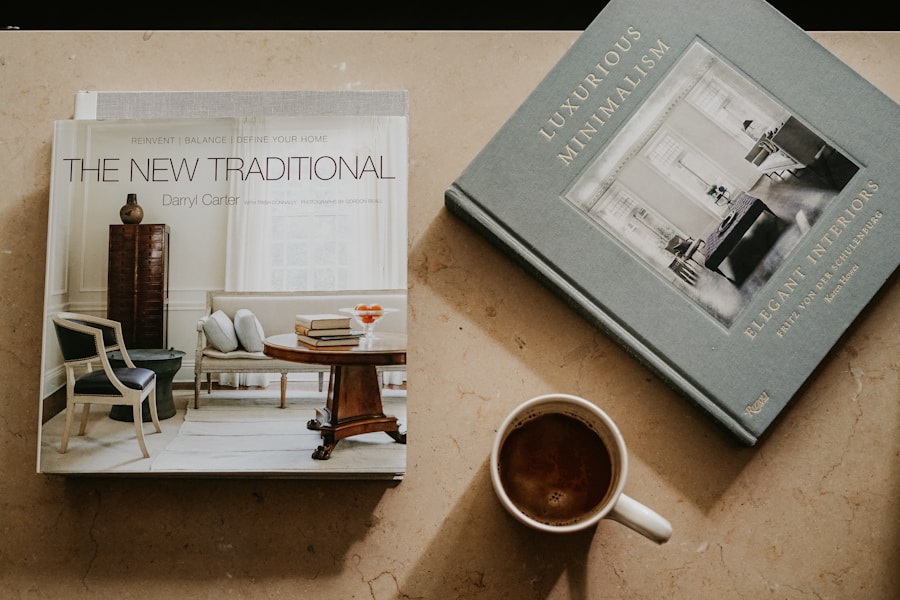
Moreover, the relationship between art and design has become increasingly collaborative in contemporary practice. Designers often work closely with artists to create bespoke installations that enhance the overall aesthetic of a space. You might encounter murals that breathe life into otherwise blank walls or custom furniture pieces that double as functional art.
Creating an Immersive Experience
This fusion of creativity allows for a more immersive experience within your home, where every element contributes to a cohesive narrative that resonates with your sensibilities.
Transforming Spaces with Art
By incorporating art into your interior design, you can transform your spaces into unique and captivating environments that reflect your personality and style.
The Embrace of Smart Home Technology in Interior Design
The rise of smart home technology has revolutionized the way you interact with your living space, making it more intuitive and responsive to your needs. As you embrace these advancements in interior design, you may find yourself surrounded by devices that enhance convenience and comfort. From smart lighting systems that adjust based on your mood to voice-activated assistants that control various aspects of your home, technology is seamlessly integrated into the fabric of modern interiors.
This embrace of smart technology goes beyond mere convenience; it also promotes energy efficiency and sustainability. You might appreciate how smart thermostats learn your habits and optimize energy usage accordingly, reducing both costs and environmental impact. Additionally, automated systems can help create personalized atmospheres tailored to specific activities—whether it’s setting the perfect ambiance for a dinner party or dimming the lights for movie night.
By incorporating smart home technology into your interior design choices, you enhance not only the functionality of your space but also your overall quality of life.
The Rise of Biophilic Design and Connection to Nature in Contemporary Interiors
In recent years, biophilic design has gained traction as a way to reconnect with nature within our built environments. As you explore contemporary interiors influenced by this philosophy, you may notice an emphasis on natural materials, organic shapes, and abundant greenery. This approach seeks to create spaces that foster well-being by incorporating elements reminiscent of the natural world—an essential aspect of human experience often overlooked in urban settings.
You might find yourself drawn to interiors adorned with indoor plants or large windows that invite natural light and views of the outdoors. These features not only enhance the aesthetic appeal of your home but also contribute to improved air quality and mental well-being. By embracing biophilic design principles in your interior choices, you cultivate an environment that nurtures both body and mind—a sanctuary where you can thrive amidst the hustle and bustle of modern life.
In conclusion, contemporary interior design is shaped by various influences ranging from technology and sustainability to cultural diversity and biophilic principles. As you navigate these trends in your own living space, consider how each element contributes to creating an environment that reflects your values and enhances your quality of life. Whether through minimalist aesthetics or the integration of smart technology, the choices you make in interior design can profoundly impact not only your home but also the world around you.
FAQs
What is interior design?
Interior design is the art and science of enhancing the interior of a space to achieve a healthier and more aesthetically pleasing environment for the people using the space. It involves planning, researching, coordinating, and managing various elements to create a functional and beautiful interior.
How has interior design evolved over time?
Interior design has evolved over time in response to changes in culture, technology, and design trends. It has shifted from traditional and ornate styles to more minimalist and functional approaches. Additionally, interior design has become more inclusive and diverse, incorporating a wider range of influences and perspectives.
What are some contemporary perspectives in interior design?
Contemporary interior design perspectives include a focus on sustainability and eco-friendly practices, the use of technology to enhance the functionality of spaces, and a greater emphasis on creating inclusive and accessible environments for people of all abilities.
What role does technology play in contemporary interior design?
Technology plays a significant role in contemporary interior design, with advancements in materials, construction techniques, and digital tools allowing designers to create innovative and efficient spaces. Virtual reality and 3D modeling have also become valuable tools for visualizing and presenting design concepts.
How does contemporary interior design incorporate sustainability?
Contemporary interior design incorporates sustainability by using eco-friendly materials, implementing energy-efficient systems, and designing spaces that promote environmental responsibility. Designers also consider the lifecycle of products and the impact of their choices on the environment.