In contemporary design, art and accessories play a pivotal role in shaping the atmosphere of a space. They serve not only as decorative elements but also as expressions of personal identity and taste. When you walk into a room adorned with carefully selected art pieces and accessories, you immediately sense the character and mood that these elements contribute.
They can evoke emotions, spark conversations, and even influence how you feel in that environment. The right artwork can transform a sterile room into a vibrant sanctuary, while accessories can add layers of depth and intrigue. Moreover, art and accessories are essential in bridging the gap between functionality and aesthetics.
In contemporary spaces, where minimalism often reigns, these elements can provide warmth and personality. They allow you to infuse your unique style into a space that might otherwise feel impersonal. By thoughtfully incorporating art and accessories, you create a narrative that reflects your experiences, interests, and values.
This narrative not only enhances the visual appeal of your home but also fosters a sense of belonging and comfort.
Key Takeaways
- Art and accessories play a crucial role in contemporary spaces by adding personality and visual interest.
- When choosing art and accessories, it’s important to consider how they complement the overall design and style of the space.
- Balancing scale and proportion is key to ensuring that art and accessories don’t overwhelm or underwhelm the space.
- Creating visual interest with art and accessories can be achieved through layering, mixing different textures, and incorporating unexpected elements.
- Incorporating color and texture with art and accessories can add depth and dimension to the space, enhancing its overall aesthetic.
Choosing Art and Accessories that Complement the Space
When it comes to selecting art and accessories, the key is to ensure they complement the existing elements of your space. Start by considering the overall theme and color palette of the room. If your space features neutral tones, you might opt for bold, vibrant artwork that serves as a striking contrast.
Alternatively, if your room is already filled with color, you may want to choose more subdued pieces that harmonize with the surroundings. This thoughtful approach ensures that your selections enhance rather than overwhelm the space. Additionally, think about the scale of the art and accessories in relation to the size of the room.
A large canvas can serve as a stunning focal point in a spacious living area, while smaller pieces may be better suited for intimate settings like a cozy reading nook. Accessories should also be chosen with scale in mind; oversized vases or sculptures can make a statement in an expansive room, while delicate items can add charm to smaller spaces. By carefully considering these factors, you can create a cohesive look that feels intentional and well-curated.
Balancing Scale and Proportion in Art and Accessories

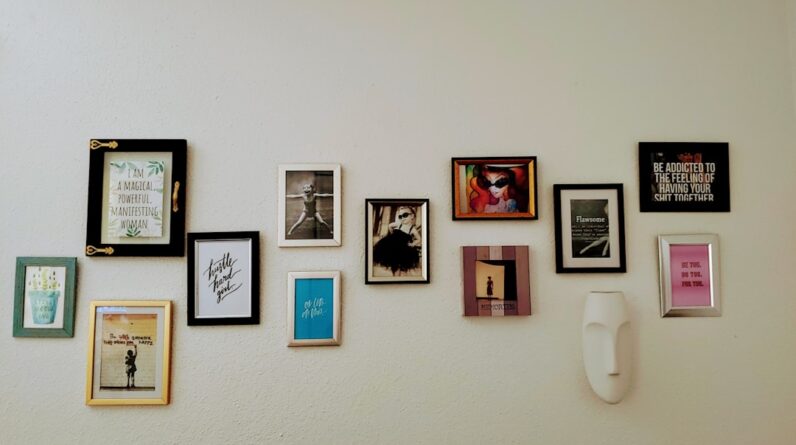
Achieving balance in scale and proportion is crucial when incorporating art and accessories into your space. You want to create a harmonious environment where each element feels like it belongs. One effective way to do this is by grouping smaller pieces together to form a gallery wall or display.
This technique allows you to create visual interest while maintaining balance. Conversely, if you have a large piece of art, consider surrounding it with smaller accessories that complement its size without competing for attention. Proportion also plays a significant role in how art and accessories interact with furniture and architectural features.
For instance, if you have high ceilings, consider using tall sculptures or elongated artwork to draw the eye upward and emphasize the vertical space. In contrast, low-profile furniture may benefit from artwork that is hung at eye level to create a sense of intimacy. By being mindful of scale and proportion, you can ensure that each piece contributes to the overall aesthetic without feeling out of place.
Creating Visual Interest with Art and Accessories
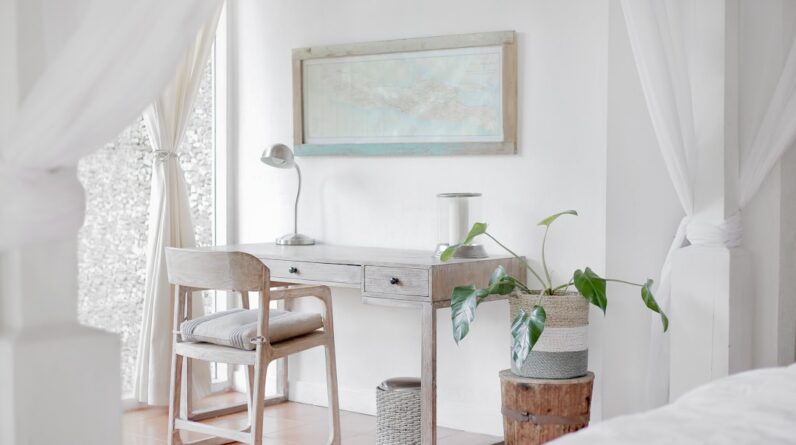
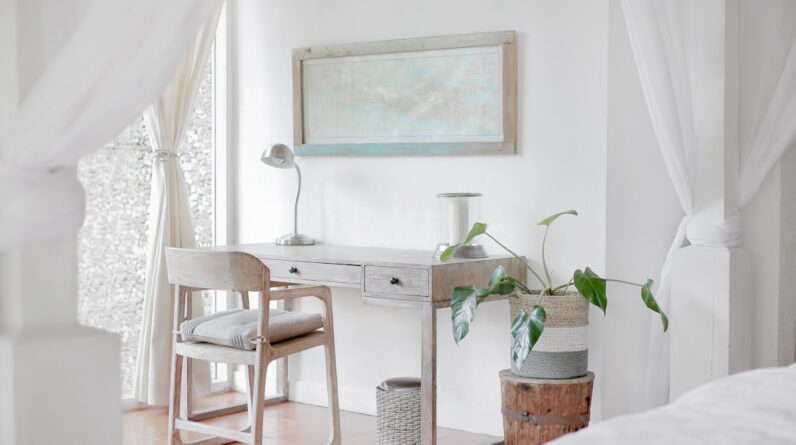
Visual interest is essential for creating an engaging space, and art and accessories are powerful tools for achieving this goal. You can create layers of texture and depth by mixing different materials, such as metal, wood, glass, and fabric. For example, pairing a sleek metal sculpture with a textured woven basket can add dimension to your decor.
Additionally, consider varying the heights of your accessories; this creates visual rhythm and keeps the eye moving throughout the space. Another way to enhance visual interest is through the use of patterns and shapes. Incorporating geometric designs or organic forms can create a dynamic interplay between different elements in your room.
For instance, if you have a round coffee table, consider using square or rectangular trays to contrast with its shape. This juxtaposition adds intrigue while maintaining a cohesive look. By thoughtfully curating your art and accessories, you can create an environment that captivates and inspires.
Incorporating Color and Texture with Art and Accessories
Color and texture are fundamental components of design that can dramatically influence the mood of your space. When selecting art and accessories, consider how they contribute to the overall color scheme of the room. You might choose artwork that incorporates colors found in your furnishings or opt for accessories that introduce new hues to create contrast.
For example, if your living room features earthy tones, adding a vibrant piece of abstract art can inject energy into the space. Texture is equally important in creating a rich sensory experience. Incorporating various textures through textiles, ceramics, or mixed media art can add depth to your decor.
A plush throw blanket draped over a sleek leather sofa or a rough-hewn wooden sculpture placed next to smooth glass vases creates an engaging tactile experience. By thoughtfully combining color and texture, you can elevate your space from ordinary to extraordinary.
Mixing Different Styles and Mediums for a Unique Look

One of the most exciting aspects of decorating with art and accessories is the opportunity to mix different styles and mediums for a unique look. Eclectic design allows you to showcase your personality by combining contemporary pieces with vintage finds or blending various artistic styles such as abstract, realism, or impressionism. This approach creates an environment that feels curated rather than contrived.
When mixing styles, consider how each piece interacts with one another. For instance, if you have modern furniture, pairing it with vintage artwork can create an interesting contrast that highlights both elements’ strengths. Additionally, don’t shy away from incorporating different mediums—such as paintings alongside photography or sculptures—into your decor.
This variety adds depth and intrigue while allowing you to express your individuality through your choices.
Using Art and Accessories to Define Focal Points in the Space
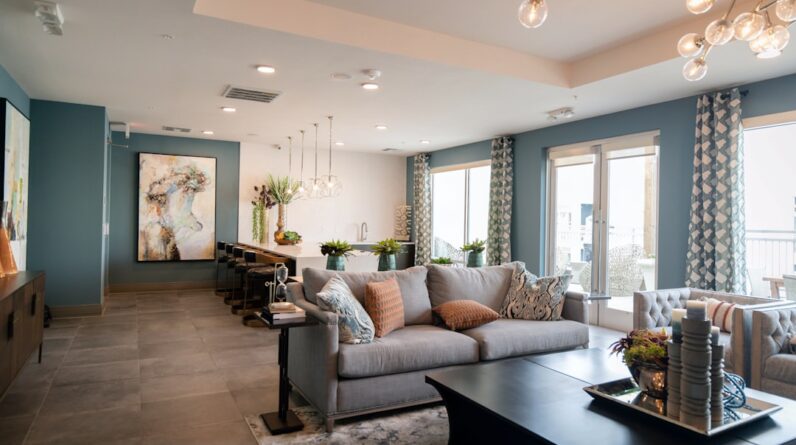
Art and accessories are powerful tools for defining focal points within a room. A well-placed piece of artwork or an eye-catching accessory can draw attention to specific areas, guiding the flow of movement within the space. For example, if you have a large wall in your living room, consider hanging an oversized painting or creating a gallery wall that serves as a visual anchor for the room.
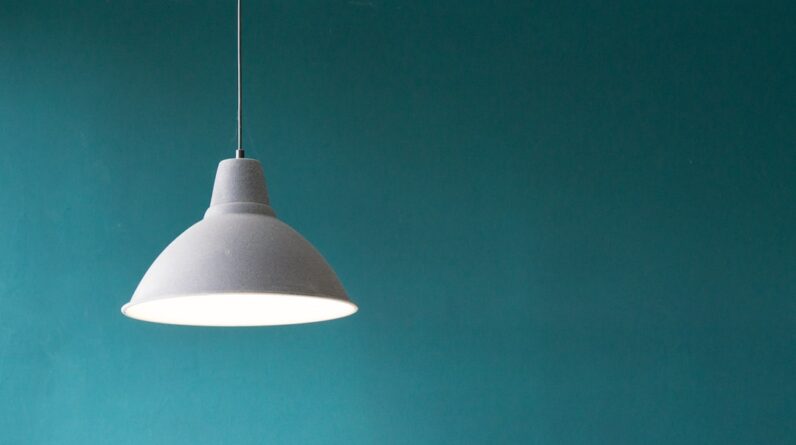
In addition to wall art, accessories such as statement lighting fixtures or bold sculptures can also serve as focal points. A striking chandelier can become the centerpiece of a dining area, while an oversized floor lamp can command attention in a reading nook. By strategically placing these elements throughout your space, you can create visual pathways that enhance both functionality and aesthetics.
Considering the Functionality of Art and Accessories in the Space
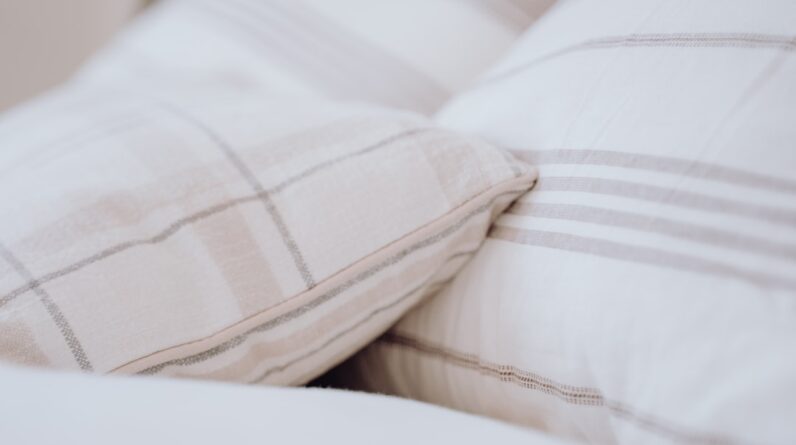
While aesthetics are important, it’s essential not to overlook functionality when choosing art and accessories for your space. Consider how each piece will be used or interacted with daily. For instance, if you’re selecting decorative pillows for your sofa, opt for those that are not only visually appealing but also comfortable and durable for everyday use.
Additionally, think about how accessories can serve dual purposes within your decor. A beautiful tray can hold decorative items while also providing a surface for drinks or snacks during gatherings. Similarly, storage solutions like stylish baskets or decorative boxes can keep clutter at bay while enhancing your overall design aesthetic.
By prioritizing functionality alongside beauty, you create a space that is not only visually stunning but also practical for everyday living. In conclusion, art and accessories are integral components of contemporary spaces that contribute significantly to their character and functionality. By understanding their role, choosing complementary pieces, balancing scale and proportion, creating visual interest, incorporating color and texture, mixing styles, defining focal points, and considering functionality, you can curate an environment that reflects your unique style while enhancing your living experience.
Embrace the journey of selecting art and accessories as an opportunity to express yourself creatively while transforming your space into a true reflection of who you are.
FAQs
What are some tips for integrating art and accessories in contemporary spaces?
Some tips for integrating art and accessories in contemporary spaces include choosing pieces that complement the overall aesthetic, mixing different textures and materials, and creating visual balance within the space.
How can I choose the right art and accessories for a contemporary space?
When choosing art and accessories for a contemporary space, consider the color scheme, scale, and style of the space. Look for pieces that add visual interest and reflect your personal style while also complementing the overall design.
What are some popular art and accessories for contemporary spaces?
Popular art and accessories for contemporary spaces include abstract paintings, sculptural pieces, geometric patterns, and minimalist decor. These types of pieces often complement the clean lines and modern aesthetic of contemporary spaces.
How can I create a cohesive look with art and accessories in a contemporary space?
To create a cohesive look with art and accessories in a contemporary space, consider using a consistent color palette, incorporating pieces with similar styles or themes, and arranging items in a balanced and intentional manner.
What are some common mistakes to avoid when integrating art and accessories in contemporary spaces?
Common mistakes to avoid when integrating art and accessories in contemporary spaces include overcrowding the space with too many pieces, choosing items that clash with the overall aesthetic, and neglecting the importance of negative space.