How Can I Make My Home Look Professionally Designed?
Creating a space that looks professionally designed can often feel like an intimidating endeavor. However, with the right tips, tricks, and a touch of creativity, you can transform your home into a stylish sanctuary that reflects your personal taste. Whether you want to revamp a single room or give your entire home a facelift, you have the capability to make it happen! Let’s dive into some effective strategies that can help you achieve that polished, well-coordinated look you’re dreaming of.

Understanding the Essence of Professional Design
Before you dive into the nuts and bolts of design, it’s vital to understand what gives professionally designed spaces their aesthetic appeal. Professional designers consider a range of factors, such as color theory, layout, texture, and balance. By recognizing these elements, you can start implementing them yourself!
The harmony between these components creates a purposeful vision that goes beyond simple decoration. Instead of just throwing together a few pieces you like, think about how each item contributes to the overall atmosphere of your home. A well-designed space flows seamlessly, guiding the eye and providing comfort.
Establish a Clear Vision
Your journey to a professionally designed home should begin with a clear vision. Think about how you want your space to feel. Cozy? Modern? Minimalistic? You can create mood boards using platforms like Pinterest, or even just cut out images from magazines that resonate with you.
By having a cohesive vision, you don’t just hunt randomly for decor; instead, you gather pieces that complement your overall aesthetic. This vision will steer your decisions on furniture, color schemes, and decorative elements.
Choose a Color Palette
Color is one of the most impactful tools in a designer’s arsenal. The colors you choose will not only set the mood but also unify your space. A good rule of thumb is to use a base color and a few accent colors that work well together.
Consider the emotional response you want to evoke: warm tones can create a cozy atmosphere, while cooler shades might make a space feel refreshing and serene. Use color samples to visualize how your preferred shades would look in different lighting.
Focus on Layout and Flow
The layout of your room significantly influences how it feels. Rooms that are well-organized and thoughtfully arranged promote a natural flow and functionality. To create a professionally designed look, consider your home’s arrangement as a puzzle—each piece should fit together in a way that makes sense.
Start by measuring your space and mapping out how you want to arrange your furniture. Ensure there is enough space to walk comfortably and that seating areas encourage conversation. By thinking about traffic patterns and focal points, you can create a space that’s not just beautiful but also functional.
Invest in Quality Furniture
When it comes to making your home look professionally designed, investing in quality furniture can make all the difference. While it might be tempting to go for budget-friendly options that allow you to splurge on various decor items, well-crafted furniture can have a lasting impact.
Choose timeless designs that withstand the test of time in both functionality and style. Look for versatile pieces that can serve multiple purposes or adapt to varying decor themes. Remember, fewer, quality pieces can often create a more sophisticated look than a plethora of inexpensive items.
Incorporate Textures and Layers
If you want to elevate the design of your home, incorporating textures and layers adds dimension and depth to your space. Mixing materials like wood, metal, fabric, and glass creates visual interest and keeps the eyes moving.
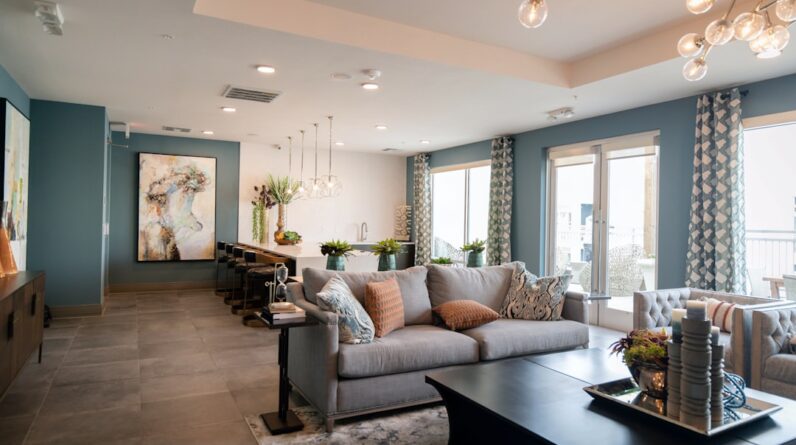
Using a variety of textures can guide the feel of your room—from the cozy wool of a throw blanket to the sleekness of a glass coffee table. Layering also plays a huge role; think area rugs over hardwood floors or combinations of cushions in varying fabrics on your sofa. This richness will emulate that professionally designed touch you’re after.
Embrace Lighting
Lighting is arguably one of the most crucial elements in home design. Not only does it allow you to see, but the right lighting can create moods, highlight decor elements, and make spaces feel more inviting. Consider incorporating a mix of ambient, task, and accent lighting.
For a professional touch, think about statement light fixtures such as chandeliers or large pendant lamps. Additionally, balance the brightness by including dimmer switches to create the perfect atmosphere for different moments, whether it’s a lively gathering or a quiet dinner.
Personalize with Art and Decor
To make your space truly yours while still invoking that polished appeal, incorporate art and personal decor that resonate with you. Artwork isn’t just an accessory; it can tie a room together and provide personal touches that tell your story.
Choose pieces that reflect your personality—whether that’s vibrant paintings, serene photographs, or handmade crafts. Arrange them in a way that feels intentional. You can create a gallery wall or place a single statement piece to draw the eye. Avoid over-cluttering to maintain a professional, curated look.
Create Inviting Zones
Professionally designed homes often feature distinct “zones” for various activities: lounging, dining, working, and relaxing. You can create these zones using furniture placement, rugs, and even lighting to differentiate spaces.
For example, by placing a soft area rug under your coffee table, you establish a living area that feels separate from other parts of the room. Use furniture to create natural barriers between sections. This approach does not just improve aesthetics; it improves functionality and encourages an organized space within your home.
Scale is Key
Understanding scale often eludes even the most seasoned designers, yet it plays a pivotal role in achieving that polished look. You want to ensure your furniture and decor are proportionate to the space they occupy. If you have a large room, oversized furniture can feel balanced and fill the space beautifully.
Conversely, tiny or mismatched furniture in a large room can make it feel sparse or disjointed. On the other hand, if you have a smaller space, opt for more streamlined pieces that won’t overwhelm the area. A good approach is to consider the visual weight and volume and how different pieces will interact with one another.

Don’t Over Decorate
It might be tempting to fill every corner of your home with decor, but less is often more in professional design. Aim for a minimalist, thoughtful approach that highlights key pieces while leaving areas open.
Many designers advocate the practice of editing your space—decide which pieces evoke joy and make cuts where needed. Open space helps prevent clutter from taking control of your home and allows your key decor to shine.
Incorporate Greenery
Plants are not just decorative; they bring life, color, and vitality to any space. Integrating greenery into your home can have a profound impact on its overall feel.
Incorporate a collection of houseplants that complement your design. They can serve as focal points or delicate accents, depending on their size and placement. Choose easy-care options if you’re not a seasoned plant parent; succulents or snake plants are great beginner-friendly choices.
Maintain a Consistent Style
One hallmark of a professionally designed home is consistency in style. Aim to maintain a cohesive aesthetic throughout your space, even when mixing different design elements. Your color palette, furniture styles, and decorative choices should work together to create a unified look.
It’s okay to have variation, but avoid introducing items that clash or divert from the overall theme. For instance, if you have a modern aesthetic, introduce rustic elements in a way that feels intentional and harmonious rather than jarring.
Use Area Rugs for Definition
Area rugs are fantastic tools for defining spaces within a room while providing an added layer of comfort and style. They can visually anchor your furniture, making seating areas feel more intimate and separate from other activities.
Make sure the size of the rug complements your furniture arrangement. Ideally, front legs of furniture should rest on it, creating a collective feel in the designated area. Using rugs helps create depth and can enhance your overall design aesthetic as well.
Shopping Smart
To achieve that professional flair in your home, be strategic in your shopping habits. Research places that offer unique furniture and decor—antique shops, flea markets, and boutiques can yield beautiful, one-of-a-kind pieces that instantly elevate your space.
Online platforms are equally valuable, but ensure you’re buying from reputable sources. When shopping, bring along your vision board and color palettes to gauge how items will fit into your existing design. Don’t rush; take your time to find items that resonate with your personal taste.
Emphasize Craftsmanship
A core element of professionally designed spaces is the emphasis on craftsmanship. Look for furniture and decor items that are well-made and boast quality materials. Pieces that are artisan-crafted or handmade often carry a unique story and contribute to the overall appeal of your home.
When possible, support local artisans who create beautiful, quality items. These pieces not only enhance the stylistic integrity of your space but also provide a richer narrative to your home—a hallmark of expert design.
Seasonal Decor Changes
A great way to keep your home looking fresh and professional is to switch out decor with the changing seasons. This does not mean a complete overhaul; rather, simple adjustments can breathe new life into your space.
Add seasonal flowers, swap out throw pillows in different colors, or bring in cozy blankets during colder months. This practice not only keeps your environment dynamic but also reflects your adaptability and awareness of your surroundings.
Don’t Forget the Details
Professional design is often all about the details. The small elements—like decorative trays, unique coasters, and interesting books on a coffee table—can elevate the overall feel of a room.
Be mindful of integrating these details that provide personal touches without overwhelming your space. Choose items that reflect your personality but also consider how they fit into your overall look. A professional eye recognizes that every detail plays a part in creating a harmonious environment.
Consult a Professional
If you find yourself overwhelmed by the process, consider consulting with a professional designer. They can offer tailored advice and specific strategies to achieve your vision. A designer might even help you reimagine elements you previously didn’t consider!
While this option might seem like an extra expense, consider it an investment into your home’s overall functionality and aesthetic. Even a few hours of consultation can provide invaluable insights that elevate your space effortlessly.
Maintain a Balance Between Comfort and Style
Lastly, it’s crucial to maintain a balance between style and comfort. While achieving a polished design is essential, your space should still be inviting and liveable. When selecting furniture and decor, keep in mind how practical and comfortable each item is.
Choose sofas and chairs you can sink into after a long day, and consider materials that enhance comfort without sacrificing aesthetics. Remember, a house becomes a home when it reflects not just looks, but warmth and life as well.
Wrapping Up
Creating a home that looks professionally designed is not an unattainable dream; it merely requires thoughtfulness, creativity, and attention to detail. By incorporating these strategies, you can elevate your space without compromising your identity or comfort. Embrace the journey of transforming your home; after all, it reflects the unique individual that you are!
Feel free to clap for this article if you found it inspiring, leave a comment sharing your thoughts, and don’t forget to subscribe to my Medium newsletter for more updates and tips! Happy decorating!