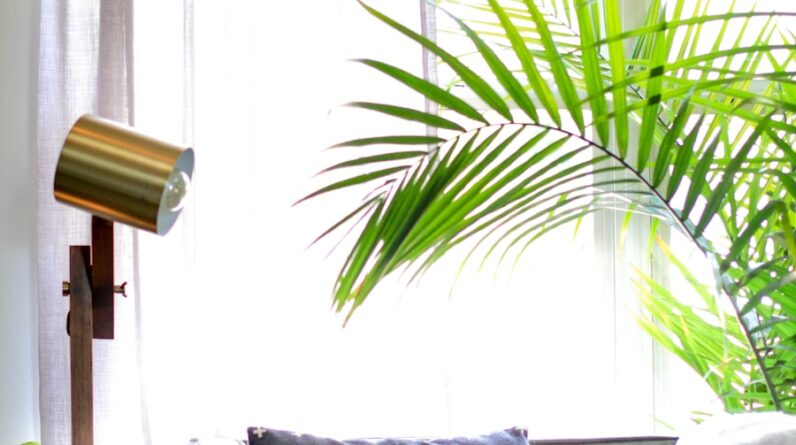
In today’s fast-paced world, the importance of creating a serene living environment cannot be overstated. You may find that your home serves as a sanctuary, a place where you can retreat from the chaos of daily life. Calming interior design focuses on fostering tranquility and relaxation, allowing you to recharge and rejuvenate.
By thoughtfully curating your space, you can create an atmosphere that promotes peace and well-being, making it essential to consider how each element contributes to your overall sense of calm. As you embark on this journey of transforming your home into a soothing haven, it’s crucial to understand the principles of calming interior design. This approach emphasizes simplicity, harmony, and balance, encouraging you to select elements that resonate with your personal sense of peace.
From color choices to furniture arrangements, every decision you make can significantly impact your mood and mental state. By prioritizing comfort and serenity in your design choices, you can cultivate an environment that nurtures your mind and spirit.
Key Takeaways
- Calming interior design focuses on creating a peaceful and tranquil atmosphere in the home.
- Choosing calming color schemes such as soft blues, greens, and neutrals can help promote relaxation and serenity.
- Incorporating natural elements like plants, wood, and stone can bring a sense of nature indoors and create a soothing environment.
- Creating comfortable and cozy spaces with plush furniture, soft textiles, and warm lighting can enhance relaxation and comfort.
- Minimizing clutter and simplifying decor can help create a sense of calm and organization in the home.
Choosing Calming Color Schemes
Soft and Soothing Hues
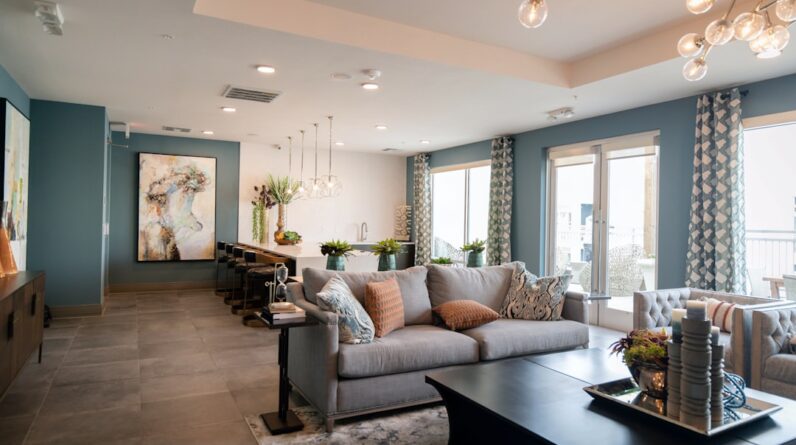
When it comes to creating a calming atmosphere, the colors you choose play a pivotal role. Soft, muted tones that evoke feelings of tranquility and relaxation are ideal. Shades such as pale blues, gentle greens, and warm neutrals can create a soothing backdrop for your space.
The Power of Color
These colors not only promote a sense of calm but also have the ability to visually expand a room, making it feel more open and airy. As you select your color palette, think about how each hue makes you feel and how it interacts with the natural light in your home.
Bringing it All Together
In addition to selecting the right colors, consider how you can incorporate them throughout your space. You may choose to paint walls in soft pastels or use calming shades in your furnishings and decor. Textiles such as curtains, cushions, and rugs can also be excellent opportunities to introduce these soothing colors. By creating a cohesive color scheme that flows seamlessly from one room to another, you can enhance the overall sense of calm in your home. Remember, the goal is to create an environment that feels harmonious and inviting, allowing you to unwind and relax.
Incorporating Natural Elements

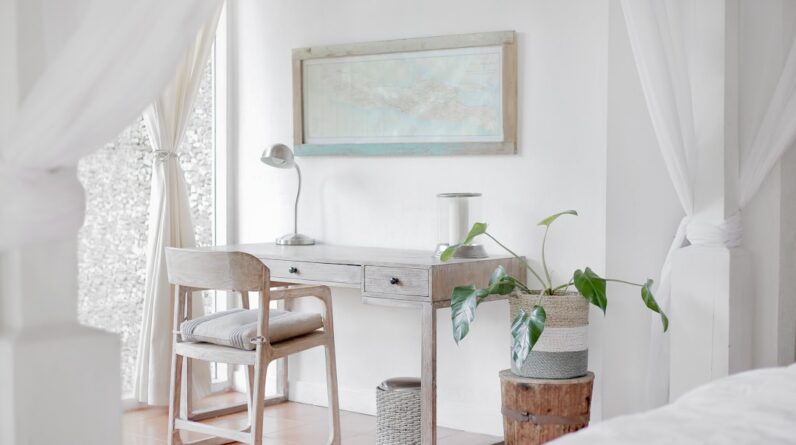
Bringing nature indoors is another effective way to foster a calming atmosphere in your home. You might find that incorporating natural elements such as plants, wood, and stone can significantly enhance your space’s tranquility. Indoor plants not only purify the air but also add a touch of life and vibrancy to your surroundings.
Consider selecting low-maintenance varieties like snake plants or peace lilies that thrive in various conditions while requiring minimal care. In addition to greenery, think about how you can integrate natural materials into your decor. Wooden furniture, stone accents, and organic textiles can create a warm and inviting ambiance.
You may choose to use reclaimed wood for shelving or opt for stone countertops in your kitchen or bathroom. These elements not only add visual interest but also connect you to the natural world outside, promoting a sense of grounding and stability within your home.
Creating Comfortable and Cozy Spaces
Comfort is at the heart of calming interior design. You may want to focus on creating spaces that invite relaxation and encourage you to unwind after a long day. Start by selecting furniture that prioritizes comfort without sacrificing style.
Plush sofas, oversized chairs, and soft bedding can transform your living areas into cozy retreats where you can curl up with a good book or enjoy a movie night. In addition to comfortable furniture, consider how you can enhance the coziness of your spaces through thoughtful layout and decor choices. Layering textiles such as throws and cushions can add warmth and texture to your rooms.
You might also want to create designated relaxation zones within your home—perhaps a reading nook by a window or a meditation corner with soft seating. By intentionally designing these spaces with comfort in mind, you can cultivate an environment that encourages rest and rejuvenation.
Minimizing Clutter and Simplifying Decor
A cluttered space can lead to a cluttered mind, making it essential to prioritize simplicity in your interior design. You may find that minimizing clutter not only enhances the visual appeal of your home but also contributes to a greater sense of calm. Start by decluttering each room, removing items that no longer serve a purpose or bring you joy.
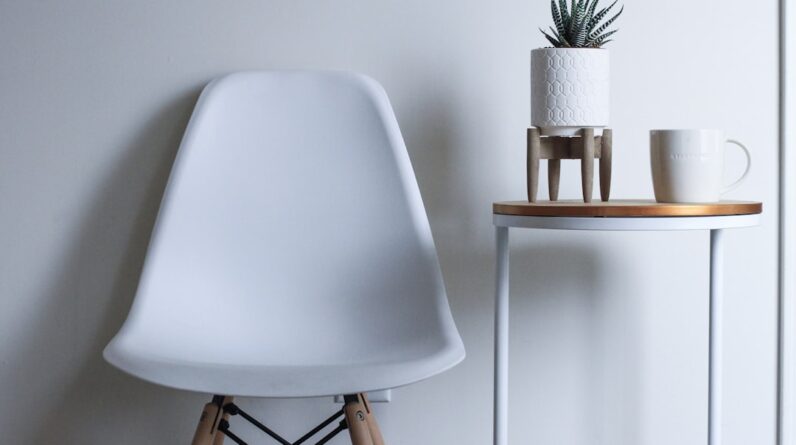
This process can be liberating, allowing you to create a more open and inviting atmosphere. Once you’ve decluttered, consider simplifying your decor choices as well. Opt for fewer decorative items that hold personal significance or evoke positive memories.
You might choose to display a few cherished photographs or meaningful art pieces while keeping surfaces clear of unnecessary knick-knacks. By embracing a minimalist approach, you can create a serene environment that feels spacious and uncluttered, allowing for greater mental clarity and peace.
Utilizing Soft Lighting and Natural Light
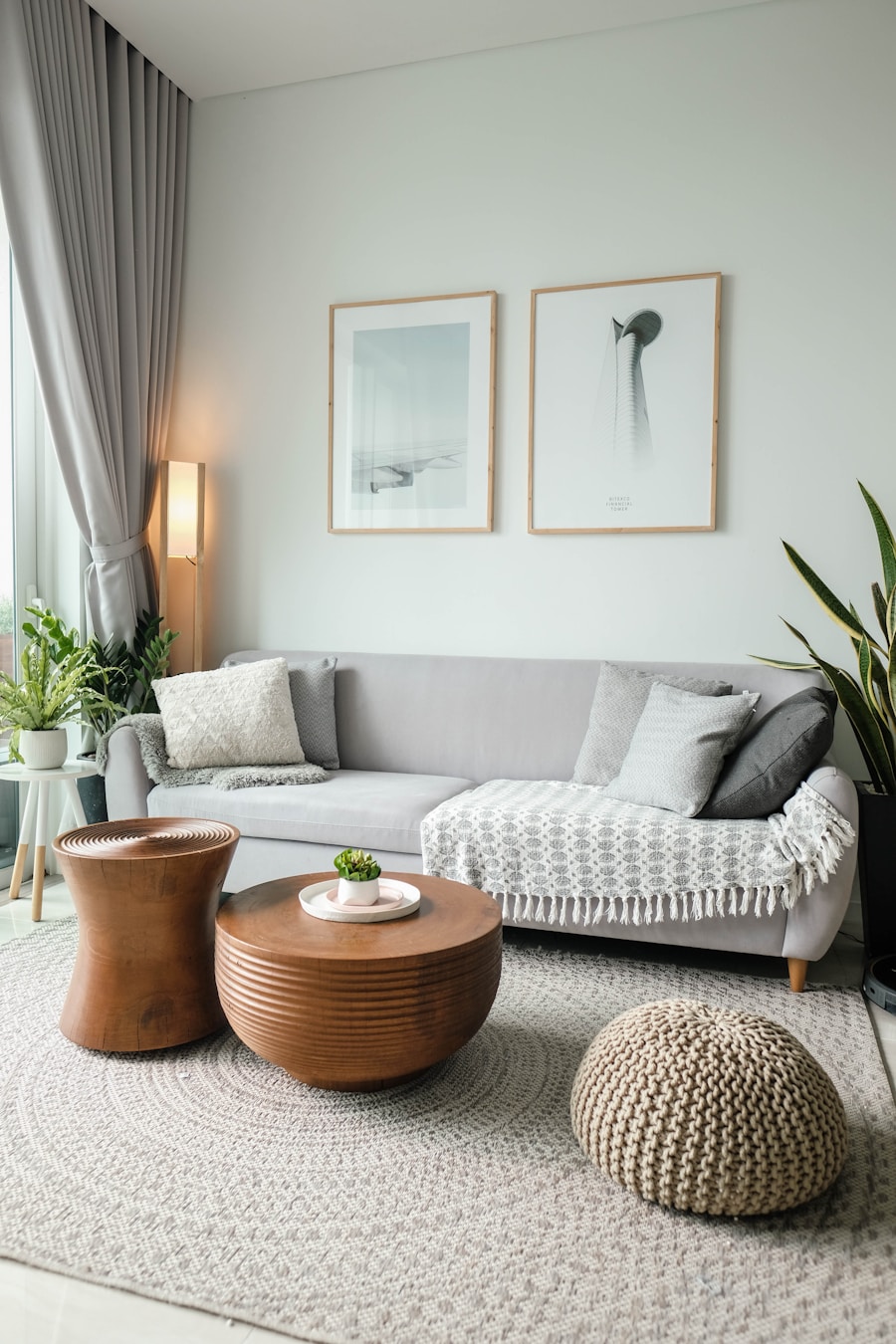
Lighting plays a crucial role in setting the mood of any space, making it essential to consider how you illuminate your home. You may want to prioritize soft lighting options that create a warm and inviting atmosphere. Consider using dimmable fixtures or lamps with adjustable brightness levels so you can tailor the lighting to suit different activities and times of day.
In addition to artificial lighting, harnessing natural light is vital for creating a calming environment. You might want to maximize sunlight by keeping windows unobstructed and using sheer curtains that allow light to filter through while maintaining privacy. Natural light has been shown to improve mood and overall well-being, so consider how you can design your space to take full advantage of this valuable resource.
Adding Aromatherapy and Scented Candles
The power of scent should not be underestimated when it comes to creating a calming atmosphere in your home. You may find that incorporating aromatherapy through essential oils or scented candles can significantly enhance your space’s tranquility. Scents like lavender, chamomile, and eucalyptus are known for their calming properties and can help reduce stress and anxiety.
Consider setting up an aromatherapy diffuser in key areas of your home or lighting scented candles during moments of relaxation. You might also explore creating your own blends using essential oils that resonate with you personally. By engaging your sense of smell in this way, you can create an environment that feels soothing and restorative, further enhancing the overall calming effect of your interior design.
Incorporating Mindfulness and Meditation Spaces
Finally, consider dedicating a specific area in your home for mindfulness practices such as meditation or yoga. You may find that having a designated space for these activities encourages you to prioritize self-care and mental well-being. This area should be free from distractions and designed with comfort in mind—think soft mats, cushions, or even floor pillows where you can sit comfortably.
As you create this mindfulness space, consider incorporating elements that promote relaxation and focus. You might want to include calming visuals such as nature-inspired artwork or serene colors on the walls. Additionally, having items like journals or inspirational books nearby can encourage reflection and mindfulness practices.
By intentionally designing this space for tranquility, you can cultivate a deeper connection with yourself while enhancing the overall calming atmosphere of your home. In conclusion, calming interior design is about more than just aesthetics; it’s about creating an environment that nurtures your well-being and promotes relaxation. By thoughtfully considering color schemes, natural elements, comfort, simplicity, lighting, scent, and mindfulness spaces, you can transform your home into a sanctuary where peace reigns supreme.
As you embark on this journey of design, remember that every choice you make contributes to the overall atmosphere of calmness—allowing you to create a space that truly reflects your desire for serenity in an often chaotic world.
FAQs
What is interior design?
Interior design is the art and science of enhancing the interior of a space to achieve a healthier and more aesthetically pleasing environment for the people using the space.
How can interior design make my home feel more calming and stress-reducing?
Interior design can make your home feel more calming and stress-reducing by incorporating elements such as soothing color schemes, natural materials, comfortable furniture, good lighting, and a clutter-free environment.
What are some calming color schemes for interior design?
Calming color schemes for interior design include soft blues, greens, and neutrals such as beige and gray. These colors can help create a sense of tranquility and relaxation in a space.
What are some stress-reducing materials to use in interior design?
Stress-reducing materials to use in interior design include natural materials such as wood, stone, and bamboo. These materials can bring a sense of nature indoors and create a calming atmosphere.
How can lighting affect the calming and stress-reducing qualities of a space?
Good lighting can affect the calming and stress-reducing qualities of a space by providing natural light, using soft and warm artificial lighting, and incorporating dimmer switches to control the intensity of light.
What are some tips for creating a clutter-free environment in interior design?
Tips for creating a clutter-free environment in interior design include incorporating ample storage solutions, minimizing decorative objects, and organizing and decluttering regularly to maintain a sense of calm and order in the space.