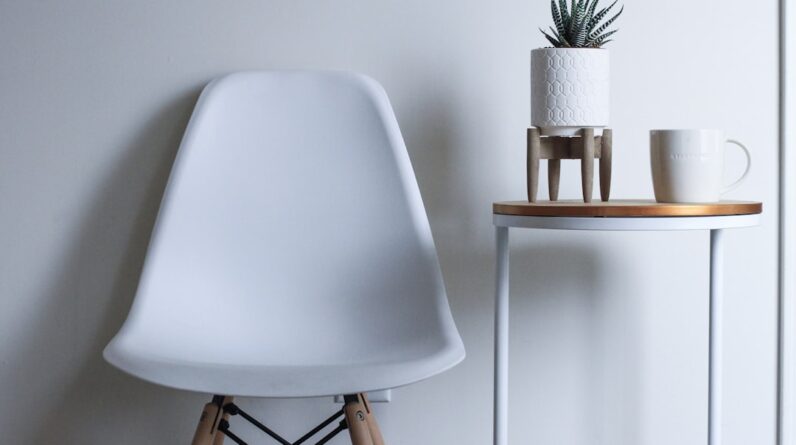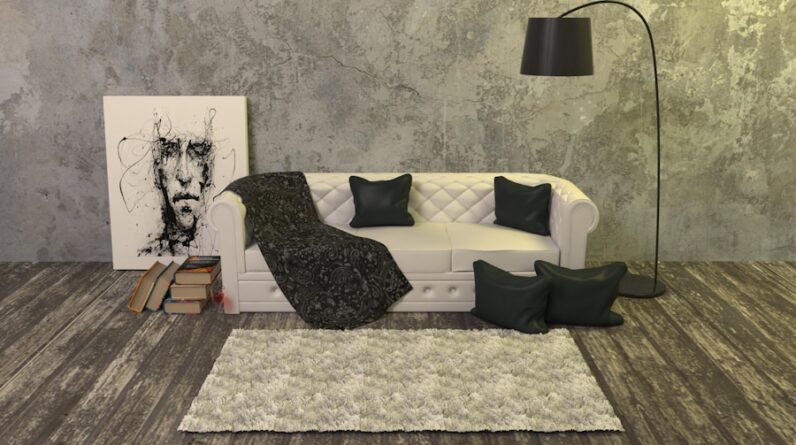
When you think about interior design, the first elements that might come to mind are color schemes, furniture arrangements, and lighting. However, one of the most crucial aspects that can transform a space is texture. Texture refers to the surface quality of materials, which can be perceived visually or through touch.
It plays a significant role in how a room feels and can evoke emotions, create depth, and add character. By understanding texture, you can elevate your design choices and create a more inviting atmosphere. Textiles are a primary source of texture in any interior space.
They encompass a wide range of materials, including fabrics used for upholstery, curtains, rugs, and decorative pillows. Each textile has its unique texture, from the smoothness of silk to the roughness of burlap. When you incorporate various textiles into your design, you not only enhance the visual appeal but also create a tactile experience that engages the senses.
This understanding of texture and textiles is essential for anyone looking to create a harmonious and well-balanced interior.
Key Takeaways
- Understanding Texture and Textiles:
- Texture refers to the surface quality of a material, while textiles are materials made from fibers such as cotton, wool, or silk.
- Different textures and textiles can create a variety of visual and tactile effects in interior design.
- Choosing the Right Textiles for Your Space:
- Consider the function of the space and the desired mood when choosing textiles.
- Select textiles that are durable and easy to maintain for high-traffic areas.
- Incorporating Different Textures in Your Design:
- Mix and match different textures such as smooth, rough, shiny, and matte to add depth and interest to your design.
- Consider using textiles with varying patterns and weaves to create visual contrast.
- Layering Textiles for Visual Interest:
- Layering textiles such as rugs, throws, and pillows can add dimension and coziness to a space.
- Experiment with layering different textures to create a visually dynamic and inviting environment.
- Mixing Different Textures and Fabrics:
- Mixing different textures and fabrics can create a rich and luxurious look in your design.
- Combine natural materials like wood and leather with soft textiles like velvet and fur for a balanced and sophisticated aesthetic.
- Using Textiles to Add Warmth and Comfort:
- Textiles such as curtains, upholstery, and bedding can add warmth and comfort to a space.
- Choose textiles with soft and inviting textures to create a cozy and inviting atmosphere.
- Adding Texture and Textiles to Create a Focal Point:
- Use bold and textured textiles to create a focal point in a room, such as a statement rug or a textured accent wall.
- Incorporate textiles with unique patterns and textures to draw attention and add visual interest to a space.
- Maintenance and Care of Textiles in Interior Design:
- Follow the manufacturer’s instructions for cleaning and maintaining textiles to ensure their longevity.
- Regularly vacuum and spot clean textiles to keep them looking fresh and vibrant in your interior design.
Choosing the Right Textiles for Your Space
Functionality and Comfort
For instance, in a living room where relaxation is key, you might opt for soft, plush fabrics like velvet or chenille that invite comfort. In contrast, a dining area may benefit from more durable textiles that can withstand spills and wear, such as cotton or linen blends.
Style and Aesthetic
By aligning your textile choices with the purpose of each space, you can create an environment that is both functional and visually appealing. Additionally, think about the overall style of your home when choosing textiles. If your design leans towards a modern aesthetic, you might prefer sleek fabrics with minimal patterns. On the other hand, if you gravitate towards a bohemian style, you could embrace vibrant colors and eclectic patterns.
Curating a Cohesive Look
The key is to ensure that your textile selections complement your existing decor while also reflecting your personal taste. By carefully considering these factors, you can curate a collection of textiles that enhances the beauty and functionality of your home.
Incorporating Different Textures in Your Design
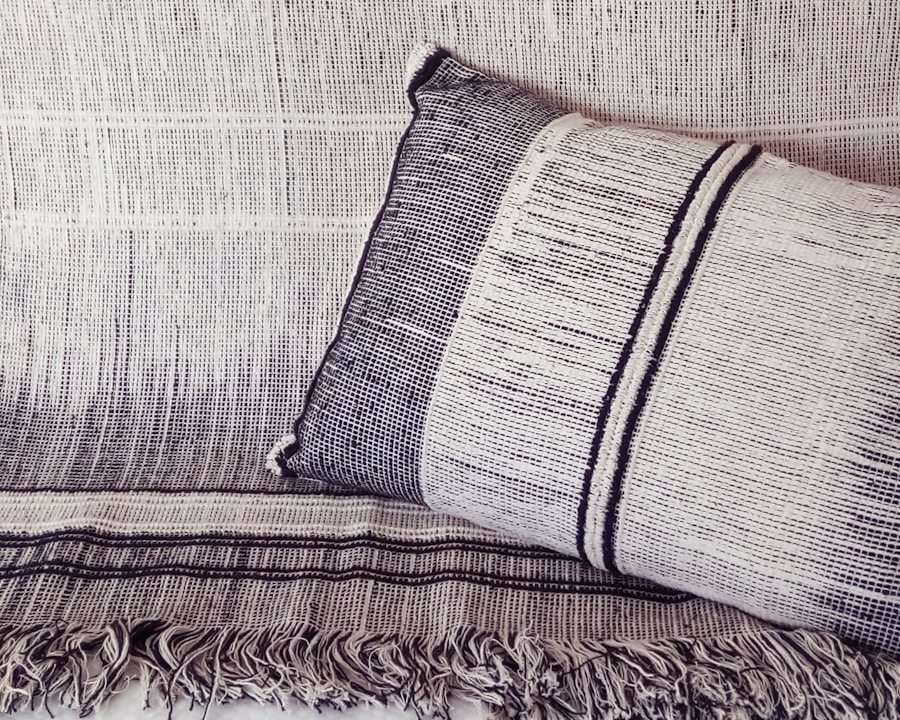
Incorporating different textures into your design can significantly enhance the overall ambiance of a room. By layering various materials, you create visual interest and depth that can make even the simplest spaces feel dynamic. For example, pairing a soft wool throw with a sleek leather sofa can create a beautiful contrast that draws the eye and invites touch.
Similarly, mixing smooth surfaces with rough textures—like glass with reclaimed wood—can add complexity to your design. When incorporating different textures, it’s essential to maintain balance. Too many competing textures can lead to visual chaos, while too few can make a space feel flat and uninspired.
Aim for a harmonious blend by selecting textiles that complement each other in color and pattern while varying their tactile qualities. This approach not only enhances the aesthetic appeal but also creates an inviting atmosphere that encourages interaction and engagement within the space.
Layering Textiles for Visual Interest
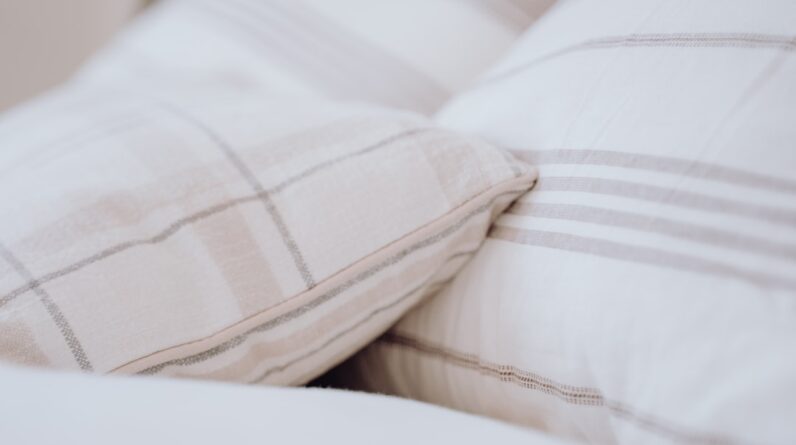
Layering textiles is an effective technique to add depth and richness to your interior design. By combining various fabrics in different weights and textures, you can create a multi-dimensional look that feels both cozy and sophisticated. For instance, layering a chunky knit blanket over a smooth cotton duvet can add warmth and visual intrigue to your bedroom.
Similarly, using multiple throw pillows in varying sizes and textures on a sofa can create an inviting focal point that beckons you to sit down and relax. When layering textiles, consider the color palette as well. Sticking to a cohesive color scheme will help unify the different layers while allowing each textile to shine in its own right.
You might choose to use complementary colors or varying shades of the same hue to create a seamless transition between layers. This thoughtful approach not only enhances the visual interest but also ensures that your space feels curated and intentional.
Mixing Different Textures and Fabrics
Mixing different textures and fabrics can be an exciting way to express your creativity in interior design. The key to successfully blending various materials lies in understanding how they interact with one another. For example, pairing soft fabrics like velvet or cotton with harder materials such as metal or wood can create a balanced look that feels both inviting and grounded.
This contrast not only adds visual interest but also encourages tactile exploration within the space. As you experiment with mixing textures, don’t shy away from bold choices. Combining unexpected materials—like pairing faux fur with industrial metal accents—can result in a striking design statement that reflects your unique style.
However, it’s essential to maintain some level of cohesion throughout your selections; this could be achieved through color coordination or thematic elements that tie everything together. By thoughtfully mixing different textures and fabrics, you can create an interior that feels dynamic and full of personality.
Using Textiles to Add Warmth and Comfort
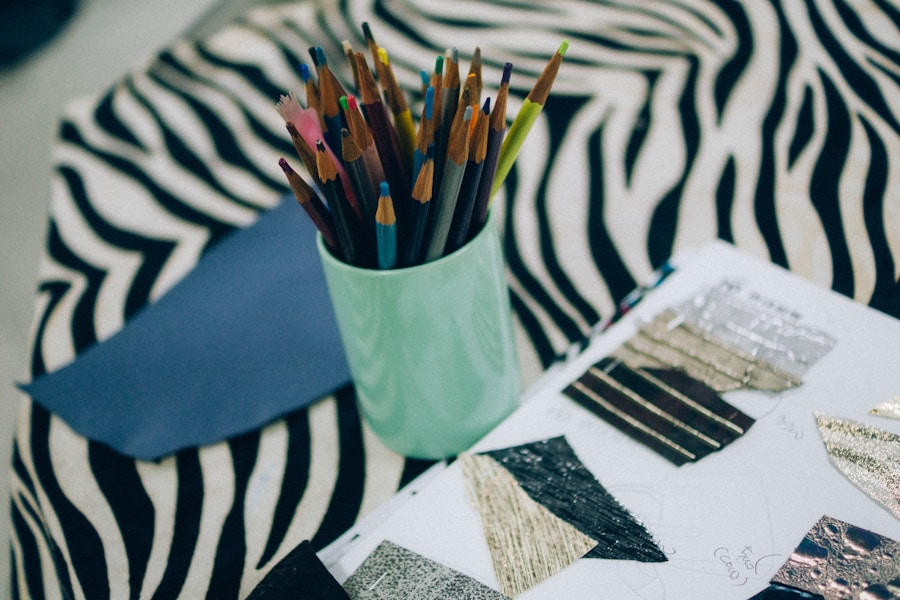
The Power of Texture
Incorporating plush rugs underfoot can soften a room’s overall feel while providing warmth during colder months. Similarly, draping soft throws over furniture not only adds comfort but also invites relaxation and leisure.
Emotional Comfort
Fabrics with rich colors or intricate patterns can evoke feelings of nostalgia or tranquility, making your space feel more personal and inviting. Textiles can also contribute to an emotional sense of comfort, making a space feel like a true haven.
Curating Comfort
When selecting textiles for warmth and comfort, consider both their tactile qualities and their emotional resonance. By thoughtfully curating these elements, you can create an environment that nurtures both body and soul.
Adding Texture and Textiles to Create a Focal Point
Creating a focal point in your interior design is essential for guiding the eye and establishing a sense of hierarchy within the space. Textiles can play a pivotal role in achieving this goal by drawing attention to specific areas or features of a room. For example, using a bold patterned rug can anchor a seating area while simultaneously adding texture and visual interest.
Alternatively, hanging an oversized tapestry or fabric wall art can serve as an eye-catching centerpiece that elevates the overall design. When using textiles to create a focal point, consider how they interact with other elements in the room. Ensure that your chosen textile complements surrounding colors and textures while standing out enough to capture attention.
This balance will help maintain harmony within the space while allowing your focal point to shine. By strategically incorporating textiles as focal points, you can enhance the overall aesthetic appeal of your home.
Maintenance and Care of Textiles in Interior Design
Once you’ve curated an array of beautiful textiles for your interior design, it’s essential to consider their maintenance and care. Proper upkeep ensures that your fabrics remain vibrant and functional over time. Start by familiarizing yourself with the specific care instructions for each textile type; some may require dry cleaning while others are machine washable.
Regular cleaning not only prolongs the life of your textiles but also keeps them looking fresh and inviting. In addition to cleaning, consider how environmental factors may affect your textiles over time. Sunlight can fade colors, while humidity may lead to mold or mildew growth on certain fabrics.
To mitigate these issues, use window treatments that block UV rays or rotate cushions and throws regularly to ensure even exposure to light. By being proactive about maintenance and care, you can preserve the beauty of your textiles while enjoying their warmth and comfort for years to come. In conclusion, understanding texture and textiles is fundamental in creating an inviting interior space that reflects your personal style.
By choosing the right textiles for each area, incorporating various textures thoughtfully, layering fabrics for depth, mixing materials creatively, adding warmth through textiles, creating focal points with fabric elements, and maintaining them properly, you can transform any room into a harmonious sanctuary that resonates with comfort and aesthetic appeal. Embrace the power of textiles in your design journey; they are not just decorative elements but essential components that breathe life into your home.
FAQs
What are texture and textiles in interior design?
Texture refers to the surface quality of a material, while textiles are fabrics or woven materials used in interior design. Both texture and textiles can add depth and visual interest to a space.
How can I use texture in interior design?
You can use texture in interior design by incorporating materials such as wood, stone, metal, glass, and fabric. These materials can add visual and tactile interest to a space, creating a more dynamic and inviting environment.
How can I use textiles in interior design?
Textiles can be used in interior design through the use of curtains, upholstery, rugs, and decorative pillows. These textiles can add color, pattern, and softness to a space, as well as contribute to the overall aesthetic and style of the room.
What are some ways to add depth and visual interest to a space using texture and textiles?
You can add depth and visual interest to a space by layering different textures and textiles, mixing materials, and incorporating contrasting elements. For example, you can pair a smooth, shiny surface with a rough, matte surface to create visual contrast and depth.
Are there any tips for using texture and textiles in interior design?
Some tips for using texture and textiles in interior design include considering the scale and proportion of the materials, balancing different textures and textiles throughout the space, and using a variety of materials to create a cohesive and visually appealing design.